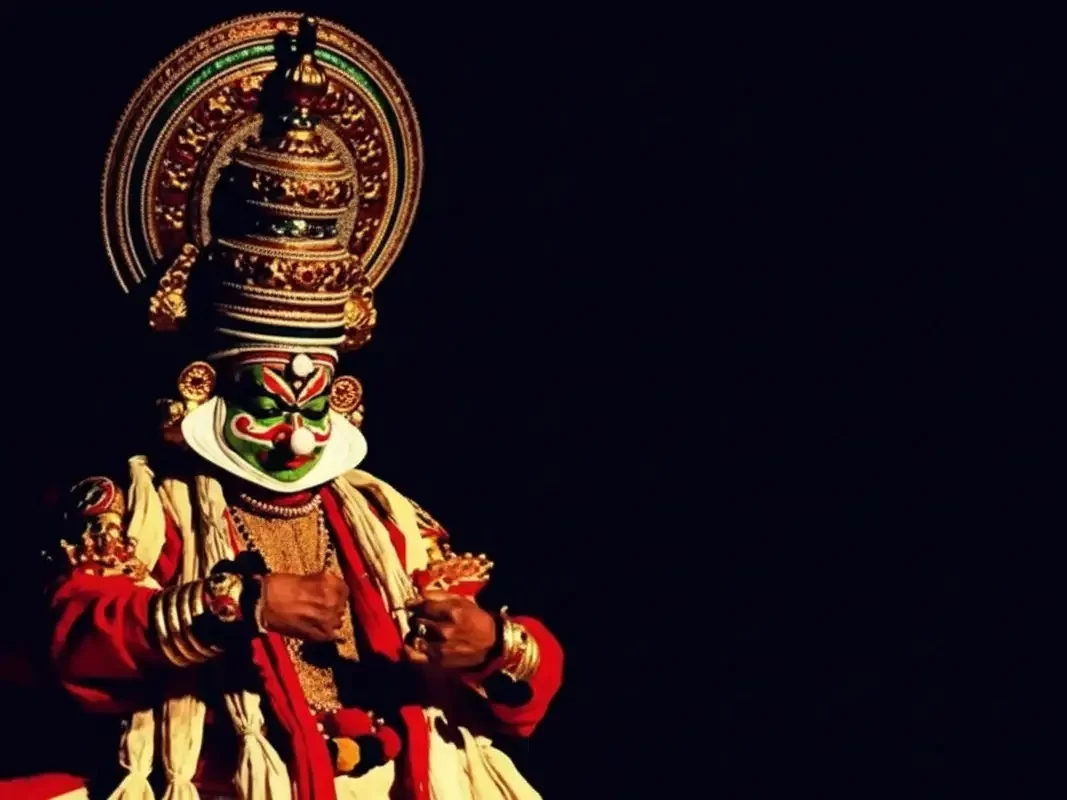
Quick Facts About GREAT K V Kathakali Centre
| Entry Fee |
300 |
| Timings |
17:00 - 19:00 |
| Altitude (m) |
5 |
| Ideal Visit Duration (hrs) |
2 |
| Best Time of Day |
Evening |
| Crowd Level |
Moderate |
| Distance from City Centre (km) |
13 |
| Walking Difficulty |
Easy |
| Parking Available |
No |
| Last Mile Access |
Walk |
| Suitable for Kids |
Yes |
| Suitable for Seniors |
Yes |
| Wheelchair Friendly |
No |
Why Visit GREAT K V Kathakali Centre Kochi
Why Visit
GREAT K V Kathakali Centre in Kochi is an excellent place to experience Kerala’s classical performing arts in an authentic and educational setting. Visitors come to witness traditional Kathakali performances and related art forms, gaining insight into the storytelling techniques, facial expressions, hand gestures, and musical traditions that define this centuries-old dance-drama.
Atmosphere
The atmosphere is intimate, cultural, and focused on learning, with performances held in a close-view setting that allows audiences to observe fine details. The rhythm of live percussion, expressive makeup demonstrations, and explanatory narration create an engaging and immersive environment. Evening shows feel especially atmospheric, drawing attention to discipline and tradition.
What Makes it Special
What makes GREAT K V Kathakali Centre special is its emphasis on preserving and presenting classical Kerala art forms in an accessible way for visitors. Performances often include introductions to Kathakali and Kalaripayattu, helping audiences understand the meaning behind movements and expressions. This combination of performance and interpretation makes it a valuable cultural stop in Kochi.
History of GREAT K V Kathakali Centre Kochi
GREAT K V Kathakali Centre is located in Kochi, Ernakulam district, Kerala, and is dedicated to the preservation and performance of Kathakali, Kerala’s classical dance-drama tradition. The centre takes its name from Kalamandalam K. V. Vasudevan Nair, a renowned Kathakali maestro whose contributions played a significant role in sustaining the art form in the modern era.
The institution was established to continue the traditional gurukula-style training and performance practices of Kathakali at a time when classical performing arts were transitioning from royal and temple patronage to public and institutional support. Emphasis has been placed on maintaining authentic performance techniques, elaborate makeup traditions, and narrative discipline rooted in epic and Puranic literature.
Over time, the centre gained recognition as a cultural venue where both local audiences and international visitors could experience classical Kathakali performances in a structured setting. Today, GREAT K V Kathakali Centre stands as an important cultural institution in Kochi, representing the continuity of Kerala’s intangible heritage through dedicated performance, training, and artistic preservation.
Best Time to Visit – GREAT K V Kathakali Centre Kochi
The best time to visit GREAT K V Kathakali Centre in Kochi is from October to March, when the weather is pleasant and evenings are comfortable for attending traditional cultural performances. This period is ideal for enjoying Kerala’s classical art forms such as Kathakali and Kalaripayattu without the discomfort of high humidity or heavy rainfall.
- October–November: Post-monsoon freshness with comfortable evenings—good for cultural shows and city exploration.
- December–February: Coolest and peak tourist season—best time to attend performances and observe detailed makeup rituals.
- March: Still suitable, though evenings become slightly warmer—early arrival is recommended.
- April–May (Summer): Warm and humid; indoor performances remain comfortable despite outdoor heat.
- June–September (Monsoon): Frequent rainfall; performances usually continue indoors, but travel may be affected by showers.
Best time of day: 5:00 PM to 7:00 PM is ideal, as most Kathakali and Kalaripayattu shows are scheduled in the evening, allowing visitors to enjoy the performances after daytime sightseeing.
- Cultural tip: Arrive early to watch the traditional Kathakali makeup process before the performance begins.
- Experience tip: Evening shows offer better ambiance, lighting, and audience engagement.
- Planning note: Show timings can vary by season—confirm locally on the day of your visit.
How to Reach GREAT K V Kathakali Centre Kochi
GREAT K V Kathakali Centre is located in Kochi city, Ernakulam district, Kerala, within the Fort Kochi–Mattancherry cultural zone. The centre is well known for traditional Kathakali and Kalaripayattu performances and is easily accessible by road and ferry.
- By Air (Nearest airport): The nearest airport is Cochin International Airport, approximately 35–40 km away. From the airport, hire a taxi or app-based cab to Fort Kochi. The centre is a short walk or auto-rickshaw ride from major Fort Kochi landmarks.
- By Train (Nearest railway stations): The closest major railheads are Ernakulam Junction (South) and Ernakulam Town (North). From either station, continue to Fort Kochi by taxi, auto-rickshaw, or bus.
- By Road: KSRTC and private buses operate frequently to Fort Kochi Bus Stand. From the bus stand, the Kathakali Centre is reachable on foot or by a short auto-rickshaw ride.
- By Ferry (Scenic option): Government ferries run regularly between Ernakulam Boat Jetty and Fort Kochi Jetty. From the jetty, the centre is about a 10-minute walk through the heritage streets.
- Taxi / Auto-rickshaw: Taxis and auto-rickshaws are easily available throughout Kochi. Ask for drop-off at GREAT K V Kathakali Centre or a nearby Fort Kochi landmark.
- Self-drive: Self-driving is possible, but parking in Fort Kochi is limited. Use designated public parking areas and walk to the centre.
- Travel tips (EEAT): Evening shows are most popular, so arrive early to secure good seating. Dress comfortably, maintain silence during performances, and confirm show timings locally.
What to Expect When You Visit GREAT K V Kathakali Centre Kochi
GREAT K V Kathakali Centre is a cultural performance venue in Kochi dedicated to showcasing Kerala’s classical dance-drama tradition of Kathakali. The visit is performance-oriented and educational, offering insight into expressive storytelling, traditional music, and elaborate makeup rather than a museum-style or interactive workshop experience.
- Live Kathakali performances: expect stage presentations featuring powerful facial expressions, hand gestures (mudras), and rhythmic movements that convey epic narratives.
- Traditional makeup and costume display: some shows allow visitors to observe the detailed makeup process before the performance, highlighting the art’s complexity.
- Evening-focused schedule: performances are typically held in the evening, fitting well after daytime sightseeing in Kochi.
- Educational explanations: brief introductions often explain the story, characters, and symbolism, helping first-time viewers appreciate the performance.
- Indoor seating environment: shows take place in a controlled indoor setting with clear stage visibility.
- Photography rules apply: photography or videography may be restricted during performances—follow staff guidance.
- Authentic classical art focus: the experience emphasizes tradition and discipline over modern theatrical effects.
- Suitable for all age groups: performances are engaging, though younger children may benefit from the explanatory segments.
- Cultural depth addition: the visit adds meaningful cultural context to Kochi’s heritage and sightseeing itinerary.
- Short, structured visit: the experience is time-bound, making it easy to plan alongside other Fort Kochi attractions.
Tip for a smoother visit: arrive early to watch the makeup process if available, listen to the explanations to follow the narrative, and treat the experience as a cultural learning opportunity rather than casual entertainment.
Important Visitor Information – GREAT K V Kathakali Centre, Kochi
- Crowd & Weather Notes: The centre usually sees moderate crowds, with higher attendance during peak tourist season (October to March), weekends, and scheduled evening performances. Kochi has a humid coastal climate; summers are warm, monsoon months (June to September) bring heavy rainfall, and winters are relatively pleasant.
- Peak / Quiet Hours: Peak hours coincide with evening Kathakali and Kalaripayattu show timings when seating fills quickly. For a more relaxed entry and better seating, arrive at least 20–30 minutes before the performance; daytime hours are generally quiet.
- Dress Code: No strict dress code applies, but modest, comfortable clothing is recommended in respect of the traditional art form. Light layers are suitable for evening shows.
- Safety Notes: Follow staff instructions during performances and demonstrations. Photography or videography may be restricted—check rules before recording. Keep personal belongings secure during crowded shows and move carefully in dimly lit seating areas.
Photography and Viewpoint – GREAT K V Kathakali Centre Kochi
GREAT K V Kathakali Centre, located in Kochi (Ernakulam district), Kerala, is a well-known cultural venue dedicated to the performance and preservation of Kathakali, one of Kerala’s classical dance-drama traditions. Photography here centers on expressive facial movements, elaborate costumes, detailed makeup, and controlled stage lighting, while maintaining strict respect for performers and performance etiquette.
- Photography permissions: Confirm still-photography rules with staff before the performance, as policies may vary by show and seating area.
- Best light for stage photography: Use available stage lighting—fast lenses and higher ISO settings help capture sharp images without flash.
- Expression & mudra focus: Kathakali storytelling relies on eye movement, facial expressions, and hand gestures—telephoto lenses help isolate these details.
- Costume & makeup details: Capture headgear, facial paint, and costume layers during moments of stillness for crisp detail shots.
- Wide vs. detail strategy: Wide shots establish the stage and ensemble scenes, while tighter frames highlight individual performers and emotions.
- Mobile photography tips: Use burst mode for expressive sequences, stabilize your phone, and avoid digital zoom in low-light conditions.
- Audience & seating awareness: Choose side or aisle seating if photography is allowed to avoid blocking other viewers.
- Cultural sensitivity: Avoid photography during preparatory rituals and never photograph backstage areas unless explicitly permitted.
- Respectful performance etiquette: Keep devices silent, avoid flash, and do not interrupt performers during enactments.
- Responsible cultural documentation: Photograph with the intent to document and educate, ensuring the live performance experience remains undisturbed.
Near By Attraction
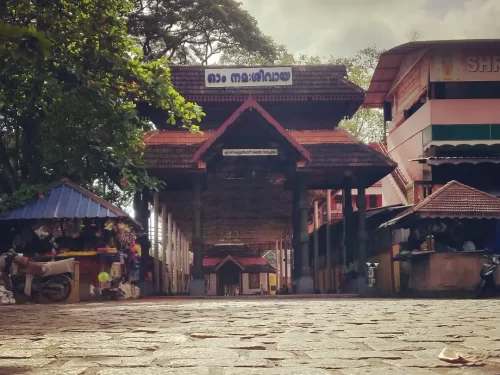 Temple
Ernakulam Shiva Temple
Ernakulam Shiva Temple is a historic temple in Kochi, renowned for its devotion to Lord Shiva and its cultural significance.
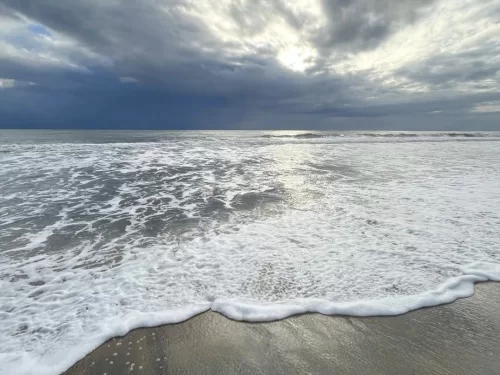 Beach
Beach
Cherai Beach
Cherai Beach is a beautiful coastal destination near Kochi, known for its calm waters, golden sands, and scenic beauty.
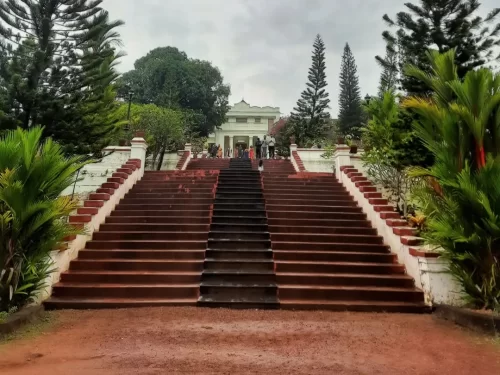 Museum
Hill Palace Museum
Hill Palace is a grand historical palace in Kochi, once the official residence of the Kochi royal family.