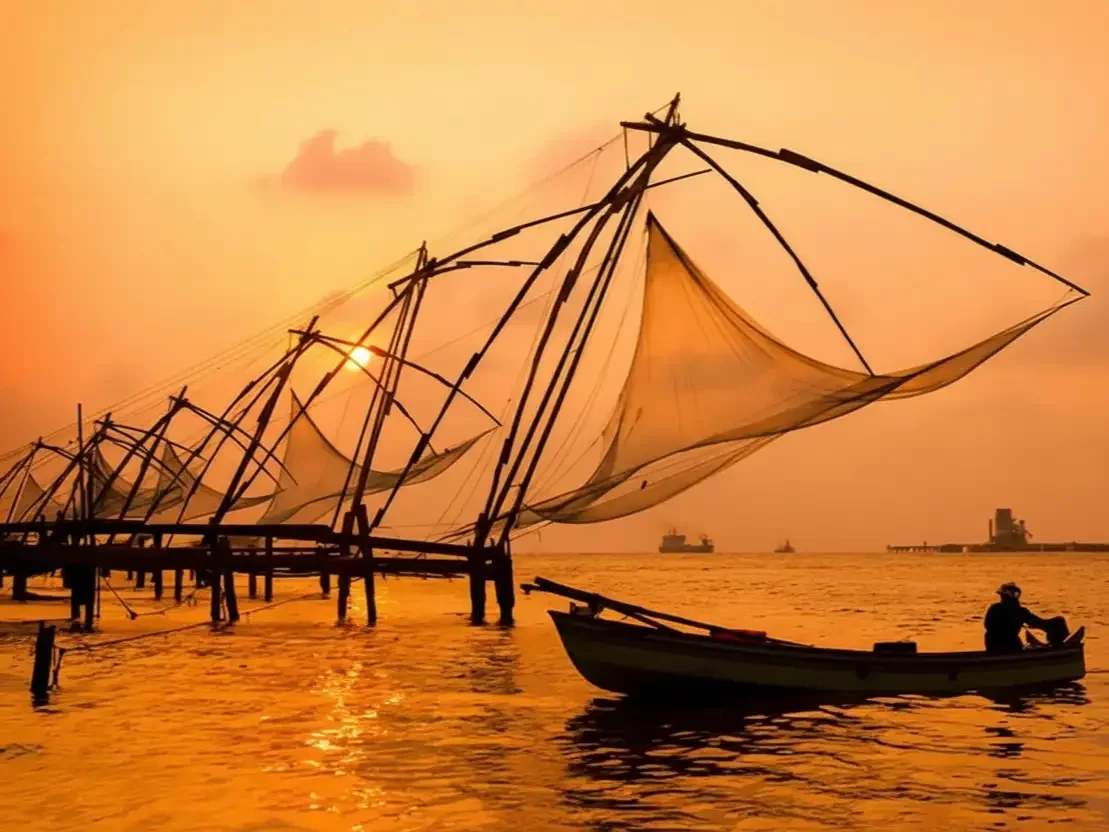
Quick Facts About Fort Kochi
| Entry Fee |
0 |
| Timings |
Open all day (best 7:00 AM – 7:00 PM) |
| Altitude (m) |
5 |
| Ideal Visit Duration (hrs) |
2–4 |
| Best Time of Day |
Morning for heritage walks; evening at Chinese Fishing Nets |
| Crowd Level |
Moderate–High |
| Distance from Ernakulam (km) |
13 |
| Walking Difficulty |
Easy |
| Parking Available |
Limited |
| Last Mile Access |
Taxi/auto/ferry; walkable lanes inside Fort Kochi |
| Suitable for Kids |
Yes |
| Suitable for Seniors |
Yes |
| Wheelchair Friendly |
Yes (main roads accessible; some heritage buildings have steps) |
Why Visit Fort Kochi
Why Visit
Fort Kochi is one of India’s most culturally layered destinations, offering a rare blend of colonial history, coastal life, and artistic expression. Visitors come to explore centuries of global influence—Portuguese, Dutch, and British—woven into churches, streets, and traditions, making Fort Kochi a living museum of India’s maritime past and cultural exchange.
Atmosphere
The atmosphere is relaxed, creative, and distinctly old-world, with tree-lined lanes, heritage buildings, and views of the Arabian Sea. Cafés, art galleries, and homestays add a slow-paced, international feel, while fishermen at the shore and locals going about daily life keep the setting grounded and authentic. Early mornings and evenings are especially atmospheric, with sea breezes and soft light.
What Makes it Special
What makes Fort Kochi special is its seamless coexistence of history and contemporary culture. Iconic Chinese fishing nets line the waterfront, historic churches like St. Francis Church reflect early European presence in India, and the area’s thriving art scene—most notably during the Kochi-Muziris Biennale—adds modern relevance. This blend of heritage, creativity, and coastal charm makes Fort Kochi one of Kerala’s most distinctive and enriching destinations.
History of Fort Kochi
Fort Kochi is a historic coastal settlement located in Kochi city, Ernakulam district, Kerala. Its recorded history began in the late 15th century following the arrival of the Portuguese, who established Fort Emmanuel in 1503 after securing trading rights from the local ruler of the Kingdom of Cochin. This marked the first European colonial foothold in India.
The area later came under Dutch control in 1663, leading to significant changes in fortifications, town planning, and maritime trade infrastructure. During this period, Fort Kochi developed into an important port town connected to global spice trade networks, particularly pepper and other Malabar Coast commodities.
In the late 18th century, the British took control of Fort Kochi, integrating it into the Madras Presidency. Under British administration, the settlement evolved with civic buildings, churches, and residential quarters that reflected European architectural influences. Today, Fort Kochi remains a living record of successive colonial layers, with its streetscape and heritage structures preserving the historical narrative of maritime trade, colonial governance, and cross-cultural exchange along India’s western coast.
Best Time to Visit – Fort Kochi
The best time to visit Fort Kochi in Kerala is from October to March, when the weather is pleasant, humidity is lower, and walking through the historic streets is comfortable. This period is ideal for exploring colonial-era architecture, Chinese fishing nets, art cafés, and cultural spaces without the discomfort of heavy rains or extreme heat.
- October–November: Post-monsoon freshness with greener surroundings and comfortable temperatures—great for sightseeing.
- December–February: Coolest and most popular season—perfect for heritage walks, photography, and cultural events.
- March: Still suitable, though humidity begins to rise—early morning and evening visits are recommended.
- June–September (Monsoon): Heavy rainfall with high humidity; fewer tourists and a quieter atmosphere, but outdoor exploration may be limited.
- April–May (Summer): Hot and humid; sightseeing is best restricted to mornings and late evenings.
Best time of day: 7:00 AM to 10:00 AM for relaxed exploration and photography, or 4:30 PM to 6:30 PM to enjoy sunsets at the Chinese fishing nets and evening cultural performances.
- Experience tip: Winter evenings are ideal for Kathakali and Kalaripayattu performances held across Fort Kochi.
- Photography tip: Sunset hours provide dramatic silhouettes of the Chinese fishing nets against the Arabian Sea.
- Crowd tip: Weekdays are quieter than weekends, especially during peak tourist season.
How to Reach Fort Kochi
Fort Kochi is a historic coastal area in Kochi city, Ernakulam district, Kerala, known for its colonial heritage and waterfront attractions. It is well connected by road, ferry, rail, and air, making it one of the easiest heritage destinations to access in Kerala.
- By Air (Nearest airport): The nearest airport is Cochin International Airport (COK), located about 35–40 km away. From the airport, hire a prepaid taxi or app-based cab directly to Fort Kochi. Travel time usually ranges from 1 to 1.5 hours depending on traffic.
- By Train (Nearest railway stations): The closest major railway stations are Ernakulam Junction (South) and Ernakulam Town (North). From either station, continue to Fort Kochi by taxi, auto-rickshaw, or bus.
- By Road: Fort Kochi is connected by road to central Kochi and nearby towns. KSRTC and private buses run regularly from Ernakulam and surrounding areas to Fort Kochi bus stand. Road travel may take longer during peak hours due to city traffic.
- By Ferry (Popular and scenic option): Government-operated ferries run frequently from Ernakulam Jetty to Fort Kochi Jetty. This is one of the fastest and most scenic ways to reach Fort Kochi, offering views of Kochi Harbour.
- Taxi / Auto-rickshaw: Taxis and auto-rickshaws are easily available throughout Kochi for direct access to Fort Kochi. App-based cab services operate reliably in this area.
- Self-drive: Self-driving is possible, but parking within Fort Kochi can be limited, especially near tourist hotspots. Use designated public parking areas and explore the heritage lanes on foot.
- Travel advisory (EEAT): Ferries may be suspended during extreme weather conditions. Wear comfortable footwear for walking on uneven heritage streets, and plan visits early morning or late afternoon to avoid crowds and heat (Data not officially verified).
What to Expect When You Visit Fort Kochi
Fort Kochi is a historic coastal quarter of Kochi city in Kerala, known for its layered colonial heritage, relaxed seaside atmosphere, and vibrant art-and-culture scene. Expect a slow-paced, walkable experience that blends history, architecture, local life, and cafés rather than fast sightseeing or monument-heavy touring.
- Colonial-era streets and architecture: you’ll walk past Portuguese, Dutch, and British-era buildings, churches, and bungalows that reflect Fort Kochi’s multi-cultural past.
- Chinese fishing nets at the waterfront: these iconic cantilevered nets are a key visual highlight, best seen during sunset when fishermen operate them.
- Strong art and café culture: expect art galleries, heritage cafés, bookstores, and boutique shops that create a creative and international vibe.
- Relaxed, walk-friendly environment: Fort Kochi is best explored on foot or by bicycle, with shaded lanes and minimal traffic compared to central Kochi.
- Living heritage rather than preserved monuments: many historic buildings are still in use, so the experience feels lived-in rather than museum-like.
- Cultural performances nearby: Kathakali and Kalaripayattu shows are commonly held in the area, especially in the evenings.
- Crowds during peak tourist season: December to February can be busy with domestic and international visitors, while weekdays remain calmer.
- Coastal weather conditions: expect humidity and sea breeze; sudden showers are common, especially outside peak winter months.
- Local food and seafood focus: cafés and small eateries often serve Kerala cuisine, fresh seafood, and fusion dishes.
- Ideal for slow exploration: Fort Kochi rewards visitors who take time to wander, observe daily life, and soak in the historic coastal ambiance.
Tip for a smoother visit: explore early morning or late afternoon for pleasant weather and light, keep footwear comfortable for walking, and plan extra time if you want to enjoy cafés, galleries, or cultural performances.
Important Visitor Information – Fort Kochi
- Crowd & Weather Notes: Fort Kochi experiences steady crowds throughout the year, with peak tourist activity from October to March, weekends, and during cultural events like the Kochi-Muziris Biennale. The coastal climate is humid; summers (Mar–May) are hot, monsoon months (Jun–Sep) bring heavy rain and occasional waterlogging, while winters are relatively pleasant.
- Peak / Quiet Hours: Peak hours are late morning to evening, especially around the Chinese Fishing Nets, Fort Kochi Beach, and café areas. Early morning is the quietest time, ideal for walking tours, photography, and visiting heritage streets.
- Dress Code: No strict dress code applies, but light, breathable clothing is recommended due to humidity. When visiting churches or nearby religious sites, modest attire (covered shoulders and knees) is advisable. Comfortable walking footwear is essential.
- Safety Notes: Be cautious near the shoreline, especially during high tide and monsoon season. Watch for uneven pavements in heritage areas and traffic in narrow streets. Keep valuables secure in crowded zones, use authorized transport services, and follow local advisories during heavy rains.
Photography and Viewpoint – Fort Kochi
Fort Kochi, located in Kochi city of Ernakulam district, Kerala, is one of India’s most atmospheric heritage precincts, shaped by Portuguese, Dutch, and British colonial influences. Photography here focuses on historic streetscapes, waterfront life along the Arabian Sea, colonial-era architecture, and cultural details that reflect centuries of maritime trade. The area is especially valued for slow, observational photography that blends people, heritage, and coastal light.
- Best light for photography: Early morning and late afternoon are ideal—morning offers softer light and quieter streets, while sunset creates dramatic skies along the waterfront.
- Chinese Fishing Nets viewpoint: The shoreline near the fishing nets is Fort Kochi’s most iconic photo spot—sunset silhouettes and fishing activity provide strong storytelling frames.
- Heritage street compositions: Wander through Princess Street and surrounding lanes to photograph colonial façades, old doors, balconies, and pastel-colored buildings.
- People & culture storytelling: Capture fishermen at work, café life, artists, and daily street scenes from a respectful distance to convey Fort Kochi’s lived-in heritage.
- Architectural detail shots: Focus on weathered walls, wooden windows, tiled roofs, churches, and Indo-European design elements for texture-rich compositions.
- Wide vs. detail photography: Wide lenses suit street and waterfront scenes, while telephoto or portrait lenses help isolate expressions, nets, and architectural details.
- Monsoon mood photography: During monsoon months, overcast skies and wet streets add dramatic atmosphere and reflections (exact peak visual conditions: Data not officially verified).
- Mobile photography tips: Use gridlines for straight horizons at the waterfront, expose for highlights during sunset, and stabilize shots in low light.
- Crowd & timing awareness: Evenings attract visitors near the nets—arrive early for cleaner frames or embrace crowds for scale and activity.
- Respectful & ethical photography: Ask before close-up portraits, avoid intrusive shots inside places of worship, and be mindful of private residences while photographing streets.
Near By Attraction
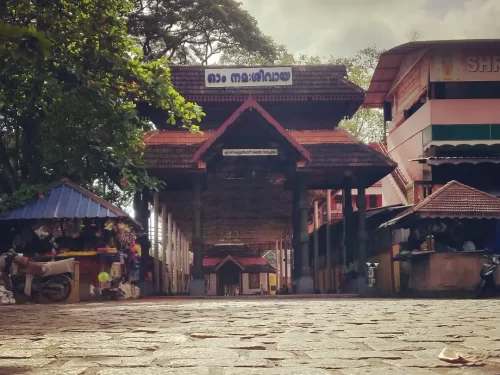 Temple
Ernakulam Shiva Temple
Ernakulam Shiva Temple is a historic temple in Kochi, renowned for its devotion to Lord Shiva and its cultural significance.
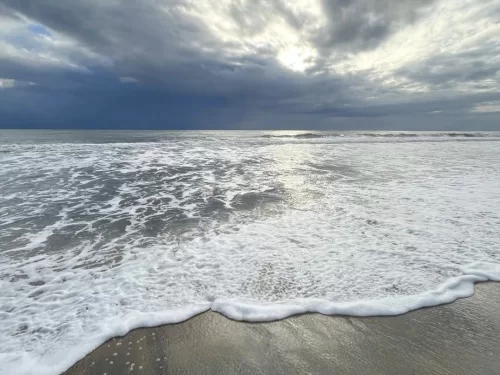 Beach
Beach
Cherai Beach
Cherai Beach is a beautiful coastal destination near Kochi, known for its calm waters, golden sands, and scenic beauty.
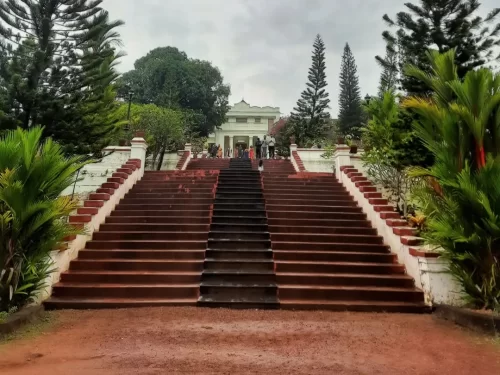 Museum
Hill Palace Museum
Hill Palace is a grand historical palace in Kochi, once the official residence of the Kochi royal family.