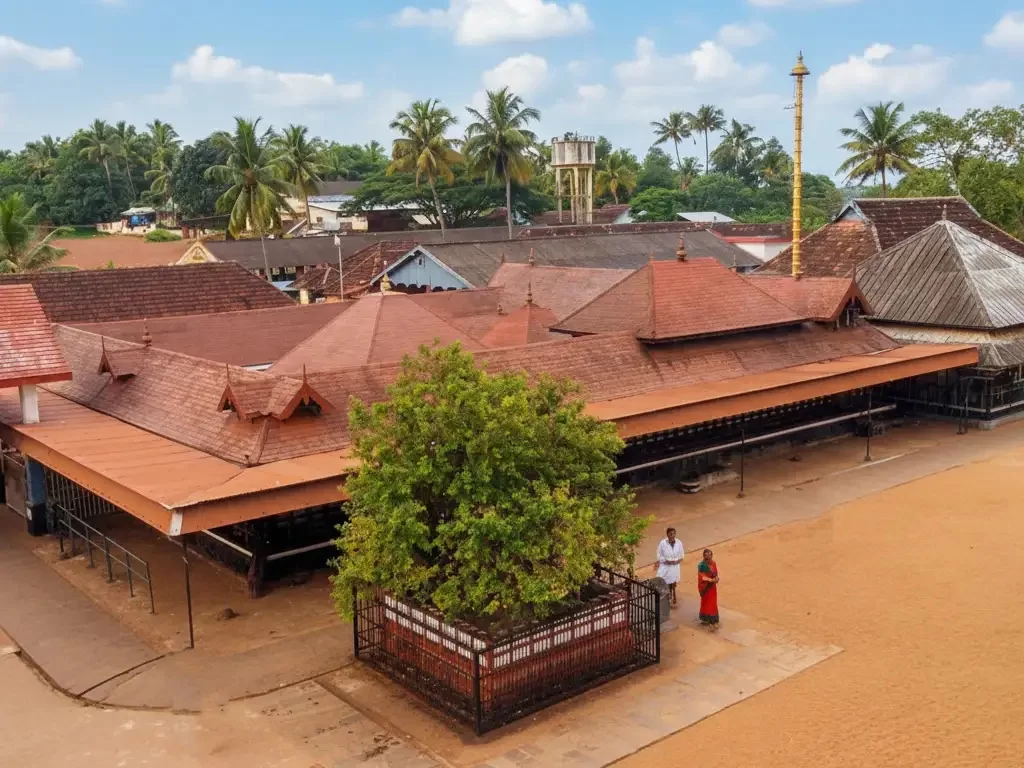
Quick Facts About Chottanikkara Bhagavathy Temple
| Entry Fee |
Free |
| Timings |
04:00 - 20:00 |
| Altitude (m) |
10 |
| Ideal Visit Duration (hrs) |
2 |
| Best Time of Day |
Morning |
| Crowd Level |
High |
| Distance from City Centre (km) |
17 |
| Walking Difficulty |
Easy |
| Parking Available |
Yes |
| Last Mile Access |
Road |
| Suitable for Kids |
Yes |
| Suitable for Seniors |
Yes |
| Wheelchair Friendly |
No |
Why Visit Chottanikkara Bhagavathy Temple Kochi
Why Visit
Chottanikkara Bhagavathy Temple is one of the most revered Hindu temples in Kerala, dedicated to Goddess Bhagavathy worshipped in different forms throughout the day. Visitors come seeking spiritual solace, healing, and blessings, as the temple holds a strong place in popular devotion and ritual practice across Kerala and neighbouring regions.
Atmosphere
The atmosphere is deeply devotional, disciplined, and emotionally charged, shaped by continuous rituals, prayers, and the steady flow of devotees. The temple complex feels calm yet powerful, especially during early mornings and evenings when lamps are lit and chants fill the air. Despite its popularity, the surroundings maintain a sense of order and reverence.
What Makes it Special
What makes Chottanikkara Bhagavathy Temple special is its unique form of worship, where the goddess is revered as Saraswati in the morning, Lakshmi at noon, and Durga in the evening. The temple is also widely associated with faith in healing and relief from mental distress, making it a significant spiritual centre for many devotees. Its traditional Kerala temple architecture and strong ritual continuity add to its enduring religious importance.
History of Chottanikkara Bhagavathy Temple Kochi
Chottanikkara Bhagavathy Temple is located at Chottanikkara near Kochi in Ernakulam district, Kerala, and is one of the most revered temples dedicated to Goddess Bhagavathy in the state. The temple’s origins are traditionally linked to early medieval Kerala, with its establishment associated with local rulers and temple-centered settlements that developed around agrarian and trade routes.
The presiding deity is worshipped in three forms—Saraswati in the morning, Lakshmi at noon, and Durga in the evening—reflecting the evolution of ritual practices over time rather than a single-period foundation. The temple gained prominence as a major centre of Devi worship, drawing devotees from across Kerala and neighboring regions.
Historically, Chottanikkara Temple became especially significant for its association with healing rituals and traditional practices connected to mental and spiritual well-being. Over centuries, royal patronage and community support ensured the temple’s continuity, and today it stands as a historically rooted spiritual institution deeply integrated into Kerala’s devotional landscape.
Best Time to Visit – Chottanikkara Bhagavathy Temple Kochi
The best time to visit Chottanikkara Bhagavathy Temple near Kochi is from October to March, when the weather is pleasant and suitable for temple darshan and rituals. During these months, lower humidity and moderate temperatures make it comfortable for devotees to attend poojas and spend time within the temple complex, which is one of the most revered Shakti temples in Kerala.
- October–November: Comfortable post-monsoon climate—ideal for regular darshan and temple visits.
- December–February: Coolest months—best for early morning and evening worship with minimal weather discomfort.
- March: Still suitable, though daytime warmth increases—morning visits are recommended.
- April–May (Summer): Hot and humid; early morning and evening darshan are more comfortable.
- June–September (Monsoon): Heavy rainfall; temple visits continue, but travel may be slower during intense showers.
Best time of day: 4:00 AM to 10:00 AM and 4:00 PM to 8:00 PM are ideal for darshan, aligning with major pooja timings and offering a spiritually charged yet manageable crowd atmosphere.
- Spiritual insight: Early morning darshan is preferred by devotees seeking a calmer and more focused prayer experience.
- Ritual note: The temple is especially significant during the evening Guruthi pooja, attracting large numbers of devotees.
- Dress code note: Modest traditional attire is recommended in accordance with temple customs.
How to Reach Chottanikkara Bhagavathy Temple Kochi
Chottanikkara Bhagavathy Temple is located at Chottanikkara, about 17 km southeast of Kochi city, in Ernakulam district, Kerala. It is one of the most prominent temples in the region and is well connected by road and rail from Kochi and nearby towns.
- By Air (Nearest airport): The nearest airport is Cochin International Airport, approximately 35 km away. From the airport, hire a taxi or app-based cab to Chottanikkara via Thrippunithura or Ernakulam. Travel time usually ranges from 1 to 1.5 hours depending on traffic.
- By Train (Nearest railway stations): The closest railway stations are Ernakulam Junction (South) and Thrippunithura Railway Station. From either station, continue by taxi or auto-rickshaw to reach the temple.
- By Road: Chottanikkara is well connected by road from Ernakulam, Thrippunithura, and nearby towns. KSRTC and private buses operate frequently toward Chottanikkara. The temple bus stop is located close to the main entrance.
- Taxi / Auto-rickshaw: Taxis and auto-rickshaws are easily available from Kochi city, Thrippunithura, and nearby junctions. Ask for direct drop-off at Chottanikkara Bhagavathy Temple.
- Self-drive: Self-driving is convenient via state highways and city roads. Parking facilities are available near the temple complex, though they can fill up during peak darshan hours and festival days.
- Walking access: Visitors staying in Chottanikkara town can comfortably reach the temple on foot from nearby lodges and bus stops.
- Travel tips (EEAT): Early morning and evening are ideal for darshan. Dress modestly as per temple customs, and expect heavier crowds on Fridays, Sundays, and during major festivals.
What to Expect When You Visit Chottanikkara Bhagavathy Temple Kochi
Chottanikkara Bhagavathy Temple is one of the most revered Hindu temples in Kerala, dedicated to Goddess Bhagavathy worshipped in three forms—Saraswati in the morning, Lakshmi at noon, and Durga in the evening. The visit is deeply devotional and ritual-driven, known for its strong spiritual atmosphere and faith-based traditions rather than architectural grandeur.
- Highly active place of worship: expect continuous movement of devotees throughout the day, with peak intensity during pooja and aarti timings.
- Distinct ritual schedule: the temple is renowned for its specific worship sequence, especially the evening Guruthi pooja, which draws large crowds.
- Strong belief-driven atmosphere: many devotees visit seeking spiritual relief and blessings, shaping a serious and faith-focused environment.
- Traditional Kerala temple architecture: the structure reflects regional temple design with sloping tiled roofs and a functional, open layout.
- Strict temple decorum: modest dress is expected, footwear must be removed, and silence and respectful conduct are essential.
- Crowded during auspicious days: Fridays, Tuesdays, and festival periods see very heavy footfall and longer waiting times.
- Limited photography access: photography is generally restricted within the temple complex—follow temple rules strictly.
- Well-managed darshan flow: despite large crowds, the temple maintains an organized system for darshan and offerings.
- Spiritual focus over sightseeing: the experience centers on prayer and ritual participation rather than exploration or guided tours.
- Easily accessible from Kochi: the temple is well-connected and commonly included in Kochi religious itineraries.
Tip for a smoother visit: arrive early in the morning or well before evening rituals to manage crowds, dress conservatively, and approach the visit with patience and respect for deeply rooted local beliefs.
Important Visitor Information – Chottanikkara Bhagavathy Temple, Kochi
- Crowd & Weather Notes: Chottanikkara Bhagavathy Temple experiences heavy footfall throughout the year, with peak crowds on Fridays, weekends, and during festivals such as Navratri and Makam Thozhal. The region has a humid tropical climate; summers are warm, monsoon months (June to September) bring heavy rain, and winters are relatively comfortable.
- Peak / Quiet Hours: Peak hours are early morning and evening during pooja and Guruthi timings, when devotees gather in large numbers. For a calmer darshan, late morning or early afternoon on weekdays is preferable.
- Dress Code: Modest, traditional attire is strongly recommended. Shoulders and knees should be covered. Men may be expected to follow customary temple practices as per local norms. Footwear must be removed before entering the temple premises.
- Safety Notes: Follow temple rules and instructions from temple authorities, especially during crowded rituals. Be cautious on smooth or wet floors during monsoon. Keep personal belongings secure and maintain silence and decorum within the temple complex.
Photography and Viewpoint – Chottanikkara Bhagavathy Temple Kochi
Chottanikkara Bhagavathy Temple, located at Chottanikkara near Kochi in Ernakulam district, Kerala, is one of the most revered temples dedicated to Goddess Bhagavathy (Rajeshwari/Durga). Set amid a serene temple complex with traditional Kerala-style architecture, the site is known for its spiritual intensity, daily rituals, and large devotee gatherings. Photography here focuses on architectural documentation, devotional atmosphere, and cultural context, with strict adherence to temple customs.
- Photography permissions: Photography is generally restricted inside the inner sanctum and during rituals; always follow temple signage and staff instructions.
- Best light for exterior photography: Early morning and late afternoon provide softer light for capturing the temple façade, entrance areas, and courtyards.
- Architectural composition ideas: Frame sloping tiled roofs, wooden structures, lamp-lined pathways, and temple towers to highlight traditional Kerala temple design.
- Devotional atmosphere shots: Capture wide frames of devotees and temple activity from a respectful distance to convey spiritual energy without intrusion.
- Festival-period visuals: During major festivals and special pooja days, wide compositions of decorations and crowds add strong cultural storytelling value.
- Wide vs. detail photography: Wide lenses suit courtyards and processional spaces, while detail shots focus on lamps, bells, carvings, and temple textures where permitted.
- Mobile photography tips: Use gridlines for straight verticals, expose for shaded temple walls, and avoid flash to maintain sanctity.
- Crowd & timing awareness: Early hours are quieter and better for clean frames; peak ritual times can be visually rich but crowded.
- Dress code & etiquette: Modest attire is expected; photography should never block movement paths or disturb worship.
- Responsible religious-site photography: Prioritize respect over imagery, avoid photographing priests or rituals without permission, and follow all temple guidelines.
Near By Attraction
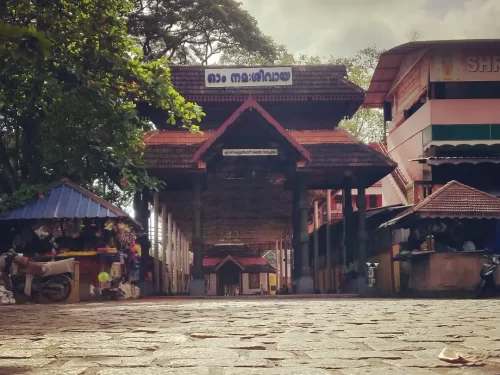 Temple
Ernakulam Shiva Temple
Ernakulam Shiva Temple is a historic temple in Kochi, renowned for its devotion to Lord Shiva and its cultural significance.
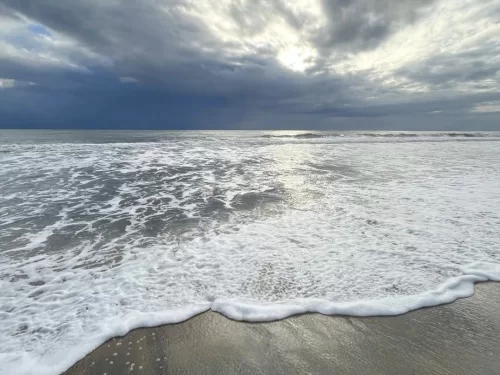 Beach
Beach
Cherai Beach
Cherai Beach is a beautiful coastal destination near Kochi, known for its calm waters, golden sands, and scenic beauty.
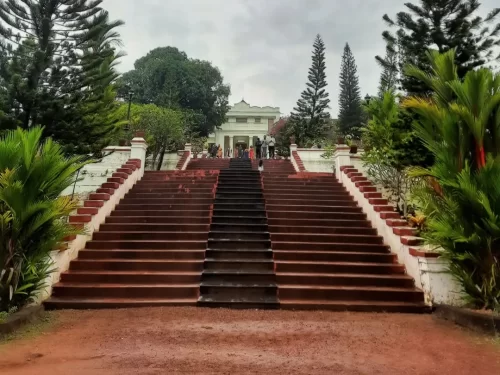 Museum
Hill Palace Museum
Hill Palace is a grand historical palace in Kochi, once the official residence of the Kochi royal family.