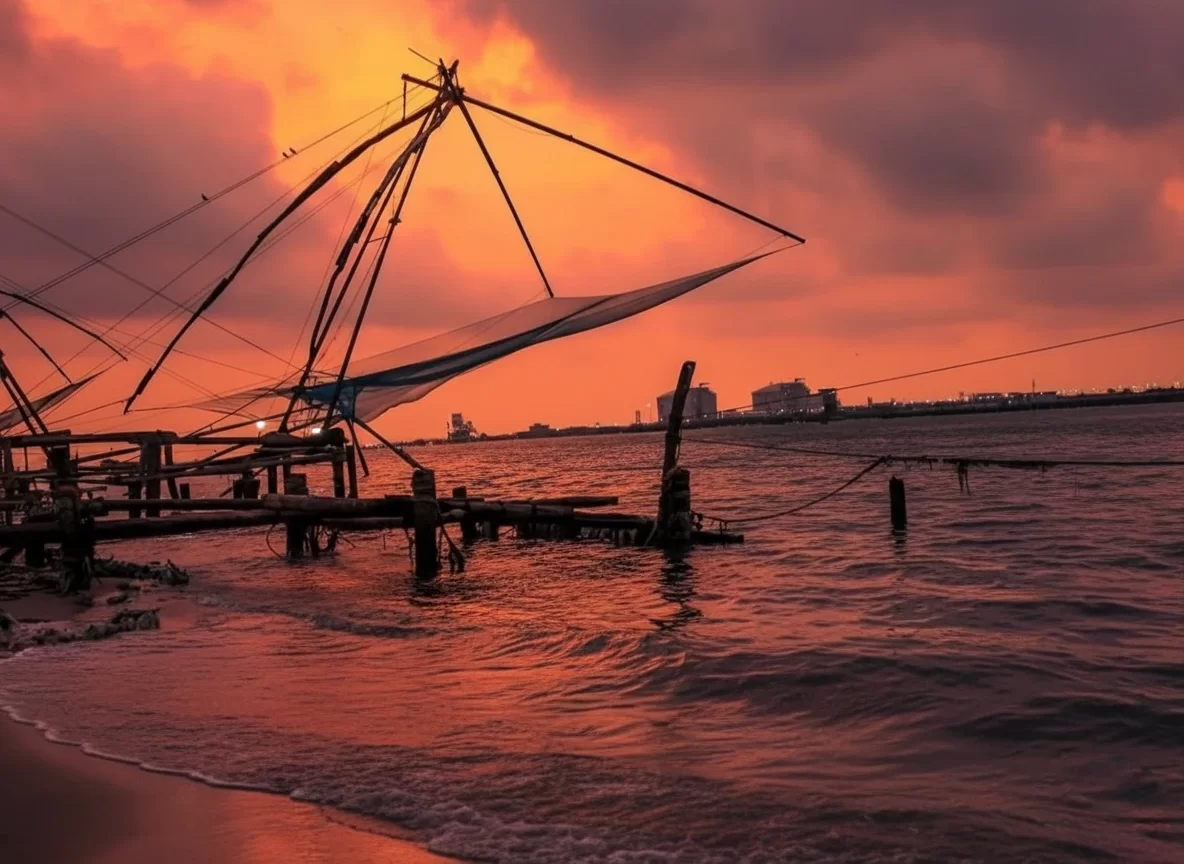
Chinese Fishing Nets, Kochi – The Iconic Coastal Landmark of Kerala

Chinese Fishing Nets , Kochi
The Chinese Fishing Nets, locally known as Cheena Vala, are believed to have been introduced to Kochi by Chinese traders during the medieval period. These massive cantilevered fishing nets line the Fort Kochi shoreline and are operated using a simple counterweight system. Set against the backdrop of the Arabian Sea, they offer a striking visual experience, especially at sunset, and remain one of the most photographed and culturally significant attractions in Kochi.

Quick Facts About Chinese Fishing Nets

Entry Fee 0
Timings Open all day
Altitude (m) 5
Ideal Visit Duration (mins) 30
Best Time of Day Late afternoon to sunset
Crowd Level Moderate
Distance from Ernakulam (km) 13
Walking Difficulty Easy
Parking Available Limited
Last Mile Access Taxi/auto/ferry; short walk
Suitable for Kids Yes
Suitable for Seniors Yes
Wheelchair Friendly Yes (promenade accessible)

Why Visit Chinese Fishing Nets Kochi

Why Visit

The Chinese Fishing Nets of Kochi are among the city’s most recognisable and historically intriguing sights, symbolising centuries of maritime trade and cultural exchange along the Malabar Coast. Visitors come to witness a traditional fishing technique believed to have been introduced by Chinese traders, offering a rare glimpse into a living practice that connects Kochi’s present-day shoreline with its global trading past.

Atmosphere

The atmosphere along the waterfront is calm and rhythmic, shaped by the slow movement of the nets rising and falling against the backdrop of the Arabian Sea. Early mornings and evenings are especially evocative, with soft light, sea breezes, and fishermen at work creating a timeless coastal scene. The area feels relaxed yet purposeful, blending daily livelihood with quiet observation.

What Makes it Special

What makes the Chinese Fishing Nets special is their scale, simplicity, and continued use in a modern city setting. Operated through a system of counterweights and teamwork, the nets reflect an ingenious adaptation to tidal fishing conditions. Their silhouette at sunset has become an enduring visual symbol of Kochi, representing the city’s long history as a meeting point of cultures, trade routes, and coastal traditions.

History of Chinese Fishing Nets Kochi

The Chinese Fishing Nets, locally known as Cheena Vala, are located along the shoreline of Fort Kochi in Ernakulam district, Kerala. Their presence is traditionally attributed to early contact with Chinese traders who operated along the Malabar Coast, with associations often linked to the period of Chinese maritime expeditions across the Indian Ocean.

Historical accounts suggest that the fishing technique and wooden cantilevered structures were introduced through trade exchanges between coastal Kerala and China, though the exact date of their arrival is not conclusively documented. Data not officially verified. The design reflects a shore-operated lift net system, adapted to local tidal conditions and later integrated into the everyday fishing practices of Kochi’s coastal communities.

Over centuries, the nets became a distinctive feature of Kochi’s maritime landscape, symbolizing the city’s long-standing role as a hub of international trade and cultural contact. While their commercial use has declined, the Chinese Fishing Nets remain an enduring marker of historical sea-based exchange and the layered trading history of Kerala’s coastline.

Best Time to Visit – Chinese Fishing Nets Kochi

The best time to visit the Chinese Fishing Nets in Kochi is from October to March, when the weather is pleasant and humidity is lower, making it comfortable to spend time along the Fort Kochi waterfront. This period offers clear skies and calmer sea conditions, allowing visitors to observe the traditional fishing activity and enjoy the coastal atmosphere without heavy rainfall.

  • October–November: Post-monsoon freshness with cooler evenings and clearer views along the shoreline.
  • December–February: Most comfortable season—ideal for walking, photography, and watching fishermen operate the nets.
  • March: Still suitable, though humidity starts increasing—late afternoons are preferable.
  • June–September (Monsoon): Heavy rains and rough sea conditions; fishing activity may be irregular and viewing uncomfortable.
  • April–May (Summer): Hot and humid; short visits during early morning or evening are recommended.

Best time of day: 4:30 PM to 6:30 PM is ideal, as visitors can witness the fishing nets in action during high tide and enjoy iconic sunset views over the Arabian Sea.

  • Experience tip: Late afternoon coincides with active net operation, offering an authentic glimpse into traditional fishing methods.
  • Photography tip: Sunset light creates dramatic silhouettes of the nets against the sea.
  • Crowd tip: Weekday evenings are calmer than weekends and holiday periods.

How to Reach Chinese Fishing Nets Kochi

The Chinese Fishing Nets are located along the Fort Kochi waterfront in Kochi city, Ernakulam district, Kerala. They are situated close to Fort Kochi Beach and are easily accessible by road and ferry, making them a key stop in any Fort Kochi visit.

  • By Air (Nearest airport): The nearest airport is Cochin International Airport (COK), approximately 35–40 km away. From the airport, hire a prepaid taxi or app-based cab directly to Fort Kochi. The fishing nets are a short walk from the main Fort Kochi drop-off points.
  • By Train (Nearest railway stations): The closest major railheads are Ernakulam Junction (South) and Ernakulam Town (North). From either station, take a taxi, auto-rickshaw, or bus to Fort Kochi, then walk along the beach road to reach the fishing nets.
  • By Road: Fort Kochi is well connected by road to central Kochi. KSRTC and private buses run frequently to Fort Kochi bus stand. From the bus stand, the Chinese Fishing Nets are accessible on foot or by a short auto-rickshaw ride.
  • By Ferry (Highly recommended): Government ferries operate regularly between Ernakulam Boat Jetty and Fort Kochi Jetty. From Fort Kochi Jetty, the fishing nets are a pleasant 10–15 minute walk along the waterfront.
  • Taxi / Auto-rickshaw: Taxis and auto-rickshaws are readily available throughout Kochi. Request drop-off near Fort Kochi Beach or the Chinese Fishing Nets area, then walk the final short distance.
  • Self-drive: Self-driving is possible, but parking near the waterfront is limited. Use designated public parking areas within Fort Kochi and explore the beach and fishing net area on foot.
  • Travel advisory (EEAT): Visit early morning or around sunset for the best views and photography. Be cautious near the waterfront, respect the working fishermen, and note that access and activity timings depend on tides and local practices (Data not officially verified).

What to Expect When You Visit Chinese Fishing Nets Kochi

The Chinese Fishing Nets are one of Kochi’s most recognizable coastal sights, located along the Fort Kochi shoreline. These large, cantilevered fishing structures reflect Kochi’s historic maritime connections and are best experienced as a visual and cultural stop rather than a conventional attraction with formal entry or guided tours.

  • Iconic coastal visuals: expect striking views of massive wooden nets silhouetted against the sea, especially atmospheric during sunrise and sunset.
  • Working fishing equipment: the nets are still operated by local fishermen—your visit coincides with real, everyday livelihood activity rather than a staged display.
  • Short, open-air visit: there is no fixed duration or enclosed area; most visitors stop briefly to observe, photograph, and walk along the waterfront.
  • Best seen during net operation: timing varies with tides—when nets are lowered and raised, the experience feels more dynamic and authentic.
  • Crowds in the evening: sunset hours attract heavy footfall, vendors, and photographers, reducing quiet observation.
  • Interaction with local fishermen: visitors may be invited to assist in pulling the nets for a small tip—participation is optional.
  • Sea breeze and humidity: expect strong coastal winds, salty air, and humid conditions—light clothing and sun protection help.
  • Street-side seafood stalls nearby: freshly caught fish is often sold or prepared at nearby stalls—quality and pricing vary.
  • Uneven shoreline surfaces: walk carefully along stone embankments and wet areas, especially during high tide.
  • Part of a larger Fort Kochi walk: the nets are best enjoyed as part of a broader stroll including Fort Kochi Beach, heritage buildings, and cafés.

Tip for a smoother visit: arrive just before sunset to see the nets in action, keep valuables secure in crowds, and be respectful when photographing fishermen at work.

Important Visitor Information – Chinese Fishing Nets, Kochi

  • Crowd & Weather Notes: The Chinese Fishing Nets in Fort Kochi attract heavy crowds, especially in the evenings and during peak tourist season (October to March). The coastal climate is humid; summers are hot, monsoon months (June to September) bring strong winds, rain, and high tides, while winters are more comfortable.
  • Peak / Quiet Hours: Peak hours are late afternoon to sunset when visitors gather for photography and to watch fishing activity. Early morning is quieter and offers a more relaxed experience with fewer crowds.
  • Dress Code: No formal dress code applies. Wear light, breathable clothing and comfortable footwear. If walking near the shore, sandals with good grip are advisable.
  • Safety Notes: Stay clear of moving fishing nets and equipment, especially during operation. Be cautious near the water during high tide and rough seas. Watch your footing on wet or uneven surfaces, keep valuables secure in crowded areas, and follow any local safety advisories.

Photography and Viewpoint – Chinese Fishing Nets Kochi

The Chinese Fishing Nets (Cheena Vala) of Kochi, located along the Fort Kochi waterfront in Ernakulam district, Kerala, are among the city’s most iconic and historically significant visual symbols. Believed to have been introduced by Chinese traders between the 14th and 15th centuries (exact chronology: Data not officially verified), the nets create striking silhouettes against the Arabian Sea. Photography here centers on coastal life, traditional fishing practices, and dramatic sky–sea interactions.
  • Best light for photography: Late afternoon to sunset is ideal, when the nets form strong silhouettes against glowing skies; early morning offers calmer scenes and softer tones.
  • Classic silhouette compositions: Position the nets against the horizon during sunset to capture their distinctive cantilevered structure in high-contrast frames.
  • Fishermen-in-action shots: Time your photos with the lifting or lowering of the nets—these moments add motion, scale, and cultural context.
  • Foreground & depth techniques: Include rocks, shoreline textures, or reflections in wet sand to add layers and depth to wide compositions.
  • Wide vs. telephoto use: Wide lenses capture multiple nets and the coastline, while telephoto lenses isolate individual nets, ropes, and counterweights.
  • Weather & sky storytelling: Cloudy or monsoon skies create dramatic backdrops, while clear evenings emphasize clean silhouettes (exact peak visual conditions: Data not officially verified).
  • Mobile photography tips: Expose for the sky to preserve color at sunset, use gridlines to keep the horizon straight, and stabilize shots in low light.
  • Crowd-aware timing: The promenade gets busy in the evening—arrive early to secure unobstructed angles or use crowds creatively for scale.
  • Ethical people photography: Ask permission for close-up portraits of fishermen, and avoid interrupting work during net operations.
  • Safety & etiquette: Stay clear of moving nets and ropes, watch footing on wet rocks, and follow local guidance near active fishing zones.

Near By Attraction

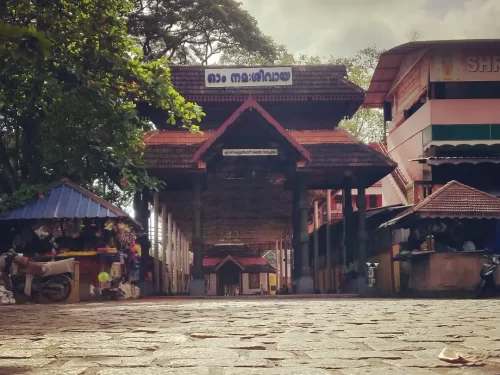
Ernakulam Shiva Temple, Kerala traditional temple entrance with tiled roof and stone pathway Temple

Ernakulam Shiva Temple

Ernakulam Shiva Temple is a historic temple in Kochi, renowned for its devotion to Lord Shiva and its cultural significance.
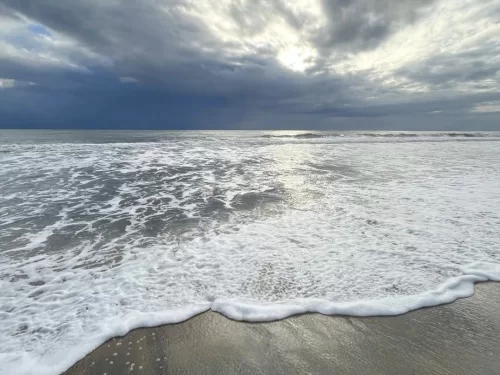
Cherai Beach sunset in Kochi Kerala during dramatic cloudy sky, featuring foaming waves, golden sand, serene Arabian Sea, perfect romantic Cherai Beach tour package.  Beach

Cherai Beach

Cherai Beach is a beautiful coastal destination near Kochi, known for its calm waters, golden sands, and scenic beauty.
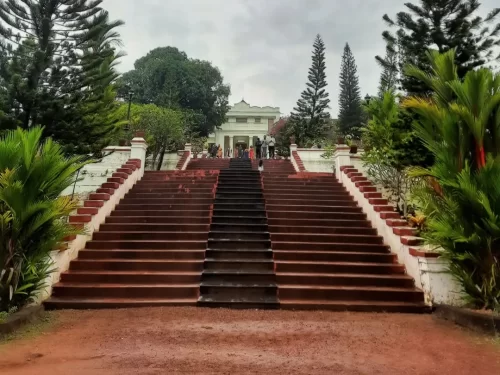
Hill Palace Museum, Tripunithura Kerala heritage palace complex with grand staircase and landscaped gardens Museum

Hill Palace Museum

Hill Palace is a grand historical palace in Kochi, once the official residence of the Kochi royal family.

Frequently Asked Questions About Chinese Fishing Nets

The best time to visit Chinese Fishing Nets is during early morning or sunset when the activity is more visible and lighting is ideal. Cooler hours also make the visit more comfortable.
Chinese Fishing Nets are located along the waterfront area and are easily accessible by road or on foot from nearby heritage streets. The nets are installed close to the shoreline.
There is no entry fee to view Chinese Fishing Nets as they are set up in an open public area. Visitors can watch freely from the promenade.
Most travelers spend 20 to 40 minutes at Chinese Fishing Nets. The stop is usually short and combined with nearby sightseeing spots.
Visitors can often watch local fishermen operate Chinese Fishing Nets during active fishing hours. Timing depends on tide conditions and daily routines.
Photography is allowed at Chinese Fishing Nets for personal use. Sunrise and sunset provide the most scenic background for pictures.
Chinese Fishing Nets are suitable for families because access is easy and does not require trekking. Visitors should supervise children near the waterfront.
Limited street parking is available near Chinese Fishing Nets. During busy travel seasons vehicles may need to park slightly away from the main promenade.
Chinese Fishing Nets can be visited during monsoon when the sea looks dramatic and active. Heavy rain and strong winds may limit visibility and comfort.
Chinese Fishing Nets can be combined with nearby beaches heritage buildings and waterfront walks. These attractions are usually located within short walking distance.

Loved this place ? Let’s Plan Your Kerala Trip

Get customized Kerala tour planning designed around monsoon seasons, backwater cruising routes, hill travel timing, and comfortable coastal stays. Whether you are visiting for houseboat experiences, beach relaxation, wildlife reserves, cultural heritage,

⚡ Quick Response | 💰 Free consultation | 🕒 24×7 expert support

×

Plan Your Trip