All you need to know about Kerala

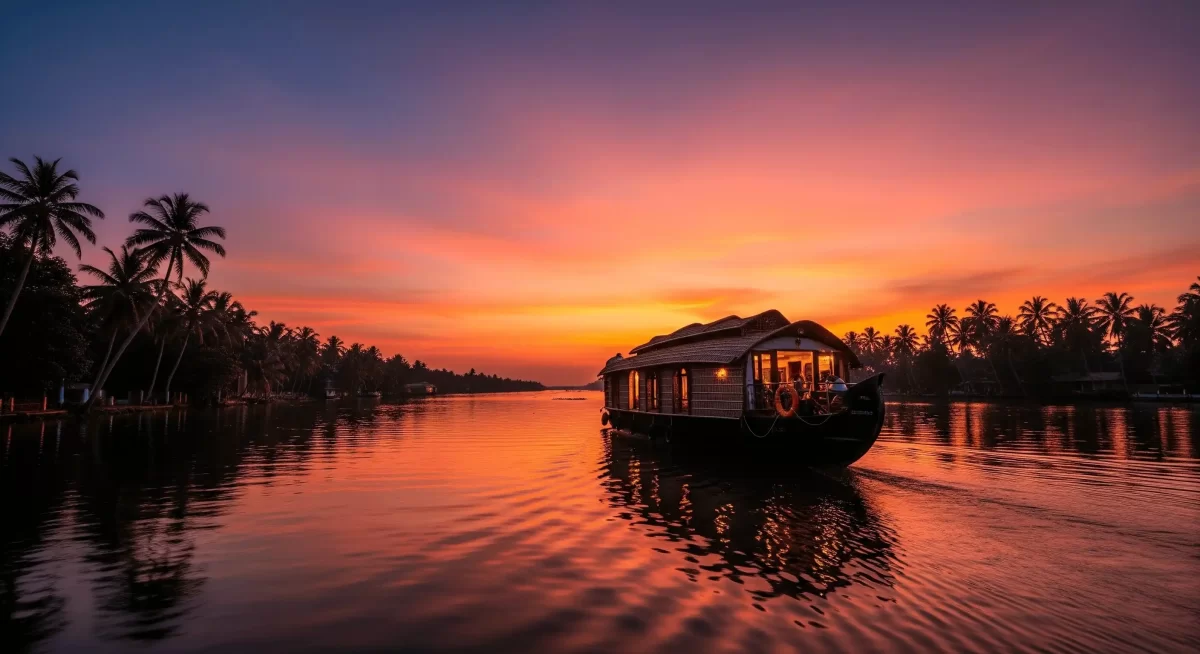
Kerala is a coastal southern state defined by palm-lined backwaters, tropical forests, hill plantations, and a long Arabian Sea shoreline. The landscape shifts from humid coastal plains to cooler highland regions, creating varied travel conditions within short distances. The climate is strongly influenced by monsoon seasons, so timing affects outdoor plans and water-based experiences.

Kerala is known for its relaxed pace, water transport networks, spice-growing regions, and wellness-focused stays. It suits travelers seeking nature-rich environments, coastal scenery, traditional food culture, and slower journeys shaped by waterways and greenery rather than high-altitude terrain.

What Makes Kerala a Unique Travel Region

Kerala stands out for its compact diversity—Arabian Sea coastline, backwater lagoons, spice-growing highlands, and wildlife-rich Western Ghats within short travel distances. Unlike many coastal states, Kerala blends beach landscapes with hill stations, plantation regions, and a strong tradition of Ayurveda. Travel here often includes houseboat routes, monsoon-influenced seasons, and culturally active towns shaped by temple, church, and mosque heritage. The state appeals to travelers seeking slow, scenic journeys supported by well-developed tourism infrastructure and a strong focus on community-based and nature-oriented experiences.

  • Geography: Coastal plains, backwaters, forested hills, and Western Ghats mountain ranges.
  • Culture: Blend of Malayali traditions with historic maritime and religious influences.
  • Travel vibe: Relaxed, scenic, monsoon-shaped, and well-connected.
  • Distinct experience type: Backwater cruises, plantation stays, wildlife reserves, and Ayurveda-based wellness travel.

Types of Destinations You’ll Find in Kerala

  • Tropical coastal regions with beaches, lagoons, and Arabian Sea shoreline
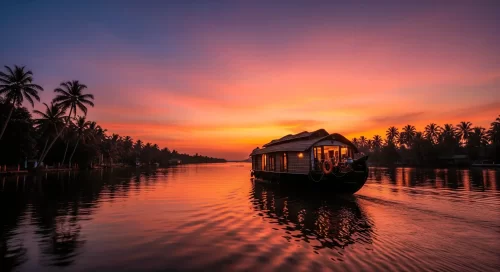
  • Backwater landscapes featuring interconnected canals, lakes, and houseboat zones
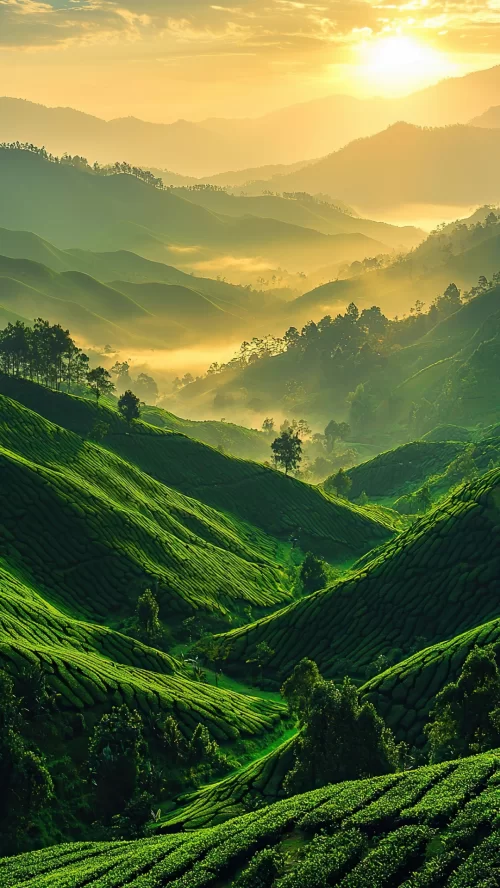
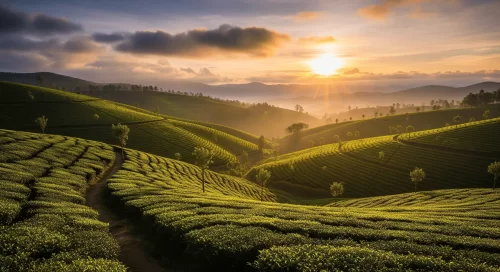
  • Hill regions with tea plantations, forest reserves, and mist-covered slopes
  • Wildlife sanctuaries and protected Western Ghats ecosystems
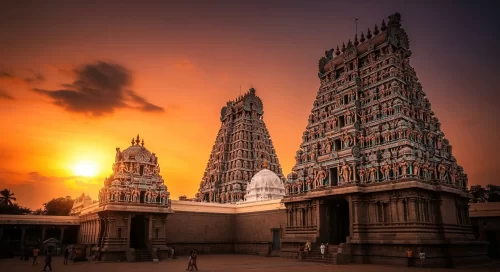
  • Spiritual and heritage areas rooted in temple traditions and classical arts

Popular Tourist Circuits Across Kerala

Travel in Kerala is structured along a north–south coastal stretch with inland hills rising sharply toward the Western Ghats. Although distances are moderate, travel time increases due to narrow hill roads, traffic in urban belts, and monsoon conditions between June and September. The state combines sea-level backwaters with hill regions above 1,500 meters, so climate varies noticeably within short distances. Houseboat schedules, wildlife reserve timings, and seasonal rainfall patterns influence route planning. Practical travel is usually organized in clusters over 5 to 8 days, moving gradually from coast to hills rather than attempting rapid cross-state coverage.

Circuit Type Areas Covered (generic descriptions only, no place names) Ideal Duration (realistic and safety based) Travel Style
Backwater and Coastal Circuit Coastal towns, inland waterways, lagoons, fishing villages 3–4 days Leisure travel with boat stays and short shoreline exploration
Hill Station and Plantation Circuit High-altitude tea plantations, forest reserves, mountain viewpoints 3–5 days Scenic road journey with gradual ascent and light walking trails
Wildlife and Forest Circuit Tropical forests, protected reserves, river valleys, bamboo landscapes 3–4 days Safari-based travel with regulated entry timings
Heritage and Cultural Circuit Historic trading towns, temple complexes, traditional settlements 2–4 days Road-based exploration focused on architecture and local culture
Extended Coast-to-Hills Circuit Coastal belt, backwaters, mid-altitude towns, high mountain plantations 6–8 days Phased journey combining water-based stays and hill travel with weather buffer

Best Time to Travel to Kerala

The best time to travel to Kerala depends on whether you prefer pleasant coastal weather, lush monsoon scenery, or comfortable conditions for backwater and hill experiences.

Season Months Weather Conditions Travel Suitability
Winter October to February Pleasant temperatures, lower humidity, and clear skies Highly suitable for beach stays, backwater cruises, wildlife visits, and relaxed sightseeing with comfortable daytime weather
Summer March to May Warm and humid conditions with occasional pre-monsoon showers Suitable for travelers comfortable with tropical warmth and interested in quieter travel periods
Monsoon June to September Frequent rainfall, lush greenery, and cooler evenings Ideal for travelers who enjoy vibrant landscapes, refreshing rain-washed scenery, and a calm atmosphere

How Many Days Do You Need to Explore Kerala

Trip Duration What You Can Experience Best For
5–6 Days A comfortable introduction covering backwater landscapes, hill regions, coastal stretches, and local cuisine experiences without frequent hotel changes. Short vacations focused on relaxation and scenic diversity.
7–9 Days A well-paced journey combining hill stations, backwaters, wildlife zones, and cultural experiences with balanced travel hours and recovery time. Couples and families seeking variety without rushing between regions.
10–12 Days A deeper exploration across different climatic zones including spice-growing highlands, coastal belts, and forest ecosystems with optional soft adventure activities. Travelers who prefer immersive landscape and culture-based travel.
13–15 Days A slow and comprehensive journey allowing extended stays in each region, seasonal flexibility, and time to absorb Kerala’s natural and cultural rhythm without fatigue. Slow travelers prioritizing comfort, depth, and experiential travel.

How Travelers Usually Explore Kerala

Travelers usually enter Kerala through Kochi, Thiruvananthapuram, or Calicut airports, depending on their planned route. Kochi often serves as the primary base for central Kerala circuits, while Munnar, Thekkady, Alleppey, and Kumarakom function as onward stay hubs. Travel pacing is balanced, with coastal highways and hill roads shaping daily distances. Most itineraries are structured as north-to-south or central hill-to-backwater circuits rather than attempting to cover the entire state in a short visit.

  • Road Travel: The main mode of exploration; private cars, tourist coaches, and state buses connect beaches, hills, and backwaters.
  • Rail: Kerala has a well-developed coastal railway network linking Kochi, Alleppey, Kollam, and Thiruvananthapuram.
  • Local Transport: Auto-rickshaws, taxis, ferries, and houseboats operate within towns and backwater regions.
  • Day Trips vs Circuits: Fort Kochi and Alleppey suit day visits, while Munnar–Thekkady–Backwater combinations work best as multi-day circuits.

Culture, Food & Everyday Life in Kerala

Life in Kerala is shaped by coastal humidity, backwaters, tropical rainfall, and a long agricultural tradition linked to coconut, rice, and spice cultivation. The climate encourages early routines, open ventilation in homes, and strong adaptation to monsoon cycles. Social behavior reflects high literacy, political awareness, and community participation, alongside visible religious diversity coexisting in everyday life. Food habits are influenced by climate and coastline — rice-based meals, coconut, seafood, and lightly spiced preparations designed to suit humid conditions and active lifestyles. The pace of life balances work with social interaction; travelers often experience organized public spaces, conversational warmth, and a grounded rhythm where nature, education, and cultural identity remain closely connected.

  • Tropical, monsoon-influenced daily routines
  • Educated, socially engaged community culture
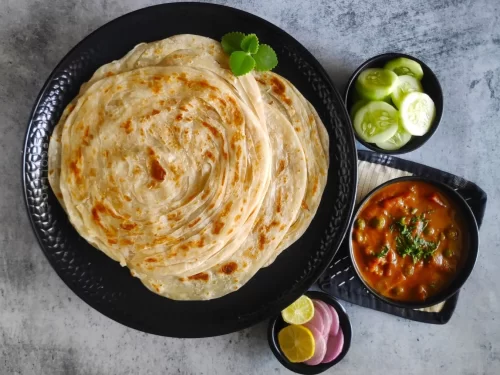
  • Coconut and rice-centered coastal nourishment
  • Balanced, socially interactive pace of life

Festivals & Seasonal Travel Experiences in Kerala

Season Festival / Experience Type Travel Atmosphere
Winter (December–February) Peak backwater cruises, beach season, Theyyam rituals Dry and pleasant weather across Alleppey, Munnar and Kovalam, high tourist movement, clear skies ideal for houseboat stays and coastal travel.
Spring (March–April) Temple festivals with caparisoned elephants, Vishu celebrations Rising temperatures and humidity, active temple grounds especially in Thrissur region, moderate tourist flow before monsoon onset.
Early Monsoon (June–July) Ayurvedic wellness season, monsoon houseboat experience Frequent rainfall, lush green landscapes in Munnar and Wayanad, fewer crowds, traditional monsoon Ayurvedic therapies widely offered.
Peak Monsoon (August–September) Onam festival, Nehru Trophy Boat Race Festive atmosphere statewide, heavy but scenic rains, vibrant cultural events in Alappuzha and Kochi, occasional travel slowdowns due to weather.
Post-Monsoon (October–November) Hill station travel revival, trekking season Improved weather stability, refreshed landscapes, balanced tourist flow, comfortable conditions for wildlife parks and spice plantation visits.

Travel Conditions, Weather & Practical Tips for Kerala

  • Kerala has a tropical climate with high humidity throughout the year. Summers (March to May) are hot and humid, while monsoon arrives in two phases—June to September (southwest monsoon) and October to November (northeast monsoon)—bringing heavy rainfall, especially in coastal and hill regions.
  • Hill stations like Munnar and Wayanad remain cooler than coastal areas such as Kochi and Alleppey. Even in winter, coastal evenings are warm, but mornings in the Western Ghats can feel chilly.
  • Backwater regions and low-lying areas may experience waterlogging during peak monsoon. Boat schedules and outdoor sightseeing can be affected by heavy rain or strong winds.
  • Mobile connectivity is strong across most cities and towns, including major tourist areas. Internet access is generally stable, though remote forest areas and wildlife reserves may have limited signal.
  • Packing should include light cotton clothing, breathable fabrics, sun protection, sandals or comfortable footwear, and rain gear year-round. In hill areas, carry a light jacket for evenings.

Is Kerala Right for Your Travel Style?

  • Families: Excellent choice for relaxed holidays with backwater houseboats in Alleppey, hill stations like Munnar, and beach stays in Kovalam. Travel routes are generally smooth and comfortable.
  • Couples: Strong match for romantic backwater cruises, boutique plantation resorts, and quiet beach sunsets. Ideal for slow-paced, scenic experiences rather than fast itineraries.
  • Seniors: Comfortable for most age groups due to good healthcare access, better road connectivity, and moderate climate in many regions. Hill areas may involve light walking.
  • Adventure Seekers: Suitable for trekking in the Western Ghats, bamboo rafting in Periyar, surfing in Varkala, and monsoon travel experiences. Adventure intensity is moderate rather than extreme.
  • Solo Travellers: Safe and traveler-friendly with strong public transport and hostel culture in Kochi and Varkala. Works well for cultural, culinary, and wellness-focused journeys.

Explore - Place to Visit, Activity to do & Food to try

Varkala Beach Kerala cliff top sunset golden sands Arabian Sea, vibrant orange sun crowds palm trees waves, perfect Kerala Papanasam horizon beach package. Beach

Varkala Beach

Varkala Beach is a unique seaside destination in Kerala, known for its dramatic cliffs overlooking the Arabian Sea.

Chellarkovil Waterfall in Kerala, scenic hilltop cascade surrounded by lush Western Ghats greenery. Waterfall

Chellarcovil Aruvikuzhi Waterfalls

Chellarcovil Aruvikuzhi Waterfalls is a picturesque waterfall near Thekkady, known for its valley views and lush surroundings.

Mangalavanam Bird Sanctuary in Kochi, urban mangrove forest with migratory birds and rich biodiversity. Bird Sanctuary

Mangalavanam Bird Sanctuary

Mangalavanam Bird Sanctuary is a protected mangrove ecosystem in Kochi, known for its urban birdlife and biodiversity.

Unniyappam is a traditional Kerala sweet snack of golden, deep-fried rice and jaggery fritters, delicately flavored with banana and coconut.
Unniyappam
Unniyappam is a small, round, deep-fried snack made from a fermented batter of rice flour, jaggery, and overripe bananas, flavored with cardamom and small bits of fried coconut.
Banana Chips in crispy spiced fried slices with chili seasoning, authentic Indian snack, crunchy Indian cuisine delight
Banana Chips
Banana Chips are thin, crunchy discs of raw starchy bananas deep-fried in pure coconut oil and lightly seasoned with salt and turmeric.
Fish curry features tender fish fillets simmered in aromatic onion-tomato gravy with cilantro garnish, served alongside steamed rice, classic coastal Indian delicacy.
Fish Curry
Meen Curry is a Kerala masterpiece defined by its fiery spice, vibrant red color, and the smoky sourness of Kudampuli (Malabar Tamarind). Traditionally prepared in clay pots, this authentic version skips onions and tomatoes to let the bold flavors of chili and ginger take center stage.

Frequently Asked Questions

Kerala is known for its tropical landscapes, backwaters, beaches, hill regions, rich culture, and relaxed lifestyle, often described as a nature-focused and wellness-oriented destination.
Kerala offers a calm and immersive travel experience centered on nature, wellness, culture, slow travel, and scenic exploration.
Kerala includes coastal belts, backwater regions, hill areas, forest zones, and culturally rich towns that together shape its travel identity.
Signature travel themes include backwater travel, nature exploration, wellness experiences, cultural immersion, and slow-paced journeys.
Yes, Kerala is one of India?s best states for nature and scenic travel, offering lush greenery, water-based landscapes, and diverse ecosystems.
Kerala has a deep cultural heritage reflected in its art forms, architecture, festivals, traditional practices, and community lifestyle.
Kerala?s cultural identity is shaped by classical arts, literature, traditional rituals, local festivals, and a strong connection to nature.
Kerala celebrates several traditional festivals linked to harvest cycles, temple traditions, and cultural performances.
The best time to visit Kerala is from October to March when the weather is pleasant for sightseeing and travel across the state.
An ideal Kerala trip usually requires 7 to 12 days to explore backwaters, hills, coastal regions, and cultural areas comfortably.
Kerala has good road, rail, and air connectivity, allowing smooth travel between different regions within the state.
Kerala is very suitable for family travel, offering safe environments, nature experiences, cultural learning, and relaxed travel conditions.
Kerala suits travelers seeking nature, wellness, cultural depth, scenic beauty, and slower-paced travel experiences.
Yes, Kerala is well known for wellness-focused travel, offering environments suited for relaxation, rejuvenation, and mindful journeys.
Kerala offers a wide range of accommodations including resorts, heritage stays, homestays, eco-lodges, city hotels, and budget options.
Kerala is generally considered very safe for tourists, with good infrastructure and welcoming local communities.
Yes, Kerala is ideal for slow travel, encouraging longer stays and deeper engagement with local culture and nature.
Kerala is often combined with nearby southern states for travelers planning extended cultural and scenic journeys.
Kerala is moderately crowded in peak seasons, while many natural and rural areas remain peaceful and less busy.
Travelers choose Kerala for its natural beauty, cultural richness, relaxed pace, wellness appeal, and balanced travel experience.

Loved this place ? Let’s Plan Your Kerala Trip

⚡ Quick Response | 💰 Free consultation | 🕒 24×7 expert support

×

Plan Your Trip