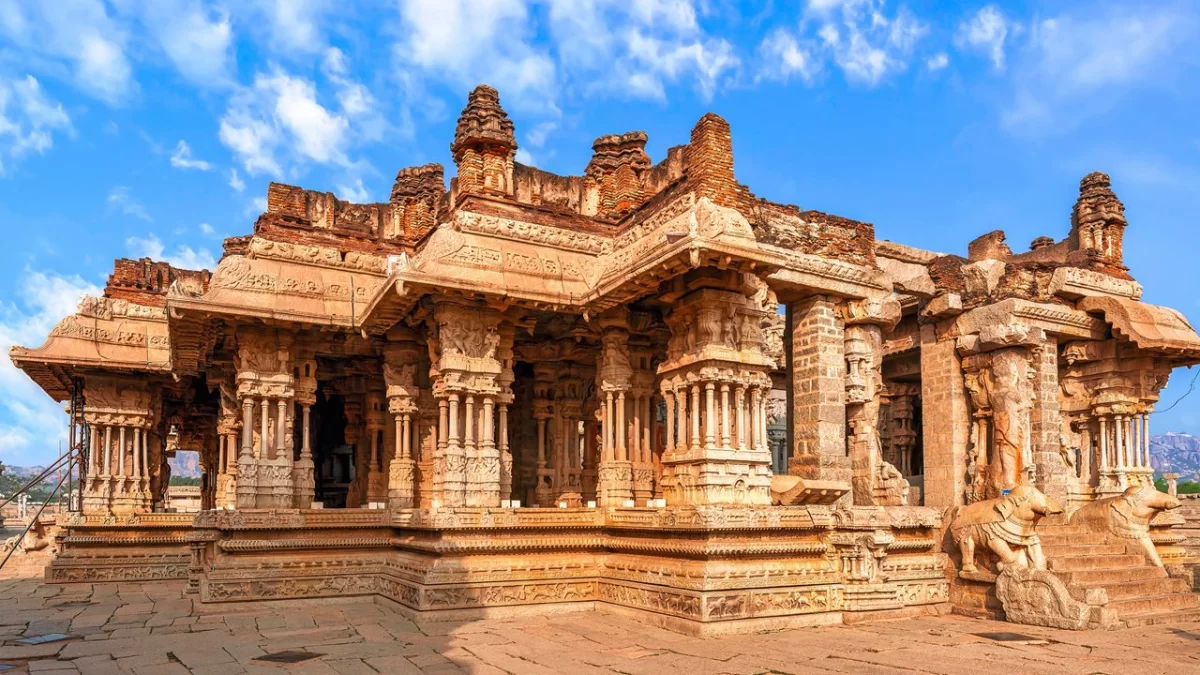
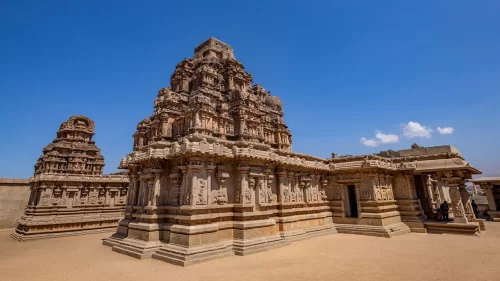
Vittala Temple, Hampi, Karnataka, India

Vittala Temple , Hampi
Visitors come to explore its iconic stone chariot, intricately carved pillars, and the famous musical pillar complex that reflects the architectural excellence of the Vijayanagara Empire. The temple is one of the most important heritage structures in Hampi and a key attraction for history, architecture, and cultural tourism.

Quick Facts About Vittala Temple

Vittala Temple Quick Facts

Entry Fee Included in Hampi monument entry ticket (ASI); no separate fee
Timings Generally open from 6:00 AM to 6:00 PM daily.
Altitude (m) Approximately 700 m above sea level
Ideal Visit Duration 1.5–3 hours
Best Time of Day Early morning for cooler weather and photography at the Stone Chariot.
Crowd Level High; especially during weekends, holidays, and Hampi Utsav season.
Distance from City Centre (km) Approximately 2 km from Hampi Bazaar area.
Walking Difficulty Easy to Moderate; large complex requires walking on stone pathways.
Parking Available Yes, parking is available near the Vittala Temple entrance.
Last Mile Access Direct road access up to parking area followed by a short walk/buggy ride to the temple complex.
Suitable for Kids Yes
Suitable for Seniors Yes
Wheelchair Friendly Partially; buggy service is available, but stone platforms and steps limit full access.

Why Visit Vittala Temple Hampi

Visitors come to Vittala Temple to experience one of the most iconic monuments of Hampi, known for its exceptional stone craftsmanship and historic significance within the Vijayanagara Empire.

The atmosphere is heritage-focused and expansive, with open courtyards, intricately carved pillars, and the famous stone chariot attracting visitors, photographers, and history enthusiasts throughout the day.

What makes Vittala Temple distinct is its musical pillars, highly detailed Dravidian architecture, and its status as a UNESCO World Heritage site landmark, representing the artistic peak of Vijayanagara temple design.

History of Vittala Temple

Vittala Temple, located in Hampi, Karnataka, is one of the most iconic monuments of the Vijayanagara Empire and is dedicated to Lord Vishnu in his form as Vittala. The temple complex was developed between the 15th and 16th centuries during the peak of the Vijayanagara period.

Built under the patronage of the Vijayanagara rulers, the temple is renowned for its exceptional Dravidian architecture, especially its ornate stone chariot, musical pillars, and intricately carved mandapas. These features reflect the artistic and engineering excellence achieved during the empire’s golden age.

Although the Vijayanagara Empire declined after the Battle of Talikota in 1565, the Vittala Temple complex survived and remains one of Hampi’s most visited heritage sites. Today, it is part of the UNESCO World Heritage Site of Hampi, attracting visitors from around the world for its historical and architectural significance.

Best Time to Visit Vittala Temple

Vittala Temple in Hampi is best visited from October to March when the weather is pleasant, making it comfortable to explore the iconic stone chariot, musical pillars, and the vast temple complex within the UNESCO World Heritage site.
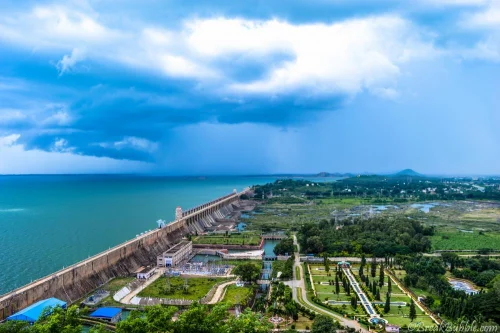
  • Ideal months: October to March is the most favorable period to visit Vittala Temple, offering comfortable temperatures and excellent conditions for heritage exploration and photography.
  • Weather conditions during the best season: Cool mornings, pleasant afternoons, and dry conditions provide ideal weather for walking through the expansive ruins, admiring intricate carvings, and exploring the temple's architectural marvels.
  • Periods to avoid: April to June can be extremely hot in Hampi, making daytime exploration uncomfortable due to exposed rocky terrain and intense sunlight. The monsoon season from July to September brings occasional rainfall, which may make stone pathways slippery and affect sightseeing comfort.

How to Reach Vittala Temple Hampi

  • Nearest Airport: Jindal Vijaynagar Airport (Vidyanagar), located approximately 40 km from Vittala Temple, is the nearest airport. Bengaluru International Airport, about 350 km away, is another major option with wider connectivity.
  • Nearest Railway Station: Hosapete Junction (Hospet), about 13 km away, is the nearest major railway station and offers good connectivity to Bengaluru, Goa, Hyderabad, and other cities.
  • Road Access and Last-Mile Connectivity: Vittala Temple is situated within the UNESCO World Heritage site of Hampi on the banks of the Tungabhadra River. Visitors can reach Hampi by road from Hosapete, Ballari, and nearby towns via well-maintained highways. From the Hampi parking area or bus stand, the temple complex is accessible by auto-rickshaw, bicycle, or on foot. The final approach involves a short walk through the archaeological zone, and internal movement within the complex is pedestrian-only.

What to Expect When You Visit Vittala Temple

  • Environment and Surroundings: Vittala Temple is one of the most iconic monuments in Hampi, known for its stunning stone architecture, intricate carvings, and the famous stone chariot. Set along the banks of the Tungabhadra River, visitors can expect a vast open heritage complex surrounded by ancient ruins and rocky landscapes.
  • Facilities and Amenities: Basic visitor facilities such as ticket counters, guide services, drinking water points, rest areas, and parking are available near the entrance. Additional restaurants, cafés, and accommodation options are located in Hampi village.
  • Accessibility and Movement: The temple complex is accessible by road and requires extensive walking within the heritage site. Visitors should expect paved and uneven stone pathways while exploring mandapas, courtyards, and monument clusters. Battery vehicle services are sometimes available for internal movement within the Hampi zone.
  • Visitor Conditions: Most visitors come for heritage exploration, photography, and architectural appreciation. Crowd levels increase during weekends, holidays, and Hampi Utsav. The site is largely open and exposed, so visitors should be prepared for sun exposure, especially during midday hours.

Important Visitor Information for Vittala Temple

  • Vittala Temple experiences the highest visitor numbers during weekends, public holidays, Hampi Utsav, and the peak tourism season from October to February.
  • Early morning hours generally offer a quieter and more comfortable experience for exploring the iconic stone chariot, musical pillars, and temple complex.
  • Hampi’s climate can be extremely hot during summer, making early morning or late afternoon visits ideal for sightseeing and photography.
  • No specific dress code applies, though comfortable clothing, sun protection, and walking footwear are strongly recommended due to extensive walking across the heritage site.
  • Visitors should follow Archaeological Survey of India guidelines, avoid touching or leaning on ancient carvings, stay within designated visitor paths, and respect preservation rules of the monument.

Photography and Viewpoints at Vittala Temple Hampi

  • The iconic Stone Chariot is the most photographed subject, best captured from the front courtyard where its symmetry, carvings, and backdrop of granite boulders can be perfectly framed.
  • Early morning offers soft light and fewer visitors, making it ideal for photographing the temple complex before crowds gather around the main monuments.
  • The Maha Mandapa and musical pillar hall provide excellent architectural photography opportunities, showcasing intricate Vijayanagara craftsmanship and detailed stonework.
  • The surrounding open platform allows wide-angle shots of the entire Vittala Temple complex, especially effective when capturing the chariot and mandapa together.
  • Golden hour light enhances the texture of the stone structures, bringing out the depth of carvings and the warm tones of the granite architecture.
  • Photography is generally permitted in the exterior monument areas under ASI regulations, but visitors should avoid touching protected structures or climbing on ruins.
  • Hampi Utsav and peak tourist seasons attract large crowds, which can limit access to the best frontal viewpoints of the Stone Chariot and main mandapas.

Near By Attraction

Hazara Rama Temple Archaeological Site

Hazara Rama Temple

Hazara Rama Temple is a historic Hindu temple dedicated to Lord Rama, located within the Royal Enclosure of Hampi, Karnataka, and is part of the UNESCO World Heritage Site.
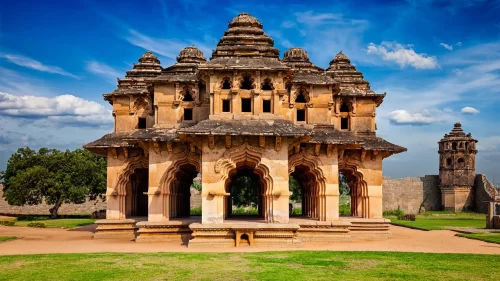
Lotus Mahal Palace

Lotus Mahal

Lotus Mahal is a historic palace structure located in the Zenana Enclosure of Hampi, Karnataka, built during the Vijayanagara Empire and known for its distinctive Indo-Islamic architectural style.

 Archaeological Site

Royal Enclosure

Royal Enclosure is an archaeological complex located in Hampi, Karnataka, that once served as the administrative and ceremonial center of the Vijayanagara Empire.

Frequently Asked Questions About Vittala Temple

Loved this place ? Let’s Plan Your Karnataka Trip

Get customized Karnataka tour planning designed around regional diversity, seasonal weather shifts, road travel distances, and realistic pacing. Whether you are visiting for heritage monuments, temple architecture, hill retreats, wildlife reserves, beach

⚡ Quick Response | 💰 Free consultation | 🕒 24×7 expert support

×

Plan Your Trip