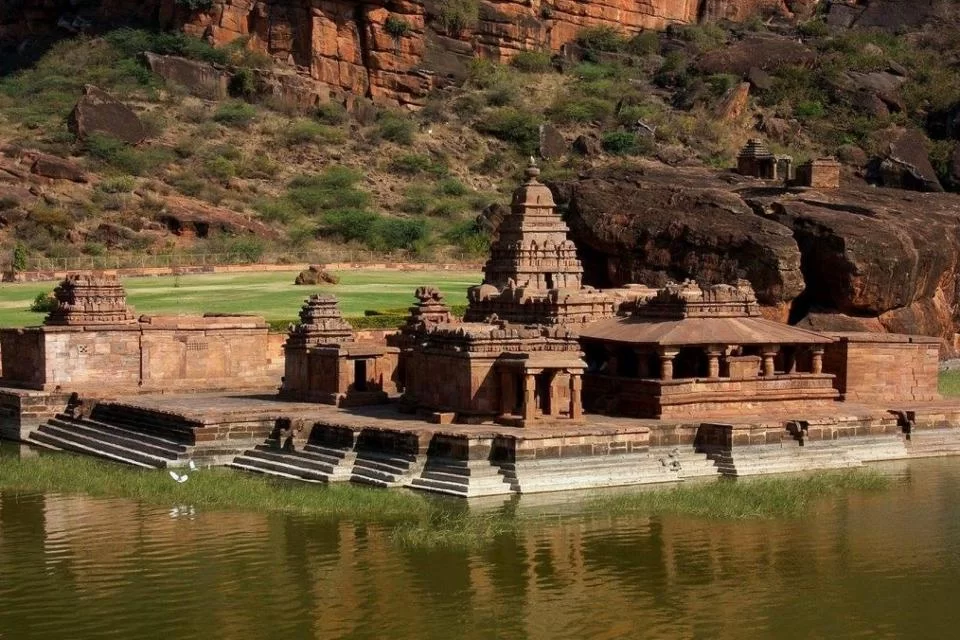
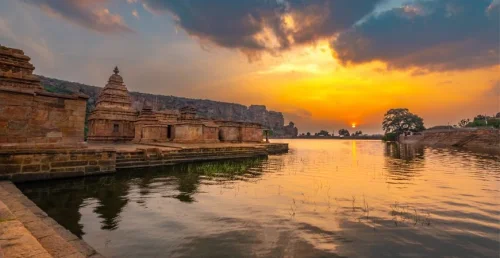
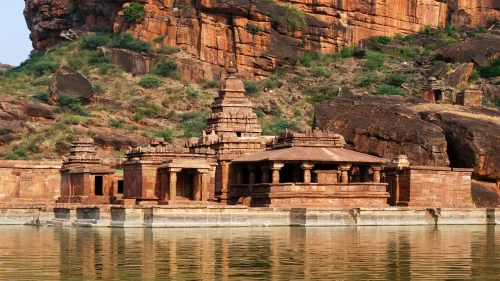
Badami Cave Temples, Badami, Karnataka, India

Badami Cave Temples , Badami
Visitors come to explore four historic caves featuring Hindu and Jain sculptures, intricate carvings, and views of Agastya Lake. Dating from the 6th and 7th centuries, the caves are among the finest examples of early Chalukyan rock-cut architecture in India.

Quick Facts About Badami Cave Temples

Badami Cave Temples, Karnataka Quick Facts

Entry Fee ?25 for Indian citizens; free for children below 15 years; separate rates for foreign visitors
Timings 9:00 AM–5:30 PM (Open daily)
Altitude (m) Approximately 540 m above sea level
Ideal Visit Duration 2–3 hours
Best Time of Day Early morning or late afternoon for cooler weather and better photography
Crowd Level Moderate to high during weekends, holidays, and peak tourist season
Distance from City Centre (km) Approximately 2 km from Badami town centre
Walking Difficulty Moderate; involves climbing around 100 rock-cut steps
Parking Available Yes, paid parking available near the entrance
Last Mile Access Direct road access followed by a short climb via stone steps to the cave complex
Suitable for Kids Yes, with supervision on the steps
Suitable for Seniors Partially; climbing steps may be challenging for visitors with limited mobility
Wheelchair Friendly No; the rock-cut steps and uneven terrain are not wheelchair accessible

Why Visit Badami Cave Temples, Badami, Karnataka

Visitors come to the Badami Cave Temples to explore rock-cut shrines dedicated to Hindu and Jain traditions, featuring intricate carvings, sculpted pillars, and panoramic views over Agastya Lake. The caves are among Karnataka's most significant archaeological and cultural landmarks.

The on-ground atmosphere combines heritage exploration with scenic surroundings, as visitors climb a series of stone steps connecting the caves carved into the red sandstone cliffs. The viewpoints overlooking the lake and historic town add to the experience between cave visits.

What makes the Badami Cave Temples distinct is their exceptional rock-cut architecture integrated into a dramatic sandstone landscape. The combination of multiple cave sanctuaries, detailed early medieval sculptures, and elevated views creates an experience that differs from conventional freestanding temple complexes.

History of Badami Cave Temples, Karnataka

The Badami Cave Temples were excavated during the 6th and 7th centuries CE under the patronage of the Early Chalukya dynasty, which made Badami its capital. Carved into the region's sandstone cliffs, the caves are among the earliest surviving examples of rock-cut temple architecture in southern India.

The four principal caves are dedicated to Hindu and Jain traditions. Three caves feature sculptures of Hindu deities, including Shiva and Vishnu, while the fourth is a Jain cave with carvings of Mahavira and other revered figures, reflecting the religious diversity of the Chalukya period.

Today, the Badami Cave Temples are protected monuments and are celebrated for their exceptional rock-cut sculptures, architectural innovation, and their importance in the artistic and cultural history of early medieval India.

Best Time to Visit Badami Cave Temples, Karnataka

Badami Cave Temples are best visited during the cooler months when comfortable weather makes climbing the rock-cut steps, exploring the ancient cave shrines, and enjoying panoramic views of Agastya Lake more pleasant.
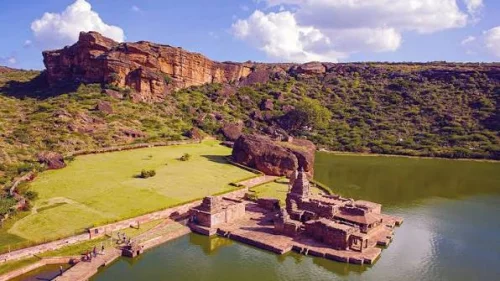
  • Ideal Months: October to February is the most suitable period for visiting, with mild temperatures ideal for sightseeing and photography.
  • Weather Conditions: These months generally offer pleasant weather, clear skies, and comfortable conditions for exploring the sandstone caves and surrounding heritage sites.
  • Periods to Avoid: March to May can be extremely hot, making the climb to the caves tiring. June to September brings monsoon showers that may leave the rock steps slippery, although the landscape becomes lush and scenic.

How to Reach Badami Cave Temples, Karnataka

  • By Air: Hubballi Airport is the nearest airport, located about 110 km from the Badami Cave Temples. The airport has regular flights from major Indian cities. Taxis and rental cabs are available for the onward journey to Badami.
  • By Train: Badami Railway Station is the nearest railhead, situated around 3 km from the cave temples. It is connected to cities such as Bengaluru, Hubballi, Vijayapura, and Solapur. Auto-rickshaws and taxis are readily available outside the station.
  • By Road: The Badami Cave Temples are located in Badami town and are easily accessible via NH 50. KSRTC buses, private buses, and taxis operate regularly from Hubballi, Bagalkot, Pattadakal, Aihole, and Bengaluru. Visitors must climb a series of stone steps to reach the cave temples, so comfortable footwear is recommended, especially during hot afternoons.

What to Expect When You Visit Badami Cave Temples, Badami, Karnataka

  • The Badami Cave Temples are carved into towering red sandstone cliffs overlooking Agastya Lake, with panoramic views of the surrounding heritage town and rock formations.
  • The site comprises four main rock-cut caves featuring Hindu and Jain sculptures, intricate carvings, pillared halls, and ancient inscriptions dating to the Chalukya period. Visitors explore the caves independently using marked pathways.
  • Facilities include ticket counters, parking, restrooms, drinking water, and small shops near the entrance. Additional restaurants and visitor services are available in Badami town.
  • Access involves climbing a series of steep stone steps carved into the hillside. Visitors should be prepared for moderate physical effort, uneven surfaces, and limited accessibility for those with mobility challenges.
  • The caves attract history enthusiasts, pilgrims, photographers, and domestic and international tourists throughout the year. Crowds are generally higher during weekends, public holidays, and the winter tourist season.
  • Photography is permitted in most outdoor and cave areas, but flash photography may be discouraged to help preserve the ancient artwork. Visitors should avoid touching carvings and stay within designated pathways.
  • Summer afternoons can be hot due to exposed rock surfaces, while steps may become slippery during the monsoon. Comfortable footwear, drinking water, and adequate sun protection are recommended for exploring the site.

Important Visitor Information for Badami Cave Temples, Badami, Karnataka

  • The cave temples are busiest during weekends, public holidays, and the October to February tourist season, while weekday mornings generally offer a quieter sightseeing experience.
  • Early morning is the most comfortable time to explore the caves, as the sandstone cliffs become considerably hotter by midday, especially between March and May.
  • There is no formal dress code, but modest clothing and sturdy footwear are recommended due to the steep stone steps, uneven pathways, and active religious significance of some cave shrines.
  • Visitors should use handrails where available and exercise caution on worn rock-cut steps, which can become slippery during the southwest monsoon (June–September).
  • Touching or climbing on ancient carvings and sculptures is prohibited to help preserve the site's archaeological heritage.
  • Monkeys are commonly seen around the cave complex; visitors should keep food secured and avoid feeding or approaching the animals.

Photography and Viewpoints at Badami Cave Temples, Karnataka

  • The stone steps leading to the cave temples provide sweeping views of Agastya Lake, Badami Fort, and the surrounding red sandstone cliffs.
  • The entrances of all four rock-cut caves offer striking compositions featuring intricately carved pillars, sculpted ceilings, and panoramic vistas across the town below.
  • The viewpoint near Cave 4 captures the widest panorama of Agastya Lake, the Bhutanatha Temple complex, and the rugged landscape of Badami.
  • Early morning and late afternoon provide soft natural light that highlights the sandstone carvings and enhances the warm hues of the cliffs.
  • Photography is generally permitted throughout the monument, but flash should be avoided inside the caves to help preserve the ancient artwork and sculptures.
  • Weekends, holidays, and the peak tourist season attract larger crowds, while weekday mornings offer quieter conditions for architectural photography.
  • The climb involves steep stone steps and uneven surfaces, so visitors should wear sturdy footwear and exercise caution while accessing elevated viewpoints.

Near By Attraction

Sri Bhootanatha Gudi Badami Karnataka Temple

Sri Bhootanatha Gudi Badami Karnataka

Sri Bhootanatha Temple is a Hindu temple complex located on the banks of Agastya Lake in Badami, Karnataka.

Frequently Asked Questions About Badami Cave Temples

Loved this place ? Let’s Plan Your Karnataka Trip

Get customized Karnataka tour planning designed around regional diversity, seasonal weather shifts, road travel distances, and realistic pacing. Whether you are visiting for heritage monuments, temple architecture, hill retreats, wildlife reserves, beach

⚑ Quick Response | πŸ’° Free consultation | πŸ•’ 24Γ—7 expert support

×

Plan Your Trip