All you need to know about Karnataka

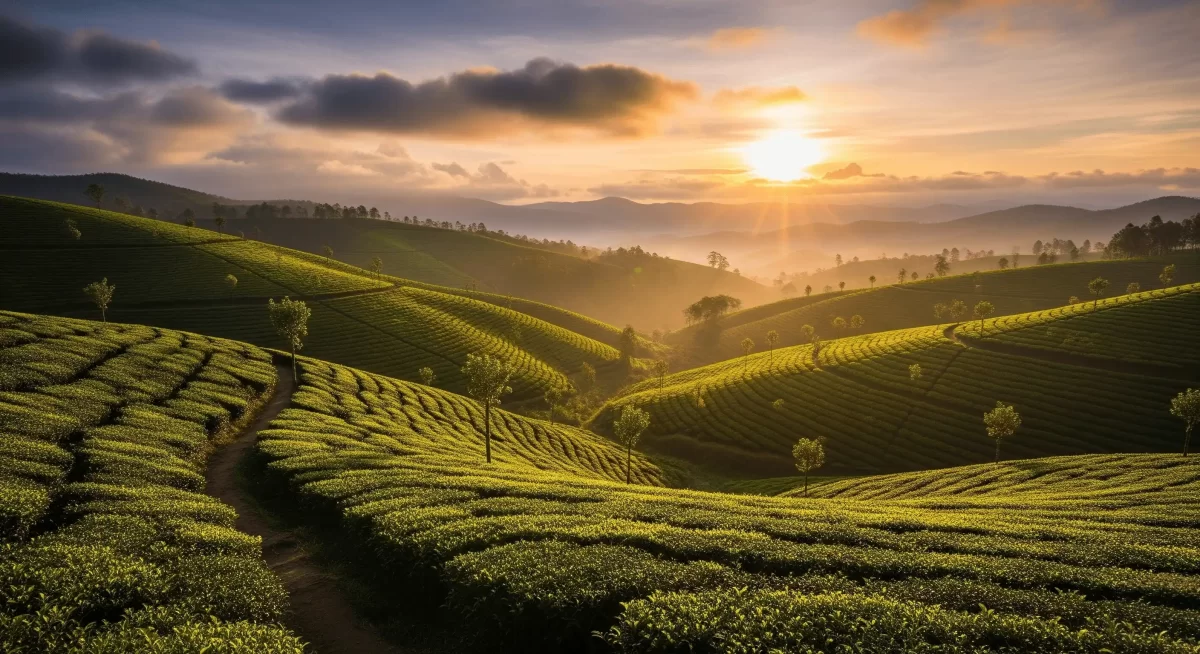
Karnataka is a geographically diverse southern state offering coastal stretches, forested hills, plateau landscapes, and heritage-rich interiors within one region. The terrain shifts from humid seaside belts to cooler highland zones and dry inland plains, creating varied travel climates across seasons. Monsoon months bring heavy rain to coastal and hill areas, while interiors remain comparatively drier.

The state appeals to travelers seeking a mix of nature, wildlife reserves, coffee-growing landscapes, and architectural heritage settings without extreme altitudes. Karnataka suits those looking for balanced journeys that combine greenery, culture, and varied terrain in a single travel circuit.

What Makes Karnataka a Unique Travel Region

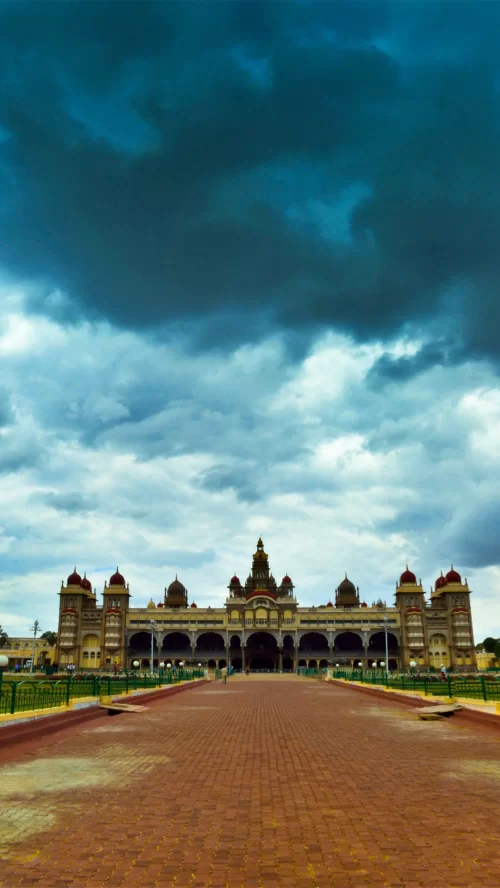
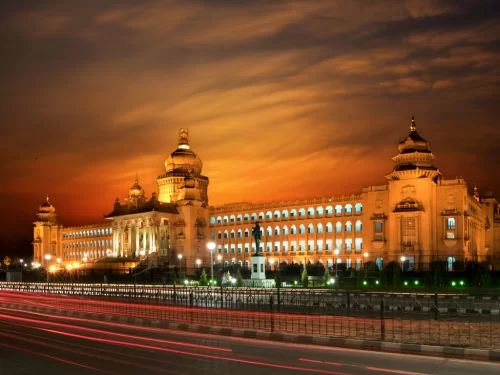
Karnataka spans multiple geographic zones within one state—Western Ghats forests, Deccan plateau landscapes, historic temple towns, and a long Arabian Sea coastline. Unlike single-theme destinations, travel here shifts between wildlife reserves, UNESCO-listed heritage sites, coffee-growing hill districts, and beach towns. The state carries layers of dynastic architecture from the Vijayanagara and Hoysala periods alongside modern urban centers. Karnataka appeals to travelers who want variety within manageable distances, combining cultural depth, ecological diversity, and structured tourism infrastructure.

  • Geography: Western Ghats mountains, plateau interiors, river valleys, and coastal belts.
  • Culture: Dravidian temple architecture, royal heritage, and strong regional linguistic identity.
  • Travel vibe: Diverse, well-connected, historically layered, and nature-inclusive.
  • Distinct experience type: Heritage exploration, wildlife safaris, hill district stays, and coastal travel circuits.

Types of Destinations You’ll Find in Karnataka

  • Coastal stretches along the Arabian Sea with beaches, estuaries, and fishing harbours
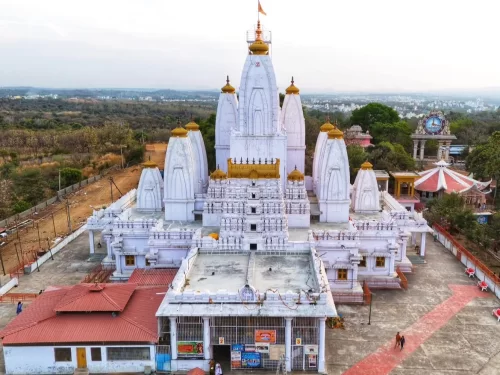
  • Historic heritage regions shaped by temple architecture and former royal capitals
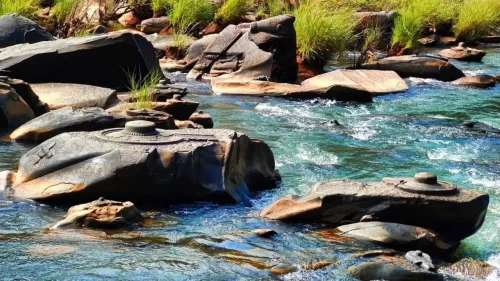
  • Western Ghats hill zones with forests, waterfalls, and plantation landscapes
  • Wildlife reserves and national parks across dry deciduous and evergreen ecosystems
  • Arid plateau landscapes marked by granite hills and semi-dry terrain

Popular Tourist Circuits Across Karnataka

Travel in Karnataka is structured around distinct geographic belts: coastal plains, forested Western Ghats, central heritage zones, and dry northern plateaus. Distances between regions are significant, and highways connect clusters rather than forming short loops. The Western Ghats receive heavy rainfall during monsoon, which can affect road conditions and trekking access. Summer heat is intense in interior plateau regions, while hill districts remain cooler. Wildlife reserves operate under regulated safari timings. Practical planning focuses on one regional cluster at a time over 4 to 6 days rather than attempting coast, hills, and northern heritage areas in a compressed schedule.

Circuit Type Areas Covered (generic descriptions only, no place names) Ideal Duration (realistic and safety based) Travel Style
Coastal and Temple Circuit Arabian Sea coastline, temple towns, fishing harbors, beach stretches 3–4 days Leisure road travel with coastal drives and short explorations
Western Ghats Hill and Waterfall Circuit Mountain passes, coffee plantations, rainforest belts, seasonal waterfalls 4–5 days Scenic hill journey with light trekking and monsoon awareness
Heritage and Ruins Circuit Historic capitals, ancient temple complexes, rocky landscapes 3–5 days Road-based exploration focused on architecture and history
Wildlife and Forest Circuit Protected tiger reserves, river forests, grasslands 3–4 days Safari-based travel with fixed entry slots and forest regulations
Extended Cross-Region Circuit Coastline, hill ranges, heritage zones, and interior plateaus combined gradually 7–10 days Phased journey across climatic zones with seasonal planning

Best Time to Travel to Karnataka

The best time to travel to Karnataka depends on whether you prefer comfortable sightseeing weather, lush monsoon landscapes, or clear skies for coastal and heritage exploration.

Season Months Weather Conditions Travel Suitability
Winter October to February Pleasant temperatures, lower humidity, and clear skies across most regions Highly suitable for heritage visits, wildlife experiences, hill exploration, and coastal travel with comfortable daytime weather
Summer March to May Warm temperatures in plains with comparatively cooler conditions in elevated areas Suitable for travelers planning hill retreats or early morning sightseeing during warmer months
Monsoon June to September Regular rainfall, misty hills, and refreshed greenery Ideal for nature lovers who enjoy vibrant landscapes, waterfalls in full flow, and a peaceful travel atmosphere

How Many Days Do You Need to Explore Karnataka

Trip Duration What You Can Experience Best For
5–6 Days A focused journey covering heritage architecture, hill landscapes, and coastal or forest experiences at a manageable pace without long daily drives. Travelers planning a short break with a mix of culture and nature.
7–9 Days A balanced exploration across varied terrain including historical sites, coffee-growing highlands, wildlife zones, and relaxed coastal stretches. Couples and families seeking diversity without rushing transitions.
10–12 Days A broader journey allowing time for multiple ecosystems, ancient monuments, forest reserves, and scenic hill drives with adequate rest between travel days. Travelers who prefer immersive exploration over quick coverage.
13–15 Days A comprehensive and slow-paced experience covering remote regions, cultural depth, and varied climatic zones with flexibility for seasonal weather changes. Explorers and slow travelers prioritizing regional understanding and landscape diversity.

How Travelers Usually Explore Karnataka

Travelers usually enter Karnataka through Bengaluru International Airport or major railway stations such as Bengaluru and Mysuru. Bengaluru often serves as the primary starting point, with onward circuits toward Mysuru, Coorg, Hampi, Chikmagalur, or the coastal belt. Travel pacing varies by region—highways in the plains allow faster movement, while hill stations and heritage zones require slower drives. Most itineraries are designed region-wise, combining heritage, wildlife, hills, or coastal stretches rather than covering the entire state in one trip.

  • Road Travel: Primary mode of exploration; private cars and state-run buses connect Bengaluru, Mysuru, Hampi, Coorg, and coastal towns.
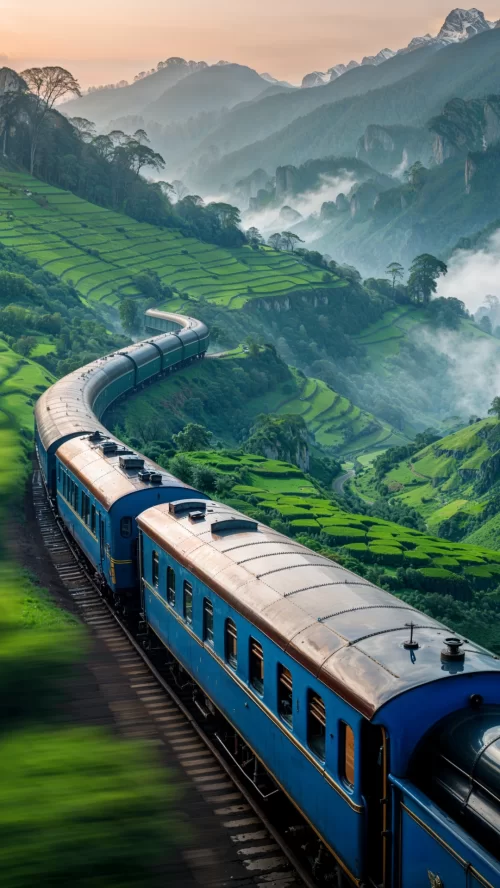
  • Rail: Strong railway connectivity between major cities including Bengaluru, Mysuru, Hubballi, and Mangaluru.
  • Local Transport: Taxis, auto-rickshaws, and app-based cabs operate in cities; hill regions rely more on hired vehicles.
  • Day Trips vs Circuits: Mysuru and Coorg can be explored as short breaks from Bengaluru, while Hampi, Badami, and coastal Karnataka require multi-day circuits.

Culture, Food & Everyday Life in Karnataka

Life in Karnataka shifts with its varied geography — coastal humidity, fertile river basins, dry interiors, and elevated plateaus all shape daily rhythms differently. Agriculture, trade, technology, and traditional crafts coexist, creating a society that balances heritage with modern ambition. Climate influences routines, from early coastal mornings to slower afternoon breaks in warmer regions. Social behavior tends to be respectful and structured, with strong regional pride expressed through language, music, and local customs. Food habits reflect ecological diversity — rice, millets, lentils, coconut, and seasonal produce form balanced meals suited to both humid and semi-arid zones. The overall pace ranges from relaxed rural settings to fast-moving urban corridors, yet travelers often notice cultural rootedness beneath visible modernization.

  • Geographically diverse lifestyle patterns
  • Blend of tradition and technology-driven growth
  • Rice and millet-based regional food habits
  • Balanced rhythm between heritage and progress

Festivals & Seasonal Travel Experiences in Karnataka

Season Festival / Experience Type Travel Atmosphere
Winter (December–February) Hampi Utsav, peak wildlife safari season Pleasant weather across Hampi, Mysuru and Bandipur, clear skies for heritage exploration, strong tourist movement in cultural and wildlife circuits.
Spring (March–April) Ugadi celebrations, temple festivals Rising daytime temperatures, active temple towns like Udupi and Dharmasthala, moderate tourist flow before peak summer heat.
Summer (May–June) Coorg and Chikmagalur hill retreat season Warm conditions in plains like Hampi and Badami, cooler climate in Western Ghats, steady domestic travel to coffee estates and hill regions.
Monsoon (July–September) Jog Falls peak flow, Western Ghats monsoon trails Heavy rainfall in coastal and Ghats districts, waterfalls in full volume, slippery trekking paths, fewer tourists in heritage zones.
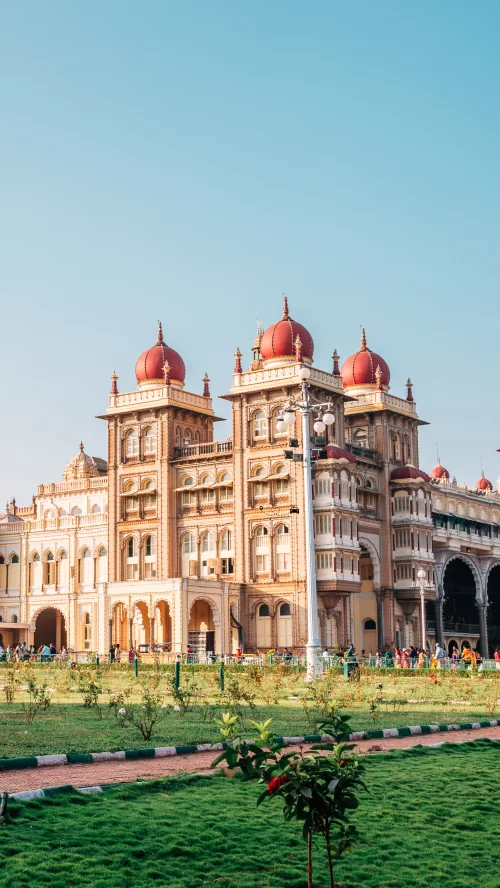
Autumn (October–November) Mysuru Dasara, post-monsoon trekking Festive atmosphere in Mysuru with royal processions, improved road conditions, balanced tourist flow ideal for heritage and hill circuits.

Travel Conditions, Weather & Practical Tips for Karnataka

  • Karnataka’s climate varies by region. Coastal areas like Mangaluru are humid and warm year-round, Bengaluru has a moderate climate, while hill stations such as Coorg and Chikmagalur are cooler, especially in evenings. Summers can be hot in interior regions like Hampi and Badami.
  • Monsoon (June to September) brings heavy rainfall to the Western Ghats, affecting road travel to hill regions and waterfalls. Some trekking trails may close temporarily due to safety concerns.
  • Heat exposure can be intense in archaeological sites like Hampi, where shade is limited. Carrying water and planning visits during early morning or late afternoon helps avoid peak sun.
  • Mobile connectivity is strong in cities and major towns. However, forest reserves, remote ghats, and interior trekking routes may have weak or no signal. Internet access is stable in urban centers.
  • Packing should include breathable clothing for coastal and heritage zones, a light jacket for hill areas, rain protection during monsoon, comfortable walking shoes for uneven temple complexes, and sun protection for open landscapes.

Is Karnataka Right for Your Travel Style?

  • Families: Well-suited for families with diverse interests—heritage sites in Hampi, wildlife safaris in Kabini, beaches in Gokarna, and hill stations like Coorg. Road connectivity is generally good across major circuits.
  • Couples: Strong fit for coffee estate stays in Coorg, quiet beaches, sunset viewpoints, and heritage town exploration. Offers both relaxed and culture-focused travel options.
  • Seniors: Comfortable in cities like Mysuru and Bengaluru with good medical access. Some heritage sites like Hampi involve uneven terrain and require moderate walking.
  • Adventure Seekers: Suitable for trekking in the Western Ghats, white-water rafting in Dandeli, surfing in Gokarna, and wildlife experiences in Nagarhole.
  • Solo Travellers: Safe and easy to navigate with strong bus and rail networks. Popular among backpackers exploring Hampi, Gokarna, and Chikmagalur.

Explore - Place to Visit, Activity to do & Food to try

Madikeri Fort at Madikeri Coorg during sunny day, featuring white arched building, red roof, courtyard, trees, perfect cultural experience Karnataka tour packages. Fort

Madikeri Fort

Madikeri Fort is a historic fort in the heart of Coorg, known for its colonial architecture and scenic surroundings.

Bengaluru Karnataka at Bannerghatta National Park safari Zoo

Bannerughatta Biological Park

Bannerughatta Biological Park is a large conservation and wildlife park located on the outskirts of Bengaluru.

Iskcon Temple Banglore. ISKCON Sri Radha Krishna Temple with white gopuram and blue glass façade in Bengaluru, Karnataka. Temple

Iskcon Temple Banglore

A large Vaishnavite temple and cultural complex dedicated to Lord Krishna, operated by the International Society for Krishna Consciousness (ISKCON).

Surfing activity with a surfer riding a powerful ocean wave at sunset, silhouetted against golden light with water splashing dramatically around the surfboard.
Price: ₹1,500 – ₹3,500 PP
Gokarna
Surfing
Flying Fox person gliding on a zipline harness with arms stretched wide above lush green forest background.
Price: ₹800 – ₹2,500 PP
Coorg
Ziplining
River Rafting adventure with team paddling inflatable raft through thrilling white water rapids.
Price: ₹1,200 – ₹2,500 PP
Gokarna
River Rafting
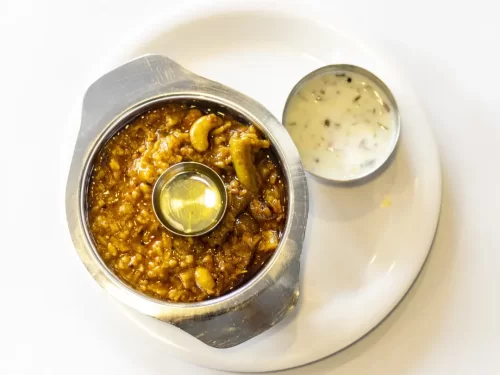
Bisi Bele Bath in spicy lentil rice stew with cashew garnish and yogurt side, authentic Indian Karnataka one-pot meal, steaming hot delight.
Bisi Bele Bath
Bisi Bele Bath is a wholesome, spicy, and tangy one-pot meal from Karnataka, made by slow-cooking rice, lentils (toor dal), and a variety of vegetables with a unique, hand-ground spice blend.
Neer Dosa with soft rice crepes served on banana leaf alongside spicy fish curry and pomegranate, authentic Indian South Indian coastal cuisine delight.
Neer Dosa
Neer Dosa (literally "Water Dosa" in Tulu) is a delicate, lace-like crêpe originating from the Udupi-Mangalorean (Tuluva) cuisine of Karnataka. Unlike traditional dosas, it is made from a very thin, watery batter of soaked rice without any fermentation, resulting in a snow-white, silky-soft texture that melts in the mouth.
Dosa, a crispy fermented rice-lentil crepe served with coconut chutney, sambar and assorted sides, iconic South Indian breakfast staple.
Dosa
In Karnataka, the Dosa (pronounced Dose locally) is treated as a culinary art form. While Tamil Nadu is known for thin, paper-like crepes, Karnataka is famous for its thick, buttery, and incredibly crisp varieties, most notably the legendary Benne Dose and the iconic Mysore Masala Dose.

Frequently Asked Questions

Karnataka is known for its rich history, diverse landscapes, ancient temples, royal heritage, forests, hill regions, and vibrant cultural traditions.
Karnataka offers a well-balanced travel experience combining heritage exploration, nature travel, spiritual journeys, and urban cultural experiences.
Karnataka includes coastal belts, heritage regions, forested areas, hill zones, and cultural centers that together shape its travel identity.
Signature travel themes include heritage tourism, temple travel, nature exploration, wildlife experiences, and cultural discovery.
Yes, Karnataka is one of India?s strongest states for cultural and heritage tourism, with ancient architecture, historical sites, and traditional art forms.
Karnataka has strong spiritual importance through ancient temples, religious traditions, and long-standing pilgrimage practices.
Karnataka?s cultural identity is shaped by classical arts, historical dynasties, regional traditions, festivals, and linguistic diversity.
Karnataka celebrates cultural and seasonal festivals that reflect local traditions, religious practices, and community life.
The best time to visit Karnataka is from October to March when the weather is pleasant for travel across most regions.
An ideal Karnataka trip usually requires 8 to 14 days to explore multiple travel zones at a relaxed pace.
Karnataka has strong road, rail, and air connectivity, making it easy to plan multi-city and multi-zone travel.
Karnataka is suitable for family travel, offering safe destinations, cultural learning opportunities, and varied landscapes.
Karnataka suits travelers interested in heritage, culture, nature, wildlife, and diverse travel experiences.
Yes, Karnataka is well suited for wildlife and nature tourism, offering forests, national parks, and biodiversity-rich regions.
Karnataka offers accommodations including heritage hotels, forest lodges, hill resorts, city hotels, and budget stays.
Karnataka is generally safe for tourists, with good infrastructure, organized tourism services, and welcoming communities.
Yes, Karnataka is ideal for slow travel, allowing visitors to engage deeply with culture, nature, and local life.
Karnataka is often combined with nearby southern states for extended cultural and landscape-based journeys.
Karnataka can be busy in major hubs and heritage zones, while many natural and rural areas remain calm.
Travelers choose Karnataka for its rich heritage, cultural depth, scenic diversity, wildlife, and well-rounded travel experiences.

Loved this place ? Let’s Plan Your Karnataka Trip

⚡ Quick Response | 💰 Free consultation | 🕒 24×7 expert support

×

Plan Your Trip