+91 9910402252
admin@chalbanjare.com


| Entry Fee | 15 |
| Timings | 08:00 - 18:00 |
| Altitude (m) | 1750 |
| Ideal Visit Duration (hrs) | 1 |
| Best Time of Day | Morning |
| Crowd Level | Moderate |
| Distance from Srinagar (km) | 75 |
| Walking Difficulty | Easy |
| Parking Available | Yes |
| Last Mile Access | Walk |
| Suitable for Kids | Yes |
| Suitable for Seniors | Yes |
| Wheelchair Friendly | No |
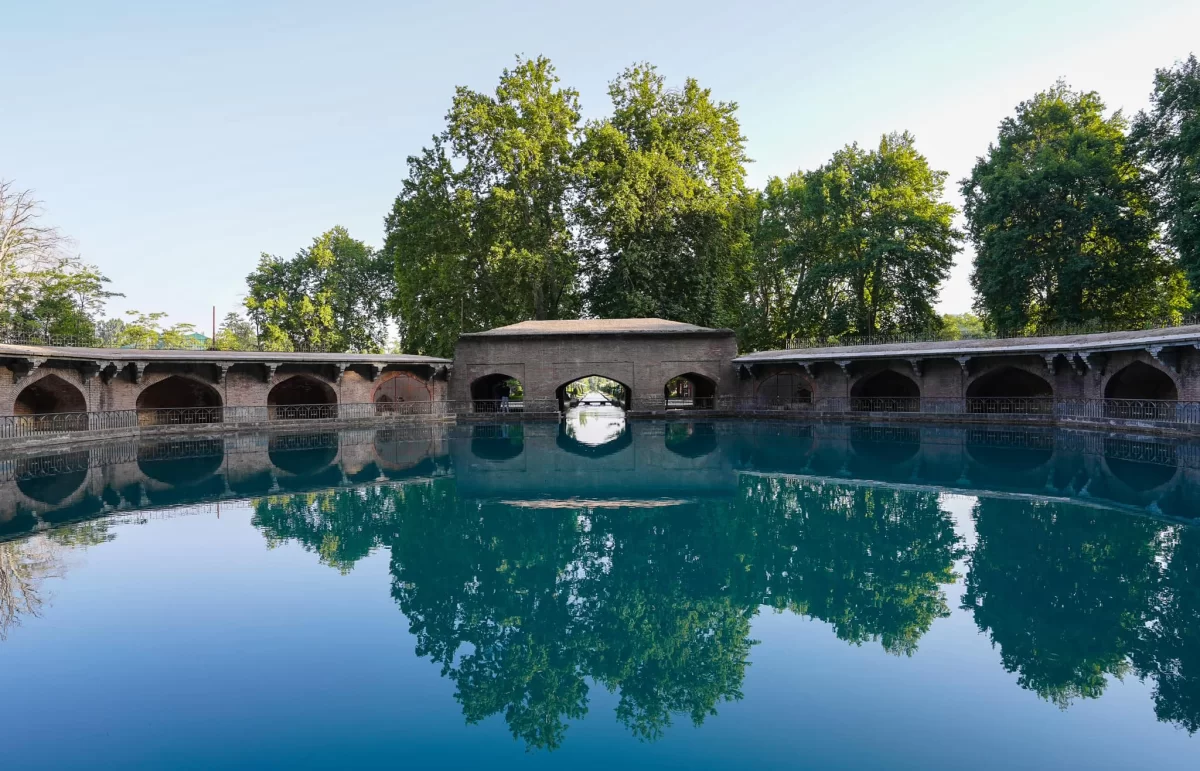
Visitors come to Verinag Spring to see the natural freshwater source that forms the Jhelum River, set within a Mughal-style garden. It attracts travelers who appreciate a combination of natural hydrology and landscaped surroundings in a compact, accessible location.
The on-ground atmosphere is tranquil and shaded, with stone-lined pools, flowing water channels, and well-maintained gardens. The area feels calm and organized, providing an easy stroll for visitors while enjoying the spring and its surroundings.
What makes Verinag Spring distinct for travelers is its clear water source coupled with historical garden elements, offering both a natural and cultural experience. It suits visitors who want a short, scenic stop with photography opportunities and peaceful ambiance.
Verinag Spring has been historically revered as the source of the Jhelum River and has long held both practical and religious significance for the Kashmir Valley. The Mughal Emperor Jahangir ordered the construction of the octagonal stone tank and surrounding garden in the early 17th century, blending functional water management with Mughal architectural aesthetics.
The spring has been a pilgrimage and leisure site for centuries, with local folklore associating it with purity and healing properties. Its Mughal-era garden layout reflects a classical charbagh style, integrating the natural spring with terraced landscaping for aesthetic and ceremonial purposes.
Verinag’s historical relevance lies in its dual role as a source of life-sustaining water and as a Mughal-era architectural and cultural site. Unlike natural springs without formal development, Verinag combines natural, religious, and imperial heritage, making it a historically significant landmark in Kashmir.
Verinag Spring is best visited when water flow is abundant and the surrounding Mughal garden is fully accessible, as seasonal variations affect both the spring’s clarity and walking conditions.
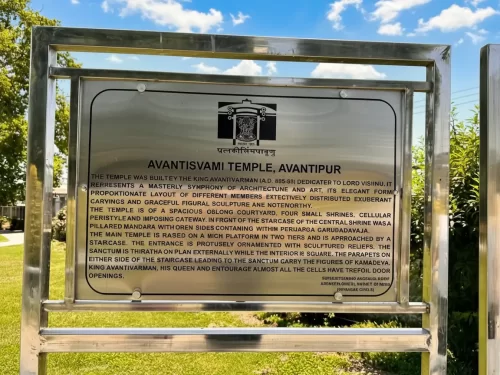 Archaeological Site
Avantipura Ruins are the remains of two 9th-century Hindu temples built by King Avantivarman in present-day Awantipora, Pulwama district.
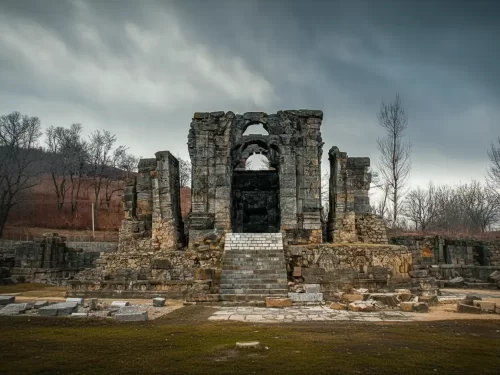 Temple
Martand Sun Temple is an 8th-century Hindu temple dedicated to the Sun God, located near Anantnag in Jammu and Kashmir.
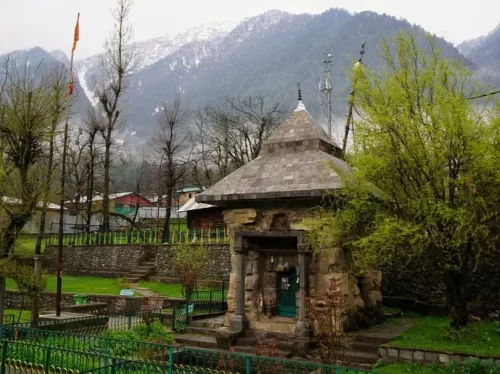 Temple
Mamaleshwar Temple is an ancient Hindu temple dedicated to Lord Shiva, located near the Lidder River in Pahalgam, Anantnag district of Jammu and Kashmir.
Get customized Jammu and Kashmir tour planning designed around seasonal weather patterns, valley travel routes, snow conditions, and realistic hill road timing. Whether you are visiting for scenic landscapes, serene lakes, spiritual journeys, meadow stays
⚡ Quick Response | 💰 Free consultation | 🕒 24×7 expert support

