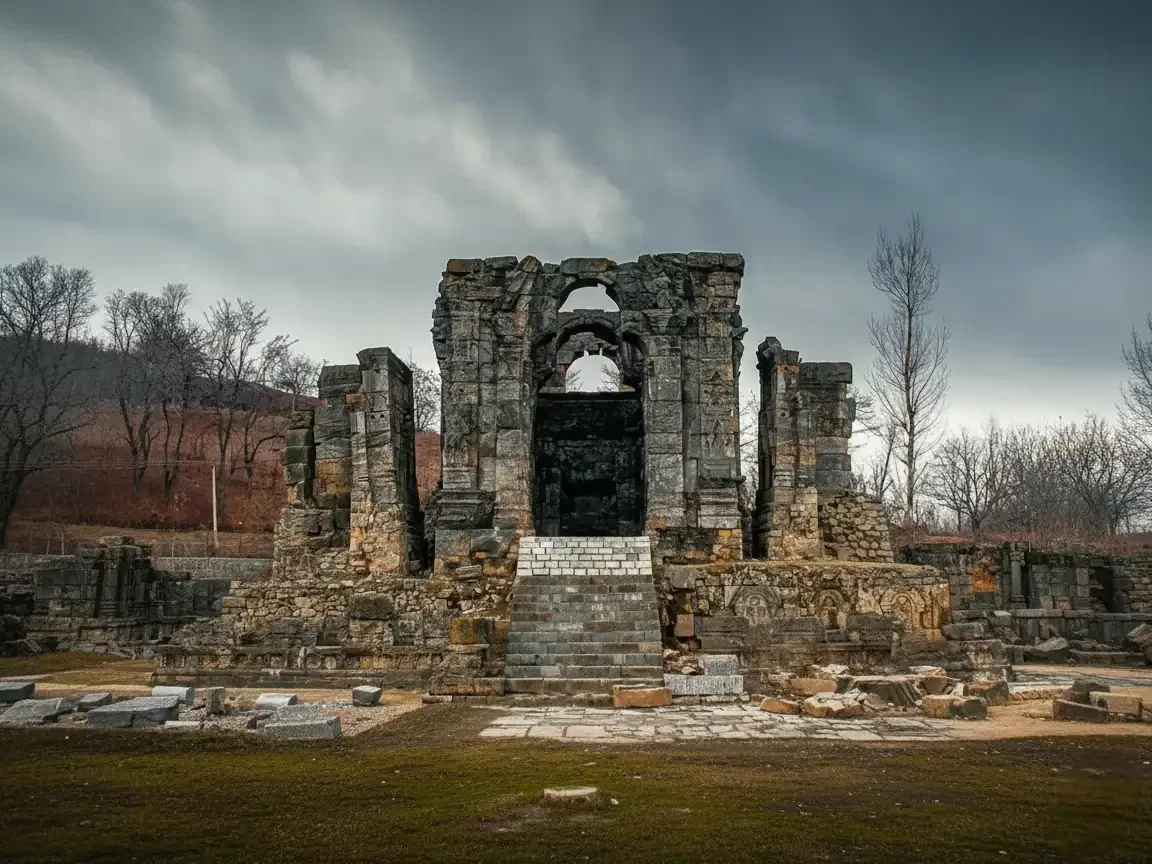
Martand Sun Temple Anantnag Jammu and Kashmir | Ancient Surya Temple Ruins

Martand Sun Temple , Pahalgam
Tourists visit Martand Sun Temple to explore its grand stone architecture from the Karkota dynasty, study early Kashmiri temple design, and view the elevated plateau setting overlooking the Kashmir Valley.

Quick Facts About Martand Sun Temple

Entry Fee 25
Timings 06:00 - 18:00
Altitude (m) 2200
Ideal Visit Duration (hrs) 2
Best Time of Day Morning
Crowd Level Moderate
Distance from Anantnag (km) 35
Walking Difficulty Moderate
Parking Available No
Last Mile Access Walk
Suitable for Kids Yes
Suitable for Seniors No
Wheelchair Friendly No

Why Visit Martand Sun Temple in Anantnag

Visitors come to Martand Sun Temple to witness the remains of one of Kashmir’s most significant ancient Hindu temples, admired for its architectural design and open-air setting. It attracts travelers interested in archaeology, heritage, and panoramic hill views.

The on-ground atmosphere is quiet and contemplative, with wide open spaces around the temple ruins and minimal modern interference. The elevated location offers expansive views of the surrounding valley, enhancing the sense of historical and cultural immersion.

What makes Martand Sun Temple distinct for travelers is its blend of historical significance and scenic backdrop, providing both a cultural experience and photography opportunities. The site stands out for its partially preserved stone carvings and the alignment that reflects ancient solar worship practices.

History of Martand Sun Temple, Anantnag

Martand Sun Temple was constructed in the 8th century CE during the reign of King Lalitaditya Muktapida of the Karkota dynasty. It is dedicated to Surya, the Sun God, and represents one of the earliest examples of Kashmiri Hindu temple architecture.

The temple showcases a unique blend of Gandharan, Gupta, and Kashmiri architectural styles, featuring a large colonnaded courtyard and intricate stone carvings. It was designed as a high-elevation sanctuary, symbolically connecting the deity with the rising sun over the surrounding plains and mountains.

Martand Sun Temple held significant religious importance in the region until it was destroyed in the 15th century by Sultan Sikandar. Today, its ruins remain a testament to the artistic and cultural achievements of early medieval Kashmir, attracting both history enthusiasts and architectural scholars.

Best Time to Visit Martand Sun Temple

Martand Sun Temple is best visited during the warmer months when the skies are clear, the surrounding valley is visible, and the site is safely accessible. Weather conditions significantly affect both travel and the experience of exploring this ancient ruin.

  • Ideal months: March to October, with April to September offering the most comfortable temperatures for sightseeing and photography.
  • Weather during the best season: Mild to warm days, low rainfall, clear visibility of the temple and surrounding landscape, ideal for outdoor exploration.
  • Periods to avoid: November to February due to harsh winter cold, potential snowfall, and slippery or partially inaccessible pathways.

How to Reach Martand Sun Temple, Anantnag

Martand Sun Temple is located near Anantnag in Jammu & Kashmir, perched on a hilltop offering panoramic views of the surrounding valley. Access involves a combination of air, rail, and road travel with some last-mile uphill driving.
  • Nearest Airport: Srinagar International Airport (Sheikh ul-Alam Airport), approximately 57 km away. Flights connect from Delhi, Mumbai, Bengaluru, and other major cities. From the airport, taxis or pre-arranged cabs are required; travel time is roughly 1.5 to 2 hours depending on traffic and road conditions.
  • Nearest Railway Station: Anantnag Railway Station, about 12 km from the temple. The station is on the Kashmir Valley railway line and is connected to major towns in the region. Local taxis or auto-rickshaws are the recommended options for the final leg to the temple.
  • Road Access & Last-Mile Connectivity: Martand Sun Temple is accessible via the Anantnag–Mattan road. The approach includes a narrow uphill stretch from the main road to the temple complex. Private vehicles or taxis are preferred; during winter, the road may be slippery or partially closed due to snow, so checking local conditions beforehand is advised.

What to Expect When You Visit Martand Sun Temple

  • The temple sits in an open, elevated area with panoramic views of the surrounding Anantnag valley. Expect exposed stone ruins and a dry, rocky environment with minimal greenery around the site.
  • Facilities are very limited. There are no built-in amenities such as restrooms, cafes, or shaded seating. Visitors need to carry water and plan for sun exposure or cold depending on the season.
  • Accessibility involves walking on uneven stone paths and rocky terrain. Parts of the temple complex are fragile, so careful movement is required. The site is not suitable for wheelchairs or strollers.
  • Visitors usually explore the ruins on foot, taking care not to disturb fragile stonework. The site is generally quiet but can be moderately crowded during weekends and holidays.
  • Typical visit duration ranges from 30 minutes to 1 hour, depending on interest in photography and exploration of the ruins.
  • Weather impacts the experience significantly. Summer offers clear views, but heat and sun exposure can be intense. Winter can bring cold winds and slippery stones, requiring appropriate clothing and footwear.

Important Visitor Information for Martand Sun Temple, Anantnag

  • Crowd and Weather Notes: The temple is less crowded compared to central tourist spots, with visitor peaks during March to October. Summers are warm with clear skies, while winters can be cold and windy. Monsoon season may make the surrounding terrain slippery.
  • Peak and Quiet Visiting Hours: Peak hours are typically between 10:00 AM and 3:00 PM. Early morning visits (around 9:00 AM) or late afternoon (after 4:00 PM) provide a quieter experience and better lighting for photography.
  • Dress Code: Modest clothing is recommended as the temple is a historic religious site. Comfortable walking shoes are advised due to uneven stone surfaces and steps.
  • Safety Notes and Practical Cautions: Stone ruins and pathways can be uneven and slippery, especially after rain. Visitors should avoid climbing on fragile structures. Carry water, as facilities on-site are minimal, and maintain respect for the heritage site.

Photography and Viewpoints at Martand Sun Temple, Anantnag

  • The elevated platform of the temple ruins provides panoramic views of the surrounding Anantnag valley, ideal for wide-angle shots capturing both the temple and Himalayan backdrop.
  • The main entrance and central courtyard allow framing of the surviving columns and intricately carved stonework; side angles highlight the temple’s symmetrical layout and shadow patterns.
  • Early morning or late afternoon light enhances the textures of the sandstone carvings and creates depth in the ruins; midday light can be harsh and flatten details.
  • Cloudy or partially overcast days soften shadows and bring out subtle details in the stone reliefs, making them preferable for detailed close-ups.
  • Photography is permitted for tourists; drones and professional setups may require prior permission from local authorities.
  • Peak visitor hours are mid-morning to afternoon; arriving early ensures fewer people in the frame and easier access to central viewpoints.

Near By Attraction

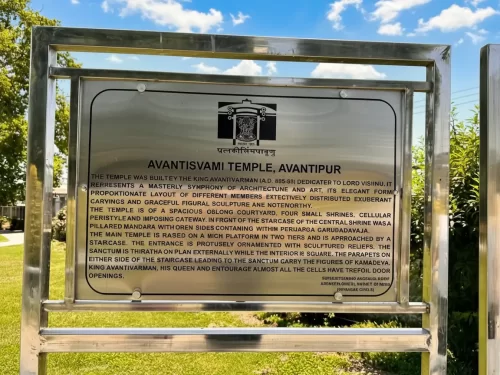
Avantiswami Temple Avantipura information board ruins layout Shiva Vishnu shrines cells pillars ASI protected, Jammu Kashmir heritage tour packages. Archaeological Site

Avantipura Ruins

Avantipura Ruins are the remains of two 9th-century Hindu temples built by King Avantivarman in present-day Awantipora, Pulwama district.
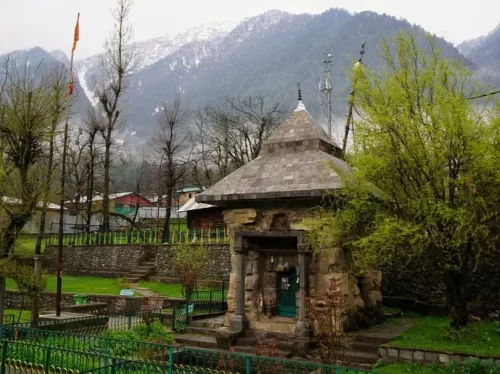
Mamaleshwar Temple Pahalgam ancient Shiva temple with stone architecture set against Himalayan backdrop in Kashmir Temple

Mamaleshwar Temple

Mamaleshwar Temple is an ancient Hindu temple dedicated to Lord Shiva, located near the Lidder River in Pahalgam, Anantnag district of Jammu and Kashmir.
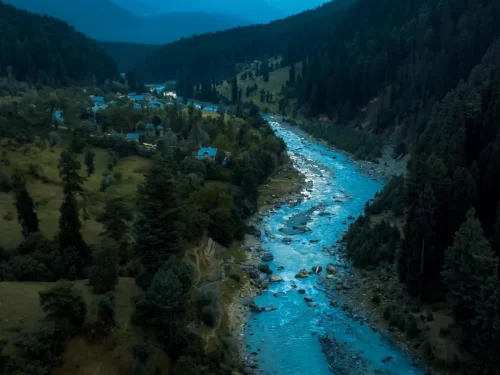
Aru Valley Pahalgam Kashmir night aerial turquoise Lidder River pine forests mountains, village lights blue dusk shadows meadows, perfect Jammu Kashmir Kolahoi base valley package. Valley

Aru Valley

Aru Valley is a mountain village and meadow area located about 12 km from Pahalgam in Anantnag district of Jammu and Kashmir.

Frequently Asked Questions About Martand Sun Temple

Martand Sun Temple is located near Anantnag town in Jammu and Kashmir, around 60 kilometers from Srinagar city. The temple complex stands on an elevated plateau overlooking the Kashmir Valley.
Martand Sun Temple can be reached by road from Srinagar in about two hours depending on traffic and weather conditions in Jammu and Kashmir. Private taxis and self drive vehicles are commonly used for this route.
The best time to visit Martand Sun Temple is from spring to early autumn when weather conditions are comfortable for outdoor exploration in Jammu and Kashmir. Clear days provide better valley views from the site.
Martand Sun Temple is suitable for a same day trip from Srinagar due to its manageable driving distance. Many travelers combine it with visits to nearby destinations in Anantnag district.
Two to three hours are generally enough to explore Martand Sun Temple at a relaxed pace. This allows visitors to walk around the main courtyard and observe architectural remains.
Martand Sun Temple usually requires a nominal entry fee collected by archaeological authorities in Jammu and Kashmir. Tickets are available at the entrance area.
Visitors at Martand Sun Temple can see large stone pillars, carved walls, and an open central courtyard reflecting ancient temple architecture in Anantnag district. The elevated setting offers wide views of surrounding landscapes.
Martand Sun Temple is safe for families when visitors move carefully across uneven stone surfaces. Elderly visitors should take caution while walking on steps and open ground in Jammu and Kashmir.
Martand Sun Temple can be visited during winter if road access from Srinagar remains clear in Jammu and Kashmir. Cold weather may require warm clothing due to the exposed hilltop location.
Basic parking facilities are available near Martand Sun Temple, but food and restroom options are limited. Travelers often rely on Anantnag town or Srinagar for better services in Jammu and Kashmir.
Photography is allowed at Martand Sun Temple for personal use. The open ruins and valley backdrop provide clear opportunities for landscape photography in Jammu and Kashmir.
Martand Sun Temple can easily be combined with other attractions in Anantnag district during a day trip from Srinagar. Its location along the main route makes it convenient for extended sightseeing in Jammu and Kashmir.

Loved this place ? Let’s Plan Your Jammu and Kashmir Trip

Get customized Jammu and Kashmir tour planning designed around seasonal weather patterns, valley travel routes, snow conditions, and realistic hill road timing. Whether you are visiting for scenic landscapes, serene lakes, spiritual journeys, meadow stays

⚑ Quick Response | πŸ’° Free consultation | πŸ•’ 24Γ—7 expert support

×

Plan Your Trip