Quick Facts About Pari Mahal
| Entry Fee | 25 |
| Timings | 08:00 - 18:00 |
| Altitude (m) | 1600 |
| Ideal Visit Duration (hrs) | 2 |
| Best Time of Day | Morning |
| Crowd Level | Moderate |
| Distance from Srinagar (km) | 6 |
| Walking Difficulty | Moderate |
| Parking Available | No |
| Last Mile Access | Walk |
| Suitable for Kids | Yes |
| Suitable for Seniors | No |
| Wheelchair Friendly | No |
Why Visit Pari Mahal in Srinagar
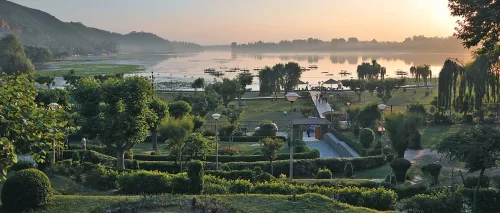
Visitors come to Pari Mahal to explore the terraced Mughal garden perched above Dal Lake, known for its Persian-style architecture and panoramic views. It attracts history enthusiasts, photographers, and travelers seeking scenic gardens with cultural significance.
The on-ground atmosphere is tranquil, with symmetrical terraces, water channels, and flowering plants creating a serene environment. The elevated location offers sweeping views of Dal Lake and the surrounding hills, adding to the peaceful experience.
What makes Pari Mahal distinct for travelers is its combination of Mughal garden design, elevated vantage point, and historical context. Unlike other gardens in Srinagar, it provides both architectural beauty and expansive lake views, making it a favored spot for photography and quiet reflection.
History of Pari Mahal, Srinagar
Pari Mahal, also known as the “Fairy Palace,” was built in the mid-17th century by Dara Shikoh, the eldest son of Mughal Emperor Shah Jahan. It was designed as a terraced garden in the Persian-style, overlooking Dal Lake and used as a place for meditation and scholarly pursuits.
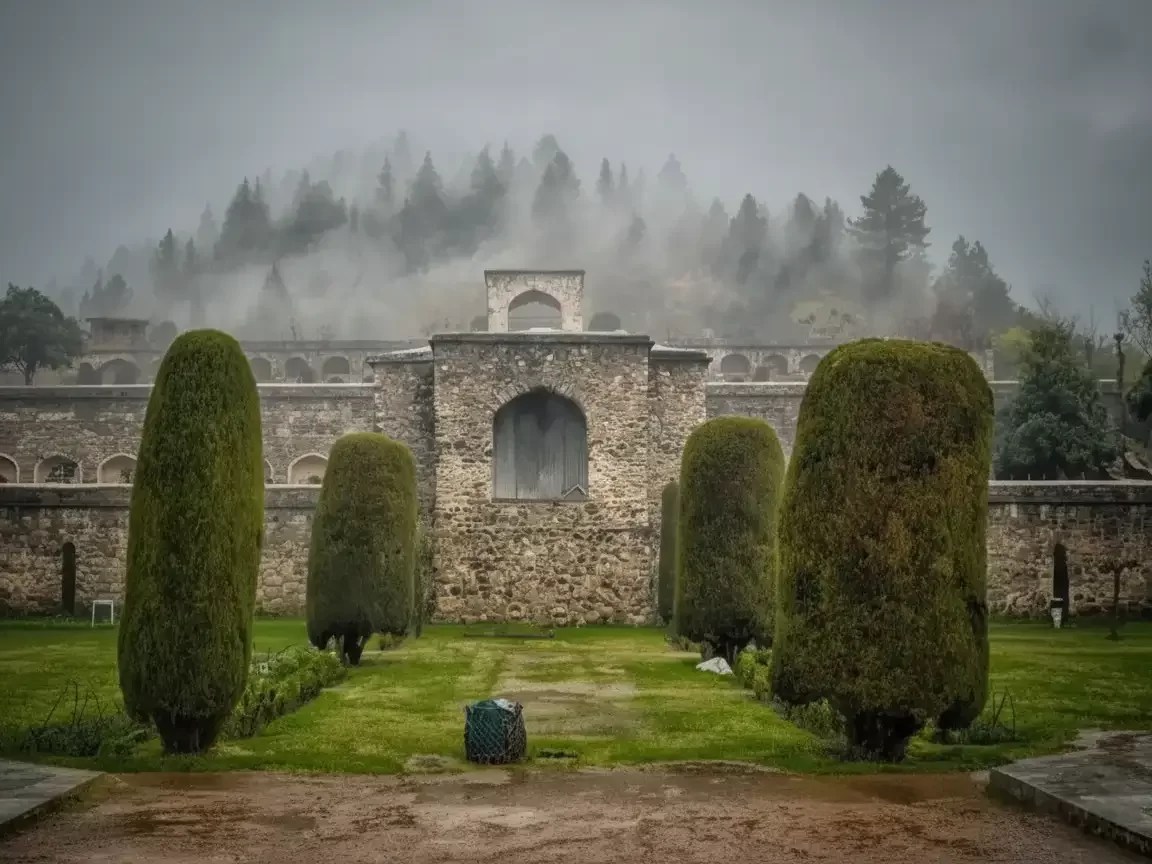
The garden features seven terraces with fountains, flowerbeds, and arched pathways, reflecting Mughal architectural principles of symmetry and harmony with nature. Its location atop Zabarwan Hills highlights its strategic and aesthetic significance.
Pari Mahal has endured as a symbol of Mughal-era landscaping and cultural refinement. While it no longer serves its original purpose, it continues to attract visitors for its historical architecture, panoramic views, and landscaped terraces.
Best Time to Visit Pari Mahal
Pari Mahal is best visited during spring and early autumn when the gardens are in full bloom, the weather is pleasant, and views of Dal Lake and the surrounding Zabarwan hills are clear.
- Ideal months: March to June and September to October, when the garden's flowers are vibrant and the climate is comfortable for sightseeing.
- Weather during the best season: Mild to warm temperatures, clear skies, and calm conditions for walking, photography, and enjoying panoramic views.
- Periods to avoid: November to February due to cold winter temperatures, potential snowfall, and limited access to the garden areas.
How to Reach Pari Mahal, Srinagar
Pari Mahal, also known as the "Fairy Palace," is a terraced Mughal garden overlooking Dal Lake in Srinagar, Jammu & Kashmir. It is renowned for its historical architecture and panoramic lake views.
- Nearest Airport: Srinagar International Airport (Sheikh ul-Alam Airport), approximately 18 km away. The airport is connected to major Indian cities. Taxis or private cabs take around 40–60 minutes to reach Pari Mahal depending on traffic.
- Nearest Railway Station: Srinagar Railway Station, about 12 km from the garden. Taxis and auto-rickshaws provide easy access to the entrance.
- Road Access & Last-Mile Connectivity: Pari Mahal is accessed via Boulevard Road along Dal Lake, followed by a short uphill path to the garden terraces. Private vehicles and taxis are recommended. The final climb involves stone steps; visitors should plan for moderate walking. Parking is limited near the entrance.
What to Expect When You Visit Pari Mahal
- Pari Mahal is a Mughal-style terraced garden located on a hillside overlooking Dal Lake. Expect well-maintained lawns, flower beds, and historical arched structures, with panoramic views of the lake and surrounding mountains.
- Facilities are basic but functional. There are paved pathways, benches, and shaded areas for rest. Restrooms are limited, and there are no cafes or restaurants within the garden, so carry water if needed.
- Accessibility involves walking uphill along stone steps and sloped terraces. The paths can be steep, so the climb may be challenging for seniors or those with mobility issues. Wheelchair access is not available.
- Visitors typically stroll, take photographs, and enjoy the historical architecture. The atmosphere is peaceful, though it can get crowded during weekends and tourist peak seasons.
- Typical visit duration ranges from 45 minutes to 1.5 hours, depending on how much time is spent exploring the terraces and capturing views.
- Weather conditions affect the experience: spring and summer offer pleasant temperatures, monsoon may make pathways slippery, and winters are cold. Wear appropriate footwear and layered clothing for comfort.
Important Visitor Information for Pari Mahal, Srinagar
- Crowd and Weather Notes: Pari Mahal is busiest from April to October, with peak crowds during spring and summer afternoons. Winters are cold and less frequented. Early mornings provide a quieter and more serene experience.
- Peak and Quiet Visiting Hours: Peak visiting hours are between 11:00 AM and 3:00 PM. Early morning (8:00 AM to 10:00 AM) or late afternoon (after 4:00 PM) visits offer minimal crowds and better lighting for photography.
- Dress Code: Modest clothing is recommended due to cultural sensitivity. Comfortable footwear is advised as the garden has stepped terraces and uneven pathways.
- Safety Notes and Practical Cautions: Steps and terraces can be slippery during rain or morning dew. Carry water and sun protection, and supervise children near ledges. On-site facilities are limited, so plan accordingly.
Photography and Viewpoints at Pari Mahal, Srinagar
- The terraced gardens atop the Zabarwan Range provide wide-angle compositions of the Mughal-style terraces with Dal Lake in the background.
- Central staircases and upper terraces allow framing of architectural symmetry, fountains, and ornamental gardens for detailed shots.
- Morning light (8–11 am) offers soft illumination, highlighting garden colors and architectural lines; late afternoon light adds warmth to stone features and lake reflections.
- Overcast conditions help capture uniform lighting and richer greenery, ideal for photographing flowers and water features without harsh shadows.
- Photography is permitted for personal use; drones or professional equipment require prior permission from local authorities, and visitors should avoid stepping on flower beds.
- Peak visiting hours can be busy; early morning visits ensure clearer frames, unobstructed views, and better access to the upper terraces.