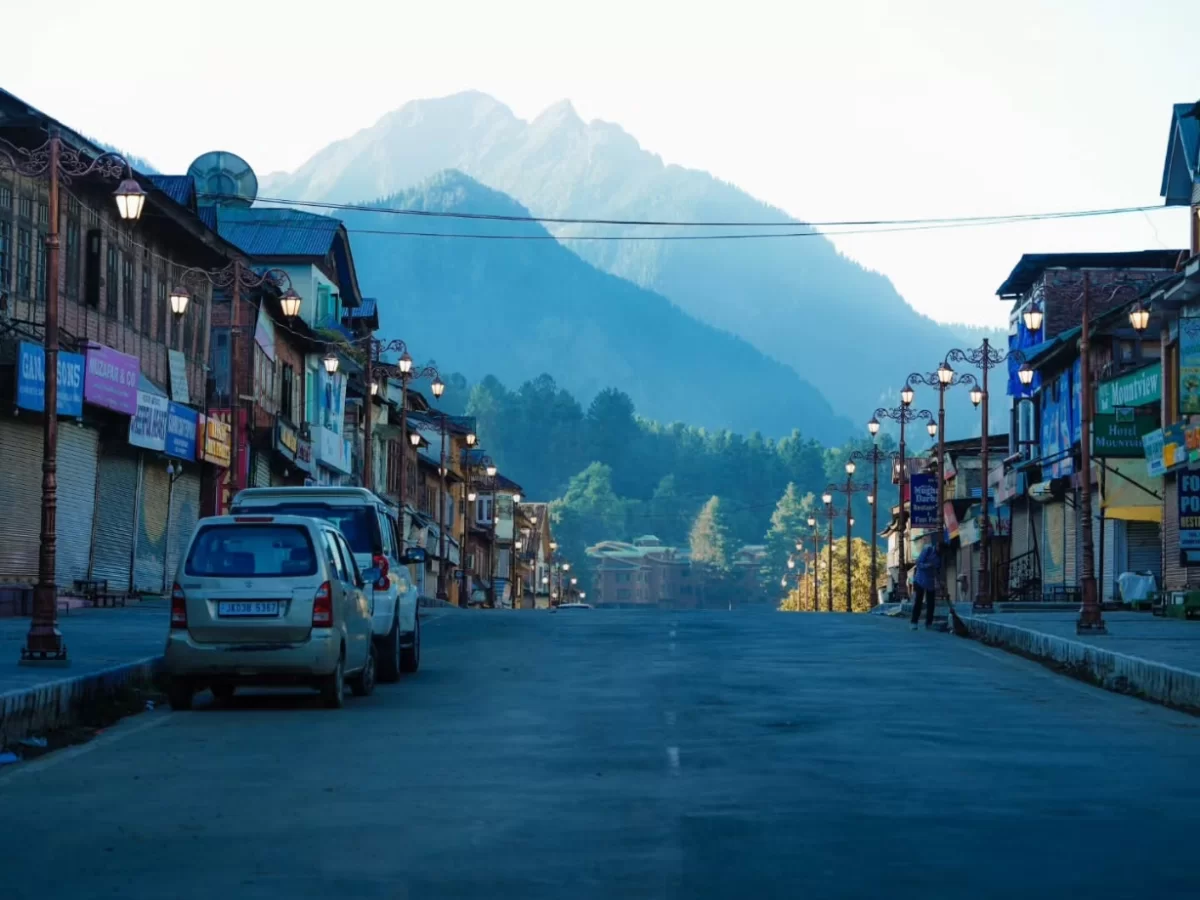
Pahalgam Market: Vibrant Commercial Hub and Gateway to the Lidder Valley, Jammu and Kashmir, India

Pahalgam Market , Pahalgam
Tourists visit Pahalgam Market to experience the primary social and economic heart of the region. The market is renowned for its traditional Kashmiri architecture, featuring wooden storefronts that offer a wide array of local specialties including authentic Pashmina shawls, hand-knotted carpets, and intricate walnut wood carvings. As the central staging point for the annual Amarnath Yatra pilgrimage and various trekking expeditions, the market serves as a vital resource for adventure gear and local provisions. Visitors can explore a diverse culinary scene ranging from traditional Kashmiri Wazwan to street food, all while enjoying the backdrop of snow-capped peaks and the sound of the nearby Lidder River.

Quick Facts About Pahalgam Market

Entry Fee Free
Timings 09:00 - 21:00
Altitude (m) 2130
Ideal Visit Duration (hrs) 3
Best Time of Day Evening
Crowd Level High
Distance from Pahalgam (km) 0
Walking Difficulty Easy
Parking Available Yes
Last Mile Access Road
Suitable for Kids Yes
Suitable for Seniors Yes
Wheelchair Friendly No

Why Visit Pahalgam Market in Kashmir

Pahalgam Market serves as the vibrant social and commercial heart of the Lidder Valley, acting as a bustling gateway for trekkers, pilgrims, and leisure travelers. Visitors explore this mountain township to experience a classic Himalayan bazaar where traditional Kashmiri craftsmanship meets the essential needs of high-altitude adventurers, creating a lively atmosphere that transitions from a quiet morning hub to a glowing evening center of local activity.

The on-ground atmosphere is defined by the distinct aroma of freshly baked Kashmiri bread (kandur-chot) and the sight of intricate pashmina shawls, walnut wood carvings, and hand-knotted carpets displayed in charming wooden storefronts. Visitors encounter a sensory landscape where the sound of the nearby Lidder River provides a constant backdrop to the friendly negotiations between local shopkeepers and travelers, offering a warm and welcoming environment that reflects the resilient hospitality of the Anantnag district.

What makes Pahalgam Market distinct is its dual role as a base camp for the Amarnath Yatra and a premier destination for authentic Kashmiri dry fruits, saffron, and high-quality winter gear. It offers a unique opportunity for travelers to taste local street delicacies like trout fish and traditional wazwan while mingling with nomadic Gujjar-Bakarwal tribes who frequently visit the town. Exploring the market provides a visceral connection to the region's economy and serves as the perfect starting point for pony rides to nearby meadows, making it an essential cultural stop in the journey through South Kashmir.

Historical and Geographic Significance of Pahalgam Market

Pahalgam Market is the vibrant commercial and cultural heart of the Lidder Valley, situated at an elevation of approximately 2,130 meters (6,990 feet) in the Anantnag district. Centrally located at the confluence of the routes leading to Aru Valley, Chandanwari, and Baisaran, the market serves as the primary base for travelers, pilgrims, and explorers in the South Kashmir region.

Geographically, the market is nestled on the banks of the Lidder River, surrounded by the towering, pine-forested peaks of the Pir Panjal range. Its layout follows the natural contours of the river basin, creating a scenic shopping corridor where the sound of the rushing glacial waters is ever-present. The market serves as a critical logistics hub, providing essential supplies for high-altitude expeditions and acting as the final urban outpost before the ascent into the rugged Himalayan wilderness of the Kolahoi Glacier and the Amarnath cave region.

Historically, the Pahalgam Market evolved from a small seasonal settlement into a major trading post for the nomadic Gujjar and Bakarwal tribes who pass through the valley during their annual migrations. Over the last century, it transformed into a renowned tourism center, particularly famous for its high-quality Kashmiri handicrafts. Today, the market is celebrated for its authentic Pashmina shawls, intricate walnut wood carvings, and traditional Kashmiri crewel embroidery. It remains a focal point of the annual Amarnath Yatra, serving as a vital support system for thousands of devotees, while maintaining its charm as a quintessential mountain town bazaar that blends local tradition with modern hospitality.

Best Time to Visit Pahalgam Market

Pahalgam Market, situated at an altitude of 7,200 feet along the banks of the Lidder River, is the vibrant commercial and cultural heart of the region. As the primary staging point for both the Amarnath Yatra and leisure travelers exploring the Lidder Valley, the market’s energy and stock are highly seasonal. It serves as a hub for authentic Kashmiri handicrafts, walnut wood carvings, and high-altitude trekking gear, with its peak activity strictly aligned with the tourism influx of the summer and autumn months.

  • Ideal months: April to June and September to October are the best times for shopping and exploring. The spring months offer a fresh stock of summer woolens and local honey, while the autumn months of September and October are peak for purchasing freshly harvested walnuts, almonds, and apples directly from nearby orchards.
  • Weather conditions: Summer evenings in the market are pleasant and lively, with temperatures between 10°C and 20°C, perfect for night walks. During the autumn, the air is crisp and clear, though daytime temperatures can fluctuate between 8°C and 18°C, necessitating light layers while browsing the open-air stalls.
  • Periods to avoid: Avoid visiting during the peak Amarnath Yatra weeks (typically July and August) if you prefer a quiet experience, as the market becomes exceptionally crowded and security protocols can restrict movement; additionally, the deep winter months of January and February see many smaller shops closing early due to heavy snow and sub-zero temperatures.

How to Reach Pahalgam Market

Pahalgam Market is the vibrant commercial and social heart of the town, situated at an elevation of approximately 2,130m (7,000 ft). This bustling central hub is where the various roads from Srinagar, Aru Valley, and Chandanwari converge, serving as the primary logistics point for tourists, pilgrims, and local residents alike.

  • Nearest Airport: Srinagar International Airport (SXR) is the closest air link, located about 90 km away. The drive to the market usually takes 2.5 to 3 hours via the Srinagar-Pahalgam highway.
  • Nearest Railway Station: Anantnag Railway Station is the nearest railhead, roughly 45 km away. From the station, private taxis and shared Sumos provide direct connectivity to the main market area.
  • Road Access and Location: The Pahalgam MarketClick to open side panel for more information is situated at the terminus of the main highway from Anantnag. It acts as the gateway to the upper reaches of the valley; the road heading north leads to Aru Valley, while the road heading east leads toward Chandanwari.
  • Last-Mile Connectivity: The market is the central node for all local transport. The main Taxi Stand and the Pony Stand are located within walking distance of the central square. Most hotels in Pahalgam are either located within the market or are a short 5-10 minute drive away.
  • Shopping and Logistics: The market is famous for authentic Kashmiri handicrafts, including Pashmina shawls, walnut wood carvings, and hand-knotted carpets. It also houses essential services such as the main Post Office, several bank ATMs, and local pharmacies.
  • Dining and Amenities: The area is lined with a variety of eateries ranging from traditional Kashmiri Wazwan restaurants to popular vegetarian food chains catering to Yatra pilgrims. Public restrooms and the J&K Tourism Information Center are located centrally to assist visitors.
  • Seasonal Accessibility: Unlike the higher meadows, the main market remains accessible and functional year-round. While it is most crowded during the summer and the Amarnath Yatra season (June–August), it provides a cozy, snow-covered setting for travelers visiting in winter.

What to Expect When You Visit Pahalgam Market

The Pahalgam Market is the vibrant commercial and social heart of the town, serving as the central hub for travelers exploring the Lidder Valley. Unlike the quiet alpine meadows nearby, the market is a bustling stretch of traditional wooden shopfronts, modern boutiques, and local eateries. It is the best place to experience the intersection of Kashmiri mountain culture and tourism, offering everything from essential trekking gear to high-end artisanal crafts.
  • Environment and Surroundings: The market is set against a backdrop of towering pine trees and the sound of the nearby Lidder River. Reviewers often describe the atmosphere as lively and colorful, especially in the evenings when the streets are illuminated and filled with the aroma of freshly baked Kashmiri bread and grilled meats. The architecture is a mix of old-world charm and newer constructions, with many shops featuring intricate woodwork.
  • Facilities and Amenities: As the primary service center for the region, the market offers a wide range of facilities including ATMs, pharmacies, post offices, and telecommunication centers. You will find numerous specialized shops selling authentic Kashmiri Pashmina shawls, walnut wood carvings, and hand-knotted carpets. For dining, the area is home to iconic establishments like Dana Pani and Nathu's Sweets, which are popular for both local Wazwan and vegetarian cuisines.
  • Accessibility and Movement: The market is centrally located and easily accessible on foot from most hotels and guesthouses in the main town area. It also serves as the main stand for taxis and ponies heading toward Aru Valley, Betaab Valley, and Baisaran. While the main street is paved, it can become quite congested with pedestrians and vehicles during the peak summer season (May to June), so walking is often the most efficient way to navigate the shops.
  • Typical Visitor Behavior and Conditions: Travelers typically spend 1 to 2 hours here in the late afternoon or evening after returning from sightseeing. Reviewers report that bargaining is a common practice in the handicraft shops, though prices in the dry fruit and grocery stores are generally fixed. The market is also a great place to try street foods like "Tujji" (barbecued mutton) or to sit in a local cafe and observe the daily life of the town's residents.

Essential Visitor Information for Pahalgam Market

  • Crowd and Weather: As the primary commercial hub of the region, the market is bustling with activity, especially during the Amarnath Yatra and peak summer months (May–July); the weather is pleasant during the day but can become quite chilly in the evenings, even in summer, due to its proximity to the Lidder River.
  • Peak and Quiet Visiting Hours: The market is most vibrant between 4:00 PM and 8:00 PM when tourists return from day trips; for a quieter shopping experience and easier navigation, visit during the morning hours (9:00 AM to 11:00 AM) when shops are just opening and the streets are less congested.
  • Dress Code and Conduct: Casual and modest clothing is appropriate for walking through the town center; ensure you wear comfortable walking shoes as the market area is best explored on foot. While the atmosphere is generally relaxed, maintain a respectful demeanor when interacting with local shopkeepers and artisans.
  • Safety and Practical Cautions: Be mindful of moving traffic, including taxis and ponies, which share the narrow main road; always keep your belongings secure in crowded areas. Avoid high-pressure sales tactics by comparing prices across multiple shops, and ensure you check the quality of saffron or pashmina before making significant purchases.
  • Experience-Based Notes: The market is famous for authentic Kashmiri products such as hand-knotted carpets, intricately carved walnut wood items, and high-quality woolens; don't miss trying local street food like "Tujji" (barbecued mutton) or visiting the small bakeries for fresh "Kandir" bread.
  • Logistics: Most shops accept digital payments via UPI, but carrying some cash is advisable for smaller vendors and pony rides; mobile connectivity is excellent in the market area, and several pharmacies and basic clinics are located along the main strip.

Capturing the Vibrant Life of Pahalgam Market

  • Central Market Street Perspective: The most iconic shot is taken from the southern end of the main road, looking toward the mountains. Use a wide-angle lens to capture the bustling shopfronts with the dramatic, pine-covered Himalayan slopes rising directly behind the town's timber-framed buildings.
  • Traditional Artisanship Close-ups: The market is a hub for Kashmiri handicrafts. Focus your lens on the intricate textures of hand-knotted Pashmina shawls, walnut wood carvings, and vibrant crewel embroidery displayed in open storefronts. Side-lighting from the street helps emphasize the fine needlework and grain of the wood.
  • Blue Hour Glow: As evening sets in, the market transforms. The best time for atmospheric photography is during the "blue hour," just after sunset. The warm yellow glow from the shop windows and street lamps creates a cozy, high-contrast scene against the deep indigo mountain sky.
  • Candid Street Narratives: For authentic environmental portraits, document the interaction between local vendors and nomadic Gujjar-Bakarwal people who visit the market for supplies. Always seek permission before taking close-up photos of individuals, especially when capturing the traditional "Pherans" and headgear.
  • Lidder River Bridge Viewpoint: Just a short walk from the main market, the bridge offers a perfect vantage point. Capture the rushing Lidder River in the foreground using a slow shutter speed, with the bustling market town and the minarets of the local mosque framed in the background.
  • Seasonal Atmosphere and Crowds: During the peak summer and Amarnath Yatra seasons, the market is extremely crowded, making clean shots difficult. To capture the architecture and "quiet" mountain town vibe, shoot between 7:30 AM and 9:00 AM before the major tourist influx and shop shutters are fully opened.

Near By Attraction

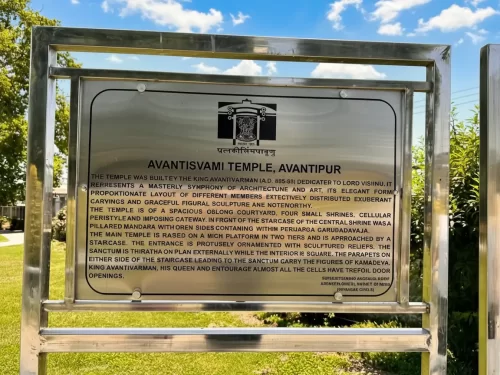
Avantiswami Temple Avantipura information board ruins layout Shiva Vishnu shrines cells pillars ASI protected, Jammu Kashmir heritage tour packages. Archaeological Site

Avantipura Ruins

Avantipura Ruins are the remains of two 9th-century Hindu temples built by King Avantivarman in present-day Awantipora, Pulwama district.
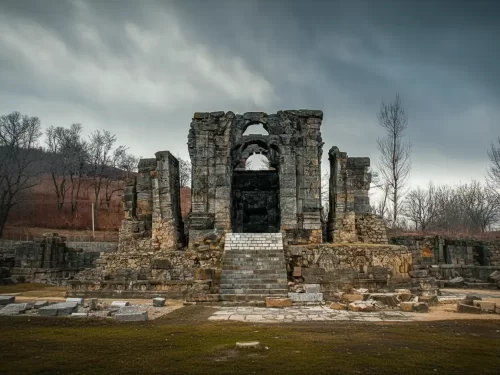
Martand Sun Temple ancient stone ruins arched entrance pillars cloudy sky barren trees Kashmir Jammu, historical heritage tour packages. Temple

Martand Sun Temple

Martand Sun Temple is an 8th-century Hindu temple dedicated to the Sun God, located near Anantnag in Jammu and Kashmir.
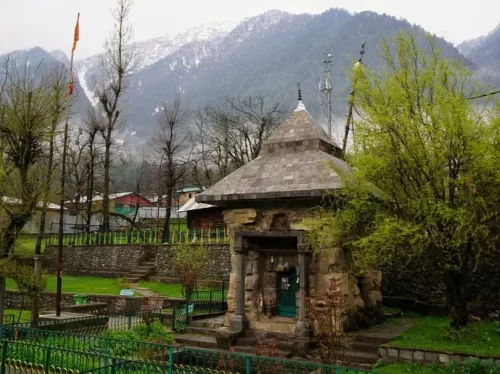
Mamaleshwar Temple Pahalgam ancient Shiva temple with stone architecture set against Himalayan backdrop in Kashmir Temple

Mamaleshwar Temple

Mamaleshwar Temple is an ancient Hindu temple dedicated to Lord Shiva, located near the Lidder River in Pahalgam, Anantnag district of Jammu and Kashmir.

Frequently Asked Questions About Pahalgam Market

Pahalgam Market is located in the main town area of Pahalgam in Anantnag district of Jammu and Kashmir. It serves as the central commercial hub for visitors staying in the valley.
Pahalgam Market is easily accessible on foot from most hotels and guesthouses in central Pahalgam. Local taxis and short walks are common ways to reach the market area in Jammu and Kashmir.
Pahalgam Market offers woolen clothing, handicrafts, dry fruits, souvenirs, and everyday essentials suited to the mountain climate of Jammu and Kashmir. Visitors can also find travel gear and local products.
Pahalgam Market is suitable for local shopping as it provides a mix of traditional Kashmiri items and practical goods for travelers. It is convenient for picking up warm clothing or small gifts.
The best time to visit Pahalgam Market is during late morning or early evening when most shops are open. Daytime visits allow relaxed browsing in Jammu and Kashmir.
One to two hours are generally enough to explore Pahalgam Market at a comfortable pace. This gives travelers time to compare prices and explore different stores.
Pahalgam Market can become busy during peak tourist season and pilgrimage months in Jammu and Kashmir. Visiting earlier in the day helps avoid heavier crowds.
Prices at Pahalgam Market may vary depending on the product, and bargaining is common in some shops. Travelers are encouraged to compare options before purchasing.
Several restaurants, bakeries, and small cafes are located near Pahalgam Market in Anantnag district. Visitors can easily find local Kashmiri dishes as well as standard Indian meals.
Pahalgam Market is generally safe during regular business hours in Jammu and Kashmir. Visitors should keep personal belongings secure in crowded areas.
ATMs, pharmacies, and basic medical stores are available near Pahalgam Market. Being the main town center, it provides convenient access to essential services in Jammu and Kashmir.
Pahalgam Market can easily be combined with nearby sightseeing spots in Pahalgam due to its central location. Many visitors explore the market after returning from local valley excursions in Jammu and Kashmir.

Loved this place ? Let’s Plan Your Jammu and Kashmir Trip

Get customized Jammu and Kashmir tour planning designed around seasonal weather patterns, valley travel routes, snow conditions, and realistic hill road timing. Whether you are visiting for scenic landscapes, serene lakes, spiritual journeys, meadow stays

⚑ Quick Response | πŸ’° Free consultation | πŸ•’ 24Γ—7 expert support

×

Plan Your Trip