Quick Facts About Nigeen Lake
| Entry Fee | Free |
| Timings | 00:00 - 23:59 |
| Altitude (m) | 1585 |
| Ideal Visit Duration (hrs) | 3 |
| Best Time of Day | Morning |
| Crowd Level | Moderate |
| Distance from Srinagar (km) | 6 |
| Walking Difficulty | Easy |
| Parking Available | Yes |
| Last Mile Access | Walk |
| Suitable for Kids | Yes |
| Suitable for Seniors | Yes |
| Wheelchair Friendly | No |
Why Visit Nigeen Lake, Srinagar
Nigeen Lake is an ideal destination for visitors seeking a tranquil and less crowded alternative to the bustling Dal Lake. Its calm waters, scenic surroundings, and serene environment make it perfect for relaxation and leisurely exploration.
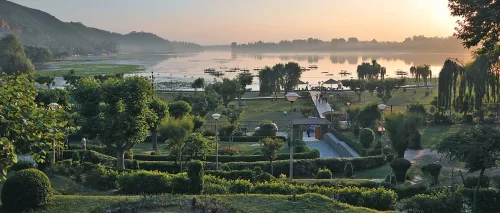
Atmosphere: The lake offers a peaceful and soothing ambiance, with gentle ripples, chirping birds, and reflections of the surrounding Himalayan foothills. Mornings and evenings are particularly serene, providing a quiet escape from city life.
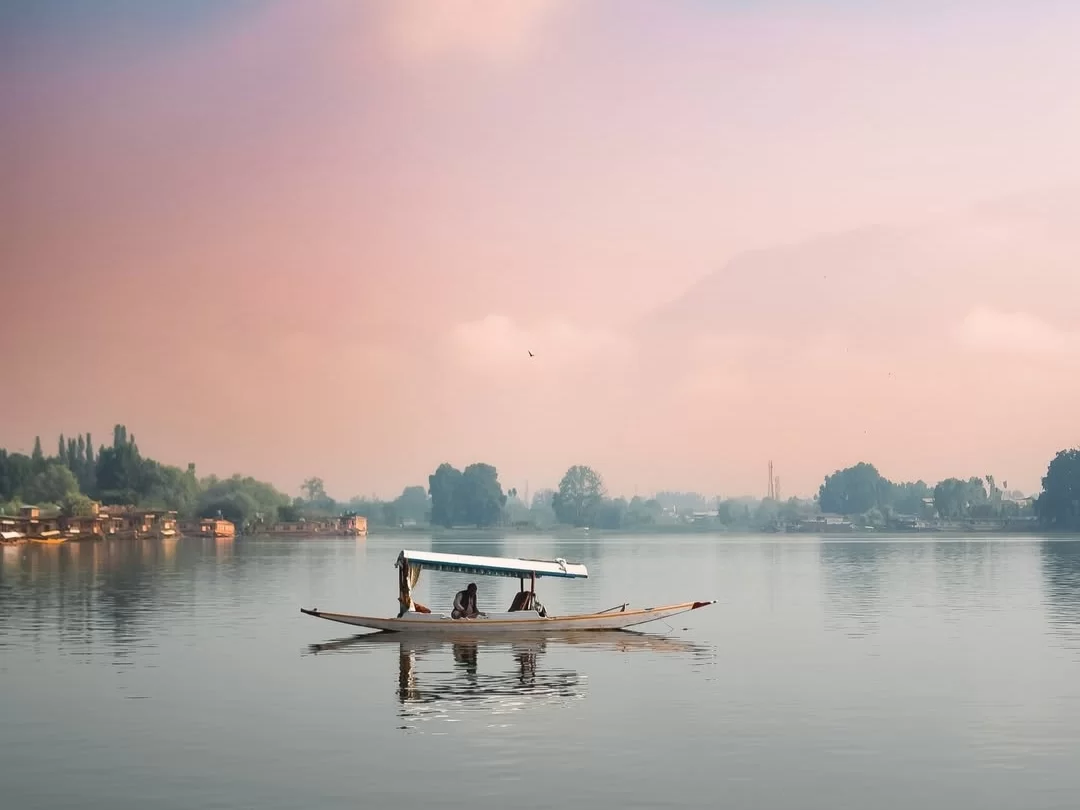
What Makes it Special: Nigeen Lake is famous for its traditional houseboats, shikara rides, and floating gardens. Its relatively lower tourist traffic allows for intimate experiences with nature and photography. The lake’s biodiversity, including waterfowl and aquatic species, adds an ecological charm that enhances its appeal for nature enthusiasts and families alike.
Historical and Cultural Significance
Nigeen Lake, often considered an extension of Dal Lake, has been an integral part of Srinagar’s cultural and natural landscape for centuries. It has historically served as a hub for traditional houseboats, reflecting the unique Kashmiri way of life and craftsmanship.
The lake has played a role in local tourism and recreation, offering a quieter, more intimate experience compared to the larger Dal Lake. Its surrounding areas have inspired local art, photography, and literature, making Nigeen Lake not only a scenic retreat but also a culturally significant landmark in Srinagar.
Festivals and boating traditions on the lake continue to preserve local customs, while its floating gardens and aquatic biodiversity highlight the harmonious relationship between nature and the people of Kashmir.
Best Time to Visit Nigeen Lake, Srinagar
The best time to visit Nigeen Lake is during spring and summer when the weather is pleasant, the lake is calm, and the surrounding landscapes are lush and colorful. Winter visits offer a serene, snow-covered view, while monsoon season may limit boating activities.
- Spring (March to May): Ideal for sightseeing, photography, and enjoying blooming gardens around the lake.
- Summer (June to August): Warm weather and clear skies make it perfect for shikara rides and outdoor exploration.
- Autumn (September to November): Crisp air and colorful foliage provide spectacular views and calm waters for boating.
- Winter (December to February): Snow-covered landscapes create a magical ambiance; the lake is less crowded, though boating may be limited.
- Monsoon (July to September): Heavy rainfall may affect outdoor activities, but the surrounding hills appear lush and vibrant.
How to Reach Nigeen Lake, Srinagar
- By Air: The nearest airport is Srinagar International Airport (SXR), approximately 22 km away. Visitors can hire taxis or cabs to reach Nigeen Lake from the airport.
- By Train: The nearest major railway station is Jammu Tawi (JAT), around 300 km from Srinagar. From Jammu, travelers can take taxis or buses to Srinagar, followed by a short drive to Nigeen Lake.
- By Road: Srinagar is well connected by road to major cities in North India, including Delhi, Jammu, and Leh. Regular buses, taxis, and private cars can reach the city, with Nigeen Lake easily accessible from Srinagar city centre.
- Local Transport: Auto-rickshaws, taxis, and cycle rickshaws are available for local travel. Short walks from parking areas to the lakefront and shikara boarding points are required.
What to Expect When You Visit Nigeen Lake, Srinagar
- Peaceful and less crowded environment compared to Dal Lake, ideal for relaxation and reflection.
- Traditional shikara boat rides offering close-up views of houseboats, floating gardens, and the surrounding scenery.
- Opportunities for nature photography with reflections of the Himalayan foothills and vibrant local life on the water.
- Scenic spots for picnics, family outings, and leisurely walks along the lakefront.
- Birdwatching opportunities with various local and migratory bird species inhabiting the lake area.
- Experience local Kashmiri culture through interactions with boatmen, houseboat owners, and floating vendors.
- Family-friendly and suitable for solo travelers, couples, and senior visitors, though caution is advised near water.
Important Visitor Information
- Crowd & Weather Notes: Nigeen Lake is generally quieter than Dal Lake, with moderate crowds even during peak season (May to August). Spring and autumn offer pleasant weather, while winters can be cold and foggy, and monsoon brings heavy rainfall.
- Peak / Quiet Hours: Early mornings and late afternoons are the best times for a peaceful visit and photography. Midday may see more tourists and boat activity.
- Dress Code: Comfortable, casual clothing is recommended. Layered attire is advisable during cooler months. Modest clothing is appropriate for interactions with local residents.
- Safety Notes: Supervise children near the water and during shikara rides. Follow local guidelines for boating and docking. Avoid overcrowded boats and respect houseboat rules for a safe experience.
Photography and Viewpoint
- Nigeen Lake offers stunning opportunities for photography with its tranquil waters reflecting the surrounding Himalayan foothills and lush gardens.
- Shikara rides allow visitors to capture unique angles of houseboats, floating gardens, and daily lake life up close.
- Early mornings provide soft lighting and calm waters, perfect for landscape and reflection photography, while evenings offer beautiful golden-hour shots.
- The lake’s less-crowded nature allows for intimate photography without distractions, making it ideal for both professional and casual photographers.
- Birdwatching around the lake offers chances to photograph local and migratory birds in their natural habitat.
- Respect privacy and avoid disturbing residents or boatmen while photographing houseboats and personal spaces.