Quick Facts About Aru Valley
| Entry Fee | Free |
| Timings | 06:00 - 18:00 |
| Altitude (m) | 2400 |
| Ideal Visit Duration (hrs) | 3 |
| Best Time of Day | Morning |
| Crowd Level | Moderate |
| Distance from Pahalgam (km) | 12 |
| Walking Difficulty | Easy |
| Parking Available | Yes |
| Last Mile Access | Road |
| Suitable for Kids | Yes |
| Suitable for Seniors | Yes |
| Wheelchair Friendly | No |
Why Visit Aru Valley in Pahalgam, Kashmir
Visitors come to Aru Valley for its picturesque meadows, clear streams, and proximity to trekking routes, attracting travelers interested in nature walks, pony rides, and outdoor activities. It is often chosen as a quieter alternative to the more crowded Pahalgam town.
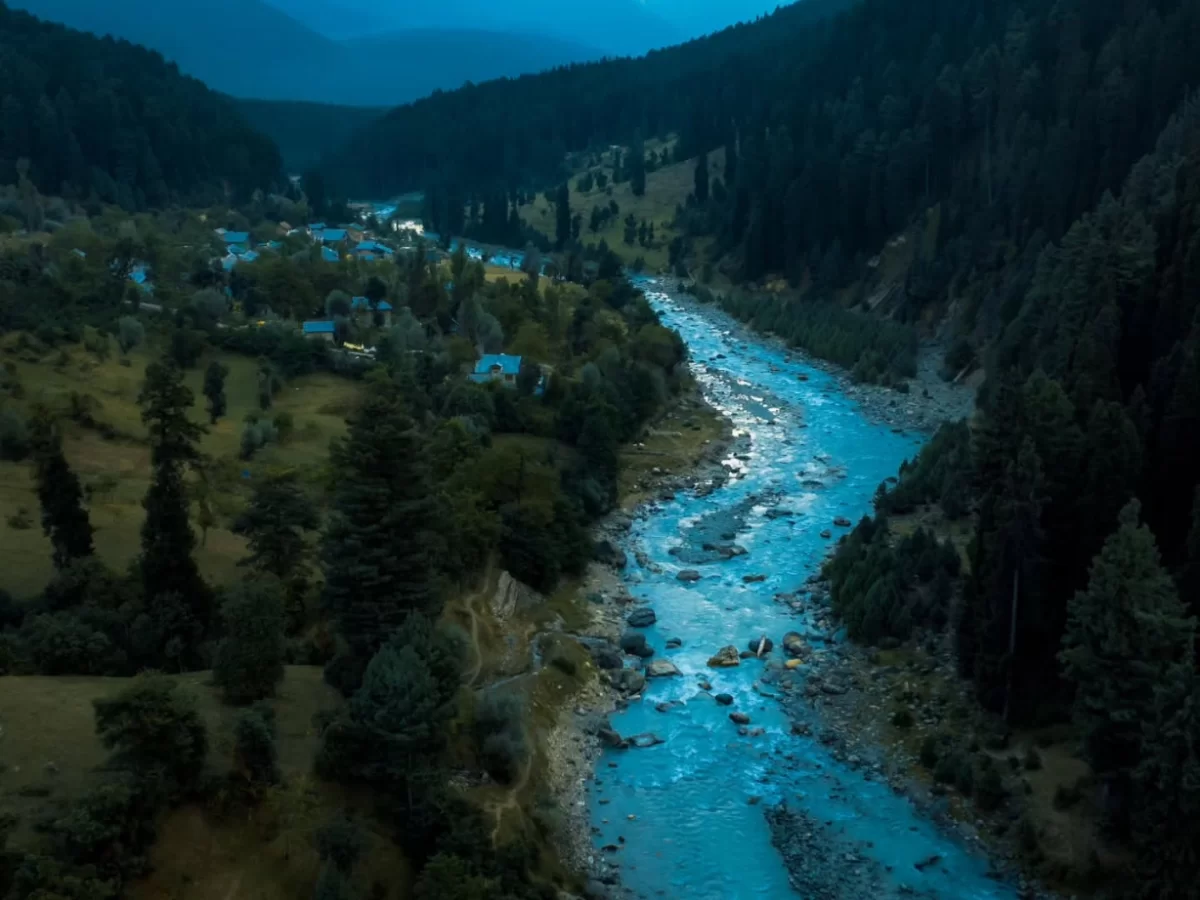
The on-ground atmosphere is calm and spacious, with open grassy fields, gentle slopes, and distant views of snow-capped peaks. Seasonal flowers and grazing livestock enhance the natural charm, while light footfall keeps the area peaceful.
What makes Aru Valley distinct for travelers is its accessibility to both leisure walks and adventure trails, providing a versatile landscape for photography, short treks, and relaxation. It suits visitors who want scenic natural settings with moderate facilities and minimal crowds.
History of Aru Valley, Pahalgam
Aru Valley has historically functioned as a high-altitude grazing and pastureland for local shepherds from surrounding villages in the Lidder Valley. Seasonal movement of livestock and temporary encampments defined its human use for centuries.
During the 19th and 20th centuries, Aru Valley gained minor recognition among travelers and pilgrims moving through Pahalgam en route to the Amarnath cave, serving as a waypoint rather than a settlement or fortified location.
The valley’s historical significance is tied to pastoral traditions, seasonal mobility, and its natural environment rather than constructed monuments, administrative events, or religious institutions. Its open meadows and streams have consistently influenced its use and local importance over time.
Best Time to Visit Aru Valley
Aru Valley is best visited when the alpine meadows are snow-free and trekking routes are accessible, allowing visitors to explore the valley, streams, and nearby hills comfortably.
- Ideal months: May to September, when the valley is open, weather is stable, and flora and fauna are most visible.
- Weather during the best season: Cool to mild daytime temperatures, clear skies, flowing streams, and comfortable conditions for short treks and photography.
- Periods to avoid: October to April due to heavy snowfall, icy trails, road closures, and restricted access to the valley and surrounding attractions.
How to Reach Aru Valley, Pahalgam
- Nearest Airport: Srinagar International Airport (Sheikh ul-Alam Airport), approximately 115 km from Aru Valley. The airport has regular flights from major Indian cities. From the airport, taxis or private vehicles can reach Pahalgam via Srinagar-Pahalgam road, typically taking 3.5 to 4 hours depending on traffic and road conditions.
- Nearest Railway Station: Srinagar Railway Station (Nowgam), about 110 km away. It is on the Banihal–Baramulla rail line. From the station, visitors need to hire a taxi or private vehicle to Pahalgam, as there is no direct rail or bus service to Aru Valley.
- Road Access & Last-Mile Connectivity: Aru Valley is situated 12 km from Pahalgam town. Private vehicles or local taxis can reach the parking area near the valley. The final stretch requires a short walk or pony ride to explore the valley. During winter, heavy snowfall can block the access road, and in monsoon, landslides or slippery paths may affect travel. Visitors are advised to check local conditions before visiting.
What to Expect When You Visit Aru Valley
- The environment at Aru Valley is alpine and forested, with meadows, pine-covered slopes, and nearby mountain streams. The area feels serene, natural, and ideal for outdoor activities like short treks and photography.
- Facilities are limited but functional. A few small eateries, rest areas, and basic shops are present near the main entry, but there are no extensive restaurants or permanent restrooms throughout the valley.
- Accessibility involves road travel from Pahalgam followed by walking on gently sloped paths. Trails can be muddy or slippery in rain, and higher sections require moderate fitness for trekking.
- Movement is generally easy within open meadows and marked trails. Certain areas are restricted to protect vegetation and wildlife.
- Visitor presence varies. The valley can be moderately crowded during peak tourist season, but mornings and off-season periods are peaceful.
- Weather conditions influence comfort. Sudden rain, cold winds, or mist can occur, and proper clothing and footwear are recommended for safe movement and enjoyable experience.
Important Visitor Information for Aru Valley, Pahalgam
- Crowd and Weather Notes: Aru Valley remains moderately visited, with higher footfall from May to September during the trekking and sightseeing season. Weather is generally cool, but sudden rain, fog, and chilly winds are common, especially in the early morning and late afternoon.
- Peak and Quiet Visiting Hours: Late morning to early afternoon is the busiest time when most tourists arrive. Early mornings provide a quieter experience with better views of the meadows and surrounding peaks.
- Dress Code: No formal dress code applies, but layered clothing, windproof jackets, and sturdy walking shoes are recommended due to variable mountain weather and trekking trails.
- Safety Notes and Practical Cautions: Trails can be slippery after rain, and some areas have uneven terrain. Visitors should stay on marked paths, avoid disturbing wildlife, and carry essentials like water and snacks. Evening visits are not recommended due to limited lighting and sudden temperature drops.
Photography and Viewpoints at Aru Valley, Pahalgam
- The central meadow and riverbank areas offer the clearest viewpoints, with wide-open frames of lush meadows, flowing streams, and surrounding pine-clad slopes.
- Slightly elevated ridges along trekking paths provide depth, allowing foreground elements like wildflowers or grazing horses to enhance landscape composition.
- Morning light between 7 am and 9 am is ideal, as sunlight softly illuminates the valley, highlighting green meadows and clear reflections in streams.
- Late afternoon light adds warm tones and long shadows, creating dramatic depth, though dense forest sections may remain in shade.
- Photography is allowed for personal use, but visitors should remain on marked paths and avoid disturbing local grazing areas or wildlife.
- Crowds are moderate, increasing during peak season and weekends; early visits ensure unobstructed views and cleaner frames.