Quick Facts About Floting Market
| Entry Fee | Free |
| Timings | 05:00 - 07:00 |
| Altitude (m) | 1585 |
| Ideal Visit Duration (hrs) | 1 |
| Best Time of Day | Morning |
| Crowd Level | Moderate |
| Distance from Srinagar (km) | 5 |
| Walking Difficulty | Easy |
| Parking Available | Yes |
| Last Mile Access | Boat |
| Suitable for Kids | Yes |
| Suitable for Seniors | Yes |
| Wheelchair Friendly | No |
Why Visit the Floating Market on Dal Lake in Srinagar
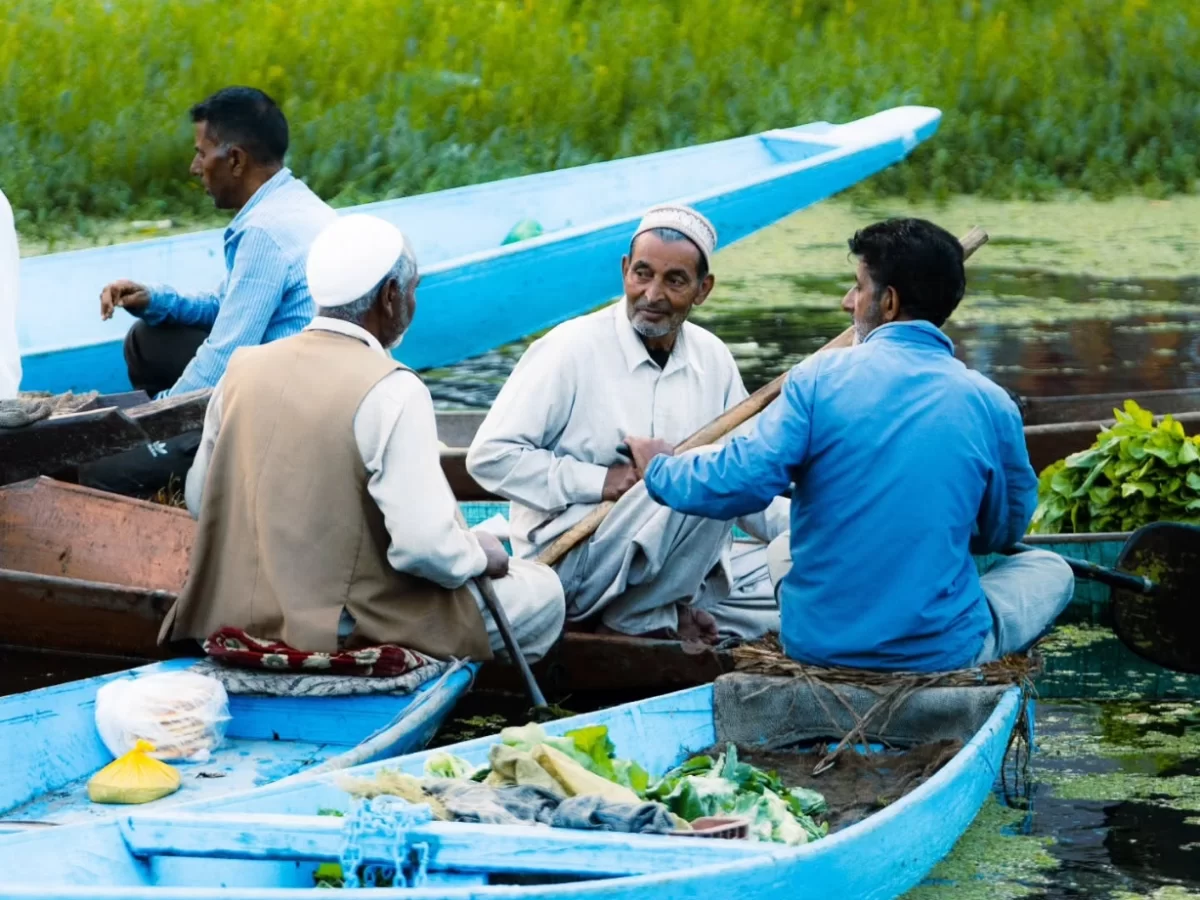
Visitors come to the Floating Market on Dal Lake to witness early-morning trading conducted entirely on water, where local vendors sell vegetables, flowers, and daily produce from small wooden boats. It appeals to travelers who want to observe real, working lake life rather than staged attractions.
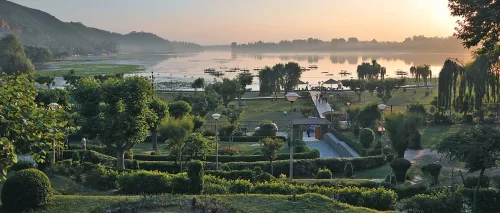
The on-ground atmosphere before sunrise is quiet and focused, with boats gliding silently across the water and transactions happening quickly and without spectacle. Mist over the lake, soft light, and minimal tourist presence create a calm but purposeful setting.
What makes this market distinct for travelers is its authenticity and timing, as it functions primarily for locals and operates at dawn rather than during regular sightseeing hours. It suits visitors willing to start early for an experience that reflects everyday life on Dal Lake rather than decorative tourism.
History of the Floating Market, Dal Lake, Srinagar
The Floating Market on Dal Lake developed organically as part of Srinagar’s long-standing lake-based livelihood system. Local boatmen and residents living on houseboats and lakeside hamlets began trading vegetables, fruits, flowers, and daily essentials directly from wooden shikaras to avoid long travel to land markets.
This waterborne trading practice is closely tied to the unique settlement patterns around Dal Lake, where canals and open water functioned as transport routes long before modern roads expanded. The market traditionally operates in the early morning hours, aligning with harvesting cycles and the practical rhythms of lake life.
Unlike planned or formally established markets, the Floating Market has no fixed date of origin or administrative foundation. Its historical value lies in continuity rather than age, representing a living economic tradition shaped by geography, necessity, and daily use of the lake rather than ceremonial or cultural institutions.
Best Time to Visit Floating Market on Dal Lake
The Floating Market on Dal Lake is best experienced during the warmer months when lake activity is at its peak, early-morning trade happens consistently, and weather conditions allow comfortable boat rides.
- Ideal months: May to September, when vegetable traders operate daily and tourist access to Dal Lake is smooth.
- Weather during the best season: Mild to warm mornings with calm water conditions, clear visibility, and stable shikara movement during dawn hours.
- Periods to avoid: December to February due to freezing temperatures, partial lake freezing, reduced market activity, and difficult early-morning boat access.
How to Reach Floating Market, Dal Lake, Srinagar
- Nearest Airport: Srinagar International Airport (Sheikh ul-Alam Airport), around 17 km away. The airport is well connected to major Indian cities. From the airport, taxis can take you to Dal Lake ghats such as Nehru Park or Ghat No. 9 in about 40 to 60 minutes, depending on traffic and security checks.
- Nearest Railway Station: Srinagar Railway Station (Nowgam), approximately 15 km from Dal Lake. It is connected to the Banihal section of the Kashmir rail network. From the station, taxis are the most reliable option to reach the lake ghats used for Floating Market access.
- Road Access & Last-Mile Connectivity: The Floating Market operates on Dal Lake and is accessible only by shikara. Visitors must first reach designated Dal Lake entry points such as Nehru Park or nearby ghats by road. The market starts very early in the morning, usually before sunrise, so advance arrangement of a shikara is essential. Weather conditions, lake visibility, and seasonal schedules can affect market activity, and it does not operate daily in a fixed format.
What to Expect When You Visit Floating Market on Dal Lake
- The environment is entirely water-based, with wooden shikaras floating on Dal Lake as vendors sell vegetables, flowers, and local produce. The setting feels functional and traditional rather than decorative.
- There are no physical facilities such as restrooms, seating areas, or food stalls, as the market operates directly from boats. All interaction happens while seated in a shikara.
- Accessibility depends on arranging a shikara ride, usually early in the morning. Boarding requires balance, and movement is limited once on the water, which may be uncomfortable for those uneasy on boats.
- Visitor activity overlaps with daily trade. Locals conduct real buying and selling, while tourists observe and take photographs, so patience and non-intrusive behavior are expected.
- The market operates during early morning hours only. Late arrivals may find fewer vendors or miss the activity entirely.
- Weather and water conditions affect the experience. Cold mornings, mist, or rain can reduce visibility and comfort, and the market may feel subdued during off-peak seasons.
Important Visitor Information for Floating Market, Dal Lake, Srinagar
- Crowd and Weather Notes: The floating market operates in the early morning hours on Dal Lake and is not heavily crowded, but activity increases during peak tourist seasons from May to September. Weather conditions can be cold and misty at dawn, with occasional rain affecting visibility and boat movement.
- Peak and Quiet Visiting Hours: The market is active between 5:00 AM and 7:00 AM, which is also the best time to witness local trade and daily life. After sunrise, activity reduces quickly, and the market disperses.
- Dress Code: No formal dress code applies, but warm clothing is essential due to early morning cold. Jackets and scarves are recommended, especially during spring and autumn.
- Safety Notes and Practical Cautions: Visits are done by shikara only, and water conditions can be chilly. Choose experienced local boatmen and wear life jackets if provided. Photography should be respectful, as traders are engaged in daily commerce rather than tourist activities.
Photography and Viewpoints at Floating Market, Dal Lake, Srinagar
- The best viewpoints are from a shikara positioned slightly behind or to the side of trading boats, allowing clear frames of vegetable-laden wooden boats against open water.
- Early morning between 5:30 am and 7 am offers the strongest photography conditions, with soft light, active trading scenes, and minimal tourist boat interference.
- Low-angle shots from within the shikara work best, as they keep the focus on vendors, produce baskets, and reflections on Dal Lake without modern elements entering the frame.
- As the sun rises higher, glare on the water increases and colors flatten, making late morning less suitable for detailed or balanced compositions.
- Photography is allowed for personal use, but close-up portraits should be taken only after consent, as vendors are local residents engaged in daily trade.
- Crowds increase quickly once tourist shikaras arrive after sunrise, which can disrupt authentic scenes and limit steady positioning for photography.