Quick Facts About Dal Lake
| Entry Fee | Free |
| Timings | 00:00 - 23:59 |
| Altitude (m) | 1585 |
| Ideal Visit Duration (hrs) | 4 |
| Best Time of Day | Morning |
| Crowd Level | High |
| Distance from Srinagar (km) | 6 |
| Walking Difficulty | Easy |
| Parking Available | Yes |
| Last Mile Access | Walk |
| Suitable for Kids | Yes |
| Suitable for Seniors | Yes |
| Wheelchair Friendly | No |
Why Visit Dal Lake, Srinagar
Dal Lake is a quintessential destination for experiencing the natural beauty and cultural richness of Kashmir. Its serene waters, surrounded by snow-capped mountains and lush gardens, offer a unique blend of tranquility and scenic splendor.
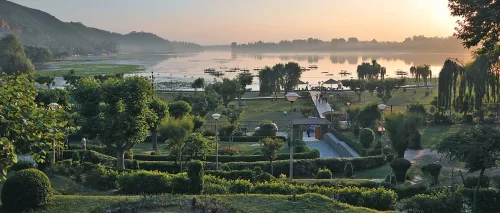
Atmosphere: The lake exudes a peaceful and relaxing atmosphere, with the gentle rocking of shikaras, chirping birds, and the reflection of the Himalayan peaks on its surface. Early mornings and evenings are particularly calm, ideal for meditation, photography, or quiet reflection.
What Makes it Special: Dal Lake is renowned for its floating gardens, vibrant houseboats, and traditional shikara rides, which provide a glimpse into the unique lifestyle of the local Kashmiri community. Visitors can enjoy boating, scenic photography, and witnessing the daily life of locals, making it both a cultural and natural attraction of exceptional beauty.
Historical and Cultural Significance
Dal Lake has been a central feature of Srinagar's landscape for centuries, serving as both a natural reservoir and a hub of cultural activity. The lake’s houseboats and floating gardens reflect traditional Kashmiri architecture and lifestyle, offering insights into the region’s heritage.
Historically, Dal Lake was an important waterway for trade and transportation, connecting different parts of Srinagar. Over time, it evolved into a major tourist attraction, famous for its shikaras, serene waters, and vibrant floating markets. The lake remains a symbol of Kashmiri identity and cultural heritage, attracting visitors who wish to experience the blend of nature and local traditions.
Cultural events, such as festivals and traditional boat gatherings, continue to take place on Dal Lake, maintaining its role as a living cultural landmark in the heart of Srinagar.
Best Time to Visit Dal Lake, Srinagar
The ideal time to visit Dal Lake is during the spring and summer months when the weather is pleasant, the water is calm, and the surrounding landscapes are lush and colorful. Winter visits offer a serene snow-covered view, while monsoon season may limit boating activities.
- Spring (March to May): Blooming gardens and mild weather make it perfect for boat rides and photography.
- Summer (June to August): Warm temperatures and clear skies provide excellent conditions for sightseeing and exploring houseboats.
- Autumn (September to November): Crisp air and clear reflections on the water offer spectacular photographic opportunities.
- Winter (December to February): Snow-covered landscapes create a magical atmosphere, ideal for tranquil lake views, though boating may be limited.
- Monsoon (July to September): Heavy rainfall can make outdoor activities challenging, but the surrounding hills appear lush and vibrant.
How to Reach Dal Lake, Srinagar
- By Air: The nearest airport is Srinagar International Airport (SXR), approximately 22 km from Dal Lake. From the airport, taxis or cabs can be hired to reach the lake and nearby houseboats.
- By Train: The closest railway station is Jammu Tawi (JAT), around 300 km away. From Jammu, travelers can hire taxis or take buses to Srinagar, followed by a short drive to Dal Lake.
- By Road: Srinagar is well connected by road to major cities in North India, including Jammu, Delhi, and Leh. Regular buses and private taxis can reach Srinagar, and the lake is easily accessible from the city centre.
- Local Transport: Within Srinagar, auto-rickshaws, taxis, and cycle rickshaws are available to reach Dal Lake. Boat rides (shikaras) provide direct access to various parts of the lake and houseboats.
What to Expect When You Visit Dal Lake, Srinagar
- Scenic views of the lake surrounded by snow-capped mountains and lush gardens.
- Traditional shikara boat rides offering a close-up experience of the lake’s floating gardens and houseboats.
- Opportunities to explore and stay in iconic houseboats, experiencing Kashmiri hospitality and culture.
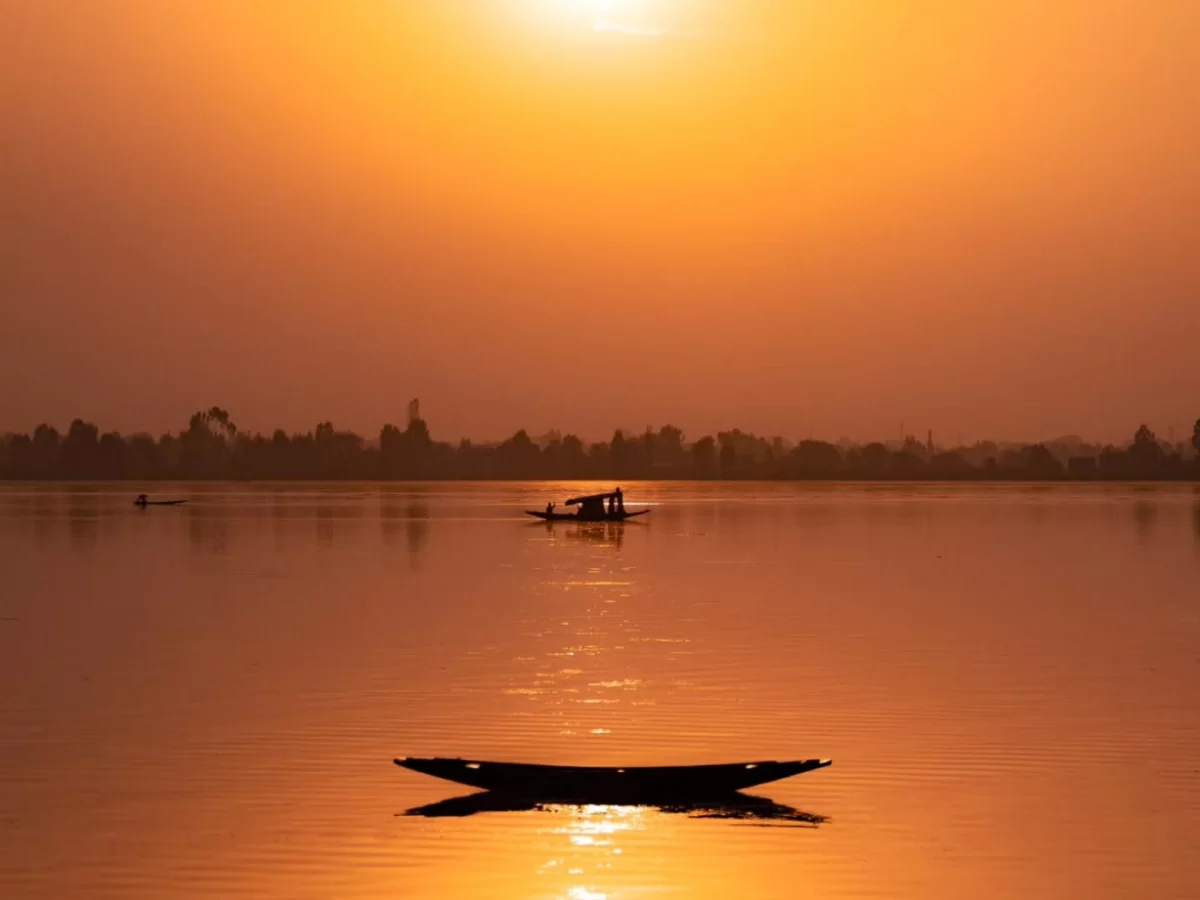
- Photography-friendly spots, especially during sunrise and sunset for breathtaking reflections and landscapes.
- Vibrant local life, including floating markets and interactions with boatmen and local artisans.
- Peaceful ambiance ideal for relaxation, meditation, or quiet nature walks along the lakeshore.
- Family-friendly and suitable for solo travelers, couples, and senior visitors, though caution is advised near water.
Important Visitor Information
- Crowd & Weather Notes: Dal Lake is busiest during summer (May to August) and during festivals like Eid and New Year. Weather is pleasant in spring and autumn; winters can be cold and foggy, while monsoon may bring heavy rainfall.
- Peak / Quiet Hours: Early mornings are quieter and ideal for photography and shikara rides. Afternoons see higher tourist activity, especially near main docking areas.
- Dress Code: Comfortable, casual clothing is recommended. Layered clothing is advisable in cooler months. Modest attire is suitable for interactions with local residents on houseboats.
- Safety Notes: Exercise caution during shikara rides and on floating houseboats. Keep children supervised near water. Follow local guidelines for safe boating and docking practices.
Photography and Viewpoint
- Dal Lake offers stunning photographic opportunities with its serene waters reflecting the surrounding Himalayan peaks, especially during sunrise and sunset.
- Shikara rides allow visitors to capture unique angles of floating gardens, traditional houseboats, and local life on the water.
- Wide shots of the lake with mountains in the background provide iconic landscape images, ideal for both professional and casual photographers.
- Floating markets and daily activities on the lake create vibrant candid photography opportunities showcasing Kashmiri culture.
- Photography is best in the early morning for soft light and calm waters, and late afternoon for golden-hour reflections.
- Visitors should respect privacy and avoid disturbing residents or boatmen when photographing houseboats and personal spaces.