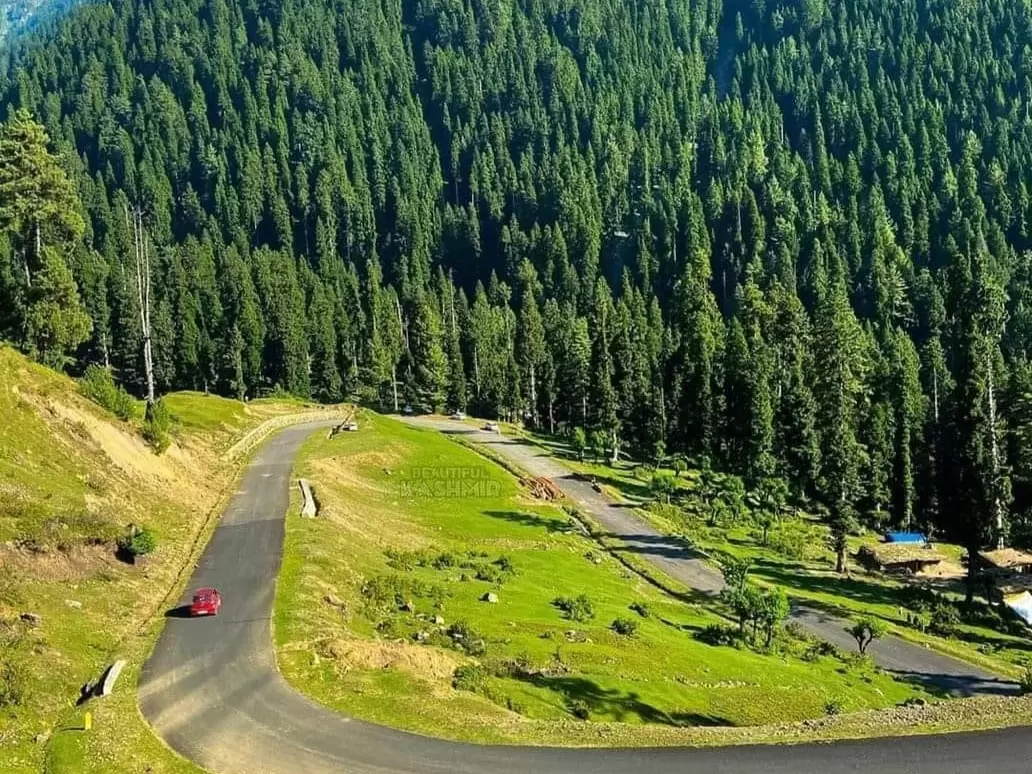
Daksum: Hidden Alpine Retreat and Trekking Hub in Anantnag, Jammu and Kashmir, India

Daksum , Pahalgam
Tourists visit Daksum to experience the raw, uncommercialized beauty of the Kashmiri Himalayas. Characterized by dense coniferous forests, gushing mountain streams, and grassy glades, it serves as a tranquil alternative to the more crowded hill stations. The area is a major destination for anglers seeking brown trout in the Bringi River and for trekkers using it as a base camp for the high-altitude journey toward the Sinthan Top and the Margan Top. Its unique charm lies in its \"silent valley\" atmosphere, where the only sounds are the rustling of ancient pine trees and the flow of the river, making it a perfect spot for nature photography and camping.

Quick Facts About Daksum

Entry Fee Free
Timings 00:00 - 23:59
Altitude (m) 2438
Ideal Visit Duration (hrs) 6
Best Time of Day Morning
Crowd Level Low
Distance from Srinagar (km) 95
Distance from Anantnag (km) 40
Walking Difficulty Moderate
Parking Available Yes
Last Mile Access Road
Suitable for Kids Yes
Suitable for Seniors No
Wheelchair Friendly No

Why Visit Daksum in Anantnag

Daksum is a hidden forest retreat situated at an elevation of approximately 8,000 feet, nestled in the dense coniferous belt of South Kashmir. Travelers visit this tranquil destination to experience an authentic alpine wilderness that remains largely untouched by mainstream tourism, serving as a peaceful base for those trekking toward the Sinthan Top pass or exploring the deep, wooded valleys that lead into the Kishtwar region.

The atmosphere on the ground is defined by a sense of deep seclusion and the continuous, soothing sound of the Bringhi River rushing over rocky beds. Visitors encounter a landscape of vast, emerald-green meadows surrounded by towering snow-capped peaks and thick forests of pine and deodar. The environment is characterized by its crisp mountain air and the absence of commercial noise, offering a visceral connection to nature where shepherd huts and wooden forest rest houses are the only notable structures against the dramatic Himalayan backdrop.

What makes Daksum distinct is its role as a premier destination for "slow travel" and eco-tourism in the Kashmir Valley. It offers unparalleled opportunities for trout fishing in the crystal-clear waters of the Bringhi and serves as a gateway to several high-altitude trekking trails, including the route to the sacred Margan Top. Standing in Daksum provides a unique vantage point to witness the raw, unpolished beauty of the Bringhi Valley, making it an essential stop for solitude seekers, nature photographers, and those wishing to explore the verdant intersection of the Greater Himalayas and the Pir Panjal range.

Historical and Geographic Significance of Daksum

Daksum is a hidden gem and a pristine forest retreat situated at an elevation of approximately 2,438 meters (8,000 feet) in the Anantnag district of Jammu and Kashmir. Located along the Anantnag-Semthan-Kishtwar road, it serves as a tranquil transit point and a base camp for trekkers heading toward the high-altitude Sinthan Top and the remote regions of Kishtwar.

Geographically, Daksum is nestled in a narrow, verdant valley carved by the Bringhi River. The landscape is characterized by dense coniferous forests of pine and fir, undulating alpine meadows, and steep mountain ridges. The Bringhi River, famous for its trout-rich waters, meanders through the heart of Daksum, providing a constant melodic backdrop. The area is a vital part of the Daksum-Sinthan sanctuary, offering a rich habitat for Himalayan wildlife and serving as a critical ecological corridor between the Kashmir Valley and the Chenab region.

Historically, Daksum has remained largely untouched by large-scale commercialization, preserving its identity as a quiet sanctuary for nature lovers and shepherds. It was traditionally a seasonal grazing ground and a resting stop for nomadic tribes and travelers crossing the rugged mountain passes into the Jammu province. Unlike the more famous resorts of Pahalgam or Gulmarg, Daksum offers a raw and authentic Himalayan experience. Today, it is managed by the Jammu and Kashmir Tourism Development Corporation (JKTDC) and is increasingly recognized as a premier destination for eco-tourism, angling, and solitude-seeking travelers exploring the off-beat trails of South Kashmir.

Best Time to Visit Daksum

Daksum, situated at an altitude of approximately 8,000 feet in the Anantnag district, is a hidden forest retreat that serves as the gateway to the Sinthan Pass. Characterized by the rushing Bringi River, dense coniferous forests, and sprawling alpine meadows, Daksum offers a raw and peaceful alternative to more commercial hill stations. Its accessibility is generally stable throughout the year, but the experience shifts dramatically from a lush summer haven to a quiet, snow-clad winter sanctuary.

  • Ideal months: April to September is the prime period for visit; the spring months of April and May offer vibrant greenery and blooming wildflowers, while September provides crisp air and the best conditions for trekking into the surrounding mountains.
  • Weather conditions: Summer daytime temperatures are exceptionally pleasant, ranging from 15°C to 25°C, making it a perfect escape from the heat of the plains. However, the high forest density and river proximity mean that evenings can be quite cool, often requiring light woolens even in July.
  • Periods to avoid: Avoid the peak winter months of January and February if you are not prepared for isolation, as heavy snow can occasionally restrict movement on the forest trails and the temperature can drop below freezing; additionally, the peak monsoon weeks in August can make the riverside paths slippery and the unpaved forest tracks muddy.

How to Reach Daksum

Daksum is a scenic forest retreat and a trekker's paradise located in the Anantnag district of South Kashmir. Situated at an elevation of approximately 2,438m (8,000 ft) within the Bringi River valley, it serves as a peaceful gateway to the high-altitude Sinthan Top and the Margan Top, offering dense coniferous forests, gurgling brooks, and vast grassy meadows.

  • Nearest Airport: Srinagar International Airport (SXR) is the closest air gateway, located about 100 km away. The drive typically takes 3 to 4 hours via the National Highway 44 and the Anantnag-Kokernag road.
  • Nearest Railway Station: Anantnag Railway Station is the nearest railhead, situated roughly 45 km from Daksum. From the station, travelers can hire private taxis or use local shared transport via Achabal and Kokernag.
  • Road Access and Route: The journey follows the route: Srinagar – Anantnag – Achabal – Kokernag – Daksum. The road is well-paved and follows the course of the Bringi River. Daksum is located directly on the Anantnag-Kishtwar road (NH244), making it a popular stop for those crossing into the Jammu region via Sinthan Top.
  • Last-Mile Connectivity: The central meadow and tourist areas of Daksum are accessible by all vehicle types. Local shared taxis (Sumos) operate regularly from the Anantnag and Kokernag stands. For those heading toward the trekking trails of Rajparian Wildlife Sanctuary, a short walk from the main road is required.
  • Permits and Security: Indian citizens do not require a formal permit to visit Daksum, but carrying a valid government ID (Aadhaar Card) is mandatory for verification at security checkpoints, especially if you plan to travel further toward Sinthan Top or Kishtwar.
  • Seasonal Accessibility: Daksum is accessible for most of the year. However, during peak winter (January to March), heavy snowfall can occasionally block the road beyond Kokernag. The best time to visit is from April to October when the weather is pleasant and the forests are lush green.
  • Practical Amenities: Accommodation is primarily provided by the JKTDC tourist bungalows and the Forest Department guest house. There are limited private hotels in Daksum; more options are available in nearby Kokernag. Basic tea stalls and small eateries are available, but it is advisable to carry essential supplies. Mobile connectivity is limited, with BSNL being the most reliable network.

What to Expect When You Visit Daksum

http://googleusercontent.com/map_location_reference/1

[Daksum](http://googleusercontent.com/map_location_reference/0) is a hidden gem in the Anantnag district, offering a raw and untouched wilderness experience that stands in stark contrast to the more commercialized hill stations of Kashmir. Tucked away in a densely forested gorge at an altitude of approximately 2,438 meters, it is a place where the only sounds are the rhythmic roar of the Bringhi River and the occasional notes of a shepherd's flute. It serves as a perfect retreat for those looking to "pause" and immerse themselves in the deep healing silence of cedar and pine forests.
  • Environment and Surroundings: The valley is a dramatic landscape of steep, coniferous-clad hills, lush grassy meadows, and crystal-clear mountain streams. Reviewers often describe the air as incredibly bracing and the atmosphere as one of total solitude. The Pir Panjal range forms a majestic backdrop, with mist often rolling across the mountain slopes and sunlight filtering through the dense canopy like golden dust.
  • Facilities and Amenities: Being an offbeat destination, the infrastructure is modest but functional. There is a JKTDC tourist bungalow and a forest rest house available for stay, along with several private options like Bhat Guest House or nearby cottages in the Kokernag area. While seasonal tea stalls may operate along the highway, visitors are advised to carry their own snacks and water, as commercial dining options are limited within the forest zone.
  • Accessibility and Movement: Daksum is located about 85-90 kilometers from Srinagar and is reached via a scenic drive through Achabal and Kokernag on the Anantnag-Kishtwar road. The road is well-paved but can be winding and steep as it begins the ascent toward Sinthan Top. Mobile network connectivity is notoriously weak or entirely absent in the valley, adding to the feeling of being "off the grid."
  • Typical Visitor Behavior and Conditions: The area is a "walker’s delight," with numerous nature trails and short forest hikes. It also serves as a critical base camp for serious trekkers heading toward the high-altitude Sinthan Top (3,748m). Anglers frequent the Bringhi River for its famous trout, while families often stop for 2-3 hours for riverside picnics. Reviewers suggest visiting between May and September for the best weather, or in autumn to see the forest turn a vibrant golden-orange.

Essential Visitor Information for Daksum

  • Crowd and Weather: Daksum is an exceptionally quiet forest retreat located at the base of the Sinthan Top; it is a pristine alternative to crowded hill stations, characterized by dense coniferous forests and the rushing Bringi River. The weather is cool and bracing from April to September, while winters are heavy with snow, making it a serene retreat for solitude seekers.
  • Peak and Quiet Visiting Hours: The area is best explored during daylight hours between 9:00 AM and 4:00 PM; as it is a remote forest glade with very limited commercial activity, the surroundings become pin-drop silent after sunset, and movement is generally restricted to the immediate vicinity of the rest houses.
  • Dress Code and Conduct: Wear layered clothing and sturdy trekking boots for navigating the forest floor and riverside trails; the environment is untouched, so visitors are expected to follow strict "leave no trace" principles. Modest attire is appreciated when interacting with the local Gujjar and Bakarwal shepherds who frequent the high pastures.
  • Safety and Practical Cautions: There is no mobile connectivity in the deep forest zones of Daksum; carry all essentials, including a first-aid kit and dry snacks. Be mindful of the fast-flowing Bringi River, especially during the snow-melt season, and avoid straying too deep into the forest without a local guide due to the presence of wildlife.
  • Logistics and Access: Located about 40 km from Anantnag on the way to Kishtwar, Daksum has no luxury hotels; accommodation is primarily limited to the Jammu & Kashmir Tourism (JKTDC) bungalows and forest rest houses. Ensure your vehicle is fueled at Anantnag or Kokernag before proceeding, as there are no fuel stations in the immediate forest area.

Capturing the Alpine Wilderness of Daksum

  • Bringhi River Cascades: The primary photography subject is the Bringhi River as it rushes over large boulders. Use a tripod and a slow shutter speed near the wooden footbridges to capture the "silk" effect of the glacial water against the dark green backdrop of the coniferous forest.
  • Coniferous Forest Density: For dramatic forest photography, head to the fringes of the Kishtwar National Park. The towering pine and deodar trees create a "cathedral effect" with light beams (God rays) filtering through the canopy, especially between 8:00 AM and 9:30 AM when the morning mist is still lifting.
  • Sheep Trail Perspective: Daksum is a major corridor for migratory Gujjar and Bakarwal tribes. Position yourself at a high-angle bend on the Anantnag-Kishtwar road to capture the immense scale of thousands of sheep moving through the valley, providing a unique cultural and rhythmic pattern to your shots.
  • Mughal Road Hairpins: As you ascend toward the Sinthan Pass, the road features several dramatic serpentine curves. Elevated pull-offs offer a perfect vantage point to use a wide-angle lens, framing the winding asphalt road as it snakes through the steep, verdant mountain slopes.
  • Golden Hour and Shadow Depth: Because Daksum is a narrow valley surrounded by high ridges, the sun sets early. The most effective lighting for landscape shots occurs in the late afternoon (3:00 PM to 4:30 PM), when the long shadows emphasize the undulations of the forest floor and the rugged mountain textures.
  • Wildlife and Macro Opportunities: The region is rich in alpine flora and birdlife. A telephoto lens (200mm to 400mm) is recommended for capturing the diverse Himalayan bird species, while a macro lens can document the unique wildflowers that carpet the forest edges during the spring and summer months.

Near By Attraction

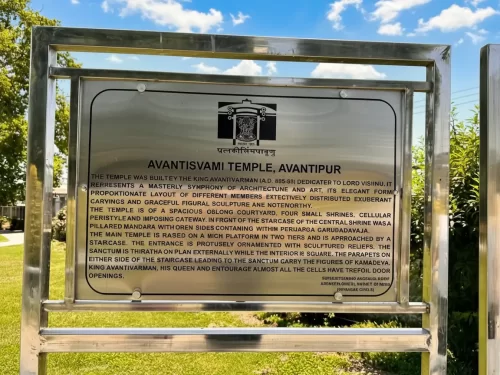
Avantiswami Temple Avantipura information board ruins layout Shiva Vishnu shrines cells pillars ASI protected, Jammu Kashmir heritage tour packages. Archaeological Site

Avantipura Ruins

Avantipura Ruins are the remains of two 9th-century Hindu temples built by King Avantivarman in present-day Awantipora, Pulwama district.
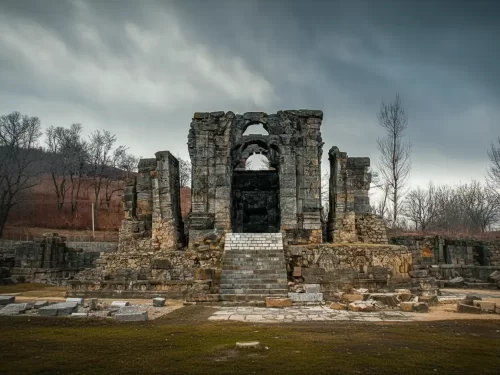
Martand Sun Temple ancient stone ruins arched entrance pillars cloudy sky barren trees Kashmir Jammu, historical heritage tour packages. Temple

Martand Sun Temple

Martand Sun Temple is an 8th-century Hindu temple dedicated to the Sun God, located near Anantnag in Jammu and Kashmir.
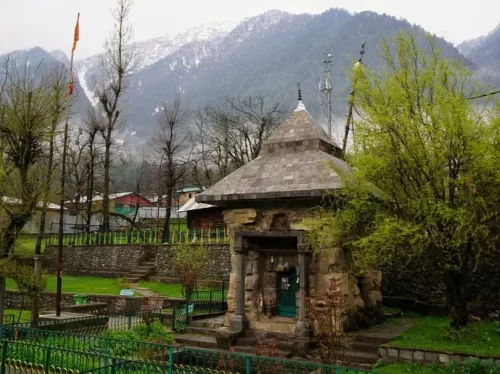
Mamaleshwar Temple Pahalgam ancient Shiva temple with stone architecture set against Himalayan backdrop in Kashmir Temple

Mamaleshwar Temple

Mamaleshwar Temple is an ancient Hindu temple dedicated to Lord Shiva, located near the Lidder River in Pahalgam, Anantnag district of Jammu and Kashmir.

Frequently Asked Questions About Daksum

Daksum is located in the Anantnag district of Jammu and Kashmir, along the scenic route connecting Kashmir Valley to the Kishtwar region. It is surrounded by dense forests, mountain streams, and open meadows.
Daksum can be reached by road from Srinagar in about 2 to 3 hours via Anantnag. Private taxis are the most convenient way to travel, and the drive passes through forested mountain stretches.
The best time to visit Daksum is between April and October when the weather in Jammu and Kashmir remains pleasant and greenery is at its peak. Summer and early autumn provide comfortable outdoor conditions.
Daksum is suitable for a full day trip from Srinagar for travelers seeking a quiet nature experience. The journey itself offers scenic views, making the drive part of the attraction.
Around four to five hours are generally sufficient to explore Daksum at a relaxed pace. Visitors often spend time walking along streams and enjoying the forest environment.
Travelers in Daksum can enjoy nature walks, photography, light trekking, and riverside relaxation. The area is more about peaceful outdoor exploration than structured tourist activities.
Daksum is suitable for families and senior citizens who prefer calm surroundings and light walking. The terrain is mostly natural and open, so basic caution near streams and uneven ground is necessary.
Daksum can be visited during winter, but snowfall in Jammu and Kashmir may affect road access. Snow covered landscapes create a different atmosphere, though travel conditions should be checked beforehand.
Limited accommodation options are available near Daksum, mainly in the form of basic guesthouses or forest rest houses. Many travelers choose to stay in Srinagar or Anantnag and visit Daksum during the day.
Food and restroom facilities in Daksum are limited and mostly basic. It is advisable to carry water and snacks when traveling from Srinagar or nearby towns.
Daksum remains relatively less crowded compared to major tourist spots in Jammu and Kashmir. Even during peak travel months, it usually offers a quieter experience.
Visitors going to Daksum should carry comfortable walking shoes, water, seasonal clothing, and basic essentials. Weather in forested mountain areas of Jammu and Kashmir can change quickly, so preparation ensures a smoother visit.

Loved this place ? Let’s Plan Your Jammu and Kashmir Trip

Get customized Jammu and Kashmir tour planning designed around seasonal weather patterns, valley travel routes, snow conditions, and realistic hill road timing. Whether you are visiting for scenic landscapes, serene lakes, spiritual journeys, meadow stays

⚑ Quick Response | πŸ’° Free consultation | πŸ•’ 24Γ—7 expert support

×

Plan Your Trip