+91 9910402252
admin@chalbanjare.com


| Entry Fee | Free |
| Timings | 06:00 - 18:00 |
| Altitude (m) | 3050 |
| Ideal Visit Duration (hrs) | 3 |
| Best Time of Day | Morning |
| Crowd Level | Low |
| Distance from Srinagar (km) | 50 |
| Walking Difficulty | Moderate |
| Parking Available | No |
| Last Mile Access | Walk |
| Suitable for Kids | Yes |
| Suitable for Seniors | No |
| Wheelchair Friendly | No |
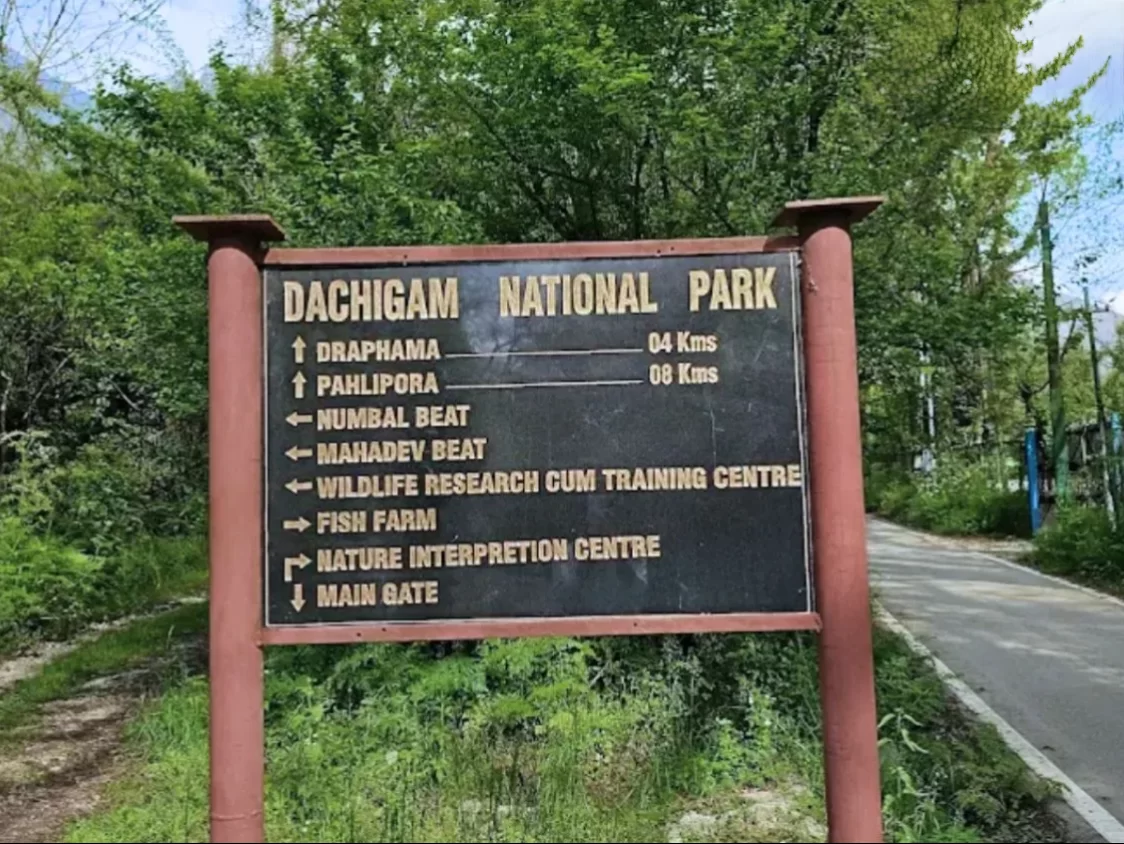
Visitors come to Dachigam National Park to see Kashmir’s protected wildlife landscape, especially the chance to spot the Hangul (Kashmir stag) in its natural habitat. It appeals to travelers who want a nature-focused experience close to Srinagar without committing to long-distance travel.
The on-ground atmosphere is quiet, forested, and distinctly wild, with changing terrain that includes river valleys, dense woodland, and alpine meadows. Sounds of flowing water, bird calls, and minimal human activity make the park feel removed from city life despite its proximity.
What makes Dachigam distinct for travelers is its combination of biodiversity and accessibility, offering a genuine national park experience within a short drive from Srinagar. It is particularly rewarding for wildlife enthusiasts, birdwatchers, and travelers who value raw natural settings over manicured attractions.
Dachigam National Park was originally established in 1910 as a protected game reserve by the Maharaja of Jammu and Kashmir, primarily to safeguard the region’s forests and secure a clean water supply for the city of Srinagar. The name “Dachigam” literally means “ten villages,” referring to the settlements that were relocated to create this protected area.
During the princely era, the reserve was closely guarded and access was restricted, which helped preserve its diverse ecosystems and wildlife. After India’s independence, the area continued under protection and was officially notified as a national park in 1981, marking a shift from royal conservation to scientific wildlife management.
Dachigam gained national importance for being the last stronghold of the endangered Hangul (Kashmir stag). Its long history of protection is the primary reason the park still retains intact forest cover, alpine meadows, and a wide range of Himalayan flora and fauna, making it one of the most historically significant conservation areas in Kashmir.
Dachigam National Park is best experienced during the warmer and drier months when wildlife movement is more visible, internal park routes are accessible, and guided safaris operate regularly without weather disruptions.
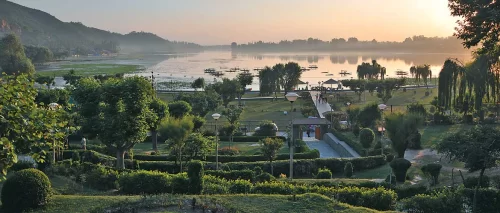 Lake
Lake
Manasbal Lake is a freshwater lake located in Ganderbal district, Jammu and Kashmir, surrounded by villages and gardens in the Kashmir Valley.
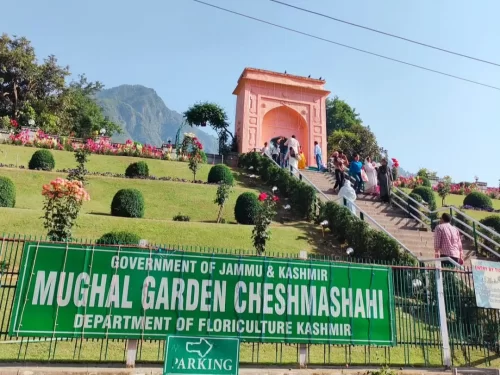 Garden
Mughal Garden refers to a group of historic terraced gardens located in Srinagar, Jammu and Kashmir, developed during the Mughal era and including famous sites such as Shalimar Bagh, Nishat Bagh, and Chashme Shahi.
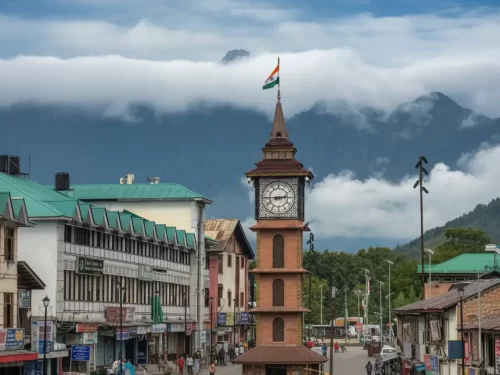 Market / Bazaar
Lal Chowk is a central public square and commercial hub located in the heart of Srinagar city.
Get customized Jammu and Kashmir tour planning designed around seasonal weather patterns, valley travel routes, snow conditions, and realistic hill road timing. Whether you are visiting for scenic landscapes, serene lakes, spiritual journeys, meadow stays
⚡ Quick Response | 💰 Free consultation | 🕒 24×7 expert support