+91 9910402252
admin@chalbanjare.com


| Entry Fee | Free |
| Timings | 09:00 - 18:30 |
| Altitude (m) | 1574 |
| Ideal Visit Duration (hrs) | 1 |
| Best Time of Day | Morning |
| Crowd Level | Moderate |
| Distance from Srinagar (km) | 35 |
| Walking Difficulty | Easy |
| Parking Available | Yes |
| Last Mile Access | Road |
| Suitable for Kids | Yes |
| Suitable for Seniors | Yes |
| Wheelchair Friendly | No |
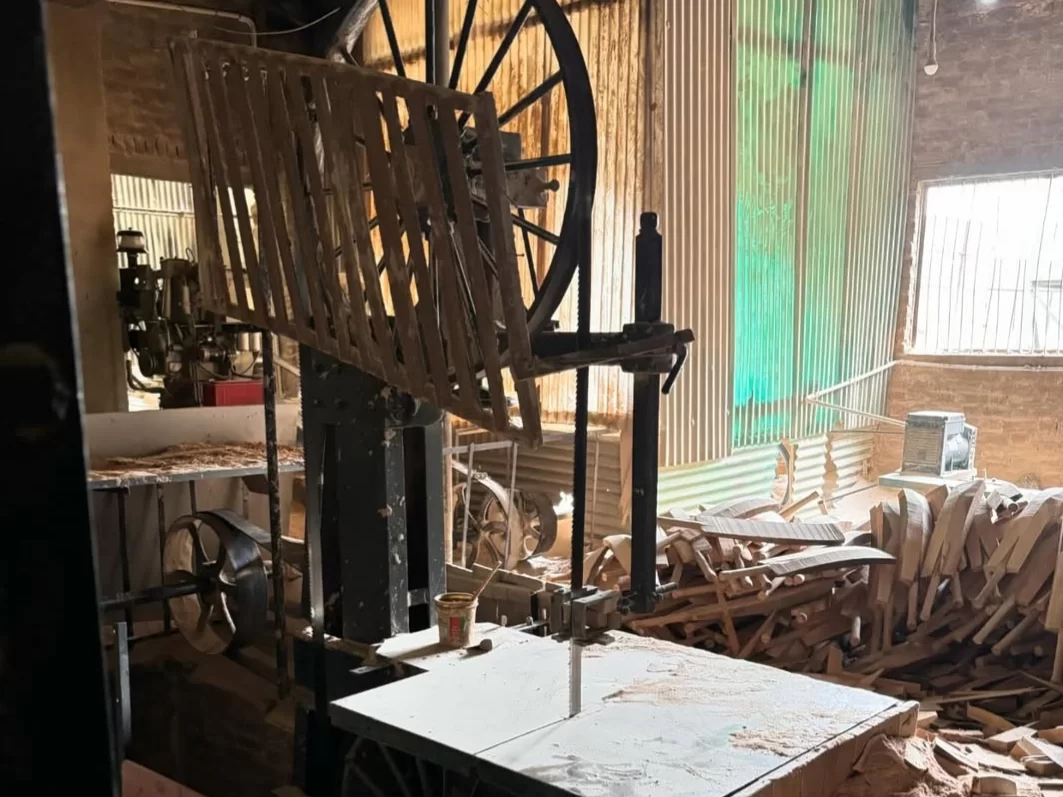
The stretch of the national highway between Pampore and Sangam is the heart of India’s cricket bat industry, home to hundreds of local workshops and factories. Travelers visit this region to witness the fascinating transformation of raw Kashmir Willow into high-quality professional bats, a craft that has been passed down through generations and supplies cricketers across the globe.
The on-ground atmosphere is sensory and industrious, characterized by the rhythmic sound of wood being planed and the distinct, clean aroma of freshly cut willow. Visitors encounter thousands of "clefts" (unfinished bat pieces) stacked in towering geometric patterns to air-dry under the sun. Walking through these factories allows you to see the entire manual process—from the initial shaping and handle fitting to the final polishing and branding—offering a raw, behind-the-scenes look at a local economy built on a single, specialized skill.
What makes the Pampore-Sangam bat factories distinct is their exclusive use of the English Willow’s close cousin, the Salix alba caerulea, which thrives in the moist, cool climate of the Kashmir Valley. It offers travelers a unique opportunity to purchase custom-made bats directly from the craftsmen at a fraction of retail prices. These factories serve as a vital cultural link between the natural resources of the valley and the national obsession with cricket, making it an essential stop for sports enthusiasts and those interested in traditional Himalayan cottage industries.
Pampore and the adjacent Sangam-Sethar belt are the epicenter of the Kashmiri cricket bat industry, situated at an elevation of approximately 1,574 meters (5,164 feet) in the Pulwama district. This industrial corridor is world-renowned for producing high-quality cricket bats from the famous Kashmir Willow, making it a vital manufacturing hub that supplies professional and amateur equipment to markets across the globe.
Geographically, the industry is anchored by the abundance of the Salix alba caerulea (Willow) tree, which thrives in the wetlands and along the riverbanks of the Jhelum basin. The temperate climate and the specific moisture content of the valley's soil provide the timber with the necessary resilience and shock-absorption qualities required for bat making. The factories are strategically positioned along the Srinagar-Jammu National Highway, allowing for efficient logistics and creating a unique "industrial landscape" where thousands of willow clefts are seen stacked in open yards for natural seasoning.
Historically, the cricket bat industry in Kashmir was established during the late 19th century, with its roots often traced back to the arrival of the British and the subsequent establishment of manufacturing units to meet the demand for the sport. Over the decades, local craftsmen mastered the art of hand-crafting bats, passing down techniques of cleft-cutting, pressing, and shaping through generations. Today, the industry has gained significant international recognition, with Kashmiri Willow bats now being used in international tournaments. These factories represent a unique blend of traditional craftsmanship and rural industrialization, serving as a primary livelihood for thousands of families in the Pampore and Sangam regions.
Pampore and the adjacent Sangam-Sethi belt are the global epicenter of the Kashmir Willow cricket bat industry. While workshops operate throughout the year along the Srinagar-Anantnag highway, the manufacturing cycle is deeply tied to the seasonal climate, which is essential for the natural seasoning and drying of the willow clefts. Visiting a factory offers a tactile look at the transition from raw timber to high-performance sports equipment.
The Kashmir cricket bat industry is primarily concentrated along the Srinagar-Jammu National Highway (NH44), spanning from Pampore through Sethar to Sangam. These factories produce the world-famous "Kashmir Willow" bats, allowing travelers to witness the entire manufacturing process—from the initial splitting of willow logs (clefts) to the final polishing and seasoning.
Pampore and its neighboring village, Sethar, are world-renowned hubs for the production of high-quality Kashmiri willow cricket bats. The [The bat factory](http://googleusercontent.com/map_location_reference/0) and similar units along the National Highway (NH44) offer a unique industrial tourism experience where visitors can witness the entire transformation of a raw willow log into a professional-grade cricket bat. This region is the primary supplier of bats to both domestic players and international markets, utilizing the indigenous "Salix alba" willow trees that thrive in the Kashmir Valley's wetlands.
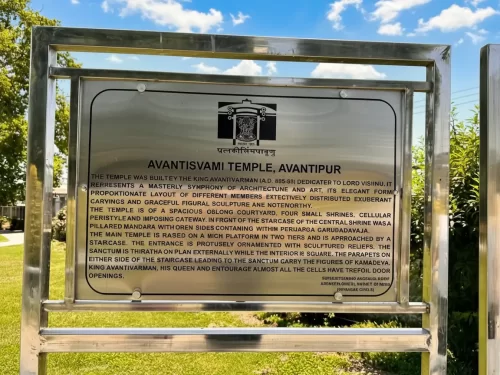 Archaeological Site
Avantipura Ruins are the remains of two 9th-century Hindu temples built by King Avantivarman in present-day Awantipora, Pulwama district.
 Temple
Martand Sun Temple is an 8th-century Hindu temple dedicated to the Sun God, located near Anantnag in Jammu and Kashmir.
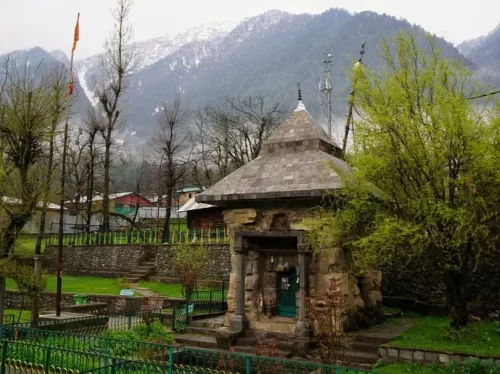 Temple
Mamaleshwar Temple is an ancient Hindu temple dedicated to Lord Shiva, located near the Lidder River in Pahalgam, Anantnag district of Jammu and Kashmir.
Get customized Jammu and Kashmir tour planning designed around seasonal weather patterns, valley travel routes, snow conditions, and realistic hill road timing. Whether you are visiting for scenic landscapes, serene lakes, spiritual journeys, meadow stays
⚡ Quick Response | 💰 Free consultation | 🕒 24×7 expert support

