Quick Facts About Chandanwari
| Entry Fee | Free |
| Timings | 06:00 - 18:00 |
| Altitude (m) | 2650 |
| Ideal Visit Duration (hrs) | 1 |
| Best Time of Day | Morning |
| Crowd Level | Moderate |
| Distance from Srinagar (km) | 45 |
| Walking Difficulty | Easy |
| Parking Available | Yes |
| Last Mile Access | Walk |
| Suitable for Kids | Yes |
| Suitable for Seniors | Yes |
| Wheelchair Friendly | No |
Why Visit Chandanwari in Jammu & Kashmir
Visitors come to Chandanwari as the starting point for treks to Amarnath Cave and for its high-altitude meadows, attracting travelers interested in pilgrimage routes or scenic Himalayan landscapes. It is often included as a brief stop during travel through the Pahalgam region.
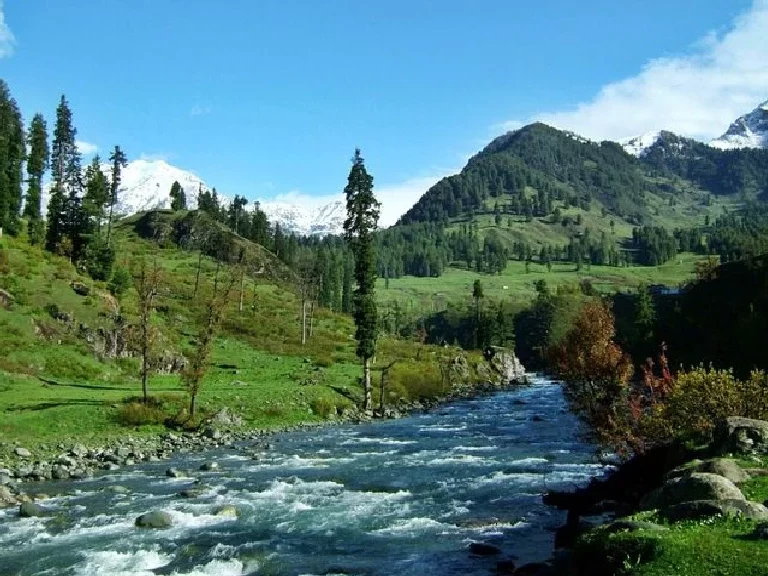
The on-ground atmosphere is cool and open, with grassy slopes, scattered pine trees, and views of snow-capped peaks. The area feels peaceful but functional, with basic facilities for pilgrims and trekkers, and a steady flow of visitors during the pilgrimage season.
What makes Chandanwari distinct for travelers is its role as both a natural meadow and a gateway for religious treks, offering an early Himalayan experience without deep trekking. It suits visitors who value short, scenic stops combined with cultural or pilgrimage significance.
History of Chandanwari, Pahalgam
Chandanwari has historically been known as the starting point of the traditional Amarnath Yatra pilgrimage in Kashmir. The site served as the base camp for early pilgrims traveling to the Amarnath cave, with local pastoral communities providing guidance and shelter along the route.
During the 19th and early 20th centuries, Chandanwari was a key waypoint for pilgrims and traders moving through the Lidder Valley. Its meadows were used seasonally for grazing livestock and for temporary lodging during the pilgrimage season.
The historical importance of Chandanwari is closely tied to religious tradition and seasonal movement, rather than constructed monuments or political events. Its continued role in the Amarnath Yatra underscores its long-standing functional and spiritual significance in the region.
Best Time to Visit Chandanwari
Chandanwari is best visited when the route from Pahalgam is snow-free and the surrounding meadows are accessible, as the location serves as the starting point for trekking and seasonal activities.
- Ideal months: May to September, when the path is open, weather is stable, and trekking or sightseeing can be done comfortably.
- Weather during the best season: Cool to mild temperatures, clear skies, green meadows, and stable ground suitable for walking and short treks.
- Periods to avoid: October to April due to heavy snowfall, icy paths, limited access, and unsafe conditions for trekking or sightseeing.
How to Reach Chandanwari, Jammu & Kashmir
- Nearest Airport: Srinagar International Airport (Sheikh ul-Alam Airport), approximately 45 km from Chandanwari. The airport is connected to major Indian cities. From the airport, taxis or private vehicles can reach Chandanwari via Pahalgam, usually taking 1.5 to 2 hours depending on traffic and road conditions.
- Nearest Railway Station: Srinagar Railway Station (Nowgam), about 40 km away. It is connected to the Banihal–Baramulla rail line. From the station, taxis are required to reach Chandanwari, as there is no direct public transport to this starting point of the Amarnath Yatra route.
- Road Access & Last-Mile Connectivity: Chandanwari is located along the Pahalgam–Amarnath route. Private taxis, local cabs, and buses can reach the base area near Chandanwari. The final approach may involve short walks on steep paths, and during peak pilgrimage season or winter months, road access may be regulated, and additional walking or trekking may be required. Visitors should check weather conditions and local permits before travel.
What to Expect When You Visit Chandanwari
- The environment at Chandanwari is alpine and forested, with lush meadows, pine trees, and the starting point of the Amarnath Yatra trek. The area feels serene yet busy during pilgrimage season.
- Facilities are limited. There are small temporary shelters and stalls for pilgrims during yatra season, but restrooms, food services, and seating are minimal and seasonal.
- Accessibility involves road travel up to Chandanwari, followed by walking on sloped or uneven terrain if proceeding further along the trail. Paths can be muddy or slippery in rain or snow.
- Movement is organized during pilgrimage season, with crowds following designated routes. Outside the yatra period, the area is quiet and open for casual visitors or trekkers.
- Visitor behavior varies. During the yatra, there is high foot traffic, while in off-season, visitors are mostly hikers or photographers moving at their own pace.
- Weather affects comfort and safety. Sudden rain, snowfall, or cold winds are common, and proper clothing and footwear are essential for any visit.
Important Visitor Information for Chandanwari, Jammu & Kashmir
- Crowd and Weather Notes: Chandanwari is moderately visited, primarily by pilgrims and trekkers heading toward Amarnath Cave. Peak crowds occur during the Amarnath Yatra season (July to August). Weather remains cool in summer, with occasional rain and fog, while winters bring heavy snowfall and inaccessible roads.
- Peak and Quiet Visiting Hours: Late morning to early afternoon is the busiest period during Yatra season. Early mornings offer a quieter experience and better conditions for trekking preparation or photography.
- Dress Code: Modest attire is recommended due to religious significance. Trekking-appropriate layered clothing, sturdy footwear, and rain protection are essential.
- Safety Notes and Practical Cautions: The area involves steep and uneven trails; altitude sickness can affect visitors. Follow designated paths strictly, carry sufficient water and medical supplies, and avoid traveling alone. Weather can change rapidly, so plan visits during daylight hours.
Photography and Viewpoints at Chandanwari, Jammu and Kashmir
- The main trailhead area provides clear viewpoints of the surrounding meadows, pine forests, and the start of the Aru and Pahalgam trekking routes.
- Elevated spots along the roadside allow wider frames of the valley, with foreground wildflowers and flowing streams enhancing composition depth.
- Morning light between 7 am and 9 am is ideal, as soft sunlight illuminates the meadows and forest edges while reducing harsh shadows.
- Late afternoon light adds warmth to the grasslands but can create high contrast areas under dense forest cover, requiring careful exposure adjustment.
- Photography is allowed for personal use, but visitors should avoid venturing off marked trails and respect local shepherd and tourist activity areas.
- Crowds are moderate, increasing during peak trekking season; early visits provide unobstructed frames and better opportunities for landscape shots.