Quick Facts About Betab Valley
| Entry Fee | 50 |
| Timings | 08:00 - 18:00 |
| Altitude (m) | 2430 |
| Ideal Visit Duration (hrs) | 2 |
| Best Time of Day | Morning |
| Crowd Level | Moderate |
| Distance from Pahalgam (km) | 15 |
| Walking Difficulty | Easy |
| Parking Available | Yes |
| Last Mile Access | Walk |
| Suitable for Kids | Yes |
| Suitable for Seniors | Yes |
| Wheelchair Friendly | No |
Why Visit Betab Valley in Pahalgam, Kashmir
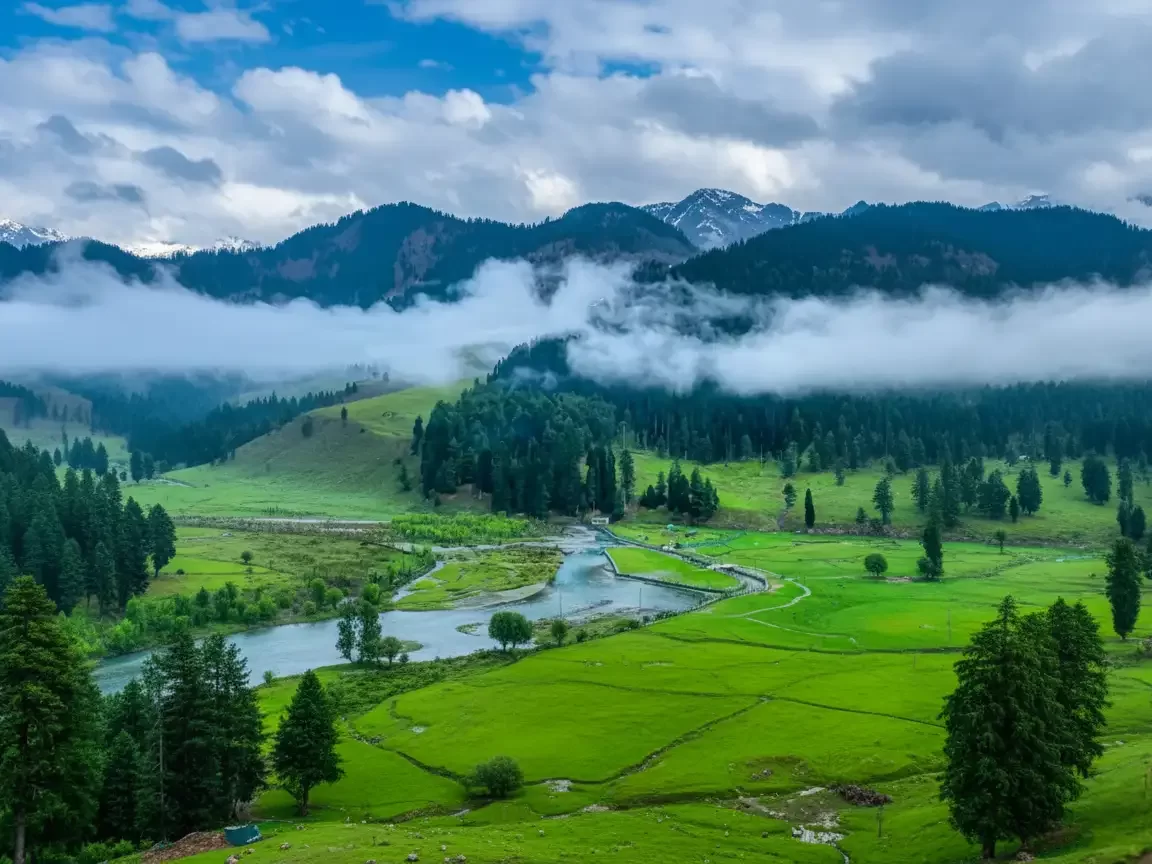
Visitors come to Betab Valley for its lush meadows, dense forests, and clear streams, which gained fame as a film shooting location. It attracts travelers who want scenic beauty in a compact area accessible from Pahalgam town.
The on-ground atmosphere is serene and vibrant, with open grassy fields, flowing rivulets, and a backdrop of pine-covered hills. The valley experiences moderate tourist activity, allowing visitors to walk freely and enjoy nature without feeling overcrowded.
What makes Betab Valley distinct for travelers is its combination of cinematic fame and natural charm, offering a visually striking landscape with minimal effort. It suits visitors who appreciate short treks, photography, and tranquil alpine settings.
History of Betab Valley, Pahalgam
Betab Valley was historically an uninhabited alpine meadow, used by local shepherds and pastoral communities for seasonal grazing during summer months. Its natural terrain and streams provided ideal conditions for livestock and temporary encampments.
The valley gained wider recognition in modern times after being used as a filming location for the 1970 Bollywood movie “Betab,” from which it derives its current name. Prior to this, the area had no formal settlements, monuments, or administrative significance.
Betab Valley’s historical relevance lies primarily in its natural landscape and pastoral use. Its association with film and tourism in recent decades has shaped contemporary awareness, rather than traditional cultural, religious, or political history.
Best Time to Visit Betab Valley
Betab Valley is best visited when the Pahalgam route is clear, meadows are lush, and streams are flowing, as seasonal weather greatly affects accessibility and scenic beauty.
- Ideal months: May to September, when the valley is fully accessible, flowers bloom, and temperatures are pleasant for sightseeing and photography.
- Weather during the best season: Cool to mild daytime temperatures, clear skies, flowing streams, and vibrant green meadows ideal for walks and short treks.
- Periods to avoid: October to April due to heavy snowfall, icy trails, blocked access roads, and unsafe conditions for visitors.
How to Reach Betab Valley, Pahalgam
- Nearest Airport: Srinagar International Airport (Sheikh ul-Alam Airport), approximately 100 km from Betab Valley. The airport has regular flights from major Indian cities. From the airport, private taxis or cabs can reach Pahalgam via the Srinagar-Pahalgam road, with a total travel time of around 3 to 4 hours depending on traffic and weather.
- Nearest Railway Station: Srinagar Railway Station (Nowgam), about 95 km away. It is connected to the Banihal–Baramulla rail corridor. From the station, visitors must hire a taxi or private vehicle to reach Pahalgam, as there is no direct public transport to Betab Valley.
- Road Access & Last-Mile Connectivity: Betab Valley is located 15 km from Pahalgam town. Private vehicles, taxis, or local jeeps can reach the parking area near the valley. From the parking, visitors need to walk a short distance to the entrance. During winter or monsoon, landslides, slippery paths, or road closures may limit access, so checking local conditions in advance is advised.
What to Expect When You Visit Betab Valley
- The environment at Betab Valley is scenic and mountainous, with lush green meadows, streams, and pine-clad slopes. The area feels open and picturesque, offering a natural, serene setting.
- Facilities are basic. There are a few temporary food stalls and benches near the main entry, but no permanent restrooms, cafés, or shelters are available within the valley.
- Accessibility is straightforward by road from Pahalgam, followed by walking along gentle slopes and open meadows. Paths are mostly manageable but can become slippery after rain.
- Movement is generally easy within the valley, with open spaces for walking, photography, and short treks. Certain areas may be cordoned off to protect the meadow and streams.
- Visitor presence is moderate to high during peak tourist seasons. Weekdays and early mornings are quieter, while afternoons and weekends see more crowds.
- Weather affects the experience. Rain can make paths muddy, and temperatures can drop suddenly, especially in early mornings or evenings. Summer provides the most comfortable conditions for visiting.
Important Visitor Information for Betab Valley, Pahalgam
- Crowd and Weather Notes: Betab Valley experiences moderate to heavy crowds during peak tourist season from May to September. Weather is generally pleasant, but sudden showers, fog, and chilly winds are common, especially in the mornings and evenings.
- Peak and Quiet Visiting Hours: Late morning to early afternoon sees the highest visitor numbers. Early mornings provide a quieter experience, ideal for photography and enjoying the valley’s scenic views without the crowd.
- Dress Code: No formal dress code applies, but layered clothing is recommended due to cool temperatures. Comfortable walking shoes are essential as the valley involves short treks and walking across grassy areas.
- Safety Notes and Practical Cautions: The valley has uneven terrain and riverbanks, which can be slippery after rain. Avoid venturing into restricted areas and respect local wildlife. Carry water and essentials, as facilities are limited near the outer valley sections.
Photography and Viewpoints at Betab Valley, Pahalgam
- The main entrance and open meadow areas offer the clearest viewpoints, capturing the valley flanked by forested slopes and snow-capped peaks in the background.
- Side trails along the river provide elevated angles for framing flowing water with the surrounding green slopes, enhancing depth and perspective.
- Morning light between 7 am and 10 am is ideal, as soft sunlight illuminates the valley evenly, highlighting vibrant greenery and clear mountain details.
- Late afternoon light casts warm hues on slopes but can introduce shadows in narrow sections of the valley, affecting balanced exposure.
- Photography is permitted for personal use, but stepping into private grazing areas or onto riverbanks should be avoided for safety and environmental preservation.
- Crowds can be significant during weekends and peak tourist season, which may limit unobstructed frames; early morning visits provide quieter conditions.