


Mobile Network and Internet in Srinagar During Winter
Understand mobile network and internet access in Srinagar during winter, including connectivity expectations, possible weather-related disruptions and practical preparation for travellers.
+91 9910402252
admin@chalbanjare.com


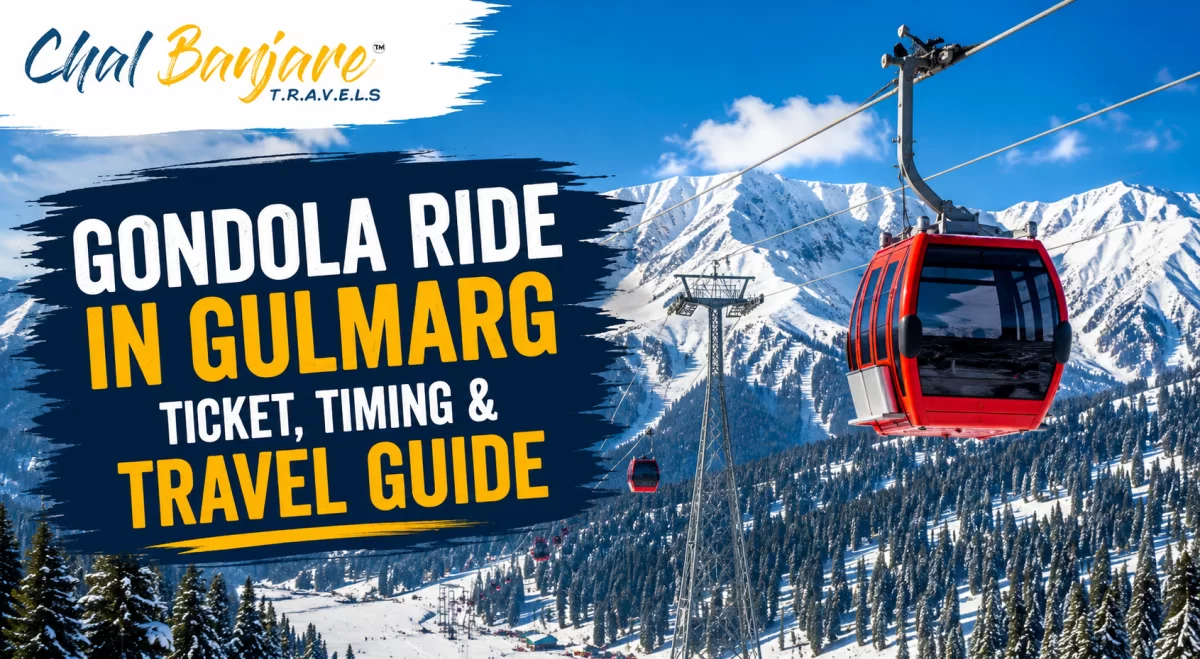
The Gulmarg Gondola is one of the world's highest cable car rides, offering spectacular Himalayan views, snowfall experiences, and access to Kashmir’s most famous mountain landscapes.
The Gulmarg Gondola is one of the highest cable car systems in the world and is widely regarded as the main attraction in Gulmarg. While the destination itself is known for its alpine meadows, ski slopes, and mountain scenery, the gondola allows visitors to reach elevations that would otherwise require long treks or specialised mountain transport. This makes the experience accessible to families, couples, photographers, adventure travellers, and visitors who simply want to enjoy the Himalayan landscape from high-altitude viewpoints.
The gondola operates in two separate phases, each offering a distinct experience. Phase 1 carries visitors from Gulmarg to Kongdoori, while Phase 2 continues further towards Apharwat Peak. Throughout the journey, passengers witness changing landscapes as dense forests gradually give way to open alpine slopes, snowfields, and rugged mountain terrain. The ride itself is smooth and comfortable, making it an attraction that combines sightseeing with mountain access rather than functioning only as transportation.
The Gulmarg Gondola is more than a sightseeing ride because it provides access to landscapes that define Gulmarg's mountain environment. Whether visiting during summer or winter, the journey offers one of the most memorable ways to experience the Kashmir Himalayas.
As the gondola climbs higher above Gulmarg, panoramic views expand across alpine valleys, forests, meadows, and distant Himalayan peaks. During clear weather, passengers can observe vast mountain ranges stretching across the horizon while looking down upon the rolling grasslands and ski slopes below. The continuously changing elevation creates a dramatic transition from lower mountain landscapes to rugged high-altitude terrain.
Visibility varies depending on weather conditions, cloud cover, snowfall, and seasonal changes. Clear mornings generally provide the sharpest mountain views, while afternoon clouds may partially obscure distant peaks. Visitors should therefore avoid assuming perfect visibility throughout the day and remain flexible when planning their gondola experience.
Travellers interested in mountain scenery should keep cameras ready throughout the ride because the landscape changes continuously between stations. Even before reaching the upper phases, the journey itself offers exceptional Himalayan viewpoints.
The scenery experienced from the gondola changes significantly with both altitude and season. During winter, snow blankets the surrounding mountains, ski slopes, and forests, creating extensive white landscapes across Kongdoori and Apharwat. Summer presents an entirely different appearance, with green meadows, alpine flowers, grazing livestock, and forested hills replacing much of the seasonal snow at lower elevations.
These seasonal transitions make the gondola attractive throughout the year. Visitors travelling during spring or autumn often experience a combination of snow remaining at higher elevations while lower slopes display greenery or autumn colours. Because weather conditions can change rapidly in the mountains, the appearance of the landscape may vary even within a single day.
The Gulmarg Gondola offers a continuously changing mountain landscape rather than a single viewpoint. Every season provides its own visual character, making repeat visits worthwhile for travellers interested in experiencing different aspects of the Kashmir Himalayas.
Phase 1 begins at the Gulmarg Gondola base station and ascends to Kongdoori, located at an altitude of approximately 3,050 metres. This section passes over forests, ski slopes, and open meadows while gradually revealing broader views of the surrounding mountains. It is the most popular phase because it is suitable for most visitors and remains accessible throughout much of the year, depending on weather conditions.
At Kongdoori, visitors can spend time enjoying panoramic views, seasonal snow, photography, walking around designated areas, or participating in winter activities when conditions permit. During summer, alpine grasslands and mountain scenery dominate the landscape, while winter transforms the area into an important skiing and snow recreation zone.
Phase 1 provides an excellent introduction to Gulmarg's mountain environment and is often sufficient for travellers interested primarily in scenery without venturing to the highest elevations.
Phase 2 continues from Kongdoori towards Apharwat Peak, climbing to an altitude of approximately 3,980 metres. This section enters a much harsher alpine environment where vegetation becomes sparse and snow remains for longer periods each year. The surrounding mountains appear more rugged, and the landscape reflects the conditions typically associated with high Himalayan terrain.
Because of its altitude, Phase 2 operates only when weather and safety conditions permit. Strong winds, snowfall, heavy fog, or technical maintenance may temporarily suspend operations. Visitors should also recognise that the significantly higher elevation can feel much colder than Gulmarg, even during summer, requiring suitable clothing and realistic expectations regarding mountain weather.
Phase 2 offers some of the most dramatic scenery in Gulmarg but requires greater flexibility because weather frequently determines whether the upper section operates on any given day.
Selecting between the two gondola phases depends on travel priorities, weather conditions, and comfort with high-altitude environments. Visitors primarily interested in scenic landscapes, family-friendly sightseeing, and moderate walking generally find Phase 1 sufficient. Those wishing to experience higher Himalayan terrain, extended snowfields, and panoramic mountain views often continue to Phase 2 when operations permit.
Winter visitors frequently choose both phases because snow conditions remain attractive across the upper mountain. During summer, some travellers are satisfied with Kongdoori's alpine scenery, while others continue to Apharwat Peak for cooler temperatures and higher-altitude landscapes. Before purchasing tickets, visitors should verify whether Phase 2 is operating because adverse weather can affect only the upper section while Phase 1 remains open.
Understanding the differences between both phases helps visitors choose an experience that matches their interests, available time, and prevailing mountain conditions. Planning accordingly reduces disappointment and ensures a more enjoyable visit to the Gulmarg Gondola.
Kongdoori, the destination of Phase 1 of the Gulmarg Gondola, sits at an altitude of approximately 3,050 metres and serves as the gateway to Gulmarg's higher alpine region. The landscape changes noticeably from the forests surrounding Gulmarg to open grasslands, rolling mountain slopes, and panoramic Himalayan scenery. The area provides broad views across Gulmarg, nearby valleys, and the surrounding peaks, making it one of the most visited viewpoints in the region.
Unlike Apharwat Peak, Kongdoori offers a balance between accessibility and mountain scenery. Visitors can comfortably spend time walking around designated areas, enjoying the views, taking photographs, and experiencing the changing alpine environment without immediately entering extreme high-altitude terrain. During clear weather, visibility extends across multiple mountain ranges, while seasonal cloud movement often creates dramatic scenery throughout the day.
Kongdoori is much more than a transit station for Phase 2. Spending time exploring the surrounding viewpoints allows visitors to appreciate Gulmarg's alpine beauty even if they choose not to continue towards Apharwat Peak.
During winter, Kongdoori becomes one of Gulmarg's busiest snow recreation areas. Fresh snowfall transforms the open slopes into landscapes suitable for skiing, snowboarding, sledging, snow play, and other seasonal outdoor activities. Professional skiing operations also make use of nearby slopes, while many recreational visitors simply enjoy walking through the snow, building snowmen, or experiencing snowfall for the first time.
Snow conditions vary throughout the season depending on temperature, recent snowfall, and weather patterns. Visitors should remember that activities depend entirely on natural snow conditions and operational safety. Walking on snow-covered slopes requires careful footing, and hiring appropriate snow boots from Gulmarg before boarding the gondola greatly improves comfort and safety.
Winter visitors should prepare for rapidly changing mountain conditions and prioritise suitable clothing over casual footwear. Proper preparation allows more time to enjoy Kongdoori's snowy landscapes comfortably and safely.
One of Kongdoori's greatest advantages is the number of scenic viewpoints that can be reached without difficult trekking. Gentle walks around designated visitor areas reveal wide Himalayan panoramas, ski slopes, alpine meadows during summer, and distant snow-covered peaks. The gradual terrain allows visitors to stop frequently for photography while taking in the changing mountain scenery from different directions.
Visibility depends heavily on weather conditions. Clear mornings often provide uninterrupted views, while afternoon clouds may partially cover higher peaks. Visitors should remain within marked visitor zones and avoid wandering onto ski routes or steep mountain slopes, particularly during winter when snow may conceal uneven ground.
Visitors do not need advanced trekking experience to enjoy Kongdoori's scenery. Short walks around the station reveal some of Gulmarg's finest mountain landscapes while remaining suitable for most travellers.
Apharwat Peak represents the highest point accessible by the Gulmarg Gondola and offers one of the most dramatic mountain environments in Kashmir. Located at approximately 3,980 metres above sea level, the landscape consists of rugged rocky slopes, extensive snowfields, alpine ridges, and high Himalayan terrain. Even during summer, patches of snow often remain across parts of the mountain, creating a striking contrast against the surrounding rocky landscape.
The atmosphere at Apharwat differs noticeably from Gulmarg below. Vegetation becomes extremely limited, temperatures remain considerably lower, and weather changes can occur quickly. Visitors often experience strong mountain winds, making warm clothing essential regardless of the season. The feeling of standing at such a high elevation is itself one of the major attractions of Phase 2.
Apharwat Peak offers visitors the opportunity to experience genuine high-altitude Himalayan landscapes without undertaking a demanding mountain expedition. Proper clothing and realistic expectations regarding mountain weather are essential for a comfortable visit.
On clear days, Apharwat Peak provides some of the widest panoramic views available anywhere in the Gulmarg region. Snow-covered mountains extend across the horizon, while deep valleys and alpine ridges create dramatic natural scenery in every direction. The combination of altitude and open terrain allows visitors to appreciate the immense scale of the surrounding Himalayas in a way that is impossible from lower elevations.
Photographers often consider Phase 2 the highlight of the Gulmarg Gondola because of its uninterrupted mountain views. However, visibility depends entirely on weather conditions. Low cloud, snowfall, or mountain fog can develop quickly, occasionally limiting distant views despite otherwise pleasant conditions lower down in Gulmarg.
Visitors should spend time observing the landscape rather than immediately returning on the gondola. Weather permitting, the constantly changing mountain light creates new photographic opportunities throughout the visit.
Weather has the greatest influence on experiences at Apharwat Peak. Unlike lower sections of Gulmarg, conditions at nearly 4,000 metres can change rapidly because of strong winds, snowfall, cloud cover, or reduced visibility. Even when Gulmarg enjoys pleasant weather, the upper gondola station may experience entirely different mountain conditions, occasionally leading to temporary suspension of Phase 2 operations.
Visitors should also recognise the effects of high altitude. Walking slowly, avoiding unnecessary physical exertion immediately after arrival, and remaining hydrated help many travellers adjust more comfortably. Those with existing health concerns should consult medical advice before visiting very high elevations. Staying within designated visitor areas is recommended, particularly during winter when deep snow may hide uneven terrain.
Understanding the realities of mountain weather allows visitors to enjoy Apharwat Peak more safely and comfortably. Flexibility is essential because weather, rather than planning alone, ultimately determines the experience at this remarkable Himalayan destination.
The Gulmarg Gondola operates with a structured ticketing system, and advance online booking is strongly recommended, especially during weekends, public holidays, winter snowfall periods, and the summer vacation season. Since the gondola has a fixed passenger capacity for each operating day, tickets may sell out well before the travel date. Booking online not only helps secure a preferred travel date but also reduces waiting time at the ticket counter and minimises the risk of missing the ride because of limited availability.
Visitors should carefully select the correct gondola phase while booking. Separate tickets are generally required for Phase 1 and Phase 2, and availability for the upper phase may differ depending on weather conditions and operational status. After completing the reservation, travellers should carry the booking confirmation along with valid identification required during verification at the boarding station. It is advisable to review booking details before travel to ensure that names, dates, and ticket categories are correct.
Completing ticket reservations well in advance allows visitors to focus on enjoying the mountain experience rather than worrying about availability after reaching Gulmarg. Early planning is especially valuable during busy travel periods.
The highest demand for Gulmarg Gondola tickets generally occurs during the winter snow season, long holiday weekends, Christmas and New Year holidays, school vacations, and the summer tourist season. During these periods, thousands of visitors arrive daily, and available gondola slots can be filled quickly. Waiting until arrival to purchase tickets often results in disappointment, particularly for travellers hoping to experience both phases of the gondola.
Visitors travelling with families or organised groups should complete reservations well before the planned visit and keep the entire itinerary flexible enough to accommodate possible weather-related changes. Since mountain weather occasionally causes temporary suspension of services, booking accommodation and transport with sufficient flexibility can help reduce inconvenience if schedules require adjustment.
Travellers visiting Gulmarg during popular seasons should treat gondola tickets as an essential part of trip planning rather than a last-minute purchase. Timely reservations greatly improve the chances of enjoying the desired gondola experience.
Selecting the appropriate gondola ticket depends on the amount of time available, weather conditions, and personal travel interests. Visitors primarily interested in sightseeing often choose Phase 1, which offers beautiful mountain scenery, Kongdoori viewpoints, and seasonal outdoor experiences. Those seeking higher Himalayan landscapes and extended snowfields generally prefer continuing to Phase 2 whenever weather permits safe operations.
Families travelling with children or senior citizens may find Phase 1 sufficient for enjoying Gulmarg's alpine environment without spending additional time at very high altitude. Adventure enthusiasts, photographers, and travellers specifically visiting for snow experiences often include both phases in their itinerary. Before making a booking, visitors should realistically consider available sightseeing time, expected weather, and comfort with high-altitude conditions.
Choosing the appropriate ticket option ensures that the gondola experience matches the overall travel itinerary. Careful planning allows visitors to enjoy Gulmarg's spectacular mountain scenery without unnecessary rushing or unrealistic expectations.
The Gulmarg Gondola operates according to a daily schedule that may vary slightly throughout the year depending on daylight hours, seasonal weather, maintenance requirements, and operational decisions by the authorities. Winter schedules often differ from summer because of shorter daylight periods, snowfall management, and changing mountain conditions. Visitors should therefore avoid relying on previous travel experiences and instead verify the latest operating timings before travelling to Gulmarg.
Apart from regular seasonal adjustments, operations may also be temporarily suspended for technical inspections, high winds, heavy snowfall, lightning, poor visibility, or other safety-related reasons. These temporary closures are a normal part of mountain cable car operations and are implemented to ensure passenger safety rather than visitor convenience.
Checking the latest operating schedule before departure prevents unnecessary waiting and helps visitors organise the rest of their Gulmarg itinerary more efficiently.
Reaching the gondola base station early in the day usually provides a smoother experience than arriving during the busiest afternoon hours. Morning arrivals often benefit from shorter queues, better mountain visibility, and greater flexibility if weather temporarily delays operations. During peak tourist periods, large numbers of visitors may reach the station simultaneously, increasing waiting times for security checks, ticket verification, and boarding.
Visitors who have booked tickets in advance should still allow sufficient time before their scheduled boarding slot. Parking, local transport, walking to the terminal, security procedures, and passenger movement through the boarding area all require additional time. Rushing to the station at the last moment can create unnecessary stress and may result in missed boarding opportunities if arrival is significantly delayed.
Arriving early not only reduces waiting but also improves the overall mountain experience by allowing visitors to enjoy clearer weather conditions and a more relaxed start to the gondola journey.
Mountain weather has a direct influence on the operation of the Gulmarg Gondola, particularly the upper section leading towards Apharwat Peak. High winds, dense fog, snowfall, heavy rain, or lightning may temporarily suspend operations until conditions become safe again. It is therefore important for visitors to check the latest weather forecast and operational updates before leaving for the gondola station.
Weather can vary considerably between Gulmarg town, Kongdoori, and Apharwat Peak because of the large difference in altitude. Pleasant conditions at the base station do not necessarily indicate similar weather higher on the mountain. Visitors should prepare for sudden temperature changes by carrying warm clothing and remaining flexible if mountain conditions require adjustments to the planned itinerary.
Understanding the influence of mountain weather helps visitors approach the Gulmarg Gondola with realistic expectations. Flexible planning and proper preparation contribute to a safer and more enjoyable experience regardless of changing conditions.
Winter is the most popular season for experiencing the Gulmarg Gondola because the surrounding mountains transform into one of India's best-known snow destinations. From late December through much of the winter season, Gulmarg, Kongdoori, and Apharwat Peak are typically covered in snow, creating spectacular alpine landscapes. Skiers, snowboarders, photographers, and travellers visiting Kashmir specifically for snowfall often consider this the most rewarding period for the gondola ride.
Snow conditions vary depending on annual weather patterns, recent snowfall, and temperature changes. While lower areas occasionally experience temporary melting during warmer periods, Apharwat Peak generally retains snow for a much longer duration because of its higher elevation. Visitors should remember that heavy snowfall can also influence visibility and occasionally lead to temporary suspension of gondola operations until weather conditions improve.
Winter offers the classic Gulmarg experience that many visitors imagine before arriving. However, travellers should prepare for changing mountain weather, colder temperatures, and increased tourist crowds during this highly popular season.
Summer presents an entirely different side of Gulmarg, replacing winter snowfields with vibrant green meadows, colourful alpine flowers, grazing horses, and clear mountain landscapes. Dense forests surround the lower slopes, while Kongdoori displays broad grasslands stretching towards the higher Himalayan peaks. Visitors who prefer comfortable sightseeing weather and scenic landscapes without deep snow often find summer ideal for the gondola experience.
Although much of Gulmarg becomes green during summer, patches of snow frequently remain near Apharwat Peak because of its significantly higher altitude. This creates an unusual contrast where visitors can enjoy pleasant weather in Gulmarg before reaching snow-covered areas during the upper gondola phase. Longer daylight hours also provide more flexibility for combining the gondola ride with other attractions around Gulmarg.
Summer is an excellent choice for visitors seeking mountain scenery without severe winter conditions. The combination of green landscapes below and snow remaining at higher elevations creates one of Gulmarg's most visually diverse seasonal experiences.
Each season changes not only the appearance of Gulmarg but also visibility, accessibility, and the overall gondola experience. Spring introduces fresh greenery while patches of winter snow remain visible at higher elevations. Autumn brings crisp mountain air, colourful forests, and generally pleasant sightseeing conditions before winter snowfall begins. These transitional seasons often experience fewer crowds than peak winter or summer periods.
Weather remains the single most important factor affecting visibility regardless of the season. Morning departures often provide clearer mountain views before afternoon cloud formation becomes more common. Visitors should recognise that mountain weather changes rapidly, meaning perfect visibility cannot be guaranteed even during traditionally favourable months.
Rather than searching for one perfect season, visitors should choose the period that matches their preferred scenery and activities. Understanding seasonal differences allows travellers to set realistic expectations while appreciating the unique beauty that Gulmarg offers throughout the year.
Mountain weather in Gulmarg changes much more quickly than conditions in nearby towns or cities. Even during summer, temperatures at Kongdoori and especially Apharwat Peak remain considerably lower than those in Gulmarg town because of the increase in altitude. Strong winds, cloud movement, sudden snowfall, or light rain can develop within a short period, making layered clothing essential throughout the year.
Visitors often underestimate how cold higher elevations can feel, particularly when wind chill is present. Carrying a warm jacket, gloves, cap, sunglasses, and suitable footwear greatly improves comfort during the gondola ride and while exploring the upper stations. Waterproof outer layers become especially useful during winter snowfall or unexpected weather changes.
Proper clothing is one of the simplest ways to improve the gondola experience. Preparing for colder conditions than expected allows visitors to enjoy the scenery comfortably without rushing back to the lower station.
The Gulmarg Gondola is one of Kashmir's busiest tourist attractions, particularly during the winter snow season and major holidays. Long queues may develop at ticket verification points, boarding areas, and security checks even when visitors already possess confirmed tickets. Arriving early helps reduce waiting time, although some delays remain unavoidable during periods of exceptionally high demand.
Visitors should also recognise that mountain operations are governed by safety rather than fixed schedules. High winds, poor visibility, technical inspections, or heavy snowfall can temporarily pause operations. These decisions are made to protect passenger safety and should be expected as part of visiting a high-altitude mountain destination rather than viewed as unusual disruptions.
Travellers who include extra time in their itinerary generally experience less stress if temporary delays occur. Flexibility is an important part of visiting any high-altitude cable car system, particularly in changing Himalayan weather.
Packing appropriate clothing and essential items helps visitors remain comfortable throughout the gondola experience. Comfortable walking shoes are generally sufficient during dry summer conditions, while waterproof snow boots become highly recommended during winter. Since temperatures fall noticeably with altitude, carrying extra warm layers is advisable even if Gulmarg itself feels pleasant when beginning the journey.
Visitors should also carry personal essentials such as drinking water, identification documents, mobile phones with sufficient battery, sunglasses, sunscreen during sunny weather, and any required personal medication. Small backpacks are generally more convenient than large bags because visitors often spend time walking around Kongdoori or Apharwat after leaving the gondola station.
Good preparation allows visitors to focus on enjoying Gulmarg's spectacular scenery rather than dealing with avoidable discomfort. Carrying suitable clothing and essential items makes the gondola journey significantly more enjoyable in every season.
One of the most common mistakes first-time visitors make is travelling to the Gulmarg Gondola without checking the latest weather forecast or operational status. Since the gondola operates in a high-altitude Himalayan environment, services are directly influenced by strong winds, heavy snowfall, poor visibility, thunderstorms, technical inspections, and other safety considerations. A clear morning in Gulmarg town does not always mean that weather conditions remain suitable at Kongdoori or Apharwat Peak.
Many travellers build an entire day around the gondola ride without considering possible weather-related interruptions. If operations are temporarily suspended, visitors who have no alternative plans often lose valuable sightseeing time. Checking official operational updates before leaving the hotel and maintaining a flexible itinerary allows travellers to adjust their schedule if mountain conditions change unexpectedly.
Visitors who begin the day after checking both weather and operational updates usually enjoy a much smoother experience. Flexibility is essential because mountain conditions, rather than fixed schedules, ultimately determine whether the gondola operates safely.
Another frequent mistake is assuming that gondola tickets can always be purchased immediately after arriving in Gulmarg. During winter snowfall, summer holidays, weekends, and festival periods, ticket demand increases significantly, and available boarding slots may sell out well before the day of travel. Visitors arriving without confirmed reservations often spend valuable time waiting at the ticket counter only to discover that no tickets remain for their preferred phase.
Even travellers with confirmed bookings sometimes underestimate the time required for parking, security checks, ticket verification, and boarding procedures. Reaching the station only a few minutes before the scheduled ride can create unnecessary stress. Allowing extra time before boarding helps visitors complete all formalities comfortably while reducing the risk of missing their allotted entry slot.
Advance reservations and early arrival remove much of the uncertainty associated with visiting the Gulmarg Gondola. Good planning allows visitors to focus on enjoying the mountain scenery rather than dealing with avoidable ticketing difficulties.
Many first-time travellers prepare only for the weather they experience in Gulmarg town and overlook the significant temperature difference at Kongdoori and Apharwat Peak. As the gondola climbs towards higher elevations, temperatures drop considerably, while strong winds often increase the effect of cold weather. Even during summer, upper stations can feel surprisingly cold, particularly when clouds, wind, or light snowfall develop.
Visitors wearing light clothing or ordinary sports shoes frequently become uncomfortable soon after reaching the upper stations. Waterproof footwear, insulated jackets, gloves, woollen caps, and layered clothing greatly improve comfort during winter, while light jackets remain useful throughout much of the year. Moving slowly after reaching higher altitude also helps many travellers adjust more comfortably to the thinner mountain air.
Preparing for colder conditions than expected is one of the simplest ways to improve the overall gondola experience. Appropriate clothing, realistic expectations, and awareness of altitude allow visitors to enjoy Apharwat Peak comfortably throughout the visit.
Selecting the appropriate gondola phase depends on personal interests, available time, and prevailing mountain conditions. Visitors interested primarily in scenic mountain views, family-friendly sightseeing, and comfortable exploration generally find Phase 1 sufficient because Kongdoori offers impressive alpine landscapes, seasonal snow, and excellent viewpoints without reaching extreme altitude. It also provides opportunities for photography, walking, and winter recreation when snow conditions permit.
Travellers seeking higher Himalayan scenery, longer-lasting snowfields, and the experience of reaching one of Kashmir's highest accessible viewpoints usually continue to Phase 2 whenever operations permit. Adventure enthusiasts, photographers, and visitors specifically travelling for snow often choose both phases. Before making the decision, visitors should consider weather forecasts, physical comfort at higher elevations, and the amount of time available for exploration.
Choosing the appropriate phase allows visitors to experience Gulmarg according to their own travel style rather than simply following the most popular option. Matching expectations with current mountain conditions leads to a far more satisfying visit.
A successful Gulmarg Gondola experience begins long before arriving at the base station. Visitors should reserve tickets early during busy travel periods, review weather forecasts, confirm operational status, and organise transport so that they reach the station comfortably before their scheduled boarding time. Morning departures often provide clearer mountain views, shorter queues, and greater flexibility if weather changes later in the day.
Planning nearby activities also helps maximise time in Gulmarg. Depending on the season, travellers can combine the gondola ride with meadow walks, local sightseeing, skiing, snow play, photography, pony rides in designated areas, or visits to nearby cafés after returning from the mountain. Keeping nearby attractions together reduces unnecessary movement and creates a more relaxed itinerary.
Careful planning transforms the gondola from a single attraction into the highlight of a full day in Gulmarg. Well-organised timing allows visitors to experience both the mountains and nearby attractions without unnecessary rushing.
Before leaving for the Gulmarg Gondola, visitors should ensure that essential travel preparations are complete. Carrying confirmed tickets, valid identification, suitable clothing, waterproof footwear during winter, drinking water, sunglasses, sunscreen, and a fully charged mobile phone contributes significantly to a comfortable visit. Small backpacks are generally more convenient than large luggage because visitors often walk around Kongdoori or Apharwat after leaving the gondola station.
Travellers should also respect mountain safety instructions by remaining within designated visitor areas, following staff guidance, avoiding unnecessary risks near steep snow-covered slopes, and preparing for changing weather throughout the day. Responsible behaviour not only improves personal safety but also helps preserve Gulmarg's fragile mountain environment for future visitors.
Good preparation allows visitors to focus entirely on enjoying the spectacular Himalayan scenery rather than dealing with avoidable problems. With thoughtful planning and realistic expectations, the Gulmarg Gondola becomes one of the most memorable mountain experiences in Kashmir.


Get customized Jammu and Kashmir tour planning designed around seasonal weather patterns, valley travel routes, snow conditions, and realistic hill road timing. Whether you are visiting for scenic landscapes, serene lakes, spiritual journeys, meadow stays
⚡ Quick Response | 💰 Free consultation | 🕒 24×7 expert support

