All you need to know about Jammu and Kashmir

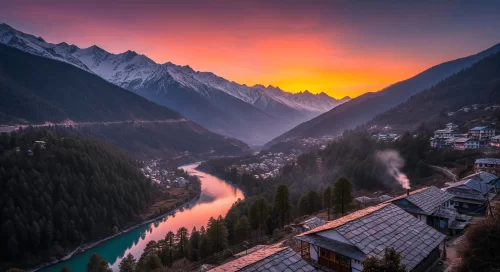
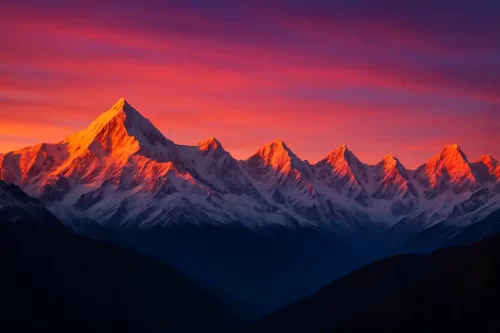
Jammu and Kashmir is a Himalayan region defined by alpine valleys, snow-fed rivers, high meadows, and distinct cultural landscapes shaped by geography. Elevation changes create varied travel conditions, from temperate plains to colder mountain zones, so season planning matters. The region offers a mix of scenic relaxation, pilgrimage travel, meadow-based excursions, and winter snow experiences.

Weather can shift quickly in higher areas, and road connectivity may vary by season. Jammu and Kashmir suits travelers looking for mountain scenery, natural water bodies, traditional communities, and a slower travel rhythm influenced by terrain and climate.

What Makes Jammu and Kashmir a Unique Travel Region

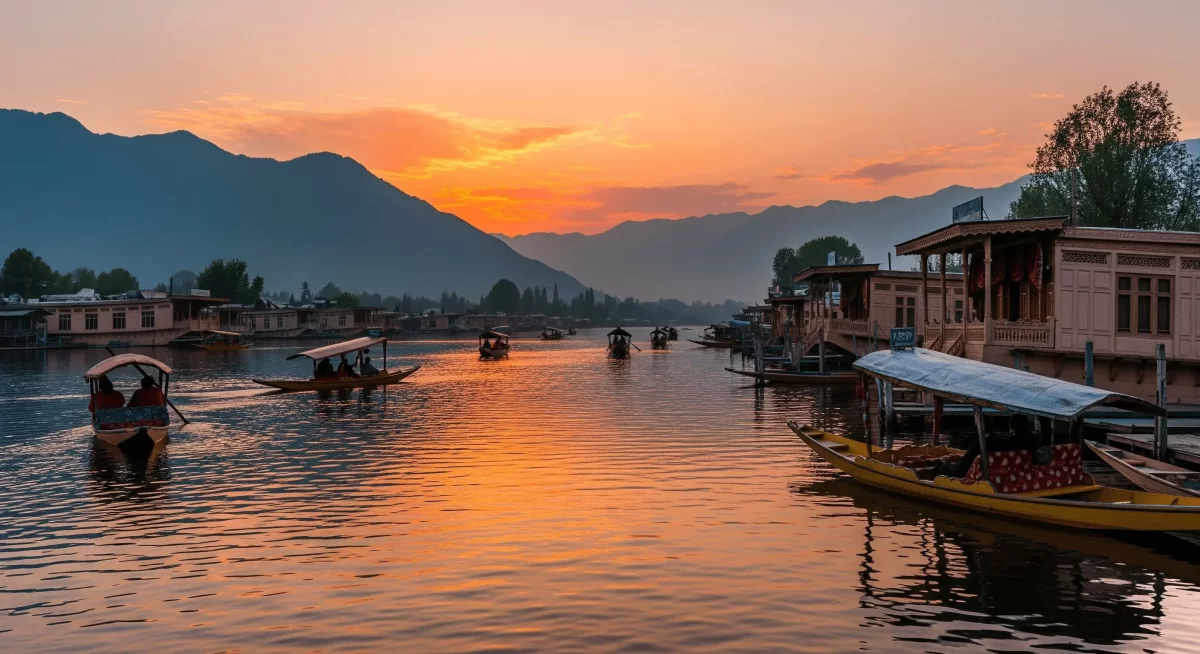
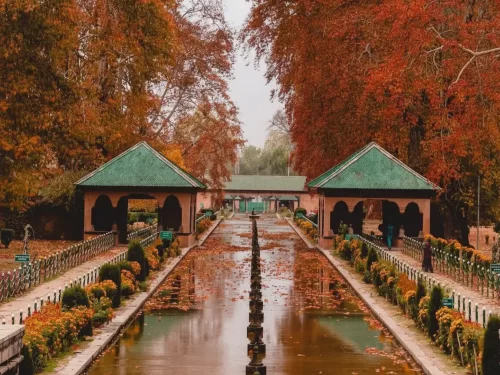
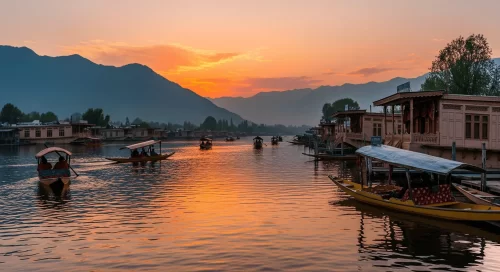
Jammu and Kashmir offers striking geographic contrast within one region—lush valleys, alpine meadows, high mountain passes, and distinct cultural zones shaped by history and terrain. The Kashmir Valley is known for its lakes, Mughal gardens, and seasonal landscapes, while Jammu reflects temple heritage and foothill plains. Travel here is influenced by climate shifts, security regulations in certain areas, and strong local traditions. From houseboats and meadow walks to pilgrimage routes and mountain drives, the region attracts travelers seeking natural beauty layered with cultural depth and regional diversity.

  • Geography: Alpine valleys, snow peaks, river basins, foothills, and seasonal meadows.
  • Culture: Blend of Kashmiri, Dogra, and mountain traditions with visible religious and architectural heritage.
  • Travel vibe: Scenic, culturally layered, seasonally varied, and regulated in select zones.
  • Distinct experience type: Lake stays, meadow exploration, temple visits, and mountain road journeys.

Types of Destinations You’ll Find in Jammu and Kashmir

  • Snow-fed mountain valleys with alpine meadows and glacial rivers
  • Historic heritage towns reflecting layered cultural and architectural influences
  • Spiritual regions with temples, shrines, and pilgrimage routes
  • High-altitude lakes, forest reserves, and protected wildlife zones
  • Remote mountain passes and frontier landscapes with seasonal access

Popular Tourist Circuits Across Jammu and Kashmir

Travel in Jammu and Kashmir is organized around three distinct geographic regions: plains and hills in the south, temperate valleys in the center, and high-altitude mountains in the north and east. Road journeys take longer than expected due to mountain highways, tunnels, and seasonal weather disruptions. Certain high-altitude or border areas require permits and may close in winter. Snowfall affects connectivity from late autumn to early spring, while heavy rain can impact routes during monsoon. Practical planning focuses on exploring one region at a time over 4 to 7 days, with altitude awareness in upper mountain belts.

Circuit Type Areas Covered (generic descriptions only, no place names) Ideal Duration (realistic and safety based) Travel Style
Valley Leisure Circuit Temperate valley towns, lakes, gardens, moderate altitude hill viewpoints 4–5 days Scenic road travel with relaxed sightseeing and short walks
Mountain Meadow and Snow Circuit Highland meadows, snow-prone passes, forested slopes, seasonal ski areas 4–6 days Road-based travel with weather-dependent movement
Pilgrimage and Cultural Circuit Historic temples, shrines, spiritual sites, traditional settlements 3–5 days Structured road journey focused on religious and cultural visits
Remote High-Altitude Circuit Cold desert landscapes, alpine lakes, border regions, sparsely populated mountain areas 6–8 days (with acclimatization) Permit-based travel requiring altitude management and flexible scheduling
Extended Regional Combination Circuit Southern hills, central valleys, and northern high mountains combined gradually 8–12 days Phased mountain journey with buffer days for road and weather variations

Best Time to Travel to Jammu and Kashmir

The best time to travel to Jammu and Kashmir depends on whether you prefer blooming valleys, pleasant summer weather, or serene winter landscapes.

Season Months Weather Conditions Travel Suitability
Spring March to May Mild temperatures with blossoming gardens and fresh greenery Highly suitable for comfortable sightseeing, nature walks, and enjoying colorful valley landscapes
Summer June to August Pleasant daytime weather with cool evenings in higher elevations Ideal for relaxed travel, mountain views, and escaping heat from the plains
Autumn September to November Crisp air with clear skies and golden foliage Well suited for photography, scenic travel, and peaceful experiences with stable weather
Winter December to February Cold temperatures with snowfall in higher regions and chilly mornings Best for travelers who enjoy snow landscapes and a quieter atmosphere during their visit

How Many Days Do You Need to Explore Jammu and Kashmir

Trip Duration What You Can Experience Best For
6–7 Days A balanced introduction covering valley landscapes, alpine meadows, lakeside environments, and cultural exposure at a comfortable pace without excessive daily travel. First-time visitors wanting a scenic mountain experience within a week.
8–10 Days A well-paced journey allowing time for diverse terrain, mountain drives, seasonal flower or snow experiences, and relaxed exploration with buffer days. Couples and families seeking variety without feeling rushed.
11–13 Days A deeper regional exploration including higher-altitude areas, traditional communities, and varied landscapes with proper rest intervals. Travelers who prefer immersive experiences and gradual transitions between regions.
14–16 Days A comprehensive and slow-paced journey covering remote stretches, changing climates, and flexible planning for weather-related disruptions common in mountain states. Slow travelers and nature-focused explorers prioritizing depth over speed.

How Travelers Usually Explore Jammu and Kashmir

Most travelers enter Jammu and Kashmir through Srinagar Airport or Jammu Airport, depending on whether they plan to explore the Kashmir Valley or the Jammu region. Srinagar acts as the primary base for Gulmarg, Pahalgam, and Sonamarg, while Jammu serves as the gateway for Vaishno Devi and nearby hills. Travel pacing depends heavily on weather and road conditions, especially in winter. Itineraries are usually structured around valley-based circuits rather than attempting to cover both regions in a short trip.

  • Road Travel: Private taxis and tempo travelers are the main mode; mountain highways like the Srinagar–Leh and Jammu–Srinagar routes influence movement.
  • Rail: Jammu Tawi is the primary railway station; rail connectivity within the valley remains limited.
  • Local Transport: Union taxis dominate sightseeing routes; app-based cabs are limited outside main cities.
  • Day Trips vs Circuits: Gulmarg and Sonamarg suit day trips from Srinagar, while Pahalgam and remote areas require overnight stays.

Culture, Food & Everyday Life in Jammu and Kashmir

Daily life in Jammu and Kashmir is shaped by dramatic landscapes that range from fertile valleys to high mountains and plains, creating varied rhythms across the region. Harsh winters in many areas encourage strong community bonds, shared labor, and careful seasonal planning. Social interactions are generally warm yet dignified, with hospitality deeply woven into cultural identity and everyday conduct. Food habits reflect climate needs — slow-cooked meals, rice-based staples, meat preparations, and warming beverages are designed to provide nourishment during cold months. The pace of life often feels reflective and relationship-driven rather than hurried; travelers commonly experience sincere hospitality, layered traditions, and an emotional depth influenced by landscape, history, and resilience.

  • Climate-influenced seasonal lifestyle
  • Deep-rooted hospitality and social dignity
  • Rich, warming, slow-cooked food culture
  • Measured, relationship-centered pace of life

Festivals & Seasonal Travel Experiences in Jammu and Kashmir

Season Festival / Experience Type Travel Atmosphere
Spring (March–April) Tulip Festival in Srinagar, Navreh (Kashmiri New Year) Blooming gardens around Dal Lake, mild temperatures, steady tourist arrivals, vibrant local markets and outdoor sightseeing.
Summer (May–June) Amarnath Yatra season begins, peak valley tourism Pleasant weather in Kashmir Valley, high tourist flow in Gulmarg and Pahalgam, active shikara rides and meadow visits.
Monsoon (July–September) Amarnath Yatra peak period, regional fairs Moderate rainfall in Jammu region, lush green valleys in Kashmir, pilgrimage movement increases, occasional highway disruptions due to weather.
Autumn (October–November) Harvest season, saffron bloom in Pampore Golden chinar trees, clear mountain views, fewer tourists after October, comfortable travel conditions before winter sets in.
Winter (December–February) Snow season in Gulmarg, winter sports events Heavy snowfall in higher areas, sub-zero temperatures, limited road access during extreme weather, popular for skiing and snow experiences.

Travel Conditions, Weather & Practical Tips for Jammu and Kashmir

  • Weather varies by region. Kashmir Valley has pleasant summers but cold winters with snowfall from December to February. Jammu remains warmer and more humid in summer. In higher areas like Gulmarg, Sonamarg, and Pahalgam, temperatures drop sharply after sunset even in peak season.
  • Altitude affects certain destinations. While Srinagar and Jammu are at moderate elevations, places like Gulmarg and Sonamarg are higher and colder. Visitors should pace activities on the first day in hill areas and stay hydrated.
  • Road travel can be affected by snowfall and landslides, especially on routes like Srinagar–Leh Highway and Mughal Road. Winter closures are common in high passes. Traffic congestion is frequent during peak pilgrimage and holiday seasons.
  • Mobile connectivity works well in Srinagar and Jammu city. However, prepaid SIM cards from outside the region may not function; postpaid connections are generally more reliable. Internet speeds can fluctuate during peak tourist seasons.
  • Packing depends on season. Summers require light layers with a warm jacket for evenings. Winters demand heavy woolens, waterproof footwear, gloves, and thermal wear. During spring and monsoon months, carry rain protection due to occasional showers.

Is Jammu and Kashmir Right for Your Travel Style?

  • Families: Suitable for families looking for scenic landscapes, houseboat stays in Srinagar, gardens, and light sightseeing. Winter snow trips require flexible planning due to weather-related road closures.
  • Couples: Strong match for romantic lake views, Gulmarg snow experiences, and quiet valley stays. Ideal for nature-focused trips rather than fast-paced sightseeing.
  • Seniors: Comfortable in Srinagar and Pahalgam with moderate walking. High-altitude or heavy-snow destinations may need extra medical caution and slower itineraries.
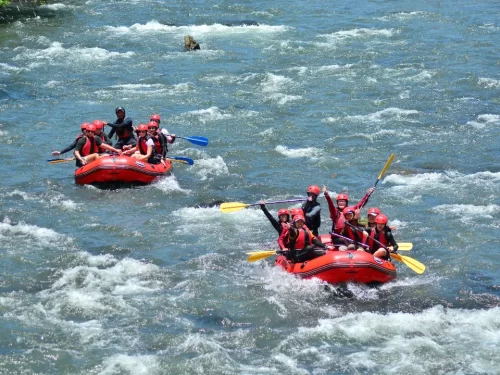
  • Adventure Seekers: Good for skiing in Gulmarg, trekking in Sonamarg, river rafting in Pahalgam, and mountain drives toward Zoji La. Weather conditions can significantly affect plans.
  • Solo Travellers: Safe in major tourist zones with strong local tourism infrastructure. Best suited for travelers comfortable with regional weather unpredictability and occasional security checks.

Explore - Place to Visit, Activity to do & Food to try

Ardhkuari Temple Katra sacred cave shrine of Mata Vaishno Devi in Jammu and Kashmir tour packages Temple

Ardhkuwari Temple

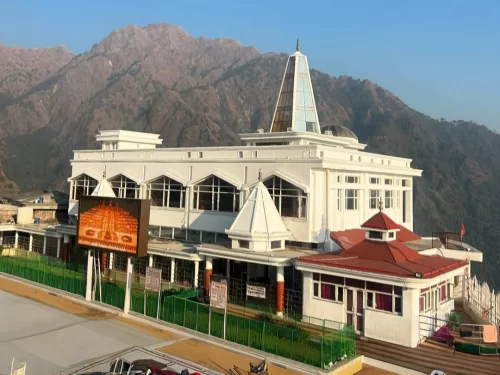
Ardhkuwari Temple is a Hindu shrine located midway along the Vaishno Devi pilgrimage route near Katra in Reasi district, Jammu and Kashmir, India.

Dachigam National Park directional signboard listing Lipa beat main gate centres featured in Kashmir wildlife tour packages National Park

Dachigam National Park

Dachigam National Park is a protected wildlife reserve located in the Zabarwan Range, about 22 km from Srinagar.

Zojila Pass sign at Sonamarg route during sunny day, featuring border roads board & mountains, perfect adventure experience Kashmir tour packages. Mountain Pass

Zoji La

Zoji La is a high-altitude mountain pass on National Highway 1 connecting the Kashmir Valley with Ladakh.

Ice Hockey player skating on an indoor ice rink while controlling the puck with a hockey stick during a match.
Price: ₹1,000 – 3,000 PP
Gulmarg
Ice Hockey
Skiing adventure with a skier carving through deep powder snow on a mountain slope, creating a dramatic spray of snow.
Price: ₹2,000 – ₹6,000 PP
Gulmarg
Skiing
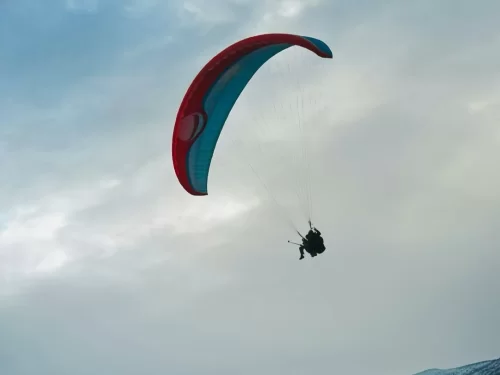
Paragliding adventure with a pilot soaring high under a colorful parachute canopy against the open sky.
Price: ₹2,000 – ₹4,000 PP
Srinagar
Paragliding
Dhaniwal Korma in creamy cilantro green gravy with red chili garnish, authentic Indian chicken korma, rich Indian cuisine delight.
Dhaniwal Korma
Dhaniwal Korma is a sophisticated Kashmiri Wazwan dish featuring succulent mutton pieces slow-cooked in a rich, creamy yogurt-based gravy infused with a massive quantity of fresh coriander.
Kashmiri Dum Aloo in rich red spicy yogurt gravy with baby potatoes, garnished with fresh cilantro, authentic Indian curry.
Dum Aloo Kashmiri
Kashmiri Dum Aloo is a classic vegetarian dish featuring deep-fried baby potatoes slow-cooked in a spicy, vibrant red gravy made with yogurt and Kashmiri chilies.
Bakarkhani in flaky baked flatbread texture with light butter glaze, authentic Indian traditional bread, warm and fresh Indian cuisine delight.
Bakarkhani
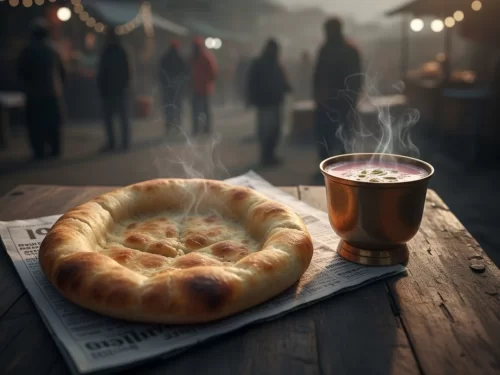
Bakarkhani is a thick, round Kashmiri flatbread with a crisp, layered texture and a golden crust, often enjoyed with traditional salty tea.

Frequently Asked Questions

Jammu and Kashmir is known for its dramatic landscapes, snow-capped mountains, valleys, lakes, and strong cultural and spiritual heritage.
Jammu and Kashmir offers a nature- and culture-focused travel experience combining scenic beauty, spirituality, and slow exploration.
Jammu and Kashmir includes distinct travel zones such as valleys, mountain regions, pilgrimage areas, and cultural landscapes.
Signature travel themes include mountain scenery, nature exploration, spiritual journeys, cultural heritage, and seasonal travel experiences.
Yes, Jammu and Kashmir is one of India?s most scenic regions for mountain and valley travel, offering diverse natural landscapes.
Jammu and Kashmir has deep spiritual and cultural importance, reflected in its pilgrimage traditions, local customs, and historical legacy.
The cultural identity of Jammu and Kashmir is shaped by its traditional arts, crafts, music, cuisine, and mountain-based lifestyle.
Jammu and Kashmir celebrates regional festivals that reflect seasonal cycles, religious traditions, and local cultural practices.
The best time to visit Jammu and Kashmir is from April to October for pleasant weather, while winter months suit snow-focused travel.
An ideal Jammu and Kashmir trip usually requires 7 to 12 days to explore its varied landscapes and cultural regions.
Travel within Jammu and Kashmir is mainly by road, with mountain terrain requiring careful route and time planning.
Jammu and Kashmir is suitable for family travel, particularly for those interested in nature, culture, and scenic experiences.
Jammu and Kashmir suits travelers who enjoy natural beauty, photography, cultural depth, and peaceful travel experiences.
Yes, Jammu and Kashmir is well suited for slow travel, allowing visitors to experience landscapes and local life more deeply.
Jammu and Kashmir offers accommodations including houseboats, hotels, resorts, guesthouses, and budget stays.
Jammu and Kashmir is generally safe for tourists when travel advisories are followed and trips are planned responsibly.
Yes, Jammu and Kashmir offers distinct seasonal travel experiences, from summer greenery to winter snow landscapes.
Jammu and Kashmir is often combined with nearby northern regions for extended mountain travel experiences.
Jammu and Kashmir can be busy during peak seasons, while off-season travel offers quieter surroundings.
Travelers choose Jammu and Kashmir for its breathtaking scenery, cultural richness, spiritual heritage, and unique mountain experiences.

Loved this place ? Let’s Plan Your Jammu and Kashmir Trip

⚡ Quick Response | 💰 Free consultation | 🕒 24×7 expert support

×

Plan Your Trip