+91 9910402252
admin@chalbanjare.com


| Entry Fee | Free |
| Timings | 07:00 - 21:00 |
| Altitude (m) | 2050 |
| Ideal Visit Duration (hrs) | 1 |
| Best Time of Day | Morning |
| Crowd Level | High |
| Distance from Manali (km) | 3 |
| Walking Difficulty | Moderate |
| Parking Available | Yes |
| Last Mile Access | Walk |
| Suitable for Kids | Yes |
| Suitable for Seniors | Yes |
| Wheelchair Friendly | No |
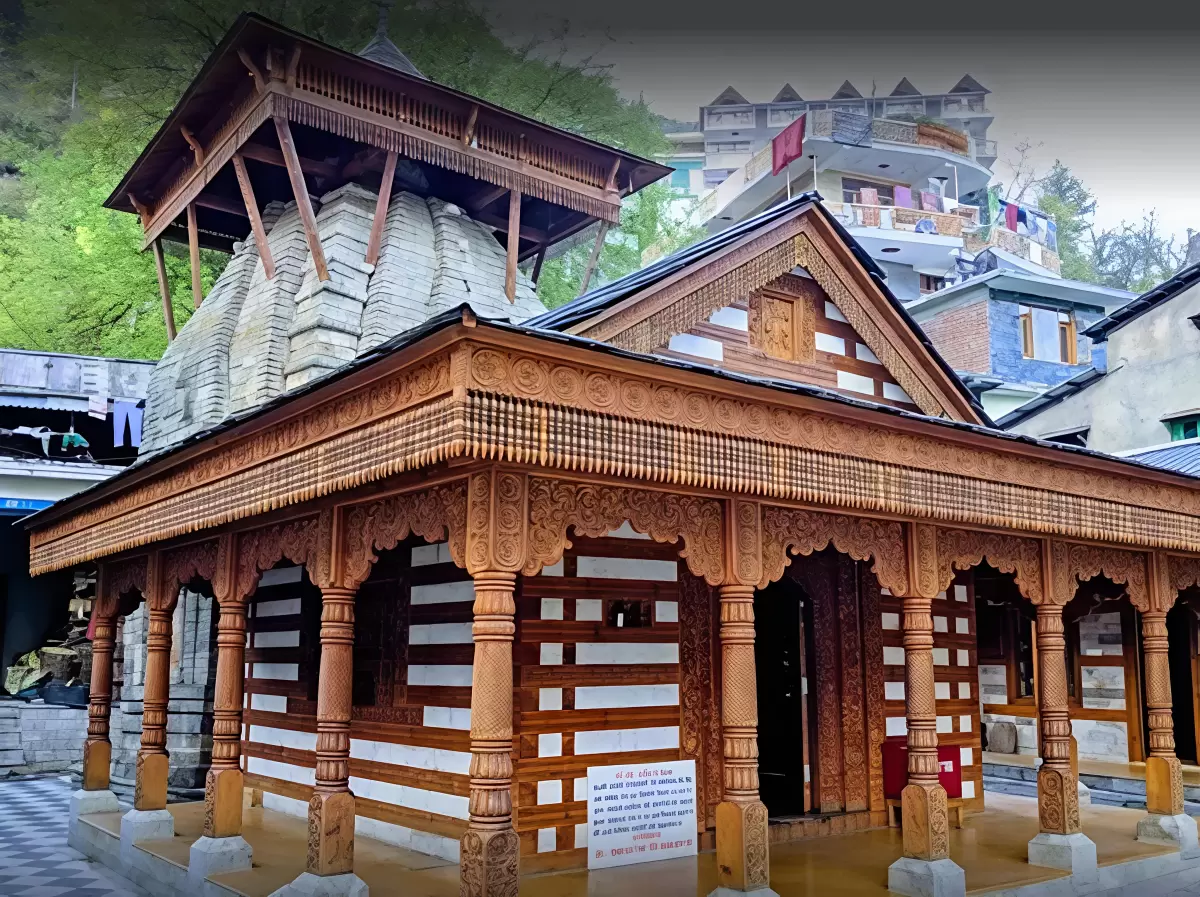
Vashishtha Temple is worth visiting for travelers who want to experience a place that is still part of daily local life rather than a curated attraction. The temple is actively used by residents of Vashisht village, and rituals happen naturally throughout the day. The presence of natural hot water springs adds a practical reason to visit, especially in colder months.
The atmosphere here is calm but lived-in. Narrow village lanes, old stone houses, and the sound of flowing water define the setting. Unlike crowded central Manali temples, this area feels slower, particularly outside morning peak hours. The smell of sulfur from the springs and the steady rhythm of local visitors give the place an unpolished, authentic character.
What makes Vashishtha Temple special is the combination of an ancient place of worship with naturally occurring hot springs that are free and accessible to everyone. The baths are simple and functional, not designed for comfort or luxury, which reflects how the site has been used for generations. This mix of belief, routine, and geography is what gives the place its lasting relevance.
Vashishtha Temple is traditionally associated with Sage Vashishtha, one of the revered sages mentioned in early Hindu texts. Local belief holds that the sage chose this area for meditation due to the presence of natural hot water springs, which were considered spiritually and physically purifying. While there are no dated inscriptions that confirm the exact age of the temple, it is widely regarded as one of the older active temples in the Manali region.
The current structure reflects multiple phases of repair and rebuilding rather than a single period of construction. Stone and wood elements typical of Himachali temple architecture can be seen, shaped by centuries of weather exposure and seismic activity. The temple has remained a functioning place of worship rather than a preserved monument, which explains its simple and practical layout.
The hot water springs beside the temple have always been central to the site. They are not treated as a separate attraction but as part of the temple routine, used by devotees before prayers. This continuous, everyday use has kept the place relevant to the local community rather than turning it into a symbolic or ceremonial site.
Vashishtha Temple can be visited throughout the year, as it remains accessible in all seasons and does not depend on trekking or high-altitude routes. The experience, however, changes noticeably with weather and tourist flow in Manali.
March to June is the most comfortable period in terms of weather. Days are mild, and the hot springs feel relaxing rather than overwhelming. This is also when Manali sees high tourist numbers, so mornings can be busy.
July to September brings monsoon showers. The village lanes can become slippery, and humidity increases, but crowd levels drop slightly on weekdays. The hot water baths are still usable, though caution is needed on wet stone steps.
October to February is ideal for travelers who specifically want to use the hot springs. Cold air temperatures make the baths particularly appealing. Snowfall in peak winter may slow road access, but the temple usually remains open unless weather conditions are extreme.
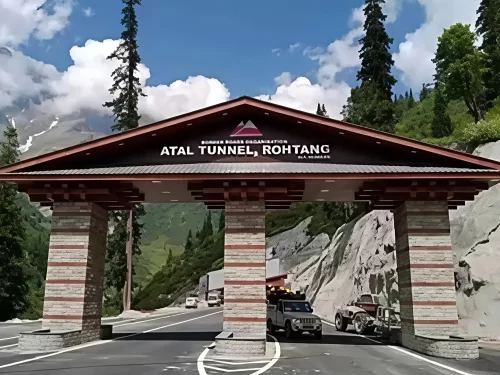 Tourist Attraction
Atal Tunnel is a high-altitude road tunnel beneath the Rohtang Pass that connects the Kullu Valley with the Lahaul region of Himachal Pradesh.
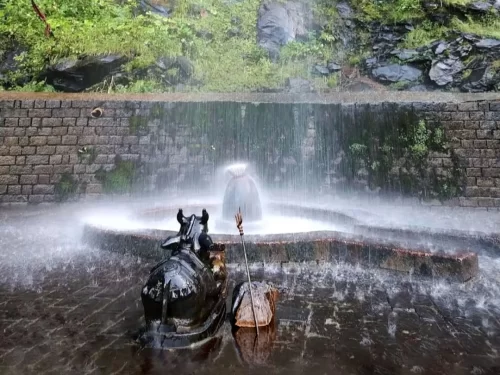 Temple
Shri Anjani Mahadev Mandir is a revered ancient Shiva temple near Manali, known for its naturally forming ice Shivling and stunning mountain surroundings.
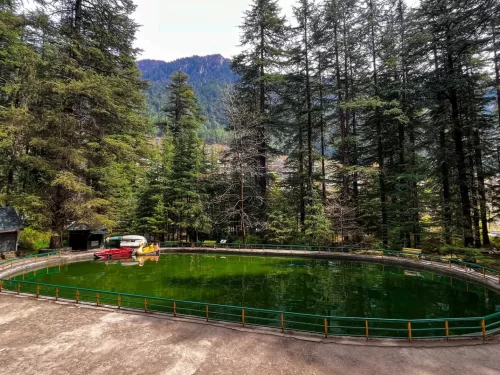 Wildlife Sanctuary
Van Vihar National Park is a serene green park in Manali, famous for tall deodar trees, scenic walking trails, and riverside views.
Get customized Himachal Pradesh tour planning designed around season, road conditions, hill travel pacing, and comfort preferences. Whether you are visiting for snow experiences, mountain landscapes, temple towns, adventure activities, or relaxed valley s
⚡ Quick Response | 💰 Free consultation | 🕒 24×7 expert support

