Vaishno Devi Temple, Kullu, Himachal Pradesh, India

Vaishno Devi Temple Kullu , Kullu
Visitors come to offer prayers, participate in religious rituals, and experience the temple\'s peaceful setting amidst the Himalayan foothills. The temple is a popular pilgrimage stop in the Kullu Valley and is frequently visited alongside nearby attractions in Kullu and Manali.

Quick Facts About Vaishno Devi Temple Kullu

Vaishno Devi Temple Kullu Quick Facts

Entry Fee No entry fee
Timings Generally open from 5:00 AM to 9:00 PM; timings may vary during festivals and special religious occasions.
Altitude (m) Approximately 1,220 m above sea level
Ideal Visit Duration 30 minutes–1 hour
Best Time of Day Morning or evening during aarti hours
Crowd Level Moderate; higher during Navratri and major Hindu festivals
Distance from City Centre (km) Approximately 4 km from Kullu town centre
Walking Difficulty Easy
Parking Available Yes, parking facilities are available near the temple complex
Last Mile Access Direct road access to the temple entrance on the Kullu–Manali Highway
Suitable for Kids Yes
Suitable for Seniors Yes
Wheelchair Friendly Partially; main access areas are relatively accessible, though some sections may have steps

Why Visit Vaishno Devi Temple Kullu

Visitors come to Vaishno Devi Temple Kullu to offer prayers to Goddess Vaishno Devi and visit one of the region’s well-known religious sites located along the Kullu–Manali route.

The atmosphere is devotional and family-friendly, with pilgrims, local residents, and travelers visiting the temple throughout the day, especially during religious festivals and holidays.

What makes this temple distinct is its easily accessible location near the Beas River, cave-style shrine experience, and its popularity as a spiritual stop for visitors exploring the Kullu Valley.

History of Vaishno Devi Temple Kullu

Vaishno Devi Temple in Kullu is dedicated to Goddess Vaishno Devi and is one of the prominent Hindu shrines in the Kullu Valley. The temple has been an important place of worship for local residents and visiting devotees, reflecting the region's longstanding tradition of goddess worship.

Located along the banks of the Beas River near Kullu, the temple attracts pilgrims seeking blessings of the goddess. Its religious significance and accessibility have made it a frequently visited spiritual site for travelers exploring the Kullu-Manali region.

Best Time to Visit Vaishno Devi Temple Kullu

Vaishno Devi Temple in Kullu can be visited throughout the year, but the most comfortable months are from March to June and September to November when the weather is pleasant for temple visits and sightseeing in the Kullu Valley.
  • Ideal months: March to June and September to November offer the best conditions for darshan, exploring the temple complex, and visiting nearby attractions in Kullu.
  • Weather conditions during the best season: Temperatures are generally mild, making it comfortable for walking around the temple premises. Clear skies during spring and autumn also provide good views of the surrounding valley.
  • Periods to avoid: July and August can experience heavy monsoon rainfall, which may affect local travel and outdoor movement. Major religious festivals and Navratri celebrations attract large crowds, so visitors seeking a quieter experience may prefer other periods.

How to Reach Vaishno Devi Temple Kullu

  • Nearest Airport: Bhuntar Airport (Kullu–Manali Airport), located approximately 8 km from Vaishno Devi Temple Kullu, is the nearest airport. Taxis and local transport are easily available for the short onward journey.
  • Nearest Railway Station: Joginder Nagar Railway Station, around 125 km away, is the nearest railway station. Chandigarh and Pathankot serve as major railheads with better connectivity to the region.
  • Road Access and Last-Mile Connectivity: Vaishno Devi Temple is situated along National Highway 3 near Kullu, between Bhuntar and Kullu town. The temple is directly accessible by private vehicles, taxis, and Himachal Road Transport buses. The final approach is fully motorable, with parking available near the temple complex. Road access remains reliable throughout the year except for occasional disruptions caused by heavy rain or landslides during the monsoon season.

What to Expect When You Visit Vaishno Devi Temple Kullu

  • Environment and Surroundings: Vaishno Devi Temple Kullu is located on the banks of the Beas River amid the scenic Kullu Valley. The temple complex has a peaceful religious atmosphere, surrounded by mountains, greenery, and river views.
  • Facilities and Amenities: Basic facilities such as shoe-keeping areas, drinking water, rest areas, and shops selling religious offerings are available near the temple. Additional restaurants and tourist services can be found along the nearby highway and in Kullu town.
  • Accessibility and Movement: The temple is situated close to the Kullu–Manali highway and is easily accessible by road. Visitors can reach the main shrine with minimal walking, making it suitable for most age groups.
  • Visitor Conditions: The temple attracts a steady flow of pilgrims and tourists throughout the year. Crowd levels increase during Navratri and other religious occasions, which may result in longer waiting times for darshan and limited parking availability during peak hours.

Important Visitor Information for Vaishno Devi Temple Kullu

  • Vaishno Devi Temple Kullu receives the highest number of devotees during Navratri, weekends, and major Hindu festivals, when waiting times for darshan may increase.
  • Early morning hours generally offer a quieter and more peaceful temple experience, while late mornings and evenings tend to attract larger crowds.
  • The temple remains accessible throughout the year, though monsoon rains can occasionally affect travel conditions in the Kullu Valley.
  • Modest attire is recommended inside the temple premises, and visitors are expected to remove footwear before entering the shrine.
  • Visitors should follow temple guidelines, maintain orderly queues during darshan, and exercise caution on steps and pathways that may become slippery during rainy weather.

Photography and Viewpoints at Vaishno Devi Temple Kullu

  • The best photographs are typically taken from the temple courtyard and entrance areas, where the colorful temple architecture, landscaped surroundings, and nearby mountain scenery can be captured together.
  • Morning hours provide softer lighting and relatively fewer visitors, making it easier to photograph the temple exterior and surrounding grounds.
  • Several open sections of the complex offer views of the Kullu Valley and nearby hills, creating attractive backdrops for wide-angle photographs.
  • Photography is generally permitted in the temple premises' open areas, but photography inside the sanctum and during religious rituals may be restricted. Visitors should follow instructions issued by temple authorities.
  • The temple's decorative gateways, shrines, and religious artwork are best photographed during daylight hours when architectural details are clearly visible.
  • Navratri and other major religious festivals attract large crowds, which can limit access to certain viewpoints and affect unobstructed photography around the complex.
  • Drone photography, commercial shoots, and the use of professional equipment may require prior permission and may be restricted within the temple premises.

Near By Attraction

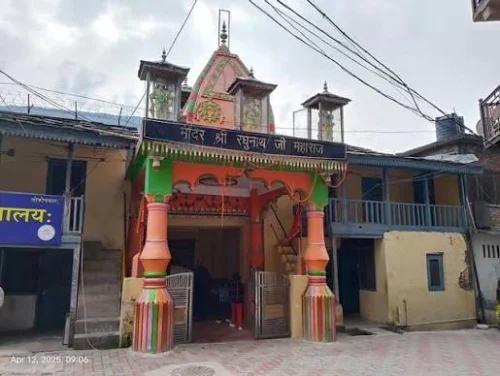
Shri Raghunath Temple Kullu featuring a colorful entrance gateway with vibrant pillars, an arched signboard in Devanagari script, and traditional buildings flanking the courtyard. Temple

Shri Raghunath Temple Kullu

Shri Raghunath Temple is a historic Hindu temple dedicated to Lord Raghunath (Lord Rama), located in Kullu town, Himachal Pradesh.
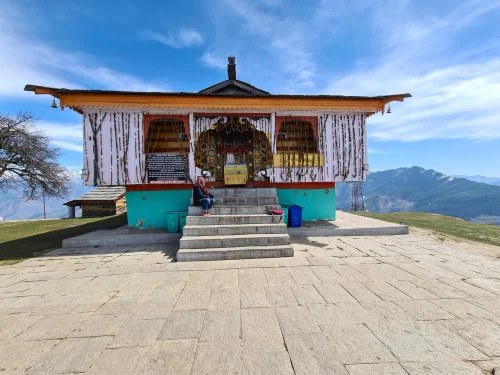
Bijli Mahadev Temple featuring traditional Himalayan architecture, stone flooring, a scenic hilltop setting, and panoramic mountain views under a bright blue sky. Temple

Bijli Mahadev Temple

Bijli Mahadev Temple is a prominent Hindu temple dedicated to Lord Shiva, situated on a hilltop in Kullu district, Himachal Pradesh, overlooking the Kullu and Parvati valleys.

Frequently Asked Questions About Vaishno Devi Temple Kullu

Vaishno Devi Temple is famous for its spiritual significance, devotion to Goddess Vaishno Devi, peaceful surroundings, and sacred atmosphere. It attracts devotees seeking divine blessings and a spiritually enriching temple experience.
Visitors come to Vaishno Devi Temple to offer prayers, seek the blessings of Goddess Vaishno Devi, participate in religious rituals, and experience the temple's serene and devotional environment.
The special features of Vaishno Devi Temple include its sacred shrine dedicated to Goddess Vaishno Devi, beautiful hilltop surroundings, peaceful ambiance, traditional temple architecture, and religious importance for devotees.
The best time to visit Vaishno Devi Temple is from March to June and September to November when the weather is pleasant for sightseeing and temple visits. Navratri is also a popular time for devotees.
Vaishno Devi Temple is generally open during morning and evening hours for devotees. Visitors should check the latest darshan timings before planning their visit, especially during festivals and special religious occasions.
No entry fee is required to visit Vaishno Devi Temple. Visitors can enter the temple premises free of charge, while special poojas and offerings may have separate charges.
Parking facilities are available near Vaishno Devi Temple. Visitors can park their private vehicles in designated parking areas and walk a short distance to reach the temple entrance.
Visitors can reach Vaishno Devi Temple by private car, local cab, or tourist vehicle. The temple is well connected by road and can be conveniently accessed from nearby towns and tourist destinations.
The nearest airport to Vaishno Devi Temple is Bhuntar Airport, located around 15 km away. Visitors can hire a private car, local cab, or tourist vehicle for convenient travel.
The nearest railway station to Vaishno Devi Temple is Joginder Nagar Railway Station, located around 125 km away. Visitors can continue by local cab, private car, or tourist vehicle to reach the temple.
Visitors should wear modest and traditional clothing while visiting Vaishno Devi Temple. Avoid wearing shorts, sleeveless outfits, or revealing clothes to respect temple customs and religious practices.
Mobile phones and cameras may have restrictions inside certain areas of Vaishno Devi Temple. Visitors should follow temple guidelines and avoid photography where it is prohibited.
Visitors should maintain cleanliness and respect religious traditions before visiting Vaishno Devi Temple. Avoiding non vegetarian food, alcohol, smoking, and tobacco is recommended before entering the temple premises.
Vaishno Devi Temple is suitable for families and senior citizens. The temple premises are accessible, and visitors can enjoy a comfortable spiritual experience while following local guidelines.
Visitors should maintain silence, respect temple rituals, follow queue arrangements, keep the premises clean, and follow the instructions issued by temple authorities throughout their visit.
Nearby attractions from Vaishno Devi Temple include Bijli Mahadev Temple, Raghunath Temple, Great Himalayan National Park, Naggar Castle, and other popular sightseeing places.

Loved this place ? Let’s Plan Your Himachal Pradesh Trip

Get customized Himachal Pradesh tour planning designed around season, road conditions, hill travel pacing, and comfort preferences. Whether you are visiting for snow experiences, mountain landscapes, temple towns, adventure activities, or relaxed valley s

⚡ Quick Response | 💰 Free consultation | 🕒 24×7 expert support

×

Plan Your Trip