Quick Facts About Shri Raghunath Temple Kullu
Shri Raghunath Temple Kullu Quick Facts
| Entry Fee | No entry fee |
| Timings | Generally open from 5:00 AM to 9:00 PM; timings may vary during festivals and special religious ceremonies. |
| Altitude (m) | Approximately 1,220 m above sea level |
| Ideal Visit Duration | 30–60 minutes |
| Best Time of Day | Morning or evening during aarti hours |
| Crowd Level | Moderate; very high during Kullu Dussehra and major Hindu festivals |
| Distance from City Centre (km) | Approximately 1 km from Kullu town centre |
| Walking Difficulty | Easy |
| Parking Available | Limited parking available near the temple area |
| Last Mile Access | Direct road access followed by a short walk through the temple approach area |
| Suitable for Kids | Yes |
| Suitable for Seniors | Yes |
| Wheelchair Friendly | Partially; access to some sections may be affected by steps and temple layout |
Why Visit Shri Raghunath Temple Kullu
Visitors come to Shri Raghunath Temple to offer prayers to Lord Raghunath (Lord Rama) and experience one of the most important religious landmarks in the Kullu Valley.
The atmosphere is devotional and culturally significant, with local worshippers, pilgrims, and visitors gathering for daily prayers and seasonal religious celebrations.
What makes Shri Raghunath Temple distinct is its central role in Kullu’s spiritual traditions, its association with the renowned Kullu Dussehra festival, and its importance as a focal point of the region’s religious heritage.
History of Shri Raghunath Temple Kullu
Shri Raghunath Temple is one of the most important religious landmarks in Kullu and is dedicated to Lord Raghunath, a form of Lord Rama. The temple was established in the 17th century by Raja Jagat Singh, the ruler of Kullu, who brought an idol of Lord Raghunath from Ayodhya and installed it as the presiding deity of the kingdom.
Following the installation of the idol, Lord Raghunath was recognized as the principal deity of the Kullu kingdom, and the temple became the spiritual center of the valley. The shrine gained further prominence through its association with the famous Kullu Dussehra festival, during which numerous local deities gather in honor of Lord Raghunath.
Today, Shri Raghunath Temple remains a major pilgrimage site and an enduring symbol of Kullu's religious and cultural heritage, attracting devotees and visitors from across India.
Best Time to Visit Shri Raghunath Temple Kullu
Shri Raghunath Temple can be visited throughout the year, but the most rewarding time is from March to June and September to November when the weather is pleasant and visitors can comfortably explore Kullu's spiritual and cultural attractions.
- Ideal months: March to June and September to November are the best months to visit Shri Raghunath Temple, offering comfortable temperatures and excellent sightseeing conditions in the Kullu Valley.
- Weather conditions during the best season: Spring and autumn bring mild weather, clear mountain views, and pleasant conditions for temple visits, local walks, and exploring nearby attractions in Kullu.
- Periods to avoid: July and August can experience heavy monsoon rainfall, occasionally affecting local travel and outdoor sightseeing. During the internationally renowned Kullu Dussehra festival, the temple area becomes extremely crowded, though it is also the most culturally vibrant time to visit.
How to Reach Shri Raghunath Temple Kullu
- Nearest Airport: Bhuntar Airport (Kullu–Manali Airport), located approximately 10 km from Shri Raghunath Temple, is the nearest airport. Taxis and local transport are readily available for the short journey to Kullu town.
- Nearest Railway Station: Joginder Nagar Railway Station, about 125 km away, is the nearest railway station. Many travelers also use Chandigarh or Pathankot railheads due to their wider rail connectivity before continuing by road to Kullu.
- Road Access and Last-Mile Connectivity: Shri Raghunath Temple is located in the Sultanpur area of Kullu town and is easily accessible by road from Bhuntar, Manali, Mandi, and other destinations in the Kullu Valley. Private vehicles, taxis, and Himachal Road Transport buses provide convenient access. The final approach is fully motorable, followed by a short walk to the temple entrance. Traffic congestion may occur during the famous Kullu Dussehra festival due to large pilgrim and tourist gatherings.
What to Expect When You Visit Shri Raghunath Temple Kullu
- Environment and Surroundings: Shri Raghunath Temple is one of the most important religious landmarks in Kullu, located amid the bustling town and surrounded by the scenic Kullu Valley. The atmosphere is deeply devotional, with regular prayers and strong cultural significance for the local community.
- Facilities and Amenities: Basic facilities such as shoe storage areas, drinking water points, and shops selling prasad and religious offerings are available near the temple. Restaurants, cafés, and other visitor services can be found within the surrounding town area.
- Accessibility and Movement: The temple is easily accessible by road and requires only a short walk from nearby parking and market areas. Visitors can comfortably explore the temple premises, although access routes may become busy during festivals and peak tourist periods.
- Visitor Conditions: Devotees visit throughout the year for worship and darshan, while tourists often come to experience the temple's historical and cultural significance. Crowd levels increase considerably during the internationally known Kullu Dussehra festival, resulting in busy surroundings and longer waiting times.
Important Visitor Information for Shri Raghunath Temple Kullu
- Shri Raghunath Temple experiences its highest visitor turnout during Kullu Dussehra, major Hindu festivals, weekends, and religious celebrations when devotees gather from across the region.
- Early morning hours generally offer a quieter and more peaceful atmosphere for darshan, while afternoons and festival periods tend to attract larger crowds.
- The temple remains accessible throughout the year, though visitor numbers increase significantly during the autumn festival season and local religious events.
- Modest attire is recommended inside the temple premises, and footwear must be removed before entering the main shrine area.
- Visitors should follow temple customs, maintain orderly queues during darshan, and respect ongoing prayers, rituals, and religious ceremonies.
Photography and Viewpoints at Shri Raghunath Temple Kullu
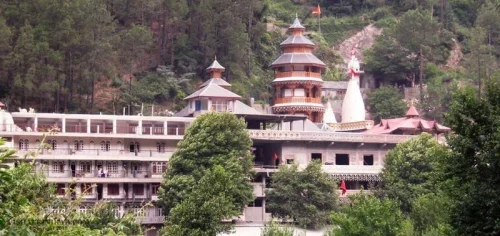
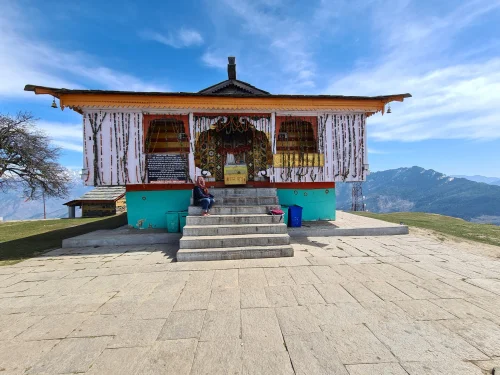
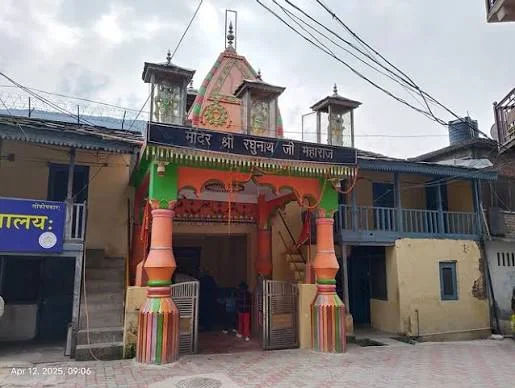
- The best photographs are captured from the temple courtyard and entrance area, where the traditional Himachali temple architecture, wooden carvings, and surrounding Kullu Valley scenery can be framed together.
- Early morning offers softer light and fewer visitors, making it ideal for photographing the temple exterior and intricate architectural details.
- The elevated sections around the temple provide views of Kullu town, the Beas Valley, and the surrounding mountain slopes, particularly during clear weather.
- The temple's wooden doorways, sloping roofs, and traditional hill-style construction are best photographed during daylight hours when craftsmanship and details are clearly visible.
- Photography is generally permitted in the outer areas of the temple complex, but restrictions may apply inside the sanctum and during religious ceremonies. Visitors should follow temple guidelines and instructions from authorities.
- Kullu Dussehra attracts thousands of devotees and visitors, creating unique cultural photography opportunities but also significantly increasing crowd levels around the temple.
- Professional photography equipment, tripods, commercial shoots, and drone operations may require prior permission and may be restricted within the temple premises.