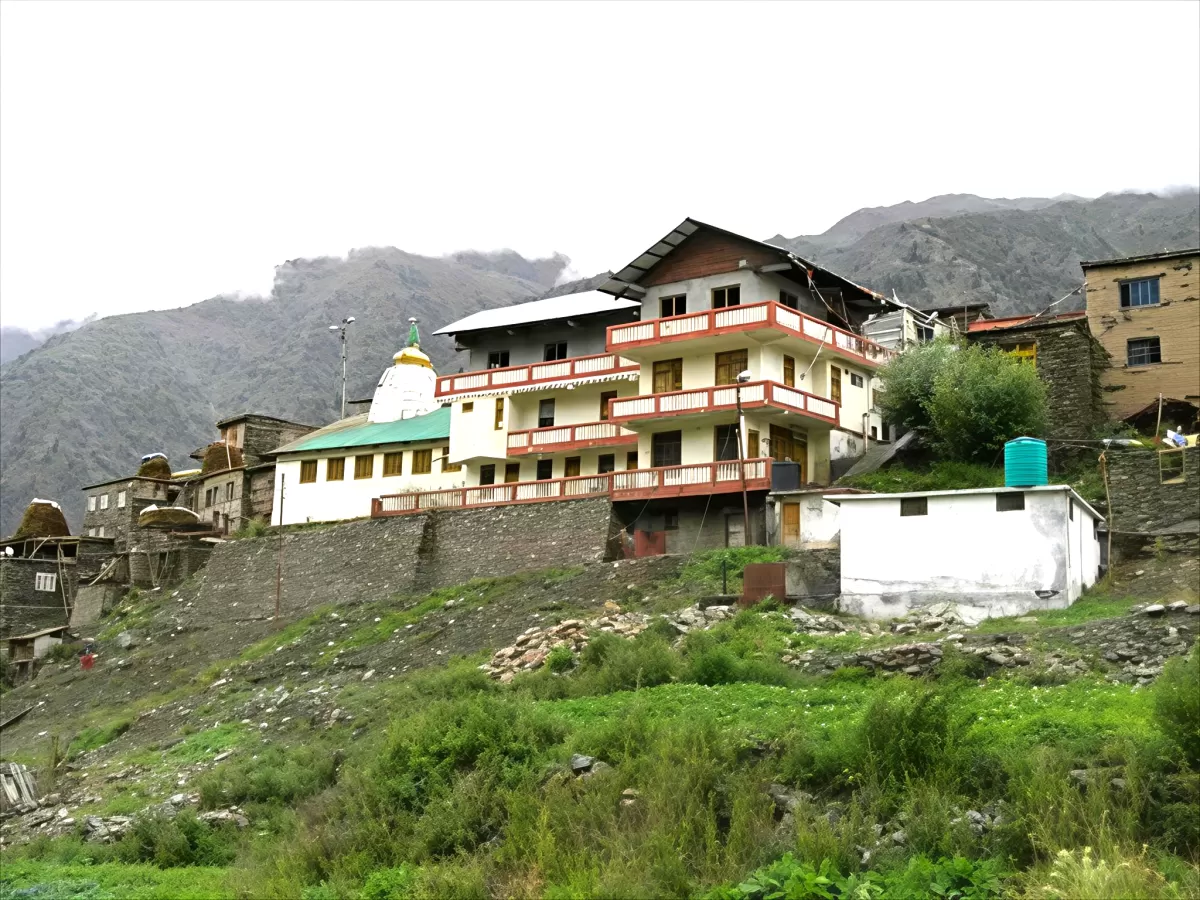
Shashur Monastery – Serene Himalayan Buddhist Retreat

Shashur Monastery , Keylong
Shashur Monastery, located in the remote Himalayan region, is known for its vibrant murals, intricately carved wooden architecture, and traditional Buddhist rituals. Surrounded by towering peaks and scenic landscapes, the monastery provides visitors with a tranquil spiritual experience, opportunities for meditation, and a glimpse into local monastic life. The serene environment and cultural richness make it a notable destination for both pilgrims and travelers interested in Himalayan heritage.

Quick Facts About Shashur Monastery

Entry Fee Free
Timings 06:00 - 18:00
Altitude (m) 3200
Ideal Visit Duration (hrs) 2
Best Time of Day Morning
Crowd Level Moderate
Distance from Keylong (km) 3
Walking Difficulty Moderate
Parking Available Yes
Last Mile Access Road
Suitable for Kids Yes
Suitable for Seniors Yes
Wheelchair Friendly No

Why Visit

Atmosphere: Shashur Monastery offers a peaceful and deeply reflective setting high in the Himalayan foothills. Surrounded by sparse blue pine patches and rugged mountain terrain, the monastery exudes spiritual calm that is both grounding and meditative. Visitors often feel embraced by silence, punctuated only by monks’ chants and the distant call of nature, making it an ideal destination for contemplation, prayer, and cultural immersion. The crisp mountain air and panoramic valley views further enhance its serene ambience.

What Makes It Special: Founded in the 17th century by Lama Deva Gyatsho, Shashur Monastery is a remarkable blend of traditional Tibetan Buddhist architecture and local Himalayan craftsmanship. It is renowned for its richly decorated prayer halls, towering thangka paintings (including rare large murals), and well?preserved wall paintings depicting the 84 siddhas of Buddhism — treasures that offer deep insight into Buddhist lore and artistic traditions. The monastery also hosts vibrant annual festivals where monks perform sacred Cham dances in colorful robes and masks, illustrating spiritual narratives that celebrate the triumph of Buddhist teachings. Its unique location amidst blue pines, combined with its spiritual heritage and cultural vibrancy, makes Shashur a compelling destination for travellers seeking both tranquility and cultural depth.

History

Shashur Monastery, locally known as Shashur Gompa, was established in the 17th century by Lama Deva Gyatsho, a lama from Zanskar who came to the Lahaul Valley to spread Tibetan Buddhist teachings. The name “Shashur” means “amidst blue pines,” reflecting the pine-covered hills surrounding the monastery.

The monastery is affiliated with the Drukpa (Drugpa) sect of Tibetan Buddhism, also known as the Red Hat sect. Originally a smaller gompa existed on the site, which Lama Deva Gyatsho expanded and renovated. Local tradition holds that after his death, his heart did not burn during cremation and was later enshrined as a memorial.

Shashur Monastery is renowned for its artistic heritage, including large thangka scrolls and detailed wall paintings depicting sacred figures such as the 84 siddhas of Buddhism. The monastery also hosts the annual Tsheshu festival in June–July, during which monks perform vibrant Cham dances, drawing both devotees and visitors for a unique spiritual and cultural experience.

Best Time to Visit

Shashur Monastery is best visited during the warmer months when the Himalayan roads are accessible and the weather is pleasant. The ideal season combines good visibility, comfortable temperatures, and the chance to witness cultural events like the annual Cham dance festival.
  • Summer (May to September): This is the most popular time to visit. Snow has melted from mountain passes, temperatures are mild (10–25°C), and the surrounding landscapes are lush and vibrant. Clear skies make it perfect for photography and sightseeing.
  • Monsoon (July to August): Light rains may occur, but the valley is less crowded. Travelers should check local conditions, as heavy rain can occasionally affect road access.
  • Winter (November to March): The region experiences heavy snowfall and extremely cold temperatures (-5°C to -20°C), making travel difficult. Only experienced travelers with proper winter gear and vehicles should attempt a visit during this season.
  • Spring (April to May) & Autumn (September to October): These months offer clear skies, moderate temperatures, and fewer crowds, ideal for photography, peaceful exploration, and enjoying the monastery’s scenic backdrop.
  • Festival Timing: Visiting during the Tsheshu festival (June–July) adds a cultural highlight, with colorful Cham dances and local rituals on display.

How to Reach

  • By Road (Primary Access): Shashur Monastery is located near Keylong in the Lahaul Valley and is best reached by road. From Keylong town, hire a taxi or local vehicle to the base of the monastery road — it’s approximately 3–5 km by road. A motorable road now connects the monastery directly, though a portion of the route may be uphill and narrow. Alternatively, many visitors choose to walk the scenic uphill trail from Keylong for about 45–60 minutes.
  • From Manali: The most common route for travellers coming from major cities is via Manali. Drive or take a bus/taxi along the Manali–Leh Highway (NH?3) through the Atal Tunnel to reach Keylong. The distance from Manali to Keylong is about 120?km and the journey takes roughly 3–5 hours, depending on road conditions and weather.
  • By Air: The nearest airport is Bhuntar Airport (IATA: KUU) near Kullu, about 170–175?km from Keylong. From Bhuntar, you can hire a taxi or take a bus to reach Keylong, then proceed to Shashur Monastery by road.
  • By Train: There is no railway station close to Shashur Monastery. The nearest railway station is Shimla Railway Station, which is over 300 km away. Travellers typically reach Bhuntar or Joginder Nagar railhead and continue by road.
  • Local Transport Options: Once in Keylong, local taxis, shared jeeps, or hired bikes are available to reach the monastery area. If you enjoy walking and the terrain is good, the uphill trail from the main road to Shashur Monastery provides rewarding valley views.
  • Travel Tips: Summer (late May to early October) is the easiest time to drive to Shashur, as snow-blocked passes like Rohtang may limit access in winter. Always carry cash in Keylong — shared transport and taxis may not accept card payments.

What to Expect When You Visit

  • Tranquil Spiritual Environment: Shashur Monastery is a serene place where visitors can experience quiet meditation and spiritual reflection amidst the Himalayas.
  • Traditional Tibetan Architecture: The monastery features beautifully carved wooden structures, colorful prayer flags, and intricate murals that reflect the artistry of the Drukpa sect.
  • Monastic Rituals: Witness daily prayers, chanting sessions, and ceremonial rituals conducted by resident monks, offering a glimpse into monastic life and Buddhist traditions.
  • Stunning Himalayan Views: Located on a hillside near Keylong, the monastery offers panoramic views of the Lahaul Valley and surrounding snow-capped peaks, perfect for photography.
  • Cultural Festivals: If visiting during the annual Tsheshu festival (June–July), you can observe vibrant Cham dances, traditional music, and ritual performances.
  • Peaceful Walks: Explore the monastery courtyard and nearby trails, enjoying the calm environment and local flora along the way.
  • Local Interaction: Engage with the resident monks and nearby villagers to learn about the history, practices, and daily life in this remote Himalayan region.
  • Respectful Atmosphere: Visitors are expected to follow monastery etiquette: dress modestly, remove shoes before entering prayer halls, and seek permission before photographing monks or rituals.
  • Photography Opportunities: Capture the monastery’s murals, sculptures, and scenic backdrop; early morning or late afternoon light enhances colors and textures.

Important Visitor Information

  • Crowd & Weather Notes: Shashur Monastery is in a remote Himalayan region, so it generally experiences low to moderate visitor traffic. The best weather is during late spring to early autumn (May–October). Winters are harsh with heavy snowfall, making access difficult.
  • Peak / Quiet Hours: Early mornings and late afternoons offer the most peaceful experience. Midday may see small groups of local visitors attending rituals.
  • Dress Code: Modest clothing is required inside the monastery. Cover shoulders and knees, and remove shoes before entering prayer halls. Comfortable walking shoes are recommended for uneven terrain and nearby trails.
  • Safety Notes: The monastery is located on hilly terrain. Watch your step on stairs and slopes, follow signage, and supervise children. Carry water and warm clothing during colder months, and ensure proper acclimatization to the altitude (approx. 3,200m).

Photography and Viewpoint

  • Scenic Mountain Views: Shashur Monastery is perched on a hillside overlooking the Lahaul Valley. Photographers can capture panoramic views of snow-capped peaks, the Chandra River, and surrounding pine forests.
  • Monastery Architecture: The monastery’s traditional Tibetan architecture, with colorful murals, prayer flags, and wooden carvings, provides excellent subjects for close-up and wide-angle photography.
  • Golden Hour Shots: Early morning and late afternoon offer soft, warm light that enhances the colors of the murals, flags, and mountains, creating perfect conditions for landscape and cultural photography.
  • Festival Photography: Visiting during the annual Tsheshu festival (June–July) allows you to photograph vibrant Cham dances, monks in ceremonial robes, and local rituals in action.
  • Hidden Perspectives: Small terraces and nearby trails provide alternative viewpoints for unique angles, away from main courtyards, making it easier to capture unobstructed shots.
  • Photography Etiquette: Respect religious practices: avoid flash in prayer halls, seek permission before photographing monks, and do not disrupt ceremonies.
  • Seasonal Variations: Summer brings green valleys and clear skies, while winter offers snow-covered landscapes for dramatic photography — but access may be limited during heavy snowfall.
  • Equipment Tips: Wide-angle lenses are ideal for landscapes, while zoom lenses help capture distant rituals or mountain peaks. A tripod is recommended for low-light interiors or long-exposure shots.

Near By Attraction

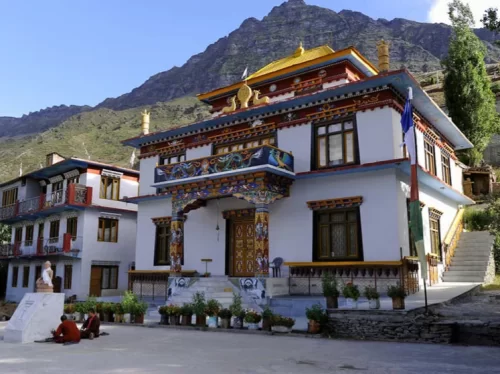
Front view of Kardang Monastery in Keylong, featuring a colorful Tibetan-style building with ornate entrance, golden roof details, prayer flags, potted plants, and mountains rising in the background. Monastery

Kardang Monastery

Nestled in the scenic Spiti Valley, Kardang Monastery is one of the oldest and most revered Buddhist monasteries in Himachal Pradesh.
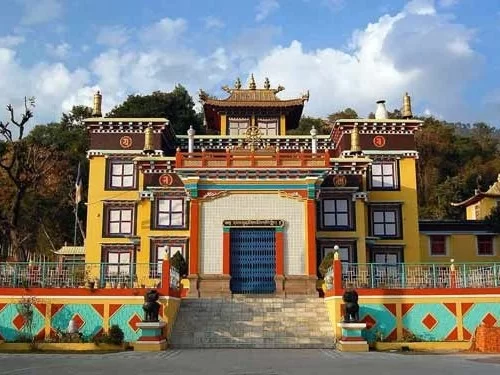
Front view of Tayul Monastery in Keylong showcasing a vibrant Tibetan-style structure with golden rooftop details, colorful facade, central blue entrance gate, and decorative boundary walls against a hillside backdrop. Monastery

Tayul Monastery

Tayul Monastery is a serene 17th-century Tibetan Buddhist monastery perched in the Lahaul Valley, offering spiritual and cultural insights.

Frequently Asked Questions About Shashur Monastery

The best time to visit Shashur Monastery is between May and September when the roads to Lahaul Valley in Himachal Pradesh remain open and weather conditions are stable. These months offer clear mountain views and easier travel.
Shashur Monastery is located near Keylong in Lahaul Valley in Himachal Pradesh. It is built on a hilltop surrounded by pine forests and overlooking the valley.
Shashur Monastery can be reached by road from Keylong, which is approximately 3 to 5 kilometers away. Visitors can hire a taxi or drive along a narrow but motorable mountain road.
There is usually no entry fee to visit Shashur Monastery. Visitors can enter the premises respectfully without purchasing a ticket.
Shashur Monastery is generally open during daylight hours from morning until early evening. Visiting before sunset is advisable due to limited lighting in the area.
Around one hour is sufficient to explore Shashur Monastery and observe the prayer hall and surroundings. Visitors often spend additional time enjoying the peaceful views of Lahaul Valley.
Shashur Monastery may be difficult to access during winter due to heavy snowfall in Lahaul Valley. Travelers should check current road conditions before planning a winter visit in Himachal Pradesh.
Photography is usually allowed in the outer areas of Shashur Monastery, but restrictions may apply inside prayer halls. Visitors should ask for permission and follow monastery guidelines.
Shashur Monastery involves a short uphill approach from the parking area, which may require slow walking for elderly visitors. Taking breaks can make the visit more comfortable.
Visitors should carry warm clothing, drinking water, and sun protection while visiting Shashur Monastery due to high altitude conditions. It is important to maintain silence and respect local religious practices.

Loved this place ? Let’s Plan Your Himachal Pradesh Trip

Get customized Himachal Pradesh tour planning designed around season, road conditions, hill travel pacing, and comfort preferences. Whether you are visiting for snow experiences, mountain landscapes, temple towns, adventure activities, or relaxed valley s

⚡ Quick Response | 💰 Free consultation | 🕒 24×7 expert support

×

Plan Your Trip