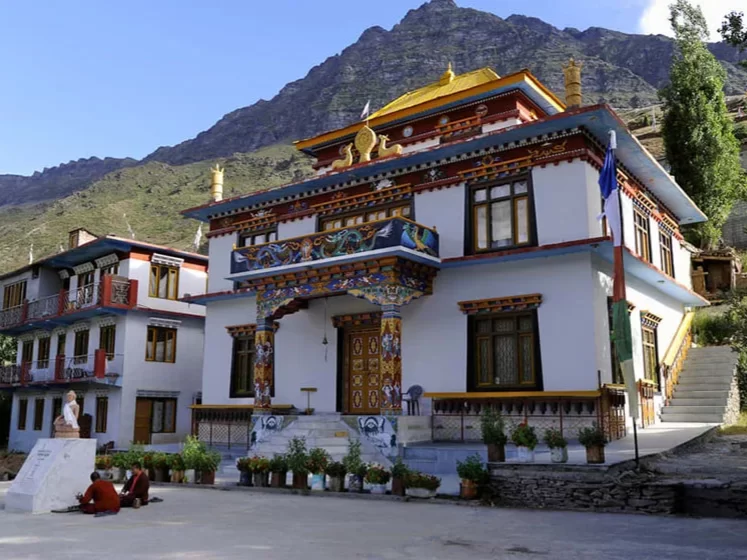
Kardang Monastery – Spiritual Gem of Spiti Valley

Kardang Monastery , Keylong
Kardang Monastery, perched above the Parahio River, dates back to the 12th century and belongs to the Drukpa Kagyu sect of Tibetan Buddhism. Known for its stunning architecture, vibrant murals, and serene atmosphere, it serves as a spiritual center for monks and visitors alike. The monastery offers panoramic views of the surrounding valleys and provides a peaceful retreat for those seeking cultural immersion and tranquility.

Quick Facts About Kardang Monastery

Entry Fee Free
Timings 06:00 - 18:00
Altitude (m) 3500
Ideal Visit Duration (hrs) 2
Best Time of Day Morning
Crowd Level Moderate
Distance from Keylong (km) 8
Walking Difficulty Moderate
Parking Available No
Last Mile Access Walk
Suitable for Kids Yes
Suitable for Seniors Yes
Wheelchair Friendly No

Why Visit

Atmosphere: Kardang Monastery offers a tranquil and spiritual environment high in the Lahaul Himalayas. Nestled on a gentle hill above the Bhaga River, the monastery is surrounded by terraced fields, alpine landscapes, and sweeping views of snow-capped peaks, creating a peaceful and meditative setting for visitors.

What Makes It Special: Founded in the 12th century, Kardang Monastery is one of the oldest and largest Drukpa Kagyu monasteries in Lahaul. It houses intricate murals, sacred Buddhist texts, and statues of Padmasambhava (Guru Rinpoche) and other deities. Visitors can witness daily prayers and rituals performed by resident monks, providing insight into Tibetan Buddhist practices. Its historical significance, cultural richness, and breathtaking Himalayan backdrop make Kardang Monastery a unique spiritual and cultural destination.

History

Kardang Monastery, one of the oldest and largest Drukpa Kagyu monasteries in Lahaul, was originally established in the 12th century. It has been a center for Buddhist learning and meditation for centuries, attracting monks and pilgrims from across the Himalayan region.

The monastery is renowned for its traditional Tibetan architecture, elaborate murals, and statues, including depictions of Padmasambhava (Guru Rinpoche) and other revered Buddhist figures. Over the years, it has undergone renovations and expansions to preserve its artistic and spiritual heritage.

Kardang Monastery continues to play an active role in the local community, hosting daily prayers, rituals, and occasional festivals. Its long-standing presence has made it a significant spiritual and educational hub in the Lahaul Valley, maintaining the Drukpa Kagyu traditions and practices for generations of monks and visitors.

Best Time to Visit

Kardang Monastery is best visited during the warmer months when the Himalayan roads are accessible and the weather is pleasant. This period offers clear skies, comfortable temperatures, and an opportunity to enjoy both the monastery and the surrounding alpine landscapes.
  • Summer (May to September): The most popular season. Roads are accessible, temperatures range from 10°C to 25°C, and the valley is lush and green. Ideal for sightseeing, photography, and exploring the monastery.
  • Monsoon (July to August): Light rains may occur, making some paths slippery, but the area is less crowded. Check local road conditions before traveling.
  • Winter (November to March): Cold temperatures (-5°C to -15°C) and snow can make travel challenging. Only experienced travelers with proper winter gear should attempt a visit during this season.
  • Spring (April to May) & Autumn (September to October): Clear skies, moderate temperatures, and fewer visitors make these months ideal for a peaceful visit and photography.
  • Festival Visits: Visiting during local Buddhist festivals allows you to witness rituals, prayers, and ceremonies that highlight the monastery’s cultural richness.

How to Reach

  • By Road: Kardang Monastery is located about 7–8 km from Keylong, the main town in the Bhaga Valley. Visitors can hire a taxi, shared jeep, or drive to the base of the monastery, followed by a short uphill walk of around 10–15 minutes to reach the entrance.
  • From Manali: Most travelers approach via the Manali–Leh Highway (NH-3). The distance from Manali to Keylong is approximately 120 km, taking 3–5 hours depending on road conditions. From Keylong, continue by local transport or on foot to Kardang Monastery.
  • By Air: The nearest airport is Bhuntar Airport (Kullu), roughly 175 km from Keylong. From Bhuntar, hire a taxi or take a bus to Keylong, then proceed to the monastery.
  • By Train: The closest railway stations are at Shimla or Joginder Nagar. Both require onward road travel to Keylong before reaching the monastery.
  • Local Transport: From Keylong, local taxis, shared jeeps, or motorbikes are commonly used. Walking is feasible for those who prefer a scenic uphill trek.
  • Travel Tips: Summer (May–October) is the safest and most accessible period. Check road conditions in advance, carry cash, and wear comfortable shoes for the uphill path.

What to Expect When You Visit

  • Peaceful Himalayan Setting: Kardang Monastery is perched on a gentle hill overlooking the Bhaga Valley, offering panoramic views of terraced fields, pine forests, and snow-capped peaks.
  • Traditional Tibetan Architecture: Visitors can admire the monastery’s centuries-old Tibetan-style structures, vibrant murals, and intricately carved woodwork, along with colorful prayer flags fluttering in the mountain breeze.
  • Monastic Life: Experience the calm of daily rituals, chanting, and prayer sessions performed by resident monks, providing insight into Drukpa Kagyu traditions.
  • Short Scenic Trek: Access to the monastery involves a brief uphill walk, giving visitors the chance to enjoy surrounding alpine landscapes and capture memorable photographs.
  • Art and Sacred Objects: The monastery houses statues, thangkas, and ancient manuscripts, including depictions of Padmasambhava (Guru Rinpoche) and other significant Buddhist figures.
  • Festival Experiences: Visiting during local Buddhist festivals allows you to witness rituals, ceremonies, and cultural dances that bring the monastery to life.
  • Visitor Etiquette: Modest clothing is required, shoes should be removed before entering prayer halls, and permission should be sought before photographing monks or rituals.

Important Visitor Information

  • Crowd & Weather Notes: Kardang Monastery is located in a remote Himalayan valley, so crowds are generally low. Summer months (May–September) offer pleasant weather and clear skies, while winters bring heavy snowfall and sub-zero temperatures.
  • Peak / Quiet Hours: Early mornings and late afternoons are the most serene times to visit, ideal for meditation and photography. Midday may see local visitors attending rituals.
  • Dress Code: Modest attire is required. Shoulders and knees should be covered, and shoes removed before entering prayer halls. Comfortable walking shoes are recommended for the short uphill path to the monastery.
  • Safety Notes: The monastery is on a hillside with steps and uneven terrain. Carry water, wear warm clothing in cooler months, and supervise children during the uphill walk. Respect signage and restricted areas within the monastery grounds.

Photography and Viewpoints at Kardang Monastery

  • Panoramic Views: The monastery is perched above the Parahio River valley, offering sweeping views of the surrounding Himalayan peaks and terraced fields—ideal for wide-angle landscape shots.
  • Architectural Details: Capture the intricate Tibetan-style architecture, including colorful murals, prayer wheels, and golden statues of Buddha inside the monastery.
  • Prayer Flags and Courtyards: Vibrant prayer flags fluttering in the wind make for striking photographs, especially with morning or evening sunlight illuminating the monastery courtyard.
  • Seasonal Photography: Summer and autumn provide clear skies and lush valley colors. Winter offers dramatic snow-covered landscapes, but access may be limited.
  • Cultural Shots: Document daily monastic life—monks performing rituals, chanting, or meditating—while being respectful and unobtrusive.
  • Golden Hour: Early morning or late afternoon offers soft, warm light perfect for capturing the monastery against the backdrop of the Himalayas.
  • Safety & Respect: Avoid using flash inside prayer halls and maintain distance from sacred objects while photographing. Walking paths can be uneven, so remain cautious while setting up shots.

Near By Attraction

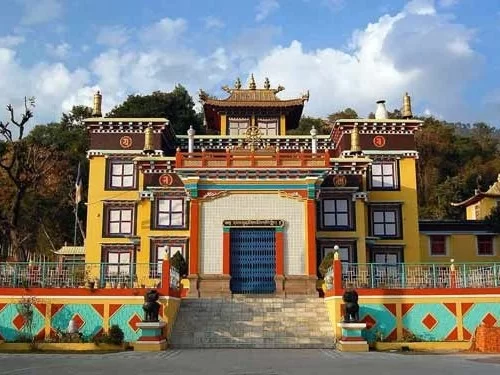
Front view of Tayul Monastery in Keylong showcasing a vibrant Tibetan-style structure with golden rooftop details, colorful facade, central blue entrance gate, and decorative boundary walls against a hillside backdrop. Monastery

Tayul Monastery

Tayul Monastery is a serene 17th-century Tibetan Buddhist monastery perched in the Lahaul Valley, offering spiritual and cultural insights.
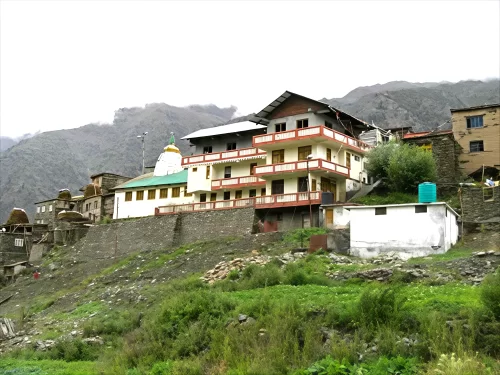
Shashur Monastery Keylong during overcast skies, featuring multi-story temple white dome green roof village homes stone wall mountains greenery, perfect spiritual experience Himachal Pradesh tour package. Monastery

Shashur Monastery

Shashur Monastery is a peaceful Buddhist monastery nestled in the heart of the Himalayas, offering spiritual serenity and stunning mountain views.

Frequently Asked Questions About Kardang Monastery

Loved this place ? Let’s Plan Your Himachal Pradesh Trip

Get customized Himachal Pradesh tour planning designed around season, road conditions, hill travel pacing, and comfort preferences. Whether you are visiting for snow experiences, mountain landscapes, temple towns, adventure activities, or relaxed valley s

⚡ Quick Response | 💰 Free consultation | 🕒 24×7 expert support

×

Plan Your Trip