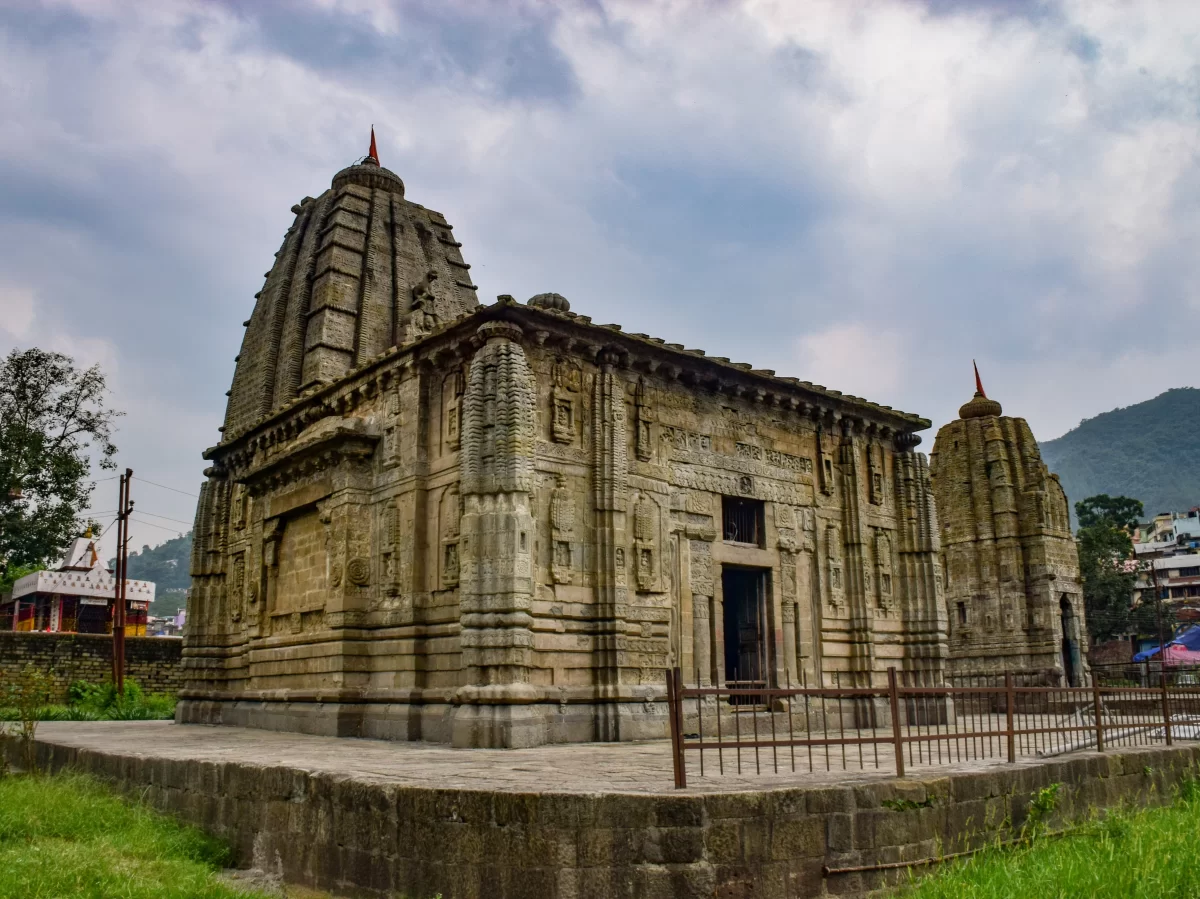
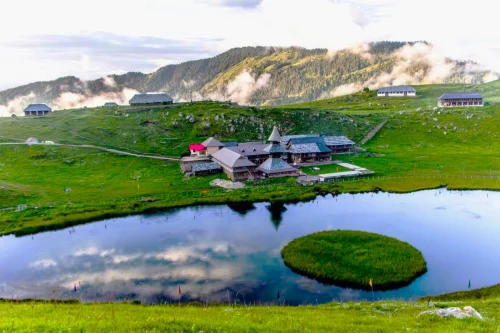
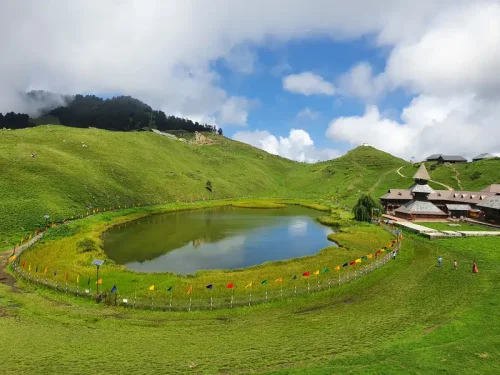
Panchavaktra Temple – Ancient Shiva Shrine in Mandi, Himachal Pradesh

Panchavaktra Temple , Mandi
Located in Mandi district, Himachal Pradesh, Panchavaktra Temple is a significant religious site for devotees of Lord Shiva. The temple is famous for its rare five-faced Shiva Linga (Panchavaktra), symbolizing the five aspects of Shiva. Set amid scenic surroundings, it attracts pilgrims and tourists alike who wish to experience spiritual reverence, Himalayan architecture, and the tranquil ambiance of the region. The temple also hosts local festivals, drawing communities together for rituals and celebrations.

Quick Facts About Panchavaktra Temple

Entry Fee Free
Timings 06:00 - 21:00
Altitude (m) 760
Ideal Visit Duration (hrs) 1
Best Time of Day Morning
Crowd Level Moderate
Distance from Mandi (km) 1
Walking Difficulty Easy
Parking Available No
Last Mile Access Road
Suitable for Kids Yes
Suitable for Seniors Yes
Wheelchair Friendly No

Why Visit Panchavaktra Temple Mandi

Visitors come to Panchavaktra Temple to offer prayers to Lord Shiva and experience one of Mandi’s most active and accessible riverside temples.

The on-ground atmosphere is calm and devotional, with regular aarti, temple bells, and steady footfall from local worshippers throughout the day.

What makes Panchavaktra Temple distinct is its five-faced Shiva lingam and its location at the confluence of the Beas and Suketi rivers, making it both a spiritual and geographic landmark in Mandi.

Context of Panchavaktra Temple Mandi

Panchavaktra Temple is dedicated to Lord Shiva and is named after its distinctive five-faced (Panchavaktra) Shiva lingam, which is worshipped as the main deity inside the sanctum.

The temple holds strong religious importance for residents of Mandi and nearby regions, especially during Mondays, Shivratri, and local festivals, when devotees gather for special prayers and rituals.

Best Time to Visit Panchavaktra Temple Mandi

Panchavaktra Temple can be visited throughout the year, but dry months with moderate temperatures offer the most comfortable conditions for temple darshan and walking around the riverfront area.
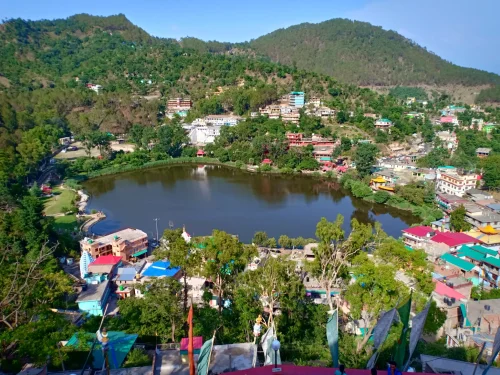
  • Ideal months:October to April
  • Weather during best season:Cool to mild temperatures with low humidity, suitable for short outdoor visits
  • Periods to avoid:July to September due to monsoon rains causing slippery pathways and higher river levels near the temple

How to Reach Panchavaktra Temple Mandi

  • Nearest airport:Bhuntar Airport (Kullu), approx. 60 km away; taxis and buses operate regularly to Mandi town
  • Nearest railway station:Joginder Nagar Railway Station (narrow gauge), approx. 55 km away; onward road travel required
  • Road access and last-mile connectivity:Located about 1 km from Mandi town centre near the Beas–Suketi river confluence; accessible by city bus, taxi, or short walk; parking space is limited near the temple

What to Expect When You Visit Panchavaktra Temple, Mandi

  • The temple sits at the confluence of the Beas and Suketi rivers, with constant river sounds and open riverbank surroundings.
  • Facilities are basic, including footwear stands, drinking water taps, and small local shops selling offerings nearby.
  • The temple complex is accessible by road and foot, with a short walk from nearby parking and town areas.
  • Visitors are mostly pilgrims, especially during mornings and festivals, leading to short queues for darshan.
  • Photography is generally allowed in outer areas but restricted inside the sanctum, and mobile phones may need to be kept outside.
  • During monsoon months, pathways can become slippery due to humidity and river moisture, requiring careful movement.

Important Visitor Information for Panchavaktra Temple, Mandi

  • Crowds are highest during morning aarti hours and on Mondays, Shivratri, and local festival days.
  • Weather remains cool in winter mornings and hot during summer afternoons due to the open riverfront setting.
  • Early mornings between 6:00 am and 8:00 am are the quietest for darshan and photography outside the sanctum.
  • Modest clothing covering shoulders and knees is expected, as the temple is an active place of worship.
  • Stone flooring can become slippery during monsoon months because of river moisture and rain runoff.
  • Belongings and mobile phones may need to be left outside the inner shrine as per temple customs.

Photography and Viewpoints at Panchavaktra Temple, Mandi

  • The best wide-angle views are from the riverbank side, capturing the temple with the Beas–Suketi confluence.
  • Morning light provides clearer views of the temple shikhara and surrounding hills before haze builds up.
  • Photography is usually permitted in the outer courtyard but restricted inside the sanctum area.
  • Festivals and early mornings bring crowds, making tripod use and uninterrupted shots difficult.
  • Bridges and ghats nearby offer elevated angles for framing the temple against flowing rivers.

Near By Attraction

Bhimakali Temple Sarahan during partly cloudy skies, featuring multi-tiered wooden tower prayer flags surrounding structures pine mountains meadows, perfect heritage experience Himachal Pradesh tour package. Temple

Bhimakali Temple

Bhimakali Temple in Mandi is a sacred shrine dedicated to Goddess Bhimakali, renowned for its spiritual and cultural significance.

Clock Tower at Mandi Himachal Pradesh during misty afternoon, featuring white pagoda tower with palms amid town buildings and hills, perfect heritage experience Himachal Pradesh tour package. Tourist Attraction

Clock Tower

The Clock Tower in Mandi is an iconic heritage structure and a central hub in the town, reflecting its historical and cultural significance.

Frequently Asked Questions About Panchavaktra Temple

The best time to visit Panchavaktra Temple is between March and June and from September to November when the weather in Mandi district of Himachal Pradesh remains pleasant. These months allow comfortable temple visits and sightseeing.
Panchavaktra Temple is located in Mandi town in Himachal Pradesh at the confluence of the Beas and Suketi rivers. It is one of the prominent Shiva temples in the region.
Panchavaktra Temple can be easily reached on foot or by local transport from the main market area of Mandi town. The temple is centrally located and well connected by road.
There is no entry fee to visit Panchavaktra Temple. Devotees can enter the temple premises freely to offer prayers.
Panchavaktra Temple is generally open from early morning until evening, with peak darshan hours during aarti times. Visiting during daylight ensures easier access and a peaceful experience.
Around 30 to 45 minutes is sufficient to explore Panchavaktra Temple and participate in darshan. Additional time may be required during special religious occasions.
Panchavaktra Temple involves minimal walking from the roadside, making it accessible for senior citizens. Visitors should still move carefully on temple steps.
Panchavaktra Temple experiences higher footfall during Maha Shivratri and other major Hindu festivals in Mandi. Weekdays usually offer a calmer atmosphere.
Photography may be allowed in the outer premises of Panchavaktra Temple, but restrictions can apply inside the main shrine. Visitors should follow temple guidelines and seek permission if needed.
Visitors to Panchavaktra Temple should dress modestly, remove footwear before entering, and respect local customs. Carrying light woolens is advisable due to changing weather in Himachal Pradesh.

Loved this place ? Let’s Plan Your Himachal Pradesh Trip

Get customized Himachal Pradesh tour planning designed around season, road conditions, hill travel pacing, and comfort preferences. Whether you are visiting for snow experiences, mountain landscapes, temple towns, adventure activities, or relaxed valley s

⚡ Quick Response | 💰 Free consultation | 🕒 24×7 expert support

×

Plan Your Trip