Quick Facts About Nako Monastery
| Entry Fee | Free |
| Timings | 08:00 - 17:00 |
| Altitude (m) | 3662 |
| Ideal Visit Duration (hrs) | 1 |
| Best Time of Day | Morning |
| Crowd Level | Moderate |
| Distance from Nako (km) | 0.2 |
| Walking Difficulty | Moderate |
| Parking Available | No |
Why Visit Nako Monastery
Why Visit: Nako Monastery is a must-visit for travelers interested in Tibetan Buddhist culture, Himalayan spirituality, and centuries-old monastic traditions. It provides a deep insight into the local religious practices and the serene lifestyle of high-altitude Buddhist communities.
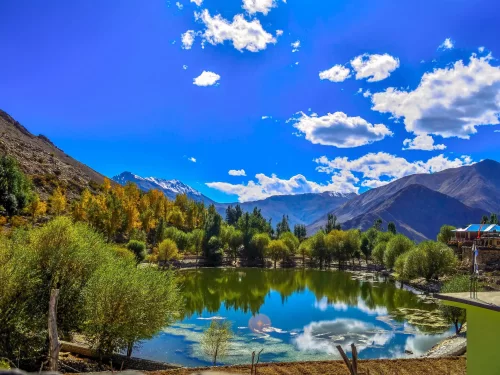
Atmosphere: The monastery exudes a peaceful and meditative atmosphere. Surrounded by mountains and overlooking Nako Lake, it offers a tranquil environment ideal for reflection, photography, and spiritual exploration.
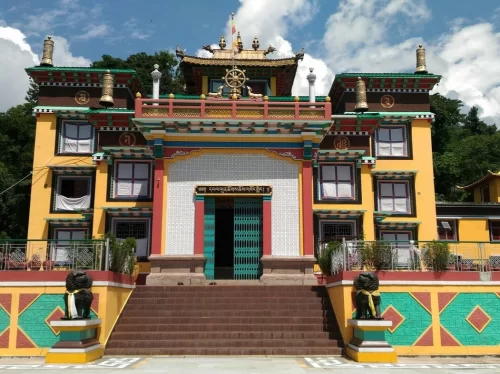
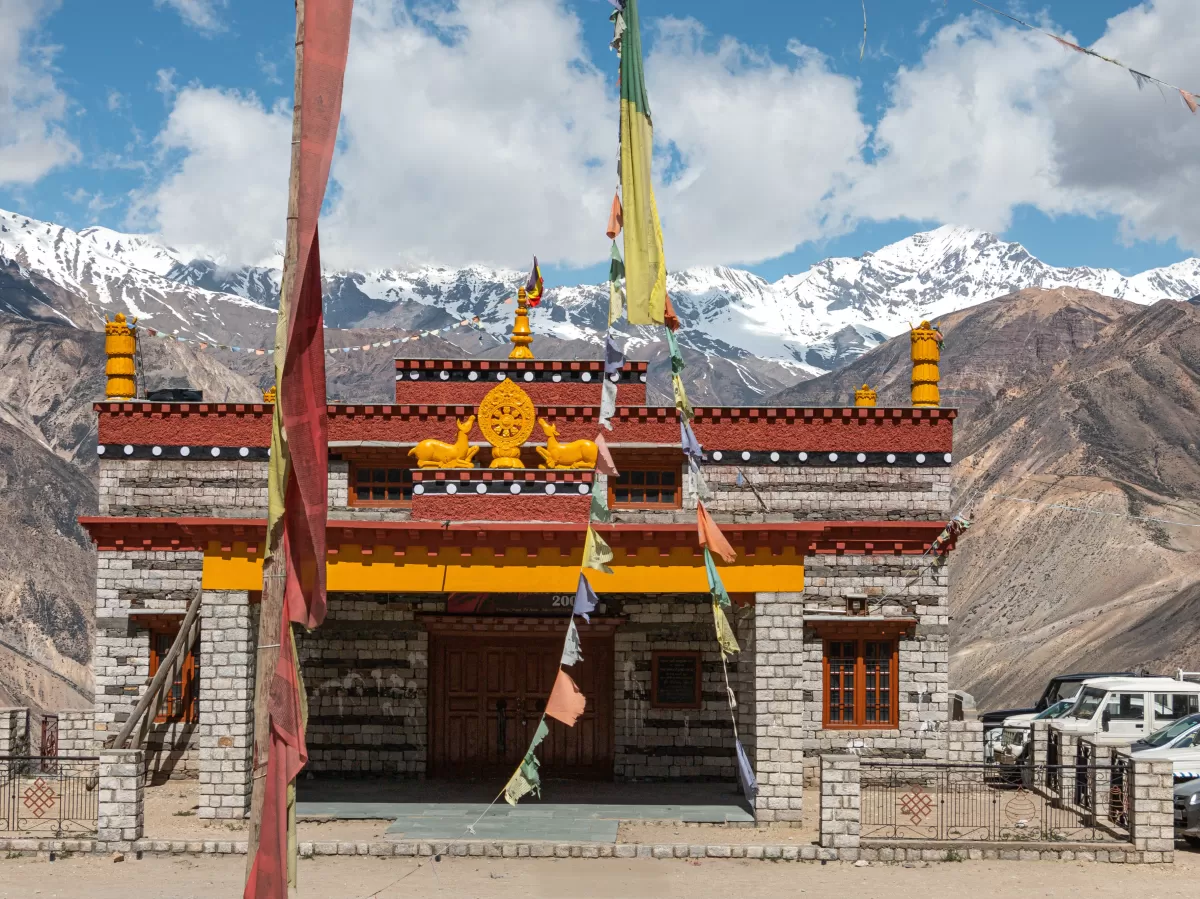
What Makes it Special: What sets Nako Monastery apart is its 11th-century heritage, intricate murals, and Tibetan-style architecture. The monastery’s elevated position provides panoramic views of the village and surrounding peaks, combining cultural richness with stunning natural beauty.
History
Nako Monastery, established in the 11th century, is one of the oldest Buddhist monasteries in Kinnaur. It has served as a spiritual center for local villagers and travelers along the Indo-Tibetan trade route for centuries.
The monastery is renowned for its ancient murals, prayer halls, and Tibetan-style architecture. It continues to function as a center for daily prayers, meditation, and religious ceremonies, preserving the spiritual traditions of the region.
Its proximity to Nako Lake adds to its serene environment, blending natural beauty with religious significance. The monastery reflects the enduring influence of Tibetan Buddhism in the high-altitude villages of Himachal Pradesh.
Best Time to Visit Nako Monastery
The ideal time to visit Nako Monastery is during the warmer months when the weather is mild and the paths are easily navigable. Winters can be harsh with snow and freezing temperatures, which may restrict access to the high-altitude village.
Spring, summer, and early autumn offer clear skies, comfortable temperatures, and excellent visibility, allowing visitors to fully appreciate the monastery’s architecture, murals, and panoramic surroundings.
- Best Season: May to October
- Spring (May to June): Pleasant temperatures, blooming landscapes, and clear views
- Summer (July to August): Mild weather with occasional rainfall, ideal for photography
- Autumn (September to October): Crisp air, clear skies, and fewer visitors
- Winter (November to April): Cold, snow-covered terrain; not recommended for casual visits
How to Reach Nako Monastery
- By Road: Nako Monastery is accessible via the Kinnaur district road from Sangla or Reckong Peo. The monastery is located within Nako village, just a short walk from the village center along a well-defined path.
- From Shimla: Shimla is approximately 230 km away. Travelers can hire taxis or take buses through Rampur, Karcham, and Sangla to reach Nako village. The road journey takes around 8–9 hours depending on conditions.
- Nearest Railway Station: The closest railway station is Shimla. From there, onward travel is by road using taxis or buses to reach Nako village.
- Nearest Airport: Shimla Airport (Jubbarhatti) is the nearest airport, about 235 km away. Visitors can hire private taxis to reach the monastery via Sangla and Nako village.
- Last Mile Access: From Nako village center, the monastery is reachable on foot via a short uphill pathway with gentle steps. Comfortable walking shoes are recommended.
What to Expect When You Visit Nako Monastery
- Peaceful and Spiritual Environment: Visitors can experience a serene and meditative atmosphere, with monks performing daily rituals and prayers. The quiet surroundings enhance reflection and mindfulness.
- Ancient Architecture and Murals: The monastery showcases traditional Tibetan-style architecture and ancient murals that depict Buddhist teachings, offering insight into the region’s religious art and heritage.
- Panoramic Views: The elevated location provides stunning views of Nako Lake, surrounding mountains, and the village below, making it ideal for photography and nature appreciation.
- Cultural Experience: Visitors may witness local devotees engaging in prayer or festival activities, providing a glimpse into traditional Buddhist practices in high-altitude Himachal Pradesh.
- Easy Accessibility: A short walk from Nako village leads to the monastery, with gentle steps suitable for most visitors, though care is advised due to altitude and uneven terrain.
Important Visitor Information
- Crowd & Weather Notes: Nako Monastery generally experiences low to moderate crowds, mostly local devotees and occasional tourists. The high-altitude region can be cold, especially in the mornings and evenings, even during summer. Snowfall in winter may restrict access.
- Peak / Quiet Hours: Peak hours coincide with morning and evening prayers when devotees gather. For a quieter visit and better photography opportunities, mid-morning to early afternoon is recommended.
- Dress Code: Modest and respectful attire is recommended. Visitors should cover shoulders and knees, and remove shoes when entering prayer halls.
- Safety Notes: The monastery is at high altitude, so visitors should move slowly, stay hydrated, and be cautious on steps and uneven paths. Supervision is recommended for children, and seniors should take care while walking.
Photography and Viewpoint
- Scenic Photography: Nako Monastery offers spectacular photography opportunities with its Tibetan-style architecture, colorful murals, and prayer halls set against the backdrop of Nako Lake and the surrounding Himalayan mountains.
- Best Time for Photography: Early morning and late afternoon provide soft, natural lighting, ideal for capturing the intricate details of the monastery and the reflections of the mountains in the nearby lake.
- Panoramic Views: The elevated position of the monastery provides panoramic views of Nako village, the lake, and the surrounding valley, allowing visitors to appreciate the natural and cultural landscape together.
- Seasonal Highlights: Spring and summer offer vibrant greenery and clear skies, while autumn provides crisp visibility and fewer crowds. Winter showcases snow-draped landscapes, though accessibility may be limited.
- Photography Etiquette: Respect the religious practices by avoiding photographing monks or devotees during prayers without permission. Focus on landscapes, architecture, and general surroundings to maintain the sanctity of the monastery.