Quick Facts About Nako Lake
| Entry Fee | Free |
| Timings | 00:00 - 23:59 |
| Altitude (m) | 3662 |
| Ideal Visit Duration (hrs) | 1 |
| Best Time of Day | Morning |
| Crowd Level | Moderate |
| Distance from Nako (km) | 0.5 |
| Walking Difficulty | Easy |
| Parking Available | Yes |
| Last Mile Access | Walk |
| Suitable for Kids | Yes |
| Suitable for Seniors | Yes |
| Wheelchair Friendly | No |
Why Visit Nako Lake
Why Visit: Nako Lake is ideal for travelers seeking natural beauty, tranquility, and a brief pause while exploring the upper Kinnaur region. Its scenic setting and cultural surroundings make it a rewarding stop on the Indo-Tibetan route.
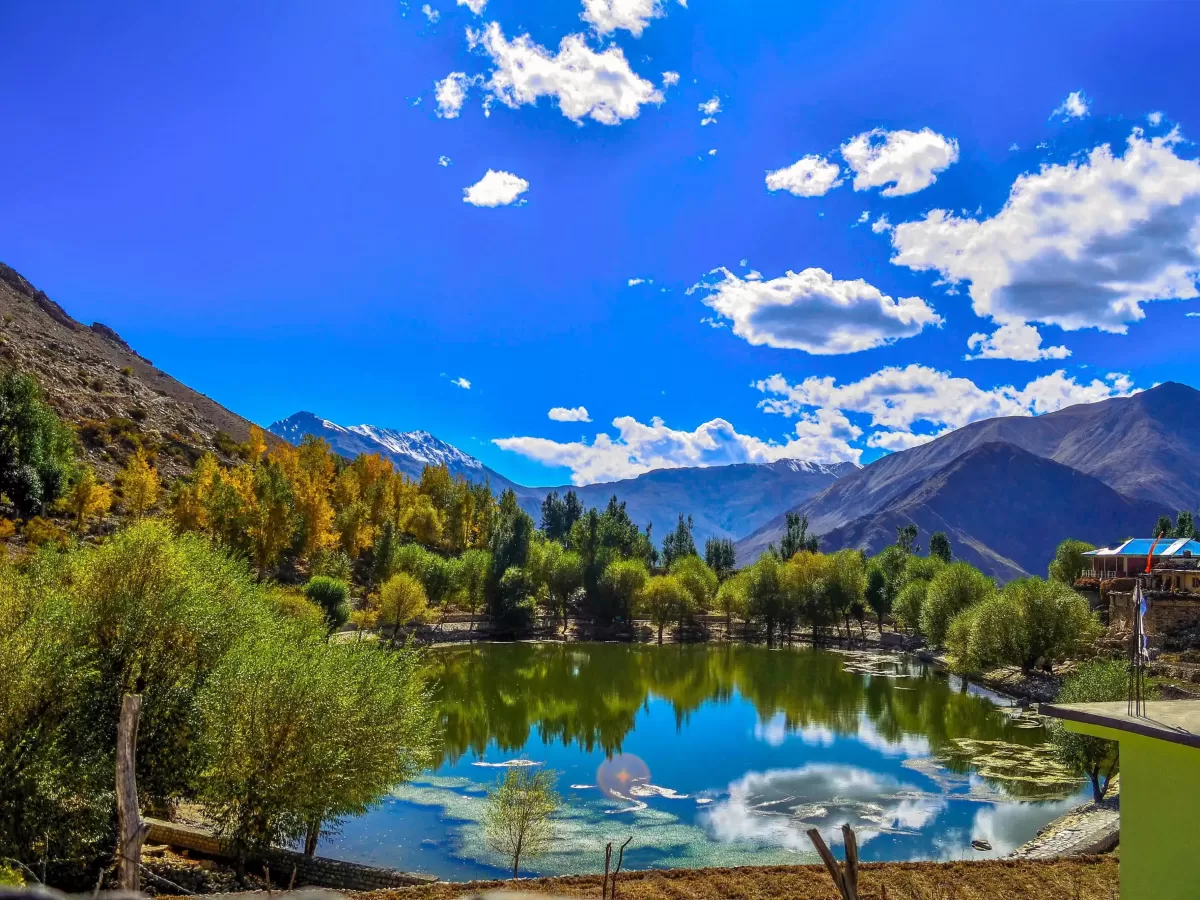
Atmosphere: The atmosphere around Nako Lake is peaceful and meditative. Surrounded by barren mountains and traditional village homes, the lake offers a quiet environment where visitors can relax, walk along the banks, and enjoy the stillness of high-altitude landscapes.
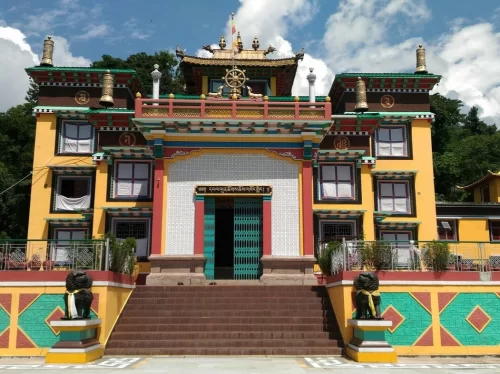
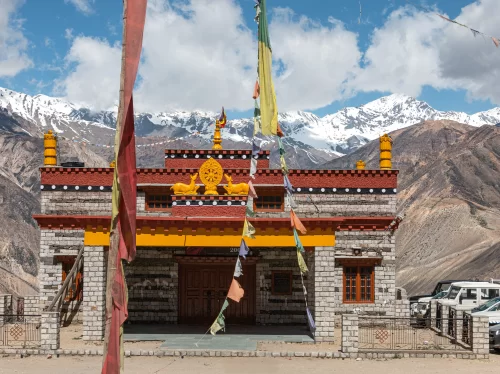
What Makes it Special: What sets Nako Lake apart is its unique combination of natural serenity and cultural presence. Located near ancient monasteries and traditional houses, the lake reflects the harmonious coexistence of nature and local life in this remote Himalayan village.
History
Nako Lake has long been an integral part of life in Nako village, serving as a vital water source for the local community in this high-altitude Himalayan region. Its presence enabled early settlement in an otherwise arid landscape, making it essential for agriculture and daily living.
The lake is closely associated with the nearby Nako Monastery, which dates back to the 11th century and is linked to the Tibetan Buddhist tradition. Local belief holds that the lake is spiritually significant, and it is treated with reverence by villagers and monks alike.
Over centuries, Nako Lake has remained largely unchanged, preserving its natural and spiritual character. Today, it continues to reflect the deep connection between the local Buddhist culture, the environment, and sustainable mountain living.
Best Time to Visit Nako Lake
The best time to visit Nako Lake is during the warmer months when the lake is fully accessible and the surrounding terrain is safe for travel. Being at a high altitude, winters are harsh with snow and freezing temperatures, making access challenging.
Spring, summer, and early autumn provide clear skies, pleasant temperatures, and the opportunity to enjoy both the lake and nearby cultural sites, such as the Nako Monastery, without weather-related disruptions.
- Best Season: May to October
- Spring (May to June): Snow melts, fresh mountain views, ideal for photography
- Summer (July to August): Mild weather and vibrant landscapes, occasional rainfall
- Autumn (September to October): Clear skies, crisp air, perfect for sightseeing and trekking
- Winter (November to April): Cold and often snowbound, travel not recommended
How to Reach Nako Lake
- By Road: Nako Lake is accessible via the Kinnaur district road from Reckong Peo and Sangla. The village of Nako lies approximately 6 km from the main highway, and the lake is a short walk from the village center.
- From Shimla: Shimla is around 230 km away. Travelers can take private taxis or buses through Rampur, Karcham, and Sangla to reach Nako village. The journey takes approximately 8–9 hours, depending on road conditions.
- Nearest Railway Station: The closest railway station is Shimla, connected by the Kalka–Shimla narrow-gauge line. From Shimla, onward travel is by road via taxi or bus.
- Nearest Airport: Shimla Airport (Jubbarhatti) is the nearest airport, about 235 km from Nako. Travelers can hire taxis to reach the village.
- Local Access: Once in Nako village, the lake is reachable on foot via short, flat village pathways, making it easily accessible for most visitors.
What to Expect When You Visit Nako Lake
- Tranquil Environment: Visitors can expect a serene and peaceful setting, with calm waters reflecting the surrounding mountains and traditional village houses. The lake offers a perfect spot for meditation, relaxation, and quiet reflection.
- Scenic Photography Opportunities: Nako Lake provides excellent photo opportunities, especially during early mornings and late afternoons when the light enhances the natural colors of the water, mountains, and village architecture.
- Short Walking Trails: The lake can be explored on foot along gentle village paths. Walking around the lake offers views of local life, small shrines, and the surrounding Himalayan landscape.
- Cultural Experience: The lake is closely associated with the nearby Nako Monastery, offering insight into the local Buddhist traditions and spiritual practices observed by the villagers.
- High-Altitude Conditions: Being over 3,600 meters above sea level, visitors may experience mild altitude effects. It is advisable to move slowly, stay hydrated, and avoid strenuous activity if unacclimatized.
Important Visitor Information
- Crowd & Weather Notes: Nako Lake generally experiences low to moderate visitor traffic. Weather in the high-altitude region can change rapidly, with chilly mornings and evenings even during summer. Snowfall in winter can make access difficult.
- Peak / Quiet Hours: Peak visiting hours are typically late morning to early afternoon. For a quieter experience, early morning or late afternoon visits are ideal, offering better lighting for photography and serene surroundings.
- Dress Code: No formal dress code exists, but warm layers, comfortable walking shoes, and modest attire are recommended. Sunglasses and sun protection are essential due to high-altitude sun exposure.
- Safety Notes: Visitors should be cautious of uneven paths and high-altitude conditions. Staying hydrated, moving at a relaxed pace, and supervising children are recommended. Avoid swimming in the lake, and respect the natural and cultural environment.
Photography and Viewpoint
- Scenic Views: Nako Lake offers breathtaking views of the surrounding Himalayan peaks and barren mountains, creating a perfect natural backdrop for photography. The calm waters reflect the mountains and sky, providing mirror-like images that are ideal for landscape shots.
- Best Time for Photography: Early morning and late afternoon are the best times for photography, offering soft light that enhances colors and reduces harsh shadows. Sunrise and sunset reflections in the lake are particularly captivating for photographers.
- Cultural Elements: The lake is surrounded by traditional village houses and small shrines, offering opportunities to capture the harmonious blend of local culture and natural beauty.
- Seasonal Highlights: Spring and summer months provide lush and vibrant surroundings, while autumn offers crisp clear skies and enhanced visibility. Winter showcases snow-covered landscapes, although access may be restricted.
- Viewpoint Experience: Walking around the lake and along the village paths offers multiple vantage points for panoramic views. Each viewpoint highlights different angles of the lake, the monastery nearby, and the surrounding high-altitude landscape.
- Photography Etiquette: Visitors should avoid photographing people engaged in prayer or private rituals without permission and respect the local cultural norms to maintain the sanctity of the area.