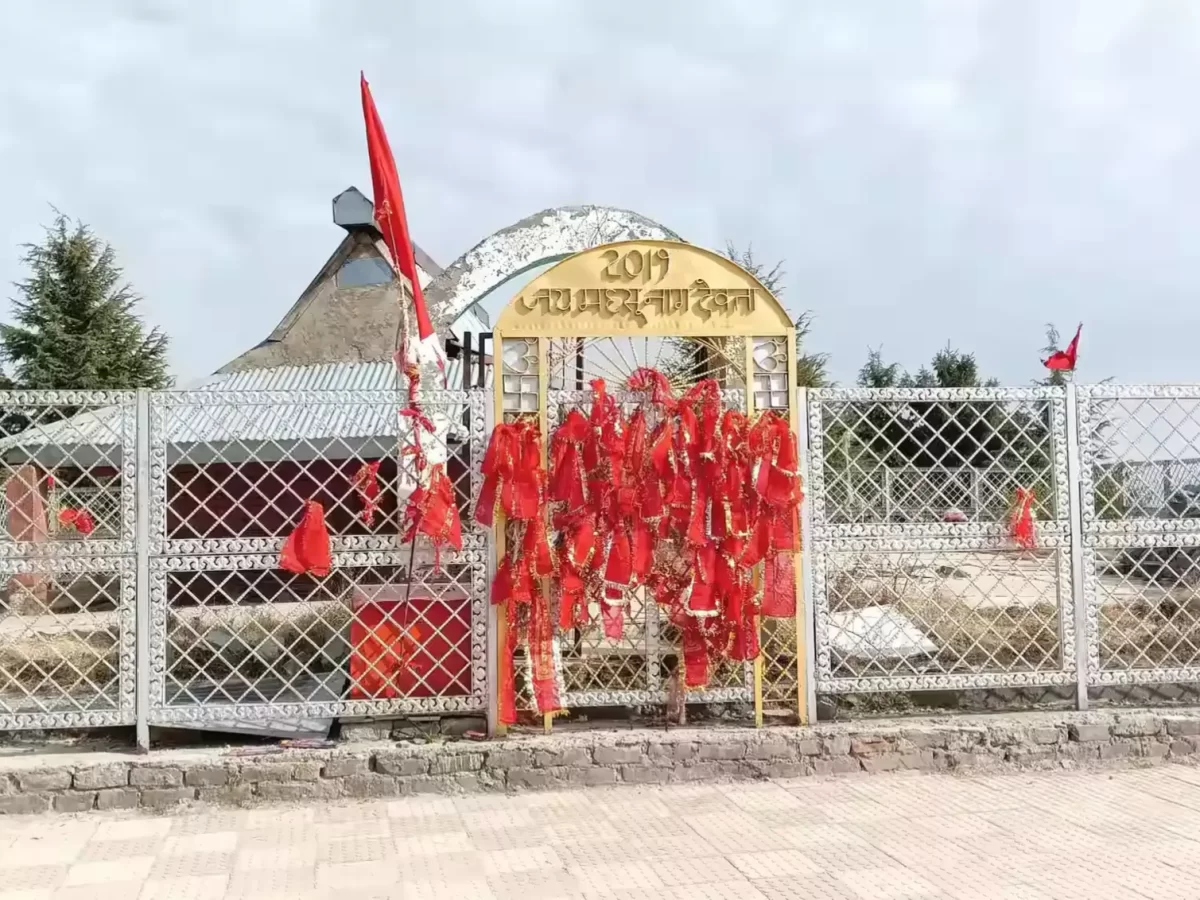
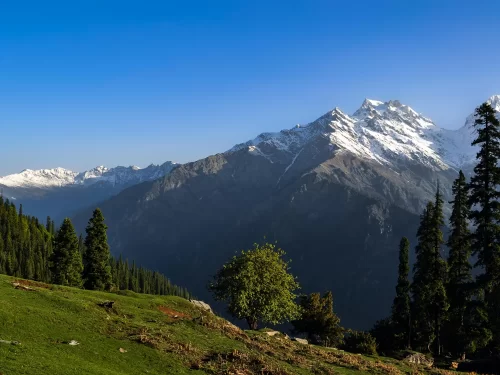
Nag Temple Shimla – A Sacred Place with Rich Spiritual Significance

Nag Temple , Kufri
Nag Temple is a significant religious site in Shimla, known for its peaceful ambiance and historical importance. The temple is dedicated to the serpent deity, Nag Devta, and is located in the vicinity of the Shimla Ridge. It attracts both devotees and tourists who seek blessings or wish to explore its cultural heritage. The temple is surrounded by lush greenery, offering a calming atmosphere perfect for meditation or quiet reflection. Its rich history, combined with its serene location, makes it a must-visit spot for spiritual seekers and nature lovers alike.

Quick Facts About Nag Temple

Entry Fee Free
Timings 06:00 - 20:00
Altitude (m) 2210
Ideal Visit Duration (hrs) 1
Best Time of Day Morning
Crowd Level Moderate
Distance from Shimla (km) 3
Walking Difficulty Easy
Parking Available Yes
Last Mile Access Walk
Suitable for Kids Yes
Suitable for Seniors Yes
Wheelchair Friendly No

Why Visit Nag Temple

Why Visit: Nag Temple, dedicated to the serpent god, holds spiritual significance for devotees and offers a peaceful retreat for those looking to connect with nature and heritage. Located amidst serene surroundings, the temple’s location is perfect for quiet reflection, making it an ideal spot for both religious pilgrims and nature lovers. The temple offers a calming escape from the hustle and bustle of Shimla, attracting visitors seeking tranquility.

Atmosphere: The atmosphere at Nag Temple is peaceful and reverent, with a sense of calm prevailing in its surroundings. The temple is situated in a lush green area with beautiful views of the surrounding hills, making it a perfect spot for meditation and quiet contemplation. The sounds of nature, combined with the simplicity of the temple, enhance the serene atmosphere.

What Makes it Special: Nag Temple stands out due to its connection to local beliefs and its unique location in Shimla. While it is a significant religious site for devotees of Nag Devta, it is also a place of cultural heritage, representing the traditional religious practices of the region. The temple’s simplicity, combined with its natural beauty, creates a unique experience for visitors, making it a must-visit spot for those interested in local traditions and spiritual solace.

History

Nag Temple is one of the oldest and most revered temples in Shimla, dedicated to the serpent deity Nag Devta. The temple is believed to have been constructed centuries ago, and it has become an important religious site for devotees seeking blessings from the serpent god. The temple is particularly famous during the annual festivals when devotees gather to offer prayers and seek protection from serpent-related ailments.

The temple holds significance not just as a religious spot but also as a symbol of the ancient traditions and beliefs of the local people of Shimla. Over the years, it has become a prominent landmark, attracting both religious tourists and visitors interested in experiencing the tranquility of the surrounding area.

Best Time to Visit

The best time to visit Nag Temple depends on the kind of experience you are looking for. Here’s a breakdown of the seasons:
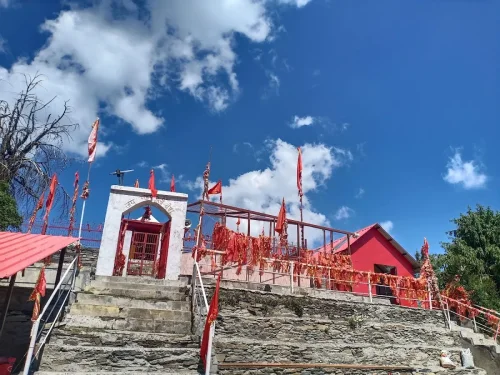
  • Summer (March to June): The summer months offer pleasant weather with moderate temperatures, making it a great time for outdoor visits and temple exploration. Early mornings or late afternoons are ideal to avoid the heat of midday.
  • Monsoon (July to September): While the monsoon season brings lush greenery, it can also make the area slippery and less accessible. It’s a quiet time to visit, but caution is advised due to rain and wet paths.
  • Autumn (October to November): This is an excellent time to visit Nag Temple, as the weather is cool and comfortable. The temple grounds are not crowded, allowing for a peaceful and reflective experience amidst clear skies.
  • Winter (December to February): Winter brings a serene atmosphere with the possibility of snow. If you enjoy the winter charm, this is the perfect time to visit Nag Temple, but be prepared for colder temperatures and slippery paths.

How to Reach

  • By Road: Nag Temple is located approximately 3 km from Shimla City Centre. Visitors can easily reach the temple by hiring a taxi, taking a local bus, or even walking. The road to the temple is well-maintained and provides beautiful views of Shimla’s hills.
  • By Train: The nearest railway station is Shimla Railway Station, located around 3 km from Nag Temple. From the station, you can hire a taxi or take a local bus to the temple.
  • By Air: The nearest airport is Jubbarhatti Airport, which is approximately 23 km from Shimla. Taxis and private vehicles are available from the airport to take visitors to Nag Temple.

What to Expect When You Visit

  • Spiritual Peace: Visitors can expect a serene and peaceful atmosphere at Nag Temple, perfect for meditation, prayer, or reflection. The temple’s calm setting offers a quiet escape from the busy town of Shimla.
  • Historical Significance: The temple holds historical importance as a religious site, dedicated to Nag Devta, the serpent god. You can expect to learn about its significance in local traditions and beliefs, making it a place of cultural interest.
  • Scenic Views: The temple is surrounded by lush greenery and offers beautiful views of the surrounding hills and valleys. It’s a great spot for photography and nature lovers who wish to capture the natural beauty of Shimla.
  • Tranquil Atmosphere: Nag Temple offers a tranquil environment, where you can enjoy a moment of solitude and connect with nature and spirituality. It’s a perfect spot for visitors seeking a quiet, reflective experience.
  • Religious Experience: Visitors can participate in rituals, offer prayers, and seek blessings from the deity. The temple is especially popular during local religious festivals, where the temple grounds come alive with devotion.

Important Visitor Information

  • Crowd & Weather Notes: The temple remains relatively peaceful throughout the year, with a low to moderate crowd level. During religious festivals or special occasions, it can get busier. The weather in Shimla is generally cool, with pleasant summers, cold winters, and moderate monsoons. Avoid visiting during heavy rains as paths may become slippery.
  • Peak / Quiet Hours: Early mornings (6:00 AM to 8:00 AM) are the best time to visit for a quiet and serene experience. Late afternoons (3:00 PM to 5:00 PM) are also a peaceful time to visit. Weekdays tend to be quieter, while weekends and holidays attract more visitors.
  • Dress Code: While there is no strict dress code, visitors should dress modestly, especially when entering the temple. Comfortable shoes are recommended as there is a short walk to the temple from the main road. In winter, be sure to wear warm clothing as temperatures can drop significantly.
  • Safety Notes: The temple is located in a tranquil area, but be cautious while walking on the uneven paths, especially during rainy or winter months. Ensure you are wearing appropriate footwear to avoid slipping. Be aware of the local wildlife and avoid any interaction with stray animals around the temple.

Photography and Viewpoint

  • Stunning Views: Nag Temple offers scenic views of Shimla’s surrounding hills and valleys. The natural beauty surrounding the temple provides a perfect backdrop for landscape and nature photography. The area is especially picturesque during sunrise and sunset when the light casts a warm glow over the valley.
  • Photography Spots: The best photography spots are near the temple’s entrance and at the temple grounds, where you can capture the serene environment, the temple structure, and the greenery surrounding it. The combination of spiritual architecture and natural landscapes makes for stunning photos.
  • Wildlife Photography: The temple area, surrounded by dense greenery, is home to various birds and small animals. Those interested in wildlife photography can capture moments of local fauna, especially in the early morning when wildlife is most active.
  • Seasonal Photography: The views at Nag Temple change with the seasons. In the summer, the lush greenery of the forested hills offers vibrant photo opportunities, while in winter, the snow-capped mountains and the temple’s quiet surroundings provide a beautiful winter wonderland. Autumn and spring also provide beautiful, changing foliage and colorful landscapes perfect for photography.
  • Photography Tips: For the best results, try to visit early in the morning or during late afternoon hours to capture the temple in the soft light. Due to the temple's peaceful surroundings, be mindful of others who may be there for reflection or prayer. Also, be cautious when taking photos on the uneven paths leading up to the temple.

Near By Attraction

Green Valley in Kufri featuring lush green slopes, tall pine trees, and snow-capped Himalayan peaks under a clear blue sky. Viewpoint

Green Valley

Green Valley, located on the Shimla-Kufri Highway, is a beautiful natural spot famous for its lush greenery and stunning mountain views.

Entrance gate of Kufri Fun World featuring a colorful yellow and green structure with bold signage, ticket counters in front, and clear blue sky in the background. Adventure Park

Kufri Fun World

Kufri Fun World, nestled in the scenic town of Kufri, is a popular amusement park offering a blend of adventure, nature, and fun-filled activities.

Mahasu Peak in Kufri featuring a small hilltop building with green roof, winding mountain road, grassy slopes with patches of snow, and panoramic snow-capped Himalayan ranges under a clear blue sky. Viewpoint

Mahasu Peak

Mahasu Peak is a breathtaking viewpoint in Shimla, offering panoramic views of the surrounding mountains and valleys.

Frequently Asked Questions About Nag Temple

The best time to visit Nag Temple is between March and June and from September to November when the weather in Himachal Pradesh remains pleasant. These months allow comfortable travel and temple visits.
Nag Temple is located in a traditional village setting in Himachal Pradesh and is usually dedicated to the local serpent deity. It is often surrounded by scenic hills and rural landscapes.
Nag Temple can be reached by road from the nearest town followed by a short walk within the village area. Visitors usually travel by private vehicle or local taxi depending on connectivity.
There is no entry fee to visit Nag Temple. Devotees can enter the temple premises freely while respecting local customs.
Nag Temple is generally open from morning until evening, with specific timings for daily prayers and rituals. Visiting during daylight hours ensures easier access.
Around 30 to 60 minutes is sufficient to explore Nag Temple and participate in darshan. Additional time may be required during special religious events.
Nag Temple usually involves minimal walking from the roadside, making it manageable for senior citizens. Visitors should move carefully on temple steps and uneven pathways.
Nag Temple experiences higher footfall during local fairs and traditional festivals dedicated to the deity. Visiting on regular weekdays usually offers a quieter experience.
Photography may be restricted inside the main shrine of Nag Temple. Visitors should follow temple guidelines and seek permission before taking pictures.
Visitors to Nag Temple should dress modestly, remove footwear before entering, and respect local traditions. Carrying light woolens is advisable due to changing weather conditions in Himachal Pradesh.

Loved this place ? Let’s Plan Your Himachal Pradesh Trip

Get customized Himachal Pradesh tour planning designed around season, road conditions, hill travel pacing, and comfort preferences. Whether you are visiting for snow experiences, mountain landscapes, temple towns, adventure activities, or relaxed valley s

⚡ Quick Response | 💰 Free consultation | 🕒 24×7 expert support

×

Plan Your Trip