Manu Temple, Manali – Complete Travel Guide, History & Location

Manu Temple , Manali
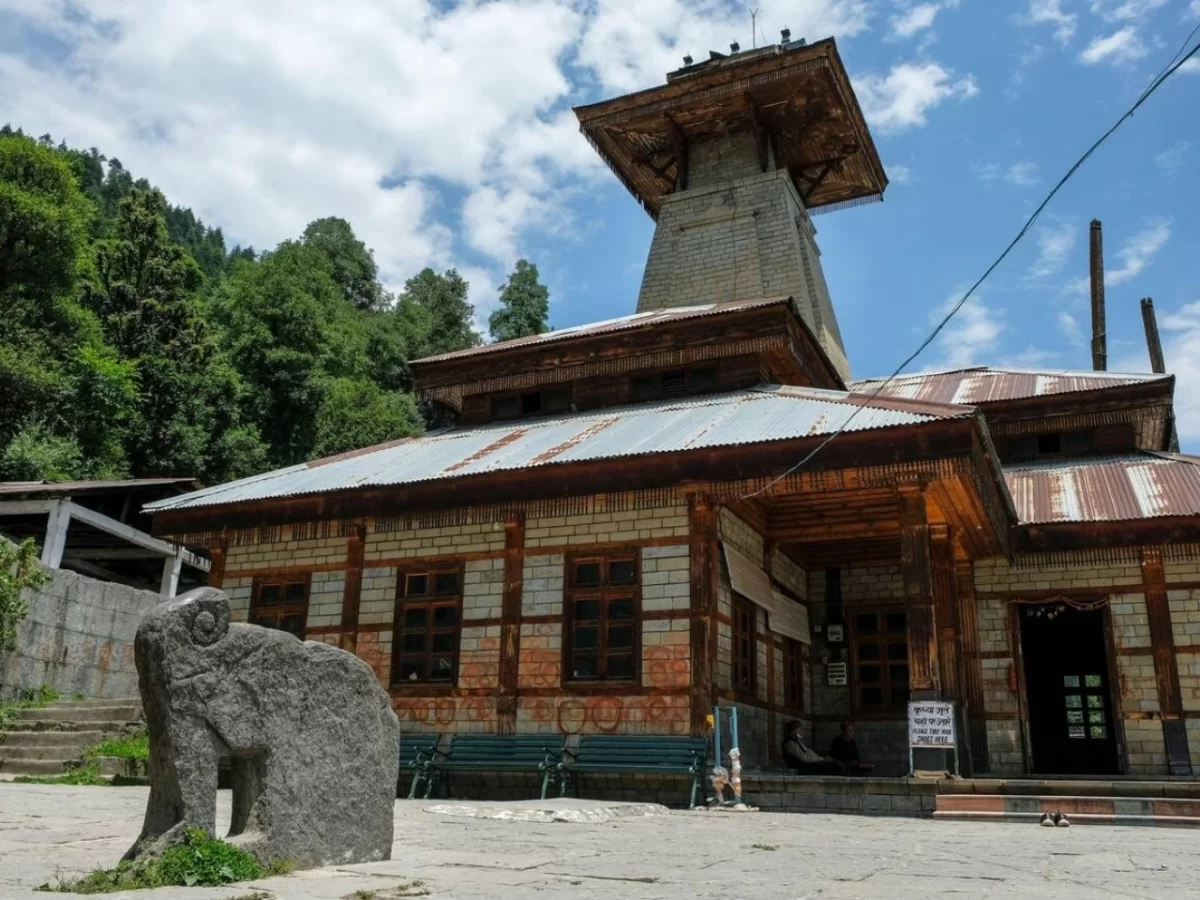
Manu Temple is one of the most important spiritual landmarks in Manali, located in the serene Old Manali area along the banks of the Beas River. Dedicated to Sage Manu, the temple holds great mythological significance as it is believed that Sage Manu meditated here after the great flood. The temple features traditional wooden Himachali architecture and is surrounded by scenic mountains, dense greenery, and a peaceful village atmosphere. A short uphill walk through Old Manali leads to the temple, making the visit both spiritually enriching and visually rewarding.

Quick Facts About Manu Temple

Entry Fee Free
Timings 06:00 - 18:00
Altitude (m) 2050
Ideal Visit Duration (hrs) 1
Best Time of Day Morning
Crowd Level Moderate
Distance from Manali Mall Road (km) 3
Walking Difficulty Moderate
Parking Available Yes
Last Mile Access Walk
Suitable for Kids Yes
Suitable for Seniors No
Wheelchair Friendly No
Why Visit Manu Temple

Manu Temple is an ideal place to visit for travelers seeking spiritual depth and quiet surroundings in Manali. Located away from the busy tourist areas, the temple offers a calm and meditative atmosphere, enhanced by the sound of the nearby Beas River and the scenic beauty of Old Manali. The peaceful environment makes it suitable for prayer, reflection, and slow exploration.

What makes Manu Temple truly special is its strong mythological importance and exclusivity. It is believed to be the only temple in India dedicated to Sage Manu, the creator of mankind according to Hindu tradition. The temple’s traditional wooden architecture, combined with its hillside location and village setting, provides an authentic cultural experience that connects visitors with ancient beliefs and Himalayan heritage.

History of Manu Temple

Manu Temple in Old Manali is dedicated to Sage Manu, who is considered the progenitor of human civilization according to Hindu mythology. Local legends say that Sage Manu meditated at this site after the great deluge described in ancient texts, making it a sacred spot for devotees. The temple was built centuries ago and has been maintained over time as a place of worship and spiritual significance in the Kullu Valley.

The temple is renowned for its traditional wooden Himachali architecture, with carved doors, sloping roofs, and a simple sanctum. Unlike many other temples, it retains a serene and modest setting that reflects the early Himalayan architectural style and local traditions of devotion. Over time, it has become not only a religious site but also a symbol of Old Manali’s cultural and spiritual heritage.

Best Time to Visit Manu Temple

The best time to visit Manu Temple is during the spring and autumn months (March to June and September to October) when the weather in Manali is pleasant, the skies are clear, and the surrounding landscapes are vibrant and green. These months provide ideal conditions for a peaceful visit, comfortable walking along the uphill path, and photography.

Winters (November to February) offer a unique experience with snow-covered surroundings, but cold temperatures and icy paths may make the uphill walk challenging. Monsoon season (July to August) brings heavy rainfall, which can make the path slippery, so travelers are advised to take extra care if visiting during this time.
  • March to June: Comfortable weather, lush greenery, perfect for devotees and tourists
  • July to August: Monsoon season; surroundings are vibrant but paths can be slippery
  • September to October: Clear skies, fewer tourists, ideal for photography and quiet visits
  • November to February: Cold and snowy; offers picturesque winter views but requires warm clothing and caution on the paths

How to Reach Manu Temple

  • By Air: The nearest airport is Kullu–Manali Airport (Bhuntar), approximately 50 km from Manali. From the airport, taxis and private cabs are available to reach Old Manali, followed by a short uphill walk to the temple.
  • By Train: The nearest broad-gauge railway station is Chandigarh Railway Station, around 310 km from Manali. From Chandigarh, travelers can take buses or hire taxis to reach Manali, then proceed to Old Manali for the temple.
  • By Road: Manali is well connected to major cities like Delhi (540 km), Chandigarh (310 km), and Shimla (250 km) by road. HRTC and private buses regularly operate on these routes. From Mall Road, Old Manali is about 3 km, accessible by taxi, scooter, or a short walk.
  • Last Mile Access: Vehicles can reach near Old Manali parking, but a 400–500 meter uphill walk through narrow village lanes leads to the temple entrance. Comfortable shoes are recommended.

What to Expect When You Visit Manu Temple

  • Peaceful and Serene Environment: The temple is located in a quiet area of Old Manali, surrounded by apple orchards, pine trees, and scenic mountains, providing a calming atmosphere for spiritual reflection.
  • Short Uphill Walk: Visitors should expect a moderately steep but scenic uphill walk of 400–500 meters through narrow village lanes to reach the temple, offering beautiful views of the surrounding landscape.
  • Traditional Architecture: The temple features classic wooden Himachali architecture, with carved doors, sloping roofs, and a simple sanctum, providing a glimpse into the region’s architectural heritage.
  • Religious Significance: As the only temple dedicated to Sage Manu, it attracts devotees seeking blessings and spiritual experiences in a serene setting.
  • Photography Opportunities: The forested surroundings, mountain views, and traditional architecture offer excellent spots for photography, especially in the morning light.
  • Moderate Crowds: The temple is less crowded compared to central Manali attractions, offering a peaceful visit, though weekends and festival days see more visitors.

Important Visitor Information for Manu Temple

  • Crowd & Weather Notes: Manu Temple generally experiences low to moderate crowds. Peak tourist season (April–June and October) may have more visitors. Weather is pleasant in spring and autumn, while winters are cold and snowy, and monsoon months can make paths slippery.
  • Peak / Quiet Hours: The temple is quietest in the early morning from 6:00 AM to 9:00 AM. Peak hours are between 11:00 AM and 3:00 PM, especially on weekends and during festivals.
  • Dress Code: Modest clothing is recommended as it is a religious site. Comfortable walking shoes are advised due to the uphill path.
  • Safety Notes: The uphill walk involves narrow lanes and steps, so caution is required, especially in rainy or snowy conditions. Keep personal belongings secure and supervise children during the walk.

Photography and Viewpoint at Manu Temple

  • Scenic Village and Mountain Views: The uphill walk to Manu Temple passes through charming Old Manali lanes and apple orchards, providing plenty of opportunities for capturing scenic Himalayan landscapes and village life.
  • Temple Architecture Shots: The traditional wooden Himachali architecture, carved doors, and sloping roofs make for unique architectural photography. Wide-angle shots from a distance capture the temple set against the mountain backdrop.
  • Best Time for Photos: Early morning (6:00 AM – 9:00 AM) is ideal for soft, natural light and minimal crowds, allowing clear and unobstructed photographs.
  • Seasonal Photography: Spring and autumn offer lush greenery and vibrant foliage, while winter provides a snow-covered landscape for dramatic and picturesque shots.
  • Restricted Areas: Photography is permitted around the temple and its surroundings. However, taking photos inside the sanctum is not allowed to respect religious customs.
  • Viewpoints: Nearby clearings and elevated paths offer excellent vantage points for panoramic views of the Beas River, surrounding mountains, and Old Manali village.

Near By Attraction

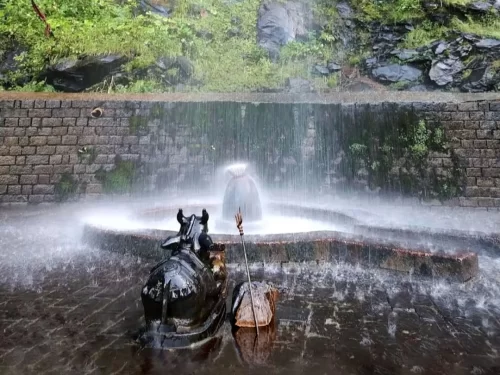
Shri Anjani Mahadev Mandir in Manali, Himachal Pradesh, featuring a natural Shiva lingam beneath cascading waterfall water with a Nandi statue in the foreground, a revered spiritual site included in Himachal Pradesh tour packages. Temple

Shri Anjani Mahadev Mandir

Shri Anjani Mahadev Mandir is a revered ancient Shiva temple near Manali, known for its naturally forming ice Shivling and stunning mountain surroundings.
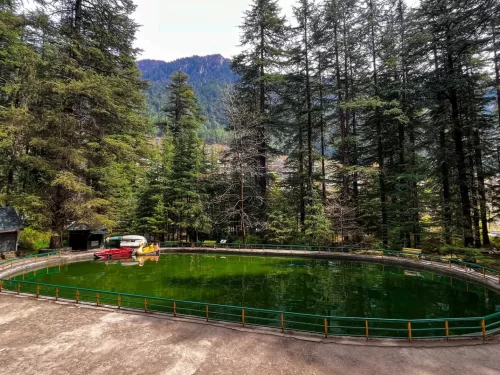
Boating at Van Vihar lake Manali during clear day, featuring green pool deodar trees and mountain backdrop, perfect romantic experience Himachal Pradesh tour package. Wildlife Sanctuary

Van Vihar National Park

Van Vihar National Park is a serene green park in Manali, famous for tall deodar trees, scenic walking trails, and riverside views.

Vibrant colonial buildings on Mall Road Shimla during dawn, featuring shops, clock tower, deodar trees, perfect shopping stroll, Himachal Pradesh tour packages. Market / Bazaar

Manali Mall Road

Mall Road Manali is the most vibrant and popular street in Manali, known for shopping, cafes, local culture, and stunning mountain vibes.

Frequently Asked Questions About Manu Temple

Manu Temple is located in Old Manali in Himachal Pradesh on a hillside above the main town. The temple is reached through narrow lanes and a short uphill walk.
Manu Temple can be reached within 15 to 20 minutes by taxi or auto from Manali bus stand followed by a brief walk through Old Manali. Many visitors also walk from Mall Road if staying nearby.
The best time to visit Manu Temple is between March and June and from September to November when the weather in Manali remains comfortable. Morning visits offer clearer views and a quieter atmosphere.
Manu Temple is included in Manali itineraries because of its hilltop setting and peaceful surroundings. Travelers often combine it with a walk through Old Manali cafes and local markets.
Manu Temple is suitable for family visits if members are comfortable with a short uphill walk. The temple complex itself is compact and easy to explore.
There are many guest houses and boutique hotels near Manu Temple in Old Manali ranging from budget stays to mid range properties. Staying in Old Manali allows easy access to the temple on foot.
Manu Temple provides basic facilities including a small prayer hall and open courtyard area. Restrooms and food outlets are available in the nearby Old Manali market area rather than inside the temple.
Most travelers spend 30 to 45 minutes at Manu Temple enjoying the views and offering prayers. It is usually a short stop within a half day exploration of Manali.
Manu Temple can become moderately crowded during summer months and long weekends in Manali. Visiting early in the morning helps avoid peak visitor hours.
Travelers visiting Manu Temple should wear modest clothing and comfortable footwear for the uphill approach. Checking weather conditions is advisable as paths can become slippery during rain or snow.

Loved this place ? Let’s Plan Your Himachal Pradesh Trip

Get customized Himachal Pradesh tour planning designed around season, road conditions, hill travel pacing, and comfort preferences. Whether you are visiting for snow experiences, mountain landscapes, temple towns, adventure activities, or relaxed valley s

⚡ Quick Response | 💰 Free consultation | 🕒 24×7 expert support

×

Plan Your Trip