Quick Facts About Key Monastery
| Entry Fee | Free |
| Timings | 06:00 - 18:00 |
| Altitude (m) | 4166 |
| Ideal Visit Duration (hrs) | 1 |
| Best Time of Day | Morning |
| Crowd Level | Moderate |
| Distance from Kaza (km) | 12 |
| Walking Difficulty | Moderate |
| Parking Available | Yes |
| Last Mile Access | Road |
| Suitable for Kids | Yes |
| Suitable for Seniors | Yes |
| Wheelchair Friendly | No |
Why Visit Key Monastery
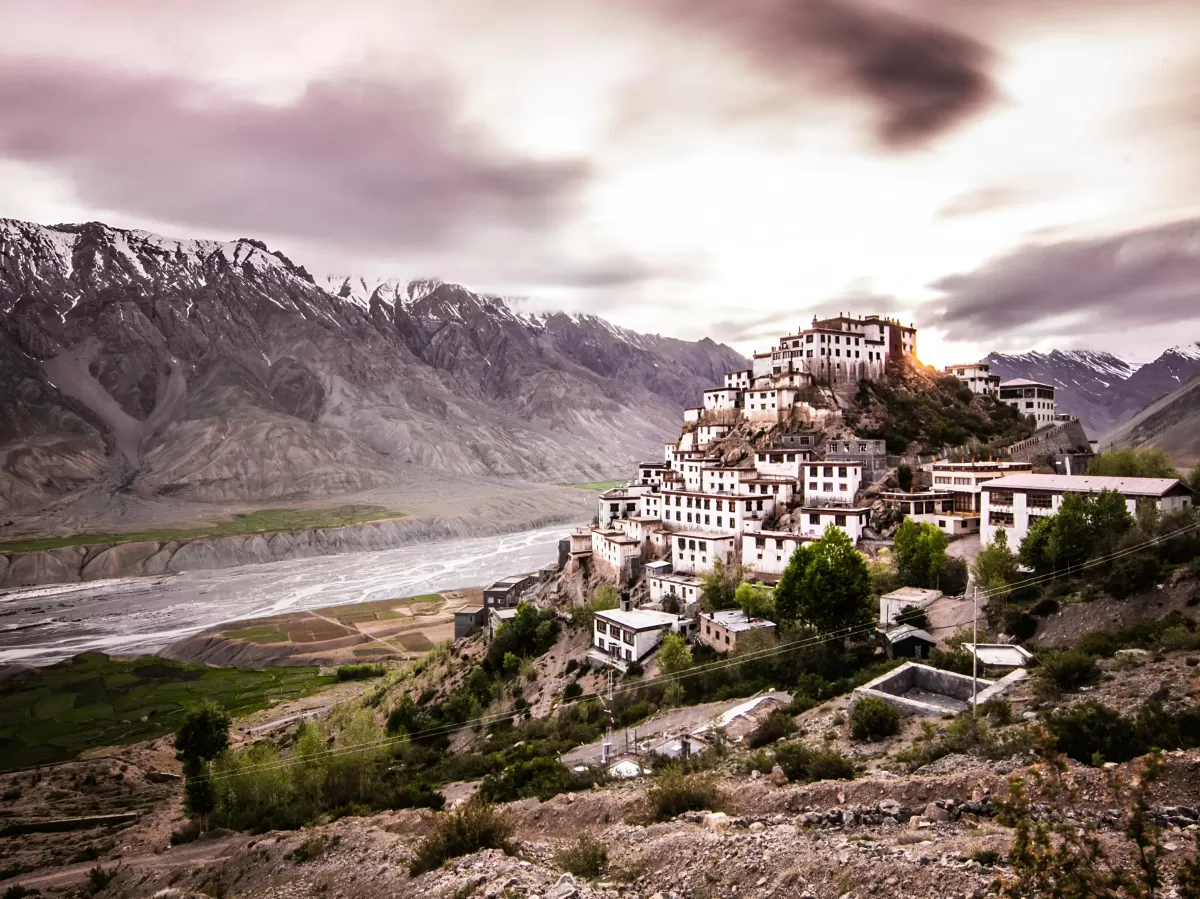
Key Monastery is the spiritual heart of Spiti Valley and the largest functioning Buddhist monastery in the region. Perched dramatically on a hilltop at over 4,100 meters, it offers visitors a rare opportunity to witness centuries-old monastic traditions, explore sacred prayer halls, and admire ancient murals and thangka paintings. The monastery also provides sweeping panoramic views of the Spiti River valley and surrounding Himalayan peaks, making it both a cultural and scenic highlight of any Spiti journey.
Atmosphere
The atmosphere at Key Monastery is calm, spiritual, and deeply immersive. Soft chants, fluttering prayer flags, and the gentle hum of monk life create a peaceful environment ideal for reflection and quiet exploration. Despite its popularity, the monastery retains an authentic Himalayan monastic character, offering visitors moments of solitude and spiritual connection amid breathtaking high-altitude landscapes.
What Makes It Special
What makes Key Monastery truly special is its 1,000-year-old legacy as a major center of Tibetan Buddhist learning and its fortress-like architecture adapted to the rugged Himalayan terrain. It houses rare ancient scriptures, ritual objects, and sacred artwork while continuing to function as a living monastery for young monks. Its dramatic hilltop setting and cultural importance make it the most iconic landmark in Spiti Valley.
History
Key Monastery was founded over 1,000 years ago and has served as the principal center of Tibetan Buddhist learning in Spiti Valley for centuries. Throughout its history, the monastery faced repeated invasions, fires, and natural disasters, leading to several reconstructions that shaped its present fortress-like appearance. Today, it belongs to the Gelugpa (Yellow Hat) sect of Tibetan Buddhism and continues to function as an active monastic training center, preserving ancient scriptures, sacred murals, and centuries-old rituals that remain central to religious life in the region.
Best Time to Visit
The best time to visit Key Monastery is from May to October, when Spiti Valley roads are open and weather conditions are suitable for sightseeing. During these months, the skies remain clear, temperatures are comfortable for high-altitude travel, and visitors can fully experience monastic life, scenic landscapes, and panoramic views from the monastery complex.
- May–June: Pleasant temperatures, snow still visible on surrounding peaks, ideal for photography and exploration.
- July–August: Stable road access, active monastery life, and comfortable daytime weather.
- September–October: Crisp air, golden mountain tones, fewer crowds, and excellent visibility.
- November–April: Heavy snowfall restricts access; travel generally not recommended during this period.
How to Reach
- By Road from Kaza: Key Monastery is located about 12 km from Kaza and can be reached easily by taxi, bike, or private vehicle via an all-weather mountain road.
- By Road from Manali: Travel via Manali – Rohtang Pass – Kunzum Pass – Losar – Kaza, then continue toward Key village. This scenic route is open from June to October, depending on snowfall.
- By Road from Shimla: Drive via Shimla – Rampur – Reckong Peo – Nako – Tabo – Kaza, followed by a short uphill drive to the monastery.
- Nearest Airport: Bhuntar Airport (Kullu), approximately 245 km away, followed by a long mountain drive via Manali or Shimla route.
- Nearest Railway Station: Kalka Railway Station is the nearest broad-gauge railhead, followed by road travel to Shimla and onward to Spiti Valley.
- Last Mile Access: Vehicles can reach directly up to the monastery parking area, with a short walk to the main entrance.
What to Expect When You Visit
- Peaceful exploration of prayer halls adorned with ancient murals, statues, and sacred Buddhist relics.
- Panoramic hilltop views of the Spiti River valley and surrounding Himalayan ranges.
- Opportunity to observe young monks studying, chanting, and practicing daily monastic routines.
- Cool high-altitude weather year-round, making layered clothing essential even in summer.
- Quiet spiritual atmosphere ideal for reflection, meditation, and cultural appreciation.
- Limited commercial facilities nearby, so visitors should carry water and basic essentials.
Important Visitor Information
- Crowd & Weather Notes: Key Monastery experiences moderate crowds during June–September, especially mid-day. Weather can shift quickly with strong sun, cold winds, and sudden temperature drops.
- Peak / Quiet Hours: Late morning to early afternoon is the busiest period, while early mornings and late afternoons offer a quieter, more peaceful experience.
- Dress Code: Modest clothing covering shoulders and knees is recommended inside prayer halls. Warm layers, windproof jackets, and sturdy shoes are essential due to altitude and terrain.
- Safety Notes: Walk carefully on steep stone steps and uneven surfaces. Visitors should acclimatize in Kaza before visiting and stay hydrated to avoid altitude sickness.
Photography and Viewpoint
- Capture stunning wide-angle views of Key Monastery rising dramatically above the Spiti River valley with Himalayan peaks in the backdrop.
- Early morning and late afternoon provide soft golden light, ideal for highlighting the monastery’s textures, prayer flags, and mountain contours.
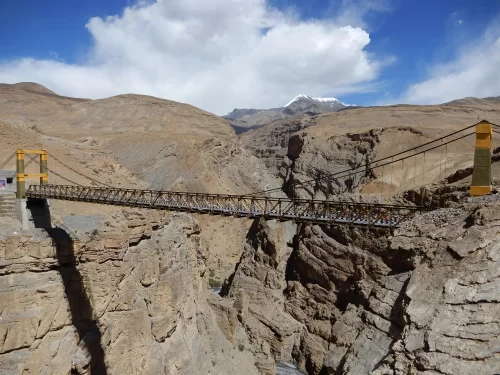
- Clear days offer sweeping panoramic vistas of barren Spiti landscapes, winding roads, and distant snow-covered ranges.
- Natural viewpoints around the monastery complex are perfect for landscape, architectural, and cultural photography.
- Interior photography is usually restricted inside prayer halls, so visitors should respect signage and monk guidance.
- Strong mountain winds are common, so secure cameras and use straps while shooting at exposed viewpoints.