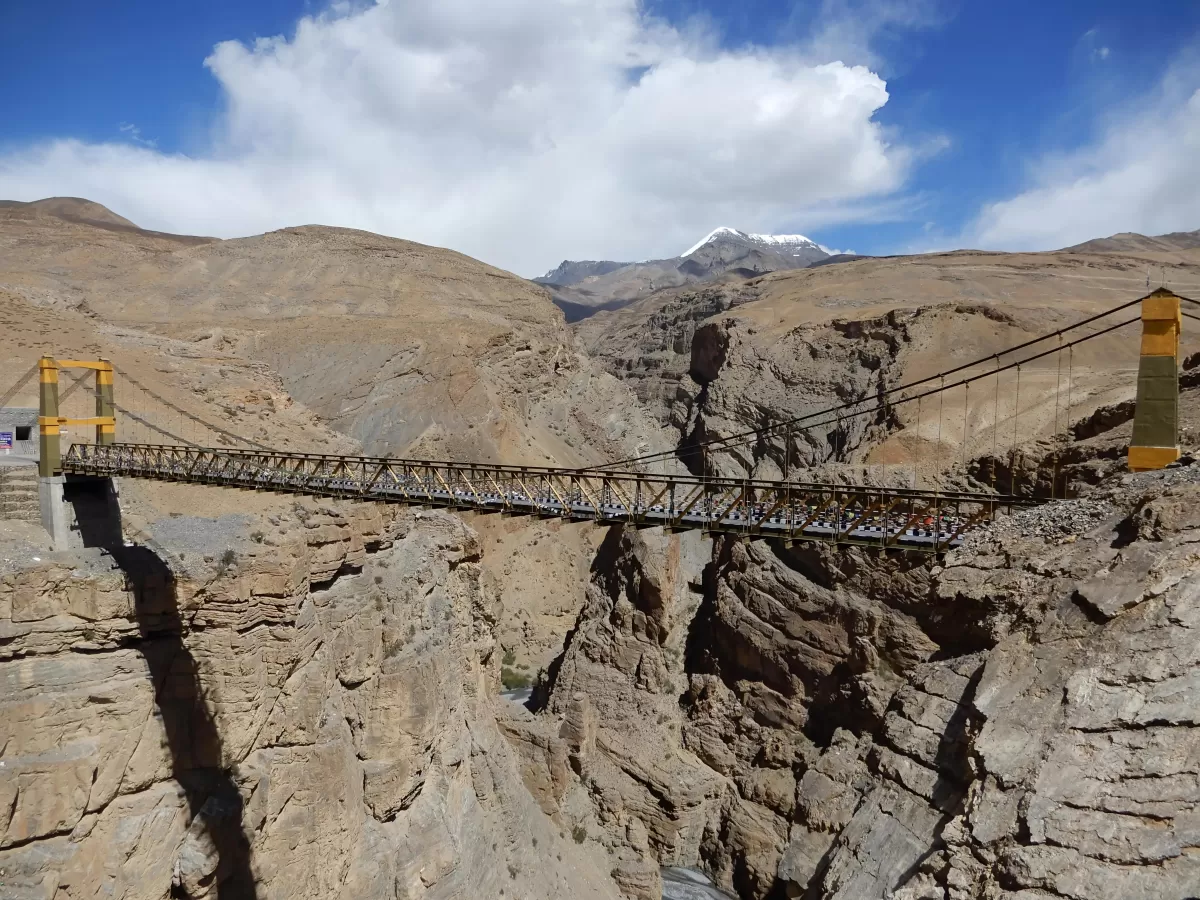
Chicham Bridge – Asia’s Highest Suspension Bridge in Spiti Valley

Chicham Bridge , Losar
Chicham Bridge is one of the highest suspension bridges in Asia, perched at about 13,596feet (over 4,140m) above sea level in the rugged Spiti Valley. It spans a deep gorge carved by the Samba Lamba Nallah and connects the remote villages of Chicham and Kibber, significantly improving local connectivity and serving as a thrilling stop for adventure seekers, photographers, and travelers exploring the high Himalayas.

Quick Facts About Chicham Bridge

Entry Fee Free
Timings 00:00 - 23:59
Altitude (m) 4145
Ideal Visit Duration (hrs) 2
Best Time of Day Morning
Crowd Level Moderate
Distance from Kaza (km) 20
Walking Difficulty Easy
Parking Available Yes
Last Mile Access Road
Suitable for Kids Yes
Suitable for Seniors Yes
Wheelchair Friendly No

Why Visit Chicham Bridge

Chicham Bridge is one of the highest suspension bridges in Asia, dramatically spanning the deep gorge between Chicham and Kibber villages in Spiti Valley. Built at an altitude of over 13,500 feet, this engineering marvel offers breathtaking views of rugged mountains, snow-capped peaks, and the roaring Spiti River far below. It plays a vital role in connecting remote Himalayan villages, especially during harsh winters when access becomes extremely limited.

Atmosphere

The atmosphere at Chicham Bridge is raw, peaceful, and awe-inspiring. Crisp mountain air, vast open skies, and the echo of wind through the gorge create a sense of adventure and serenity. With minimal crowds and untouched surroundings, visitors experience the true essence of high-altitude Himalayan landscapes, making it ideal for photography, quiet reflection, and nature lovers.

What Makes It Special

What makes Chicham Bridge truly special is its record-breaking height, remote location, and dramatic setting in one of India’s most isolated regions. It stands as a symbol of human resilience and engineering excellence in extreme terrain. The bridge also offers unmatched panoramic views of Spiti Valley and provides travelers a rare chance to witness life in high-altitude Himalayan villages connected by this remarkable structure.

History

Chicham Bridge was completed in 2017 after years of engineering challenges caused by extreme altitude, harsh weather, and difficult terrain in Spiti Valley. Before the bridge existed, residents of Chicham and nearby villages relied on a risky ropeway system to cross the deep gorge, making daily travel dangerous and time-consuming. The bridge transformed connectivity in the region, improving access to healthcare, education, trade, and tourism, and stands today as a landmark achievement in high-altitude infrastructure development in Himachal Pradesh.

Best Time to Visit

The best time to visit Chicham Bridge is from May to October, when Spiti Valley is accessible via open mountain roads and weather conditions are suitable for sightseeing. During these months, the skies remain clear, temperatures are manageable, and the surrounding Himalayan landscapes appear at their most dramatic, making it ideal for photography, exploration, and scenic drives.
  • May–June: Pleasant weather, snow still visible on peaks, excellent for photography and sightseeing.
  • July–August: Green patches emerge in the valley, stable road access, fewer extreme cold conditions.
  • September–October: Crystal-clear skies, golden landscapes, perfect visibility of mountain ranges.
  • November–April: Roads often closed due to heavy snowfall; travel not recommended during this period.

How to Reach

  • By Road from Shimla: Travel via Shimla – Rampur – Reckong Peo – Nako – Kaza. From Kaza, Chicham Bridge is about 18 km and easily accessible by taxi or private vehicle during summer months.
  • By Road from Manali: Drive through Manali – Rohtang Pass – Kunzum Pass – Losar – Kaza, then continue toward Kibber and Chicham villages. This scenic route is open from roughly June to October, depending on snow conditions.
  • Nearest Airport: Bhuntar Airport (Kullu), about 245 km away. From there, continue by taxi or bus via Manali or Shimla routes.
  • Nearest Railway Station: Shimla Railway Station (narrow gauge) and Kalka Railway Station (broad gauge) are the closest railheads, followed by a long but scenic mountain drive.
  • Local Access: The bridge lies between Kibber and Chicham villages; private taxis, bikes, and self-drive vehicles from Kaza are the most convenient options.

What to Expect When You Visit

  • Thrilling views from one of Asia’s highest suspension bridges, overlooking a dramatic Himalayan gorge.
  • Cool high-altitude climate with strong winds, making warm clothing essential even in summer.
  • Excellent photography opportunities of Spiti Valley’s rugged landscapes, snow peaks, and deep river valleys.
  • Peaceful surroundings with minimal crowds, ideal for travelers seeking solitude and raw mountain beauty.
  • Easy access from Kaza for short excursions combined with visits to Kibber and Chicham villages.
  • Limited facilities nearby, so visitors should carry water, snacks, and basic essentials.

Important Visitor Information

  • Crowd & Weather Notes: Chicham Bridge remains uncrowded most days, with peak visitor flow during June–August afternoons. Weather can change suddenly with strong winds and temperature drops.
  • Peak / Quiet Hours: Late morning to early afternoon offers the best light and accessibility, while early mornings and evenings are quieter and ideal for photography.
  • Dress Code: Wear warm layered clothing, windproof jackets, sturdy shoes, sunglasses, and sunscreen due to high altitude and intense sun exposure.
  • Safety Notes: Walk carefully on the bridge, avoid leaning over railings, and stay alert to strong winds. Visitors with altitude sensitivity should acclimatize in Kaza before visiting.

Photography and Viewpoint

  • Capture dramatic wide-angle shots of Chicham Bridge suspended over a deep gorge with the Spiti River flowing far below.
  • Early morning and late afternoon provide soft golden light, enhancing mountain textures and minimizing harsh shadows.
  • Clear-weather days offer panoramic views of surrounding peaks, barren valleys, and the road linking Kibber and Chicham villages.
  • Both ends of the bridge feature natural viewpoints ideal for landscape photography, drone-free panoramic framing, and portrait shots with Himalayan backdrops.
  • Wind conditions can be strong, so stabilize cameras and use straps for mobile devices while shooting on the bridge.
  • Winter and early summer often reveal snow-covered cliffs, adding dramatic contrast to the raw brown terrain of Spiti Valley.

Near By Attraction

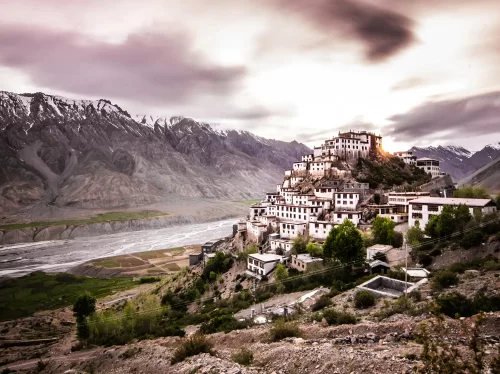
Key Monastery at Losar Spiti during twilight dusk, featuring tiered white monastery rugged mountains river valley, perfect spiritual experience Himachal Pradesh tour package. Monastery

Key Monastery

Key Monastery is the largest and most iconic Buddhist monastery in Spiti Valley, perched dramatically atop a hill overlooking the Spiti River.

Frequently Asked Questions About Chicham Bridge

Loved this place ? Let’s Plan Your Himachal Pradesh Trip

Get customized Himachal Pradesh tour planning designed around season, road conditions, hill travel pacing, and comfort preferences. Whether you are visiting for snow experiences, mountain landscapes, temple towns, adventure activities, or relaxed valley s

⚡ Quick Response | 💰 Free consultation | 🕒 24×7 expert support

×

Plan Your Trip