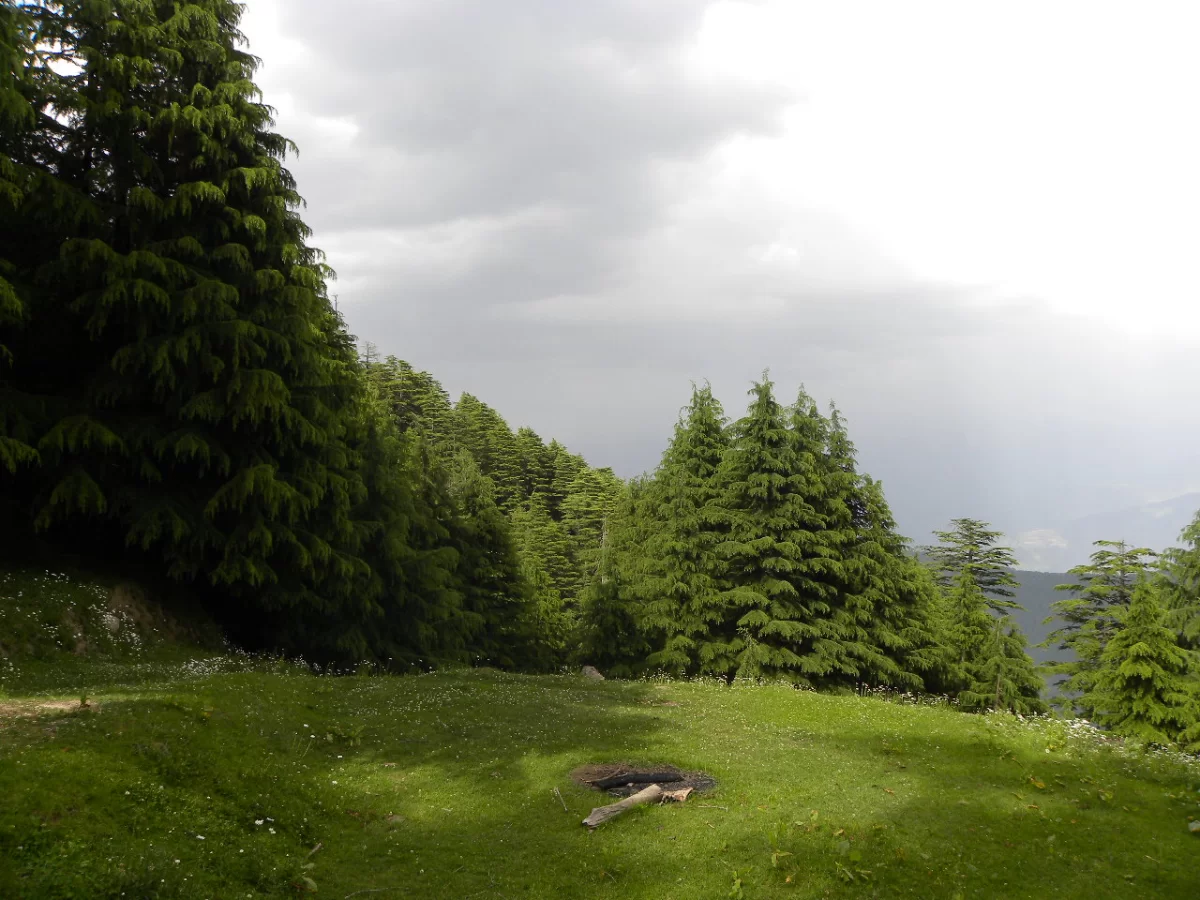
Kalatop Wildlife Sanctuary – A Hidden Gem in the Himalayas

Kalatop Wildlife Sanctuary , Dalhousie
Kalatop Wildlife Sanctuary, situated about 10 kilometers from Dalhousie in Himachal Pradesh, is known for its dense forests, scenic beauty, and rich biodiversity. The sanctuary is home to a variety of wildlife, including Himalayan black bears, leopards, and various species of birds. The trekking trails within the sanctuary provide a unique opportunity to explore its natural beauty. Surrounded by snow-capped mountains and lush greenery, Kalatop is an ideal destination for wildlife photography, nature walks, and eco-tourism. The sanctuary also offers spectacular panoramic views of the Pir Panjal Range.

Quick Facts About Kalatop Wildlife Sanctuary

Entry Fee INR 50
Timings 07:00 - 18:00
Altitude (m) 2440
Ideal Visit Duration (hrs) 4
Best Time of Day Morning
Crowd Level Moderate
Distance from Dalhousie (km) 10
Walking Difficulty Moderate
Parking Available Yes
Last Mile Access Road
Suitable for Kids Yes
Suitable for Seniors Yes
Wheelchair Friendly No

Why Visit Kalatop Wildlife Sanctuary

Atmosphere

Kalatop Wildlife Sanctuary offers a tranquil atmosphere surrounded by dense forests, fresh mountain air, and stunning panoramic views of the Pir Panjal Range. The peaceful surroundings make it an ideal retreat for nature lovers and wildlife enthusiasts. Whether you are strolling along the shaded trails or taking in the majestic mountain views, the sanctuary provides a sense of serenity and connection with nature.

What Makes it Special

Kalatop Wildlife Sanctuary is unique for its rich biodiversity, with a variety of wildlife species such as Himalayan black bears, leopards, deer, and a wide array of bird species. The sanctuary's well-maintained trails provide opportunities for wildlife spotting and bird watching, making it an ideal spot for eco-tourism. Its location at a high altitude offers magnificent views of the surrounding mountains, valleys, and Dalhousie. The mix of pristine natural beauty and diverse wildlife makes Kalatop a must-visit for those seeking an immersive nature experience.

History

Kalatop Wildlife Sanctuary was established in 1958 to protect the rich flora and fauna of the region. The sanctuary’s establishment was aimed at conserving the unique biodiversity of the area, particularly the species that inhabit the dense forests of the Kalatop and Khajjiar regions. Though primarily a wildlife sanctuary, its high-altitude location, lush forests, and natural beauty have made it a popular destination for eco-tourism. Over time, Kalatop has become an essential part of Dalhousie’s environmental and ecological landscape.

Best Time to Visit

The best time to visit Kalatop Wildlife Sanctuary is from March to June and September to November. During these months, the weather is pleasant, making it perfect for wildlife spotting and trekking. The temperatures are moderate, and the trails are accessible. The winter months (December to February) are also a good time to visit for those who enjoy cooler weather and the opportunity to witness snowfall in the higher reaches of the sanctuary. However, the monsoon season (July to September) should be avoided due to the risk of landslides and slippery trails.

  • March to June: Pleasant temperatures, ideal for trekking and wildlife viewing.
  • September to November: Crisp weather and fewer crowds, perfect for exploring the sanctuary.
  • December to February: Snowfall adds a magical touch, but temperatures can drop significantly.
  • Avoid Monsoon (July to September): Heavy rainfall and slippery terrain make it less ideal for visiting.

How to Reach

  • By Car: Kalatop Wildlife Sanctuary is about 10 km from Dalhousie. You can easily reach the sanctuary by car via the well-maintained road from Dalhousie. The journey offers beautiful views of the hills and valleys, making it an enjoyable drive.
  • By Taxi: Taxis are readily available in Dalhousie and can take you directly to the sanctuary entrance. This is a convenient option for visitors who prefer not to drive themselves.
  • By Bus: There are regular bus services to Dalhousie from nearby cities like Chamba and Pathankot. From Dalhousie, you can take a taxi or drive to the sanctuary entrance.
  • On Foot: The sanctuary offers several trekking routes, and some visitors prefer to hike from Dalhousie to Kalatop. It’s an adventurous option for those looking for a more immersive experience in nature.

What to Expect When You Visit

  • Rich Biodiversity: Kalatop Wildlife Sanctuary is home to diverse wildlife, including Himalayan black bears, leopards, deer, and various bird species. Expect to encounter a variety of flora and fauna as you explore the trails.
  • Scenic Views: The sanctuary offers breathtaking views of the surrounding Pir Panjal Range and the valley below. There are several viewpoints along the trails that provide excellent photo opportunities and panoramic vistas.
  • Peaceful Environment: The sanctuary’s serene environment is perfect for nature lovers seeking peace and solitude. Expect a calm atmosphere, away from the noise of city life, ideal for relaxation and rejuvenation.
  • Well-Maintained Trails: The sanctuary has several trekking trails, each offering a unique perspective of the landscape. Expect well-marked and manageable paths suitable for moderate hikes, allowing you to fully immerse yourself in the natural surroundings.
  • Cool Climate: The sanctuary is located at a high altitude, so expect a cool and refreshing climate, especially in the summer months. Be prepared for chilly weather during winter, with the possibility of snowfall.

Important Visitor Information

  • Crowd & Weather Notes: Kalatop Wildlife Sanctuary sees moderate crowds, with the busiest times being during the peak summer months (May to June) and during the holidays. The weather is typically cool, with pleasant temperatures from March to June, while the winter months (December to February) can get very cold, especially in higher altitudes. The monsoon season (July to September) brings heavy rains, making the trails slippery and less ideal for hiking.
  • Peak / Quiet Hours: The peak hours are typically between 10:00 AM and 4:00 PM, with most visitors arriving during midday. To avoid crowds, it’s best to visit early in the morning (7:00 AM to 9:00 AM) or in the late afternoon (post 4:00 PM) when the atmosphere is quieter.
  • Dress Code: Wear comfortable, weather-appropriate clothing and sturdy footwear for walking or trekking. In the warmer months, lightweight and breathable clothing is recommended, while in winter, bring warm layers and a jacket as temperatures can drop significantly, especially in the mornings and evenings.
  • Safety Notes: The trails within the sanctuary are well-marked, but some areas can be slippery, especially after rainfall. Be cautious while trekking, particularly during the monsoon. It's advisable to stay on designated paths, avoid straying too close to cliff edges, and keep a safe distance from any wildlife. Carry enough water and a basic first-aid kit for safety.

Photography and Viewpoint

  • Scenic Photography: Kalatop Wildlife Sanctuary offers numerous opportunities for breathtaking photography. The sanctuary’s rich biodiversity, combined with panoramic views of the surrounding Pir Panjal Range, makes it a photographer's paradise. Whether capturing the vibrant wildlife or the stunning landscapes, the sanctuary provides endless possibilities for nature and landscape photography.
  • Best Viewpoints: The sanctuary features several scenic viewpoints, where visitors can capture sweeping vistas of the valley below, dense forests, and distant snow-capped peaks. These viewpoints are perfect for wide-angle shots of the natural beauty of the region.
  • Wildlife Photography: Kalatop is home to several species of wildlife, including the elusive Himalayan black bear, leopards, and various species of birds. Early mornings or late afternoons are the best times for wildlife photography, as animals are most active during these hours.
  • Golden Hour: The best light for photography is during the golden hours—early morning and late afternoon. The soft, warm light during these times enhances the colors of the landscape and adds a magical glow to the sanctuary, perfect for capturing the beauty of the surroundings.
  • Seasonal Photography: Each season offers a different perspective of the sanctuary. Spring and summer provide lush greenery and vibrant flowers, while winter offers a stunning snow-covered landscape. The changing seasons allow photographers to capture the sanctuary in various moods.

Near By Attraction

St. Francis Church in Dalhousie featuring a historic stone building with arched windows, circular stained-glass detail, and a cross on the roof set against a blue sky and surrounding trees. Church

St. Francis Church Dalhousie

St. Francis Church, built in the 19th century, is one of Dalhousie’s most significant landmarks, offering a peaceful atmosphere and colonial-era architecture.
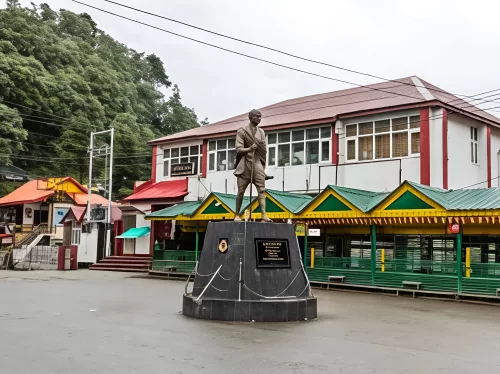
Mall Road in Dalhousie featuring a central statue of Mahatma Gandhi on a pedestal, surrounded by colorful shopfronts and colonial-style buildings under an overcast sky. Market / Bazaar

Mall Road Dalhousie

Mall Road in Dalhousie is the bustling heart of the hill station offering a mix of shopping dining and stunning
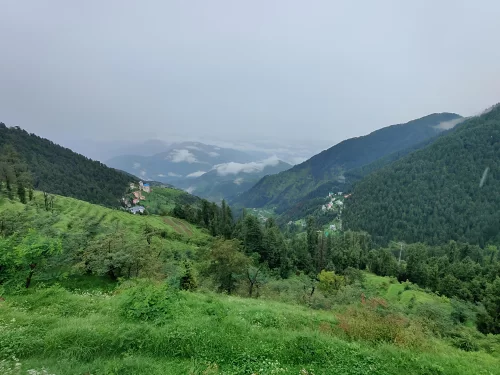
Bakrota Hills in Dalhousie featuring rolling green valleys, dense pine forests, scattered hillside houses, and mist-covered mountain ranges under a cloudy sky. Hill Station

Bakrota Hills

Bakrota Hills, located near Dharamshala, is known for its tranquil atmosphere, scenic walking paths, and sweeping views of the surrounding mountains and valleys.

Frequently Asked Questions About Kalatop Wildlife Sanctuary

The best time to visit Kalatop Wildlife Sanctuary is between March and June and from September to November when the weather in Chamba district of Himachal Pradesh remains pleasant. These months offer comfortable forest walks and better chances of spotting wildlife.
Kalatop Wildlife Sanctuary is located near Dalhousie in Chamba district of Himachal Pradesh. It is spread across dense deodar forests at an altitude of around 2500 meters.
Kalatop Wildlife Sanctuary can be reached by road from Dalhousie, which is approximately 8 to 10 kilometers away. Visitors can drive to the entrance gate and then explore on foot inside the sanctuary.
An entry fee is charged at Kalatop Wildlife Sanctuary along with separate charges for vehicles and cameras. Tickets are available at the forest check post.
Kalatop Wildlife Sanctuary is generally open from morning until late afternoon, with timings regulated by the forest department. Visitors are required to exit before sunset.
Kalatop Wildlife Sanctuary is home to species such as Himalayan black bear, barking deer, langur, and various bird species. Wildlife sightings depend on timing and season.
Around two to three hours are sufficient to explore Kalatop Wildlife Sanctuary through designated walking trails. Visitors interested in longer hikes may spend additional time.
Kalatop Wildlife Sanctuary is suitable for families comfortable with light to moderate forest walks. Children should remain supervised on trails and near steep areas.
Kalatop Wildlife Sanctuary remains accessible during winter, but snowfall in Himachal Pradesh can make internal paths slippery. Checking weather and road conditions before travel is advisable.
Visitors should carry comfortable trekking shoes, warm clothing, drinking water, and basic snacks while visiting Kalatop Wildlife Sanctuary. It is important to follow forest rules and avoid littering.

Loved this place ? Let’s Plan Your Himachal Pradesh Trip

Get customized Himachal Pradesh tour planning designed around season, road conditions, hill travel pacing, and comfort preferences. Whether you are visiting for snow experiences, mountain landscapes, temple towns, adventure activities, or relaxed valley s

⚡ Quick Response | 💰 Free consultation | 🕒 24×7 expert support

×

Plan Your Trip