Quick Facts About Bakrota Hills
| Entry Fee | Free |
| Timings | 00:00 - 23:59 |
| Altitude (m) | 2000 |
| Ideal Visit Duration (hrs) | 2 |
| Best Time of Day | Morning |
| Crowd Level | Moderate |
| Distance from Dharamshala (km) | 5 |
| Walking Difficulty | Easy |
| Parking Available | Yes |
| Last Mile Access | Walk |
| Suitable for Kids | Yes |
| Suitable for Seniors | Yes |
| Wheelchair Friendly | No |
Why Visit
The Why Visit section focuses on what makes this destination unique and why it should be on every traveler's list. Whether it's the breathtaking views, rich cultural heritage, or unparalleled atmosphere, this place offers something for everyone. The serene environment allows visitors to connect with nature, offering a perfect blend of relaxation and adventure.
Atmosphere
The atmosphere of this location is a harmonious mix of tranquility and excitement. The fresh air, scenic landscapes, and peaceful surroundings create a perfect setting for those looking to escape the hustle and bustle of everyday life. The area's natural beauty, combined with its spiritual significance, gives visitors a sense of peace and wonder.
What Makes it Special
What makes this destination truly special is its unique combination of history, culture, and natural beauty. From the stunning vistas that stretch over the horizon to the rich cultural experiences that await at every corner, visitors are bound to find something that speaks to them. It is a place where you can rejuvenate your spirit and immerse yourself in the local heritage, making it a once-in-a-lifetime experience.
History
The historical significance of this place lies in its ancient architecture, long-standing traditions, and its role in shaping the local landscape. Visitors can explore the remnants of past civilizations through preserved landmarks that tell the story of the region's evolution over time.
Cultural / Religious Significance
If applicable, this section highlights the deep cultural or religious importance the location holds. It could include its role as a spiritual center, its association with specific rituals, or its impact on the local community's traditions. This significance adds a deeper layer to the experience, making it more than just a tourist spot, but a place of reverence or cultural pride.
Best Time to Visit
The best time to visit this location is during the spring (March to May) and autumn (September to November) months. During these periods, the weather is mild, and the surroundings are lush and vibrant, offering an ideal atmosphere for sightseeing and outdoor activities. Avoiding the peak of summer and winter ensures a more comfortable experience without the harsh weather conditions.
Recommended Time for Different Activities
- Hiking and Trekking: March to June, when the temperatures are moderate.
- Cultural Festivals: Attend local festivals during the autumn months for a more immersive cultural experience.
- Photography: Early mornings or late afternoons during the spring or autumn for the best light conditions.
- Wildlife Observation: Best during the cooler months when animals are more active.
How to Reach
- By Air: The nearest airport is [Airport Name], located approximately [distance] km away from the destination. From the airport, taxis and rental cars are available for a convenient journey to the location.
- By Train: The nearest railway station is [Station Name], which is well-connected to major cities. From there, you can take a taxi or use local transport to reach the site.
- By Bus: Regular bus services from [City Name] and nearby towns operate to the location. Buses are a budget-friendly option for those traveling on a tight schedule.
- By Car: If you're traveling by car, the destination is easily accessible via [Main Road/Highway Name]. It's a [time/distance] drive from [City Name]. Parking facilities are available at the site.
What to Expect When You Visit
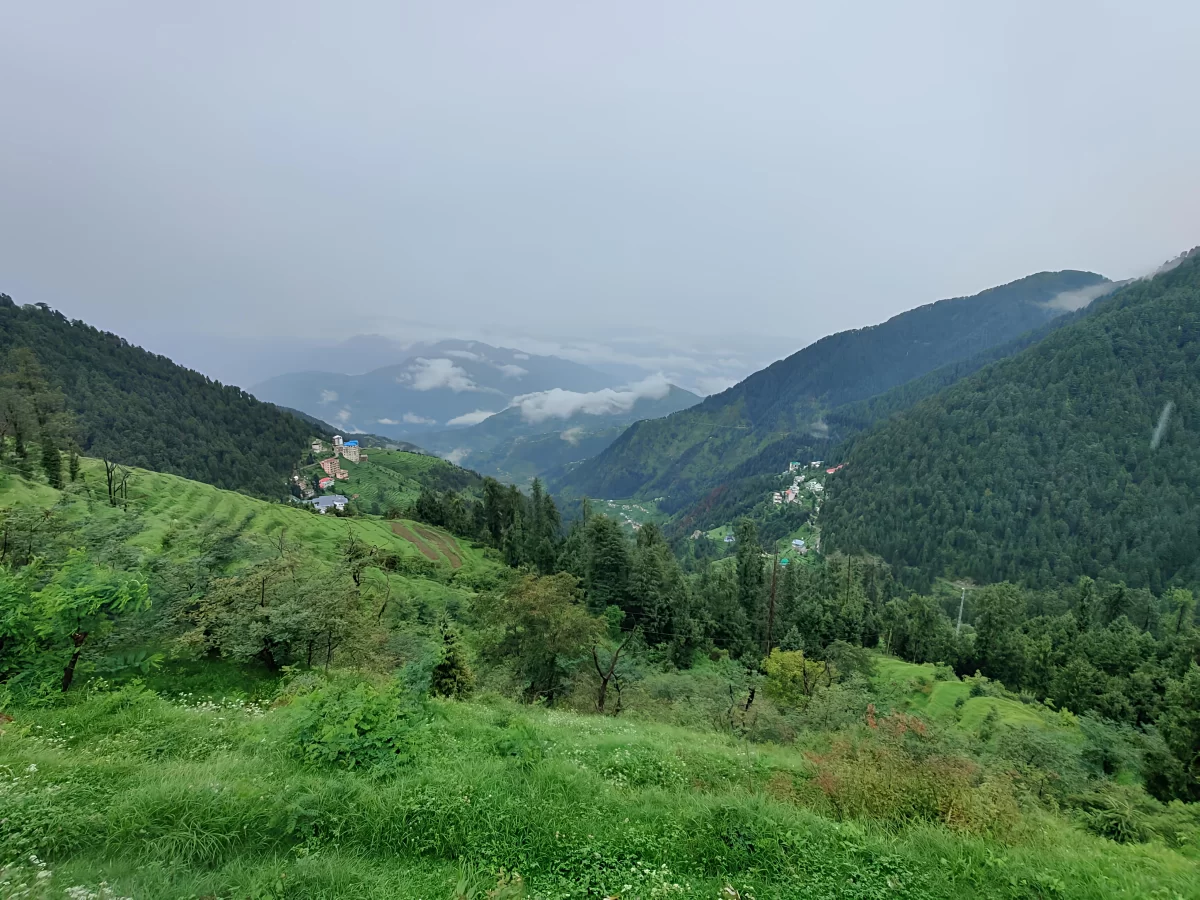
- Scenic Views: Expect panoramic views of the surrounding landscapes, including lush greenery, towering peaks, and tranquil water bodies. The natural beauty will leave you awe-struck.
- Outdoor Activities: Depending on the location, you can indulge in activities such as hiking, trekking, or nature walks. These activities offer a chance to explore the area up close and immerse yourself in its natural environment.
- Historical and Cultural Insights: Learn about the rich history and cultural significance of the area through well-preserved landmarks, ancient structures, or cultural performances, adding depth to your visit.
- Peaceful Atmosphere: Enjoy the calm, peaceful surroundings, which make it an ideal place for relaxation, meditation, or simply unwinding from the stresses of daily life.
- Local Cuisine: Taste authentic local delicacies, often offered at nearby restaurants or food stalls. This is an excellent way to experience the region's unique culinary offerings.
- Wildlife and Nature: If you're visiting a natural reserve or wildlife sanctuary, expect to spot various species of flora and fauna. The area's biodiversity adds a unique aspect to your visit.
Important Visitor Information
- Crowd & Weather Notes: The destination tends to get crowded during peak season (March to June), especially during weekends and holidays. For a quieter experience, visit early in the morning or during the off-peak season (September to November). Be prepared for varying weather conditions — it may get chilly in the evenings, even in summer, and temperatures can drop significantly during the winter months.
- Peak / Quiet Hours: The busiest hours are typically between 10 AM to 4 PM. If you're looking to avoid the crowds, it's best to visit early in the morning or late in the afternoon, especially on weekdays.
- Dress Code: While there's no formal dress code, comfortable clothing and sturdy footwear are recommended, especially if you're planning on hiking or exploring the area. Bring a light jacket or sweater for cooler evenings, and if visiting religious or cultural sites, be respectful by covering your shoulders and knees.
- Safety Notes: Always stay on marked paths and avoid straying off designated trails, particularly if you're trekking in hilly or mountainous areas. If you're near water bodies or cliffs, exercise caution, as some areas may be slippery or have steep drop-offs. Carry sufficient water, especially on warm days, and use sunscreen to protect against sunburn.
Photography and Viewpoint
- Best Photography Spots: The destination offers some of the most picturesque views, making it a photographer’s paradise. Key spots include the [Location Name], which provides a stunning panoramic view of the surrounding mountains, valleys, and water bodies. The [Another Location Name] offers excellent lighting conditions for both landscape and portrait photography, especially during early morning or late afternoon.
- Golden Hour: For the best light conditions, plan your photography session around the golden hour—just after sunrise or before sunset. The soft, warm light during this time enhances the beauty of the landscapes and provides an ethereal glow to your photos.
- Viewpoints: Several viewpoints around the site offer breathtaking vistas, including [Specific Viewpoint Name], which provides a perfect spot for a wide-angle shot. These locations are typically accessible by a short hike or vehicle ride and offer panoramic views that are perfect for capturing the essence of the area.
- Wildlife Photography: If you're interested in wildlife photography, visit during early morning or dusk when animals are most active. The area is home to diverse wildlife, including birds, mammals, and other species, which can be captured in their natural habitat.
- Essential Gear: While a professional camera is ideal, a smartphone with a good camera can still yield excellent results, especially when equipped with zoom or wide-angle lenses. A tripod will help with stability for those long-exposure shots at twilight.