+91 9910402252
admin@chalbanjare.com


| Entry Fee | Free |
| Timings | 06:00 - 18:00 |
| Altitude (m) | 2150 |
| Ideal Visit Duration (hrs) | 2 |
| Best Time of Day | Morning |
| Crowd Level | Moderate |
| Distance from Manali (km) | 4 |
| Walking Difficulty | Moderate |
| Parking Available | Yes |
| Last Mile Access | Walk |
| Suitable for Kids | Yes |
| Suitable for Seniors | No |
| Wheelchair Friendly | No |
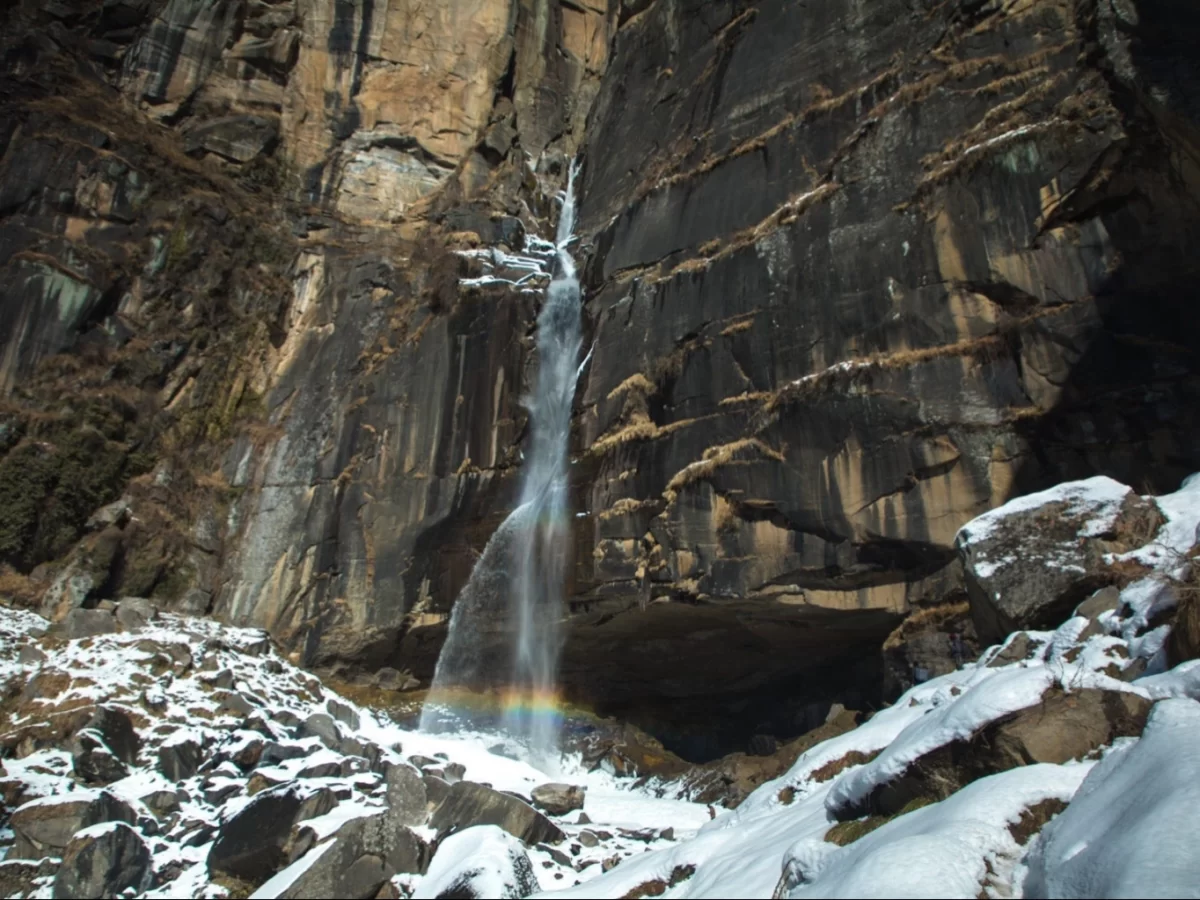
Jogini Waterfall is worth visiting for travelers who want a short outdoor walk close to Manali without committing to a full-day trek. The trail is approachable for most people and offers a gradual transition from village life to quieter natural surroundings.
The atmosphere along the route is relaxed and rural. The path passes through apple orchards, small fields, and forested sections where the sound of the stream is constant. Away from peak hours, the area feels calm, with locals using the trail for daily movement rather than tourism.
What makes Jogini Waterfall stand out is its accessibility combined with a visible change in scenery over a short distance. The waterfall itself is seasonal and most impressive during snowmelt and monsoon months. Its setting at the end of a walk, rather than beside a road, gives it a sense of arrival that many easily accessible waterfalls lack.
Jogini Waterfall does not have documented historical records in the conventional sense, but it holds long-standing local importance. The waterfall is named after Jogini Mata, a village deity revered in the surrounding areas of Vashisht and Manali. A small shrine near the waterfall reflects this local belief and is still visited by residents rather than organized pilgrims.
For generations, the trail leading to the waterfall has been used by villagers as a natural route between settlements and grazing areas. The water from the Jogini stream has traditionally supported nearby fields and orchards, making it part of everyday rural life rather than a standalone attraction.
Tourism interest in Jogini Waterfall developed only in recent years as Manali expanded and travelers began seeking short walks beyond the town center. Despite increased footfall, the waterfall remains primarily a locally respected natural site rather than a historically constructed or commemorated location.
Jogini Waterfall can be visited for most of the year, but water flow, trail conditions, and crowd levels vary significantly by season. The experience is strongly influenced by snowmelt and monsoon patterns in the Manali region.
March to June is the most balanced period. Snowmelt feeds the stream, the waterfall has a steady flow, and the trail remains manageable. This is also peak tourist season, so late mornings and afternoons can feel crowded.
July to September brings heavy rainfall. The waterfall is at its strongest, but the trail becomes muddy and slippery, and leeches may appear in forested sections. Visits are best planned on clear days with proper footwear.
October to February sees reduced water flow, especially in deep winter when sections may freeze. The trail stays open, but cold temperatures and occasional snow make footing unpredictable.
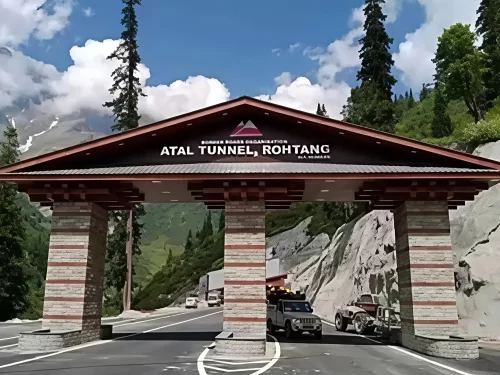 Tourist Attraction
Atal Tunnel is a high-altitude road tunnel beneath the Rohtang Pass that connects the Kullu Valley with the Lahaul region of Himachal Pradesh.
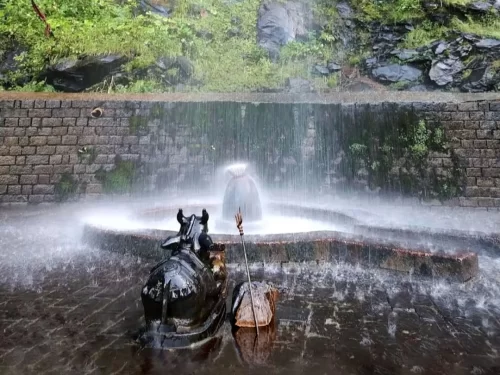 Temple
Shri Anjani Mahadev Mandir is a revered ancient Shiva temple near Manali, known for its naturally forming ice Shivling and stunning mountain surroundings.
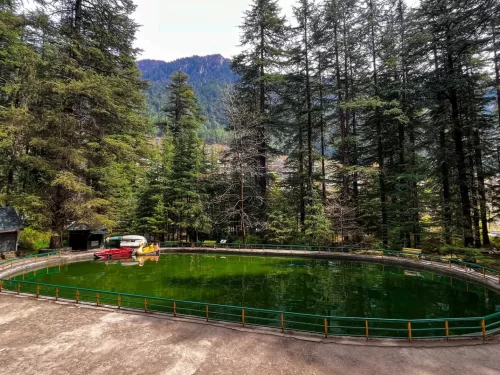 Wildlife Sanctuary
Van Vihar National Park is a serene green park in Manali, famous for tall deodar trees, scenic walking trails, and riverside views.
Get customized Himachal Pradesh tour planning designed around season, road conditions, hill travel pacing, and comfort preferences. Whether you are visiting for snow experiences, mountain landscapes, temple towns, adventure activities, or relaxed valley s
⚡ Quick Response | 💰 Free consultation | 🕒 24×7 expert support

