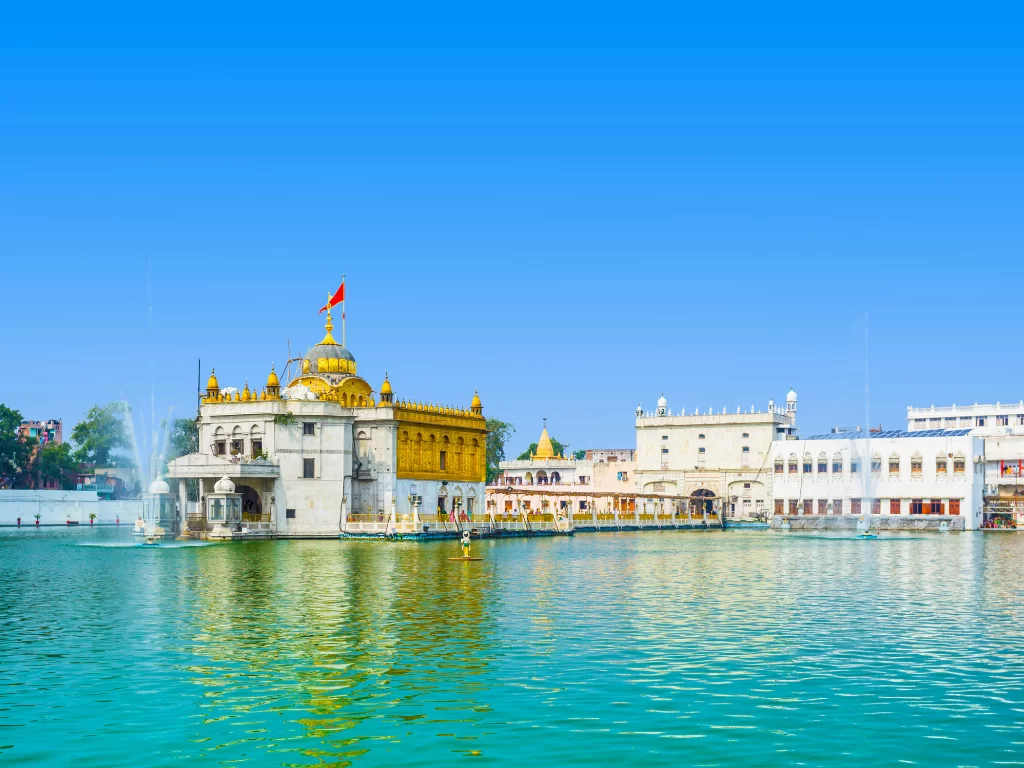
Jallianwala Bagh in Amritsar, Punjab, India

Jallianwala Bagh , Amritsar
Located close to the Golden Temple, the memorial preserves the site where British troops under Brigadier-General Reginald Dyer fired on an unarmed gathering. Visitors can see preserved bullet marks, the Martyrs’ Well, memorial structures, and museum exhibits explaining the massacre and its significance in India’s freedom movement.

Quick Facts About Jallianwala Bagh

Quick Facts About Jallianwala Bagh, Amritsar

Entry Fee Free
Timings Generally open daily from 6:30 AM to 7:30 PM; closing time may vary seasonally or due to official arrangements.
Altitude (m) Approximately 230 m above sea level.
Ideal Visit Duration 45–90 minutes
Best Time of Day Early morning or late afternoon, especially during warmer months.
Crowd Level Moderate to high; busiest on weekends, public holidays, national commemorative dates, and during peak tourist periods.
Distance from City Centre (km) Located in central Amritsar, approximately 0.4 km from the Golden Temple.
Walking Difficulty Easy; the memorial complex has mostly level and paved walking areas.
Parking Available No dedicated parking immediately at the memorial; public parking facilities are available in the Golden Temple heritage-zone area.
Last Mile Access Accessible by taxi, auto-rickshaw, e-rickshaw, or local transport to the heritage zone, followed by a short walk through the pedestrian area.
Suitable for Kids Yes; the museum and memorial deal with the 1919 massacre, so adults may wish to provide historical context to younger children.
Suitable for Seniors Yes; most visitor areas are level and require relatively easy walking.
Wheelchair Friendly Mostly yes; the renovated memorial has paved, largely level visitor routes, though crowd conditions may affect movement.

Why Visit Jallianwala Bagh, Amritsar

Jallianwala Bagh is visited to understand one of the most consequential events of India's freedom struggle, the massacre of 13 April 1919. The memorial complex presents the events through preserved features, exhibits, and commemorative spaces close to Amritsar's Golden Temple.

The atmosphere is solemn and reflective, particularly around the Martyrs' Well, memorial structures, and sections of wall where bullet marks from the firing are preserved. Landscaped pathways and galleries allow visitors to move through the site while learning about the victims and the events surrounding the massacre.

What makes Jallianwala Bagh distinct is that visitors stand within the actual location where the 1919 massacre occurred rather than viewing its story only through museum displays. Surviving physical traces and memorial installations provide direct context for understanding the scale and lasting significance of the tragedy.

History of Jallianwala Bagh, Amritsar

Jallianwala Bagh is a historic memorial site in Amritsar associated with one of the most tragic events of India's struggle against British colonial rule. On 13 April 1919, a large gathering assembled at the enclosed ground during Baisakhi amid protests against the Rowlatt Act. Brigadier-General Reginald Dyer ordered troops to fire on the crowd without warning, killing hundreds of people and injuring many more.

The Jallianwala Bagh massacre became a major turning point in India's independence movement and generated widespread condemnation of British rule. The site was later preserved as a national memorial, inaugurated in 1961. Visitors can see the Martyrs' Well, preserved bullet marks, memorial structures, and museum displays that document the events of 1919 and commemorate those who lost their lives.

Best Time to Visit Jallianwala Bagh, Amritsar

The best time to visit Jallianwala Bagh is from October to March, when Amritsar has cooler weather that is comfortable for walking through the memorial complex and spending time at its historic exhibits and preserved sites.

  • Ideal months: October to March for comfortable outdoor sightseeing and combining the visit with the nearby Golden Temple.
  • Best-season weather: Cool mornings and mild daytime conditions are generally suitable for exploring the memorial, although December and January can have cold and foggy mornings.
  • Periods to avoid: May and June can be extremely hot, making midday outdoor sightseeing uncomfortable. Public holidays, weekends, and dates around 13 April can attract heavier visitor numbers due to the anniversary of the Jallianwala Bagh massacre.

How to Reach Jallianwala Bagh Amritsar

  • Nearest Airport: Sri Guru Ram Dass Jee International Airport is the nearest airport, located about 13 km from Jallianwala Bagh. Taxis and app-based cabs are available from the airport for travel to the heritage area of Amritsar.
  • Nearest Railway Station: Amritsar Junction Railway Station is the nearest major railway station, approximately 2 km from Jallianwala Bagh. Auto rickshaws, e-rickshaws, taxis, and local transport are readily available outside the station.
  • Road Access: Jallianwala Bagh is located in the historic centre of Amritsar, next to the Golden Temple area. Amritsar is well connected by road with Jalandhar, Ludhiana, Chandigarh, and Delhi through national highways. Government buses, private buses, taxis, and private vehicles provide regular access to the city.
  • Last Mile Connectivity: Jallianwala Bagh is only a short walk from the Golden Temple. Vehicle access is restricted on parts of the surrounding heritage streets, so visitors generally park at designated facilities and continue on foot or by e-rickshaw. The area can become heavily crowded on weekends, public holidays, and major religious occasions.

What to Expect When You Visit Jallianwala Bagh, Amritsar

  • Memorial Environment: Jallianwala Bagh is a national memorial associated with the massacre of 13 April 1919. Visitors can expect landscaped grounds combined with preserved historic features, memorial structures, and exhibits explaining the events and their significance in India's freedom movement.
  • Facilities: The memorial complex includes maintained pathways, seating areas, drinking water, restrooms, and museum or gallery spaces. Food, shops, and additional visitor services are readily available in the surrounding Golden Temple area.
  • Accessibility: Located close to the Golden Temple in central Amritsar, the memorial is easily reached on foot from the surrounding pedestrian areas. Most visitor sections have paved pathways, although crowds can make movement slower during busy periods.
  • Visitor Experience: Visitors typically explore the memorial grounds, view preserved bullet marks, see the Martyrs' Well, visit exhibition areas, and read displays documenting the 1919 massacre. The site is intended for historical understanding and remembrance rather than recreational sightseeing.
  • Atmosphere: Despite its busy location, the memorial has a reflective character because of the events commemorated here. Visitors are expected to behave respectfully, avoid excessive noise, and treat preserved structures and memorial features with care.
  • Practical Considerations: The site can become crowded on weekends, public holidays, and during peak tourism periods because of its proximity to the Golden Temple. Allow sufficient time for the exhibits and check current entry timings before visiting, as access schedules can change.

Important Visitor Information for Jallianwala Bagh, Amritsar

  • Crowd & Weather: Jallianwala Bagh receives heavy tourist footfall on weekends, public holidays, and during the peak travel season from October to March. Amritsar can be extremely hot from May to June, while winter mornings may be cold and foggy.
  • Peak & Quiet Hours: Late morning through evening is generally the busiest period, particularly because many visitors combine the memorial with the nearby Golden Temple. Visiting earlier in the day on a weekday usually means fewer crowds.
  • Safety & Practical Notes: Follow the designated visitor pathways and barriers around preserved features such as the Martyrs' Well and bullet-marked walls. Avoid touching or damaging protected structures and exhibits, and follow security instructions at the entrance.
  • Visitor Conduct: Jallianwala Bagh is a national memorial commemorating victims of the 1919 massacre. Visitors should maintain respectful behaviour around the memorial areas and avoid obstructing pathways while taking photographs.

Photography and Viewpoints at Jallianwala Bagh, Amritsar

  • The memorial area, preserved walls with bullet marks, Martyrs’ Well, and landscaped pathways provide the best photography viewpoints for capturing the historical significance and preserved elements of Jallianwala Bagh.
  • Morning hours offer softer light, fewer visitors, and a quieter atmosphere for photographing the memorial structures and heritage features. Late afternoon can provide warm lighting across the gardens and pathways.
  • Photography is generally permitted within the public areas of Jallianwala Bagh, but visitors should maintain respect due to the site’s historical importance. Restrictions may apply in certain indoor exhibition areas or during special arrangements.
  • The memorial attracts visitors throughout the year, with higher crowds during weekends, national holidays, and peak tourist seasons. Visiting early in the morning usually provides better opportunities for detailed photographs with fewer interruptions.

Near By Attraction

Attari-Wagah Border, Amritsar, Punjab during clear day, featuring grand ceremony stadium and Pakistan flag, perfect patriotic experience Punjab tour package Tourist Attraction

Attari Wagah Border

The Attari-Wagah Border is the India–Pakistan land border crossing near Amritsar, Punjab, known for the ceremonial flag-lowering event held by the border forces of both countries.

Sri Harmandir Sahib, Amritsar, Punjab during clear day, featuring golden temple, Amrit Sarovar and reflection, perfect spiritual experience Punjab tour package Temple

Sri Harmandir Sahib

The Golden Temple, officially known as Sri Harmandir Sahib, is the central Sikh gurdwara in Amritsar, Punjab, built around the sacred Amrit Sarovar.

Frequently Asked Questions About Jallianwala Bagh

Jallianwala Bagh is visited to understand the history of the 1919 massacre and to see the memorial site dedicated to those who lost their lives
The site provides historical context through memorials, preserved features, exhibits, and information about a major event in India's freedom movement
The memorial, Martyrs' Well, preserved bullet-marked walls, historical galleries, and landscaped grounds are important features of the site
October to March generally offers more comfortable weather for walking around the memorial, while summer afternoons in Amritsar can be hot
Visiting hours can vary with seasonal schedules and official arrangements, so visitors should check the latest timings before planning their visit
Entry arrangements and ticketing can change, so visitors should check the latest official information before visiting
Parking is available in the surrounding area, although spaces can become limited during busy periods and visitors may need to walk from nearby parking locations
Jallianwala Bagh is centrally located in Amritsar and can be reached by taxi, auto-rickshaw, local transport, or private vehicle
Sri Guru Ram Dass Jee International Airport is the nearest airport, approximately 13 km from Jallianwala Bagh by road depending on the route
Amritsar Junction Railway Station is the main railhead and is roughly 2 km from Jallianwala Bagh
There is no specific dress code, but comfortable and respectful clothing is appropriate for visiting this memorial and historical site
Photography may be permitted in designated areas, but visitors should follow current site instructions and avoid disturbing other visitors
There are no specific religious food practices required, but visitors should maintain cleanliness and avoid eating or leaving waste in restricted memorial areas
The site can generally be visited by families and senior citizens, although walking distances, weather, and crowd levels should be considered
Visitors should maintain respectful behavior, avoid touching protected historical features, follow photography rules, keep the premises clean, and observe official instructions
Sri Harmandir Sahib, Partition Museum, Durgiana Temple, and the heritage markets of Amritsar are among the nearby attractions
A special permit is generally not required for ordinary visitor entry, although separate permission may be needed for certain organized activities or professional photography

Loved this place ? Let’s Plan Your Himachal Pradesh Trip

Get customized Himachal Pradesh tour planning designed around season, road conditions, hill travel pacing, and comfort preferences. Whether you are visiting for snow experiences, mountain landscapes, temple towns, adventure activities, or relaxed valley s

⚡ Quick Response | 💰 Free consultation | 🕒 24×7 expert support

×

Plan Your Trip