Quick Facts About Bird Pheasantry
| Entry Fee | Free |
| Timings | 06:00 - 18:00 |
| Altitude (m) | 2300 |
| Ideal Visit Duration (hrs) | 2 |
| Best Time of Day | Morning |
| Crowd Level | Moderate |
| Distance from Sarahan (km) | 3 |
| Walking Difficulty | Easy |
| Parking Available | Yes |
| Last Mile Access | Walk |
| Suitable for Kids | Yes |
| Suitable for Seniors | Yes |
| Wheelchair Friendly | No |
Why Visit Bird Pheasantry, Sarahan
Why Visit
The Bird Pheasantry in Sarahan offers an opportunity to connect with nature and observe some of the most beautiful and rare birds of the Himalayan region. It is not just a sanctuary for wildlife but also an important place for birdwatching enthusiasts. The serene environment, combined with the lush surroundings and stunning mountain views, makes it an ideal destination for anyone looking to escape the hustle and bustle of city life and immerse themselves in the beauty of nature.
Atmosphere
The atmosphere at the Bird Pheasantry is peaceful and tranquil, providing a perfect environment for birdwatching. The lush greenery and fresh mountain air add to the rejuvenating experience. The chirping of the birds and the rustling of leaves create a calming ambiance, making it an ideal place for nature lovers to relax and enjoy the wildlife. Whether you are visiting for a short time or planning to explore the area, the serene setting will leave you feeling rejuvenated and connected to nature.
What Makes it Special
The Bird Pheasantry is home to a variety of Himalayan birds, including the stunning Himalayan Monal, the state bird of Himachal Pradesh. The natural habitat of the sanctuary provides a safe haven for these birds, making it a unique experience for visitors to witness them in their natural environment. In addition to the rich avian life, the surrounding landscapes provide breathtaking views of the Shivalik mountain range, making it a perfect blend of wildlife and natural beauty. It’s a must-visit for birdwatching enthusiasts and anyone looking to experience the wildlife of the Himalayas up close.
History
The Bird Pheasantry in Sarahan was established as part of conservation efforts to protect and preserve the rich biodiversity of the Himalayan region. This sanctuary is primarily dedicated to the conservation of various pheasant species, particularly the Himalayan Monal, which is the state bird of Himachal Pradesh. The pheasantry plays a crucial role in maintaining the natural balance of the region’s wildlife while providing a safe space for these magnificent birds to thrive. While the site itself is not tied to any historical events, its role in wildlife preservation is of great significance to the ecological heritage of the area.
Significance
The Bird Pheasantry holds great importance as a sanctuary for several species of pheasants, some of which are rare and endemic to the Himalayan region. It serves as an important site for ornithologists and birdwatchers alike, who come to study and photograph the vibrant birdlife. The pheasantry's existence also supports local conservation efforts, contributing to the overall ecological well-being of the region. Its significance lies in its role as a protected area, fostering biodiversity and offering a rare opportunity to observe the wildlife of the Himalayas up close.
Best Time to Visit Bird Pheasantry, Sarahan
- Spring (March to May): Spring is an ideal time to visit the Bird Pheasantry. The weather is mild, and the surrounding flora is in full bloom, providing a picturesque backdrop for birdwatching. The clear skies and moderate temperatures make this season the most pleasant for outdoor activities and photography.
- Summer (June to August): Summer brings warmer temperatures, but the mornings and evenings remain pleasant for birdwatching. This is also the season when most birds are active, making it a good time for spotting different species. However, the heat during midday can be intense, so it's best to visit early in the morning or later in the afternoon.
- Autumn (September to November): Autumn is another great time to visit, with cooler temperatures and less rainfall. The lush green surroundings gradually change to golden hues, making it a visually stunning time to visit the pheasantry. Bird activity is still high, and the weather is perfect for trekking and exploring the area.
- Winter (December to February): Winter is cold, and temperatures can drop significantly, especially in the mornings and evenings. However, the quiet winter months provide an opportunity for peaceful birdwatching with fewer tourists. You might also get to see the birds in a different light, with the serene backdrop of snow-capped peaks surrounding the pheasantry.
How to Reach Bird Pheasantry, Sarahan
- By Road: The Bird Pheasantry is well-connected by road from Sarahan town, which is approximately 3 km away. From Sarahan, you can take a short walk or hire a local taxi to reach the pheasantry. The road conditions are generally good, and the scenic drive through the forested areas adds to the overall experience.
- By Bus: Regular bus services from Shimla and other nearby towns connect Sarahan. Once in Sarahan, you can either take a taxi or walk to the pheasantry, as it is located just a few kilometers from the town center.
- By Air: The nearest airport to Sarahan is Jubbarhatti Airport (Shimla), about 160 km away. From the airport, you can hire a taxi or take a bus to reach Sarahan, and from there, the pheasantry is a short distance away.
- By Train: The nearest railway station is Shimla, which is about 160 km from Sarahan. From Shimla, you can hire a taxi or take a bus to Sarahan, followed by a short walk to the pheasantry.
What to Expect When You Visit Bird Pheasantry, Sarahan
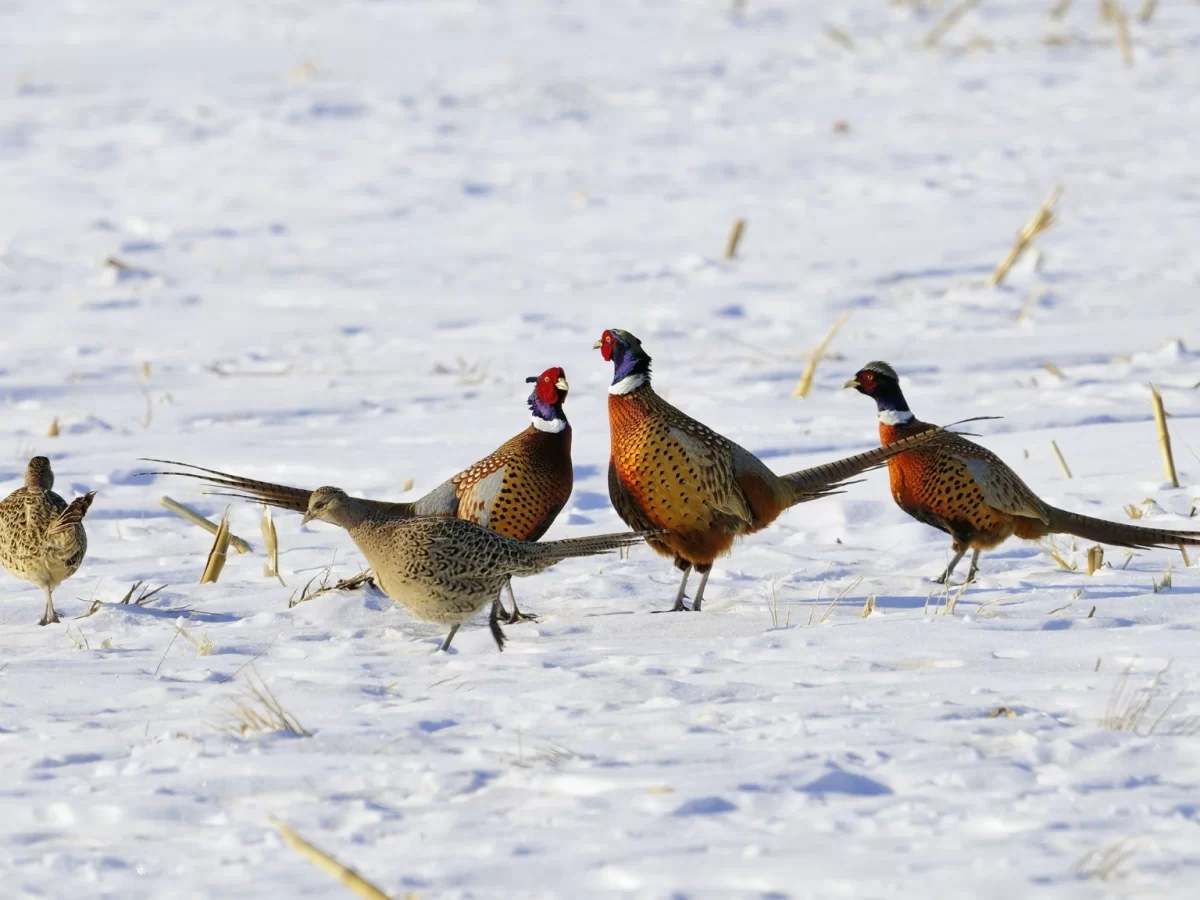
- Rich Birdlife: Expect to see a variety of Himalayan bird species, including the vibrant Himalayan Monal, the state bird of Himachal Pradesh. The sanctuary is home to pheasants, local bird species, and migratory birds that visit during specific seasons. Birdwatching enthusiasts will find plenty of opportunities to observe these beautiful creatures in their natural habitat.
- Serene Natural Surroundings: The pheasantry is located in a peaceful, green environment, offering breathtaking views of the surrounding mountains and valleys. Visitors can enjoy walking through the lush trails, surrounded by pine and oak forests, creating a perfect backdrop for nature lovers and photographers.
- Quiet and Peaceful Atmosphere: Unlike many popular tourist destinations, the Bird Pheasantry offers a tranquil atmosphere, where you can enjoy the sounds of nature, from bird songs to the rustling of leaves. The calm and serene environment makes it an ideal spot for relaxation, meditation, or simply connecting with nature.
- Educational Experience: The pheasantry offers valuable educational insights into bird conservation and the importance of preserving Himalayan wildlife. Visitors, particularly those interested in ornithology, can learn more about the various species and the efforts made to protect them.
- Photographic Opportunities: With its stunning landscapes, diverse birdlife, and unique views of the Himalayan range, the Bird Pheasantry provides an excellent opportunity for photography. Whether you are capturing birds in flight or the scenic beauty of the surrounding area, there are plenty of chances to take memorable photos.
- Easy Access Trails: The walking trails within the pheasantry are well-maintained and suitable for all types of visitors. Whether you're a casual visitor or a seasoned trekker, the paths offer easy access to the main areas where you can view the birds and enjoy the nature around you.
Important Visitor Information
- Crowd & Weather Notes: The Bird Pheasantry tends to be less crowded compared to other popular tourist destinations in Himachal Pradesh, making it an ideal location for a peaceful visit. However, weekends and public holidays may see increased foot traffic. The weather is generally cool and pleasant, but temperatures can drop during winter months, especially in the mornings and evenings. It’s best to visit during the spring or autumn seasons when the weather is mild and the bird activity is at its peak.
- Peak / Quiet Hours: Early morning hours, around 6:00 AM to 9:00 AM, tend to be the busiest, with visitors arriving for birdwatching and photography. If you prefer a quieter experience, it's best to visit in the afternoon, from 2:00 PM to 4:00 PM, when the crowds tend to thin out. Weekdays are also less crowded than weekends.
- Dress Code: While there is no strict dress code, it’s advisable to wear comfortable clothing and sturdy shoes suitable for walking on natural trails. Since temperatures can fluctuate, especially in the early mornings and evenings, it’s recommended to bring a light jacket or sweater. Modest and respectful attire is encouraged, particularly in nature-based locations like the pheasantry.
- Safety Notes: The walking paths in the pheasantry are generally safe, but visitors should be cautious around uneven terrain and narrow trails. Ensure that you wear appropriate footwear to avoid slipping, particularly during the monsoon season when the ground can be wet and slippery. It is recommended to stay on the marked trails and avoid venturing off the designated areas. Keep a safe distance from the wildlife to avoid disturbing the birds or other animals.
Photography and Viewpoint
- Birdwatching & Photography: Bird Pheasantry offers exceptional opportunities for wildlife photography, especially for birdwatching enthusiasts. The sanctuary is home to several species of Himalayan pheasants, including the vibrant Himalayan Monal, which provides stunning photo opportunities. Early mornings are the best time for capturing birds in action, as they are most active during this time.
- Scenic Landscape Views: The pheasantry is situated amidst lush green forests with views of the surrounding Shivalik range, making it an ideal spot for landscape photography. The combination of the vibrant birdlife and the majestic mountain views provides a perfect setting for capturing the beauty of nature. The best viewpoints are found along the walking trails, which offer sweeping panoramas of the valley and hills.
- Golden Hour Photography: The golden hour—shortly after sunrise and before sunset—offers the best lighting for photography at the pheasantry. The soft, warm light enhances the natural beauty of the surroundings and adds a magical glow to the birds, forests, and distant mountains. If you're looking for the perfect shot, make sure to arrive early or stay until sunset to capture these moments.
- Wide-Angle Shots: The vast open spaces around the pheasantry provide excellent opportunities for wide-angle shots, capturing the expanse of the sanctuary, with the vibrant birds in the foreground. The rich greenery and the distant mountain peaks make for dramatic and visually captivating compositions.
- Photography Tips: For bird photography, it's recommended to bring a camera with a zoom lens to capture close-up shots of the birds without disturbing them. The pheasantry’s trails also offer opportunities for capturing wildlife, plant life, and the beauty of the natural surroundings. A tripod and binoculars will enhance your birdwatching experience and help in getting clearer shots.