Quick Facts About Bhimkali Temple
| Entry Fee | Free |
| Timings | 05:00 - 20:00 |
| Altitude (m) | 2300 |
| Ideal Visit Duration (hrs) | 2 |
| Best Time of Day | Morning |
| Crowd Level | High |
| Distance from Shimla (km) | 180 |
| Walking Difficulty | Easy |
| Parking Available | Yes |
| Last Mile Access | Walk |
| Suitable for Kids | Yes |
| Suitable for Seniors | Yes |
| Wheelchair Friendly | No |
Why Visit Bhimkali Temple
Why Visit
Bhimkali Temple is a spiritual and architectural masterpiece, making it a must-visit destination for both devotees and history enthusiasts. The temple’s religious significance, combined with its unique Pahari and Mughal architectural fusion, attracts visitors from all over. Located in the serene town of Sarahan, it offers a peaceful atmosphere, perfect for reflection and spiritual solace. Whether you're seeking blessings, exploring rich cultural heritage, or simply appreciating the scenic views, the temple provides a rewarding experience.
Atmosphere
The atmosphere around Bhimkali Temple is deeply spiritual and serene. Surrounded by the beautiful Shivalik range, the temple offers breathtaking views of the snow-capped peaks and lush green landscapes. The peaceful environment, combined with the sound of temple bells and hymns, creates an ideal setting for meditation and reflection. The calm and tranquil atmosphere is perfect for those seeking spiritual peace and a break from the fast-paced world.
What Makes it Special
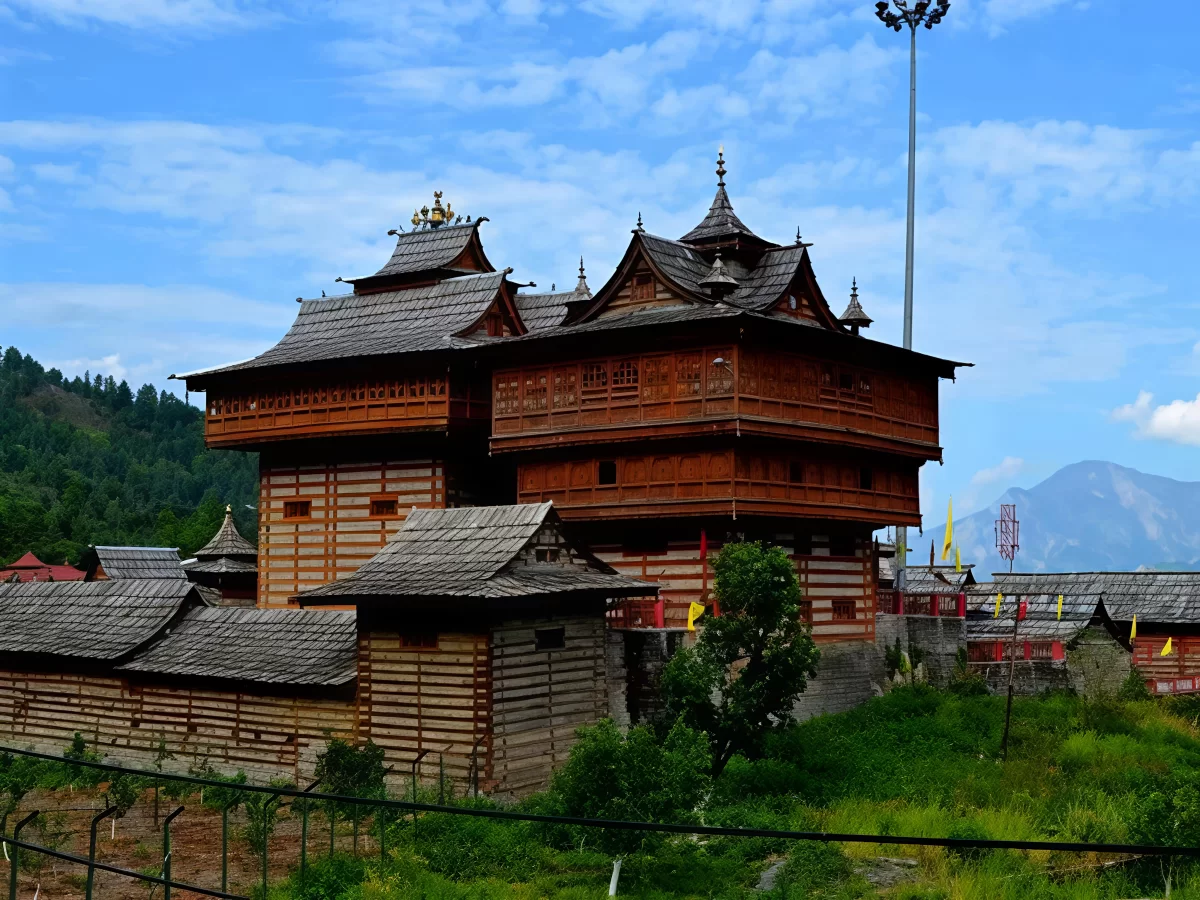
Bhimkali Temple is renowned for its unique architectural style, blending traditional Pahari and Mughal designs. The intricate wooden carvings, massive stone walls, and the gold-plated deity of Goddess Bhimakali make the temple stand out. It is also a key pilgrimage site, offering both religious and cultural significance. The view from the temple is equally mesmerizing, offering panoramic views of the lush valley and the majestic mountains, making it a favorite among photographers. The temple also stands as a symbol of the region’s rich heritage and its connection to local mythology and traditions.
History
Bhimkali Temple has a rich history that dates back to several centuries, with its origins rooted in the religious traditions of the region. The temple is believed to be an ancient structure that was originally established by the royal family of the former princely state of Chamba. Over the years, the temple has undergone several renovations and expansions, but it has always remained a central part of the spiritual life of the people in the area. Its distinctive architectural style showcases the traditional craftsmanship of the region and the temple’s continued relevance as a place of worship and cultural heritage.
Religious Significance
Bhimkali Temple holds immense religious importance for the people of Himachal Pradesh and beyond. Dedicated to Goddess Bhimakali, an incarnation of Goddess Durga, the temple is a major pilgrimage site for Hindus. It is believed that the goddess protects the region from evil forces and offers blessings to the devotees. The temple's religious significance is further heightened by its connection to local myths and legends, where it is often depicted as a powerful site for spiritual healing and divine intervention. Many visitors come to seek the goddess’s blessings for prosperity, health, and peace.
Best Time to Visit Bhimkali Temple
- Spring (March to May): Spring is one of the best times to visit Bhimkali Temple. The weather is pleasant, with clear skies and moderate temperatures, making it ideal for sightseeing and exploring the temple's surroundings. The temple is less crowded during this time, offering a peaceful experience for visitors.
- Summer (June to August): The summer months are also a good time to visit, though temperatures can rise, especially during midday. However, early mornings and evenings are still comfortable for sightseeing. Be prepared for occasional heat but enjoy the lush greenery around the temple.
- Monsoon (September to November): While the monsoon season brings refreshing rains, it can also make the paths slippery and challenging. It’s best to avoid visiting during the peak monsoon months, but if you enjoy the rains and the lush green landscape, this could be a quiet and unique experience.
- Winter (December to February): Winter brings cold weather and occasional snowfall, which adds a magical touch to the temple and its surroundings. If you enjoy winter landscapes and don’t mind the cold, visiting during this time offers a tranquil and picturesque experience, with fewer tourists and stunning views of the snow-capped mountains.
How to Reach Bhimkali Temple
- By Road: Bhimkali Temple is well-connected by road and can be accessed from major towns in Himachal Pradesh. The nearest city is Shimla, located about 180 km away. From Shimla, you can hire a taxi or take a bus to reach Sarahan. The drive to Sarahan is scenic, passing through lush forests and picturesque landscapes.
- By Bus: You can take a bus from Shimla or other nearby towns to Sarahan. The Himachal Road Transport Corporation (HRTC) operates regular bus services to Sarahan from Shimla. After reaching Sarahan, you can take a short walk or hire a local taxi to reach the temple.
- By Air: The nearest airport to Bhimkali Temple is the Jubbarhatti Airport near Shimla, about 160 km away. From the airport, you can take a taxi or bus to Sarahan. Alternatively, the Chandigarh International Airport (250 km away) is a major hub and offers more flight options.
- By Train: The nearest railway station is in Shimla, about 160 km from Sarahan. Shimla is connected to major cities by the Kalka-Shimla Railway. Once you reach Shimla, you can hire a taxi or take a bus to Sarahan.
What to Expect When You Visit Bhimkali Temple
- Majestic Architecture: Upon arriving at Bhimkali Temple, you’ll be amazed by its unique blend of Pahari and Mughal architectural styles. The intricate wooden carvings, detailed stonework, and grand temple structure make it a visual delight for architecture enthusiasts and photographers.
- Spiritual Atmosphere: The temple provides a deeply spiritual experience, with the constant sound of temple bells and the chanting of prayers creating a serene and peaceful environment. Visitors come here not only for the architecture but also for a moment of spiritual connection with Goddess Bhimakali.
- Stunning Views: From the temple, you can enjoy panoramic views of the surrounding Shivalik mountains, lush forests, and the beautiful valley below. The picturesque setting adds to the temple's appeal, making it an excellent spot for nature lovers and photographers.
- Rich Cultural Heritage: Bhimkali Temple is not only a place of worship but also a hub for cultural heritage. The rituals, festivals, and the history of the temple provide insight into the local traditions and the region's deep religious roots.
- Peaceful Surroundings: The temple is located in the tranquil town of Sarahan, away from the hustle and bustle of city life. Visitors can expect a peaceful retreat where they can reflect, relax, and enjoy the scenic beauty that surrounds the temple.
- Local Handicrafts: While visiting the temple, you may also come across local handicrafts and souvenirs that showcase the region’s artistic heritage. Many small shops near the temple sell traditional items that make for excellent mementos of your visit.
Important Visitor Information
- Crowd & Weather Notes: Bhimkali Temple can get quite busy during peak pilgrimage seasons, particularly during festivals like Dussehra and Navratri. The weather is generally cool, with pleasant temperatures in spring and autumn, making it an ideal time to visit. Summers can be warmer, and winters can be quite cold, especially in the evenings, with the possibility of snowfall.
- Peak / Quiet Hours: The temple is busiest during early mornings, especially around 7:00 AM to 9:00 AM when devotees gather for prayers. For a quieter visit, it's best to arrive in the afternoon or later in the evening when the crowds thin out. Visiting during weekdays, outside of major festivals, can also provide a more peaceful experience.
- Dress Code: While there is no strict dress code for visitors, it’s recommended to wear modest and respectful attire when entering the temple. For both men and women, covering the shoulders and knees is a sign of respect. Comfortable walking shoes are advised due to the terrain and steps leading to the temple.
- Safety Notes: Bhimkali Temple is located in the hilly region, and the terrain can be uneven. Be cautious while walking around the temple grounds, especially near the steps. The weather in winters can make the area slippery, so visitors should wear appropriate footwear. It is advisable to stay within the temple grounds and avoid wandering off the marked paths.
Photography and Viewpoint
- Perfect Photography Opportunities: Bhimkali Temple offers stunning photo opportunities, thanks to its unique architecture and breathtaking surroundings. The combination of intricate wooden carvings and stonework against the backdrop of the Shivalik mountains creates a mesmerizing contrast, perfect for capturing architectural details and scenic landscapes.
- Best Viewpoint: The temple’s elevated position provides a panoramic view of the Sarahan valley and the majestic Himalayan peaks. The best viewpoint is from the temple’s outer courtyard, where you can capture both the beauty of the temple and the expansive natural landscape. Early mornings and late afternoons offer the softest light for capturing the temple's silhouette against the sky.
- Golden Hour Magic: The golden hour, just after sunrise and before sunset, is the best time for photography at Bhimkali Temple. The warm, diffused light enhances the temple’s stunning features and creates beautiful shadows and reflections across the temple’s surroundings, adding an ethereal glow to your photos.
- Wildlife and Nature Photography: In addition to architectural photography, the surrounding natural landscape provides opportunities for wildlife and nature photography. The forested areas around the temple are home to various bird species and offer a peaceful setting for capturing the local flora and fauna. During the spring and summer months, the colorful flowers around the temple add a vibrant touch to your shots.
- Guided Photography Tours: Local guides offer specialized photography tours, giving you insider tips on how to capture the best angles and light at Bhimkali Temple. These tours can help you discover hidden gems in the area, such as lesser-known viewpoints and hidden corners within the temple grounds that are perfect for a unique shot.