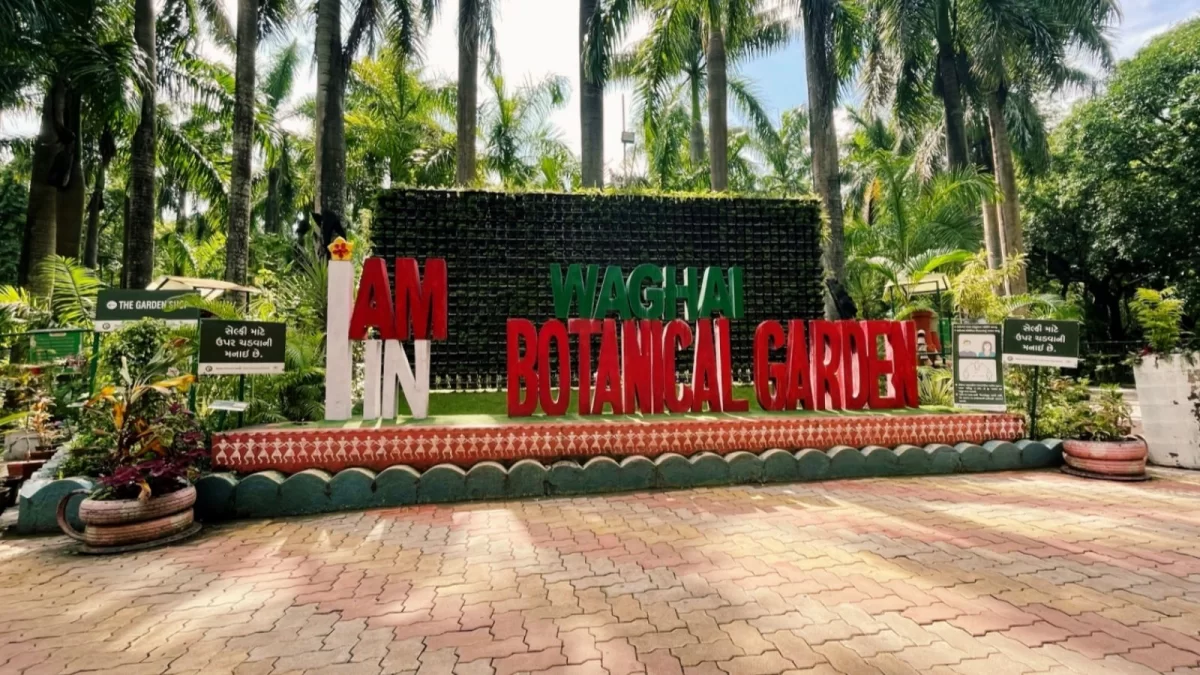
Waghai Botanical Garden, Waghai, Gujarat, India

Waghai Botanical Garden , Surat
Visitors come to explore its collection of native and exotic plant species, medicinal plants, bamboo varieties, and well-maintained landscaped sections. The garden serves as an important center for plant conservation, environmental education, and nature-based recreation in southern Gujarat.

Quick Facts About Waghai Botanical Garden

Waghai Botanical Garden Quick Facts

Entry Fee Generally 10 for adults and 5 for children; charges may be revised by the garden authorities.
Timings Typically open from 8:00 AM to 6:00 PM daily; some sources report closure on Tuesdays, so visitors should verify timings before arrival.
Altitude (m) Approximately 110 m above sea level
Ideal Visit Duration 1–3 hours
Best Time of Day Morning for pleasant weather and comfortable exploration of the extensive garden trails.
Crowd Level Low to moderate; busiest during weekends, holidays, and the post-monsoon tourist season.
Distance from City Centre (km) Approximately 3 km from Waghai town and 49 km from Saputara.
Walking Difficulty Easy to Moderate; the large garden area involves considerable walking on paved and natural pathways.
Parking Available Yes, parking facilities are available near the entrance.
Last Mile Access Direct road access via the Waghai–Saputara Road followed by a short walk into the botanical garden.
Suitable for Kids Yes; educational plant displays, bamboo sections, and open spaces make it family friendly.
Suitable for Seniors Yes; benches and resting areas are available throughout the garden.
Wheelchair Friendly Partially; major pathways are accessible, though some trails and garden sections may have uneven surfaces.

Why Visit Waghai Botanical Garden Gujarat

Visitors come to Waghai Botanical Garden to explore a diverse collection of native and exotic plant species while experiencing one of Gujarat’s prominent botanical conservation sites.

The atmosphere is peaceful and nature-focused, with landscaped pathways, dense greenery, and educational displays creating an enjoyable environment for leisurely walks and learning.

What makes Waghai Botanical Garden distinct is its extensive plant collection, emphasis on conservation and research, and its location in the lush Dang region, offering a different ecological experience from much of Gujarat.

History of Waghai Botanical Garden

Waghai Botanical Garden, located in the Dang district of Gujarat, was established by the Forest Department to conserve and showcase the rich plant diversity of southern Gujarat and the Western Ghats region. The garden was developed as a center for botanical conservation, environmental education, and scientific research.

Spread across a large area near Waghai, the garden houses a diverse collection of indigenous and exotic plant species, including medicinal plants, bamboo varieties, palms, orchids, and rare forest flora. Its creation reflects ongoing efforts to preserve the ecological heritage of the Dang forests, one of Gujarat's most biodiverse regions.

Today, Waghai Botanical Garden serves as an important educational and recreational destination, offering visitors an opportunity to learn about plant conservation while exploring the natural heritage of southern Gujarat.

Best Time to Visit Waghai Botanical Garden

Waghai Botanical Garden is best visited from October to March when the weather in the Dang district is pleasant and comfortable for exploring its diverse plant collections, forest landscapes, and nature trails.
  • Ideal months: October to March is the most favorable period to visit Waghai Botanical Garden, offering comfortable temperatures and excellent conditions for nature walks and botanical exploration.
  • Weather conditions during the best season: Cool mornings, pleasant afternoons, and lower humidity make it ideal for exploring the garden's extensive collection of native and exotic plant species, bamboo groves, medicinal plants, and landscaped sections.
  • Periods to avoid: June to September brings heavy monsoon rainfall to the Dang region, which can make pathways slippery and affect outdoor exploration. April and May can be warm and humid, though the dense greenery provides some natural shade for visitors.

How to Reach Waghai Botanical Garden

  • Nearest Airport: Surat International Airport, located approximately 125 km from Waghai Botanical Garden, is the nearest airport. Visitors can continue the journey by road through Vyara and Ahwa.
  • Nearest Railway Station: Waghai Railway Station, about 2 km away, is the nearest railway station and is connected to Bilimora via the heritage narrow-gauge railway line.
  • Road Access and Last-Mile Connectivity: Waghai Botanical Garden is situated near Waghai town in the Dang district of Gujarat and is easily accessible by road from Surat, Saputara, Ahwa, and Vyara. Private vehicles, taxis, and state-run buses provide convenient access to the garden. The final approach is fully motorable, with parking available near the entrance. Well-maintained walking paths inside the garden allow visitors to explore the various plant collections and landscaped sections comfortably.

What to Expect When You Visit Waghai Botanical Garden

  • Environment and Surroundings: Waghai Botanical Garden is a large botanical reserve in the Dang district of Gujarat, surrounded by forested landscapes and rich biodiversity. Visitors can expect a peaceful natural environment featuring diverse plant species, tree collections, medicinal plants, bamboo groves, and shaded walking trails.
  • Facilities and Amenities: Basic visitor facilities such as parking areas, walking paths, seating spaces, information boards, and rest areas are available within the garden. Food outlets and extensive tourist services are limited and are generally found outside the garden premises.
  • Accessibility and Movement: The garden is accessible by road from Waghai and nearby towns. Visitors can comfortably explore the grounds on foot through well-maintained pathways that pass through different botanical sections and plant collections.
  • Visitor Conditions: Most visitors come for nature walks, plant observation, photography, and educational visits. The garden attracts families, students, and nature enthusiasts, with visitor numbers typically increasing during weekends, holidays, and the cooler months of the year. Mosquitoes and insects may be present during and after the monsoon season.

Important Visitor Information for Waghai Botanical Garden

  • Waghai Botanical Garden experiences the highest visitor numbers during weekends, public holidays, and the pleasant travel season from October to March.
  • Morning hours generally offer a quieter experience, comfortable temperatures, and the best conditions for exploring the garden's diverse plant collections.
  • Monsoon and post-monsoon months bring lush greenery and vibrant vegetation, though pathways may become damp or slippery after rainfall.
  • No specific dress code applies, but comfortable clothing, walking footwear, and insect protection are recommended for exploring the extensive garden grounds.
  • Visitors should remain on designated pathways, avoid damaging plant specimens, refrain from littering, and follow garden regulations designed to protect the botanical collections.

Photography and Viewpoints at Waghai Botanical Garden

  • The best photographs are captured along the garden's nature trails, where diverse plant collections, towering trees, bamboo groves, and landscaped sections create rich botanical compositions.
  • Early morning provides soft natural light, cooler temperatures, and ideal conditions for photographing flowers, foliage, and the garden's extensive collection of native and exotic plant species.
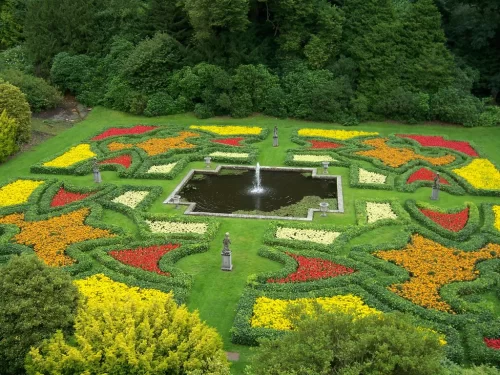
  • The themed sections of the garden, including bamboo plantations, palm collections, medicinal plants, and ornamental landscapes, offer varied photography opportunities throughout the year.
  • Macro photography is particularly rewarding, with colorful flowers, leaves, insects, and plant textures providing excellent close-up subjects.
  • The dense greenery and forest-like environment create naturally diffused lighting conditions that help preserve color and detail in nature photography.
  • Photography is generally permitted throughout the public areas of the garden, but visitors should avoid entering restricted research sections or damaging plants while taking photographs.
  • Monsoon and post-monsoon months are especially photogenic, with lush vegetation, vibrant colors, and seasonal blooms enhancing the garden's visual appeal.

Near By Attraction

Dutch Garden Garden

Dutch Garden

Dutch Garden is a historic landscaped garden located along the banks of the Tapi River in Surat, Gujarat, known for its colonial-era mausoleums and European architectural influences.

Gira Waterfall Waterfall

Gira Waterfall

Gira Waterfall is a seasonal waterfall on the Ambika River located near Waghai in the Dang district of Gujarat.

Frequently Asked Questions About Waghai Botanical Garden

Loved this place ? Let’s Plan Your Gujarat Trip

Get customized Gujarat tour planning designed around seasonal climate conditions, long-distance road travel flow, festival timing, and realistic pacing across regions. Whether you are visiting for heritage sites, desert experiences, coastal retreats, wild

⚡ Quick Response | 💰 Free consultation | 🕒 24×7 expert support

×

Plan Your Trip