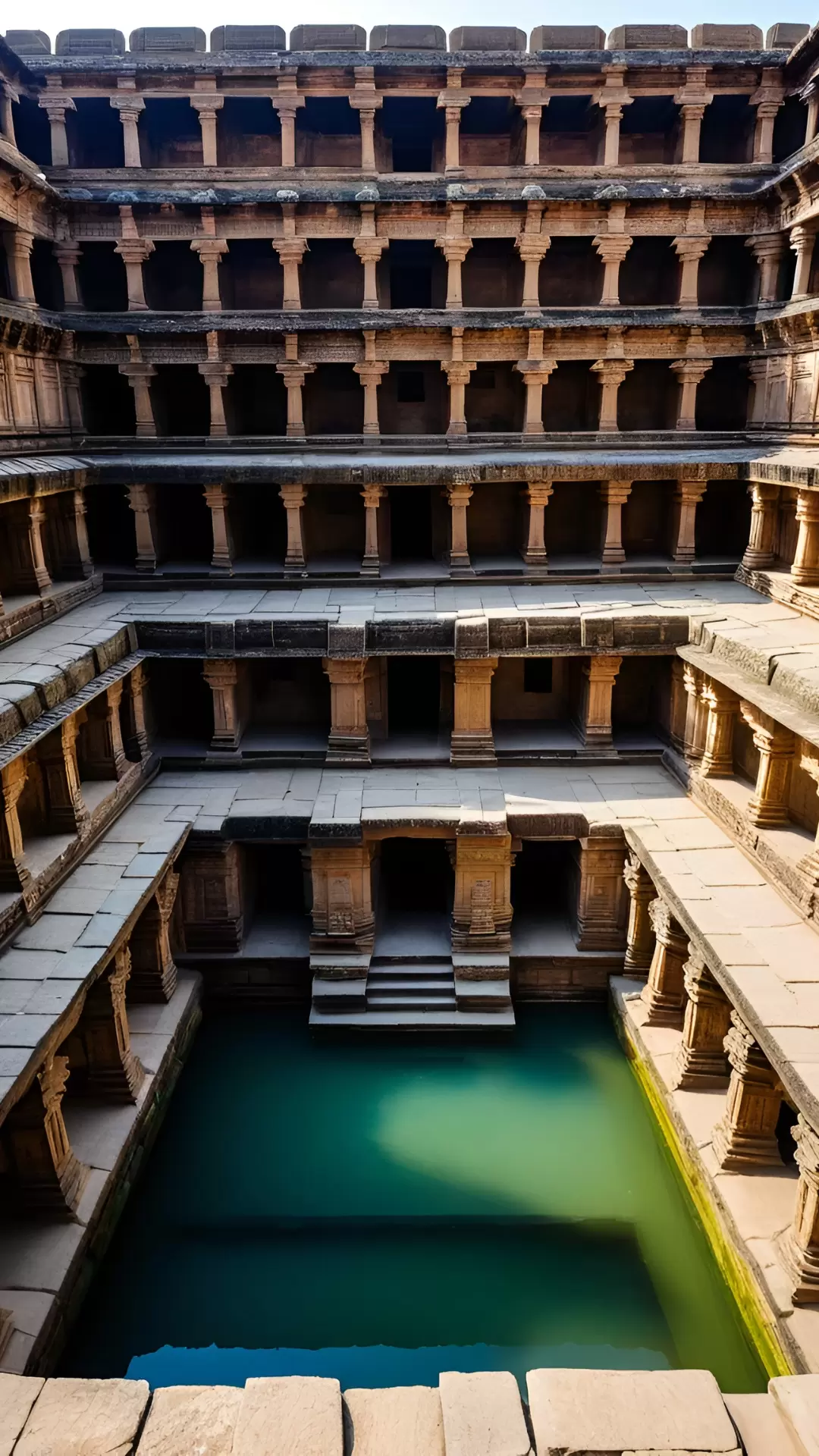
Rani Ki Vav, Patan, Gujarat, India

Rani Ki Vav , Surat
Built in the 11th century during the Solanki dynasty, Rani Ki Vav is renowned for its intricate stone carvings, multi-level architecture, and historical significance. Visitors come to explore one of India\'s finest stepwells and appreciate its exceptional craftsmanship and cultural heritage.

Quick Facts About Rani Ki Vav

Rani Ki Vav, Patan Quick Facts

Entry Fee Indian citizens: ?40; Foreign nationals: ?600 (ASI rates; subject to revision).
Timings 8:00 AM–6:00 PM, open daily.
Altitude (m) Approximately 76 m
Ideal Visit Duration 1–2 hours
Best Time of Day Early morning or late afternoon for comfortable temperatures and softer light for photography.
Crowd Level Moderate on weekdays; high during weekends, public holidays, and the winter tourist season.
Distance from City Centre (km) Approximately 3 km from Patan city centre.
Walking Difficulty Easy; paved pathways and stone steps within the monument require normal walking.
Parking Available Yes, parking is available near the entrance.
Last Mile Access Accessible by motorable road, followed by a short walk from the parking area to the entrance.
Suitable for Kids Yes
Suitable for Seniors Yes; however, caution is advised while using the stone steps inside the stepwell.
Wheelchair Friendly Partially; the entrance and surrounding gardens are accessible, but the stepwell levels are reached only by stairs.

Why Visit Rani ki Vav, Patan, Gujarat

Visitors come to Rani ki Vav to admire one of India's finest stepwells, recognized as a UNESCO World Heritage Site for its exceptional architecture and intricate stone carvings. It attracts history enthusiasts, architecture lovers, photographers, and travelers exploring the cultural heritage of Gujarat.

The atmosphere is calm and well-maintained, with visitors descending through multiple levels of the stepwell to view beautifully sculpted pillars, galleries, and thousands of carved figures. The spacious layout allows time to appreciate the craftsmanship from different angles.

What makes Rani ki Vav distinct is its inverted temple-like design, where every level reveals elaborate sculptures dedicated to Hindu deities and mythological themes. Its remarkable preservation, artistic detail, and engineering make it one of the most outstanding stepwells in India and a highlight of any visit to Patan.

History of Rani Ki Vav, Patan, Gujarat

Rani Ki Vav is an 11th-century stepwell located in Patan, Gujarat. It was commissioned by Queen Udayamati in memory of her husband, King Bhima I of the Chaulukya (Solanki) dynasty. Built along the banks of the Saraswati River, the monument is regarded as one of the finest examples of stepwell architecture in India.

Over time, flooding from the Saraswati River buried much of the structure beneath silt, which helped preserve its intricate stone carvings for centuries. Archaeological excavations by the Archaeological Survey of India (ASI) later revealed the stepwell in remarkable condition, showcasing hundreds of sculptures depicting Hindu deities, celestial beings, and ornamental motifs.

Recognized for its outstanding architectural and historical significance, Rani Ki Vav was inscribed as a UNESCO World Heritage Site in 2014. Today, it is one of Gujarat's most celebrated heritage monuments, attracting visitors interested in medieval Indian architecture, engineering, and art.

Best Time to Visit Rani Ki Vav, Patan, Gujarat

The best time to visit Rani Ki Vav is from October to March, when the weather is pleasant for exploring this UNESCO World Heritage Site and appreciating its intricate stone carvings. Morning and late afternoon visits are especially comfortable and offer favorable lighting for sightseeing and photography.
  • Ideal months: October to March, when temperatures are suitable for walking around the stepwell and its landscaped surroundings.
  • Best season conditions: Cool to mild weather allows visitors to comfortably explore the multiple levels of the stepwell and view its detailed sculptures without the intense summer heat.
  • Periods to avoid: April to June, when daytime temperatures in Patan can become very high, making outdoor exploration less comfortable. The monsoon season (July to September) is generally greener but occasional rainfall may interrupt sightseeing.

How to Reach Rani ki Vav, Patan, Gujarat

  • Nearest Airport: The nearest airport is Sardar Vallabhbhai Patel International Airport, Ahmedabad, approximately 125 km from Rani ki Vav. Taxis and buses are available from Ahmedabad for the onward journey to Patan.
  • Nearest Railway Station: Patan Railway Station, about 3 km away, is the nearest railhead with connections to Ahmedabad and other cities in Gujarat. Mehsana Junction, around 55 km away, offers broader rail connectivity.
  • By Road: Rani ki Vav is located in Patan city and is well connected by road via State Highway 7 and other major routes from Ahmedabad, Mehsana, Modhera, and Gandhinagar. State-run and private buses operate regular services to Patan, while taxis are readily available. The stepwell is accessible by a short walk from the parking area, with paved pathways leading to the monument. The site remains open throughout the year, though visiting during the cooler months is more comfortable.

What to Expect When You Visit Rani Ki Vav, Patan, Gujarat

  • Rani Ki Vav is a UNESCO World Heritage Site known for its intricately carved stepwell architecture. Visitors can expect well-maintained gardens, stone pathways, and an organized archaeological complex.
  • The stepwell descends through multiple levels lined with detailed sculptures depicting Hindu deities, mythological figures, and ornamental designs. Most visitors spend time exploring the carvings from designated walkways and viewing platforms.
  • The site is easily accessible from the entrance via paved paths. Movement within the monument is generally straightforward, although access to certain lower sections may be restricted to help preserve the structure.
  • Facilities such as ticket counters, parking, drinking water, restrooms, landscaped seating areas, and information boards are available near the entrance. Small eateries and shops are located outside the monument complex.
  • The monument is protected by the Archaeological Survey of India. Visitors are expected to follow heritage conservation rules, avoid touching or climbing on the carvings, and dispose of waste responsibly.
  • Photography for personal use is generally permitted in open areas, making the monument a popular destination for architectural and heritage photography. Tripods or commercial photography may require prior permission.
  • The site receives higher visitor numbers during weekends, public holidays, and the cooler months from October to March. Visiting early in the morning usually offers a more comfortable experience.
  • Much of the visit takes place in open sunlight with limited shade. Carrying drinking water, wearing comfortable footwear, and using sun protection is advisable, particularly during the summer season.

Important Visitor Information for Rani ki Vav, Patan, Gujarat

  • Crowd and weather: Rani ki Vav is busiest during weekends, public holidays, and the winter tourist season (October to February). Summers in Patan are extremely hot, making outdoor exploration less comfortable during midday.
  • Peak and quiet visiting hours: Early morning, soon after the monument opens, is generally the best time to visit for pleasant temperatures and fewer visitors. Late mornings and afternoons usually see higher tourist numbers, especially during winter.
  • Dress code: There is no mandatory dress code. Visitors are advised to wear comfortable clothing, a hat or cap, and suitable walking footwear, as the visit involves exploring stone pathways and steps in an open archaeological site.
  • Safety and practical cautions: Rani ki Vav is a protected UNESCO World Heritage Site. Climbing on sculptures or restricted areas is prohibited. Exercise caution on the stone steps, particularly after rain, as they may become slippery. Follow all instructions displayed by the Archaeological Survey of India (ASI) to help preserve the monument.

Photography and Viewpoints at Rani Ki Vav, Patan, Gujarat

  • The best photographs are captured from the upper viewing platform, which offers a complete perspective of the stepwell's seven levels, symmetrical design, and intricate sandstone carvings.
  • As visitors descend the stepped corridors, multiple vantage points reveal detailed sculptures, ornate pillars, and the geometric layout that make Rani Ki Vav a UNESCO World Heritage Site.
  • Morning light provides softer illumination for architectural details, while late afternoon enhances the depth and texture of the carved walls. Midday sunlight can create strong shadows within the lower levels.
  • Photography for personal use is generally permitted throughout the monument. The use of drones or commercial photography equipment requires prior permission from the Archaeological Survey of India (ASI).
  • The monument is busiest during weekends, public holidays, and the winter tourist season. Visiting soon after opening hours offers quieter conditions and better opportunities for unobstructed architectural photography.

Near By Attraction

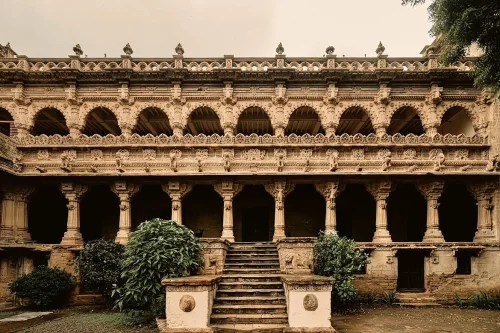
Navlakha Palace in Gondal featuring exquisite stone carvings, ornate arches, and a grand heritage architecture, perfect Gujarat tour package experience. Palace

Navlakha Palace

Naulakha Palace is a historic royal palace located in Gondal, Rajkot district, Gujarat, India.
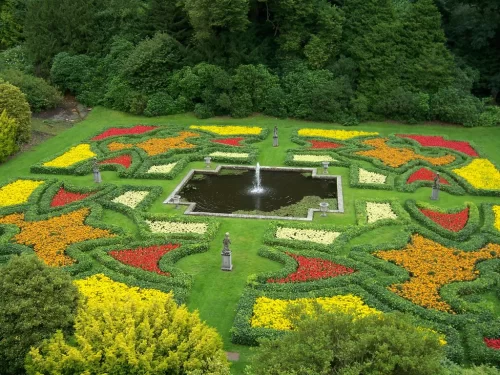
Dutch Garden Garden

Dutch Garden

Dutch Garden is a historic landscaped garden located along the banks of the Tapi River in Surat, Gujarat, known for its colonial-era mausoleums and European architectural influences.
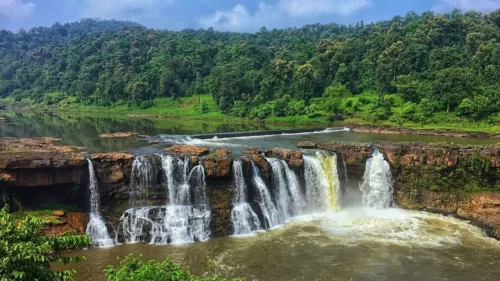
Gira Waterfall Waterfall

Gira Waterfall

Gira Waterfall is a seasonal waterfall on the Ambika River located near Waghai in the Dang district of Gujarat.

Frequently Asked Questions About Rani Ki Vav

This UNESCO World Heritage stepwell is admired for its extraordinary craftsmanship, intricate stone carvings, and remarkable engineering. Visitors come to explore its historical significance, appreciate the detailed sculptures, and experience one of the finest examples of stepwell architecture in India.
The most comfortable time to visit is from October to March when the weather is pleasant for walking and exploring the monument. Morning and late afternoon also provide softer light for photography and a more enjoyable sightseeing experience.
Most visitors spend one to two hours exploring the different levels, admiring the carvings, taking photographs, and reading the historical information available throughout the monument without feeling rushed.
An entry fee may apply according to the latest regulations. Visitors should check current ticket prices before travelling and carry a suitable payment method for admission, parking, or other visitor services.
Parking facilities are generally available near the entrance area. During weekends, holidays, and peak tourist seasons the parking area may become busy, so arriving earlier usually provides a smoother experience.
The monument is well connected by road and can be reached using buses, taxis, private vehicles, or other local transport options. The entrance is easily accessible from the nearby parking and drop off areas.
Yes the monument is suitable for families, children, and most senior citizens. Visitors should move carefully on stone steps, wear comfortable footwear, and allow extra time while exploring different levels.
Wheelchair accessibility is limited because the monument includes multiple levels connected by steep stone steps. Visitors requiring mobility assistance should travel with a companion whenever possible.
Photography is generally permitted and the monument offers outstanding opportunities to capture intricate carvings, architectural details, and historic stone structures. Visitors should follow any rules displayed by site authorities.
Comfortable footwear, drinking water, sunglasses, sunscreen, weather appropriate clothing, and a camera are recommended to make the sightseeing experience more comfortable and enjoyable.
Avoid climbing on protected carvings, littering, ignoring safety barriers, rushing through the monument, or visiting during the hottest part of the day without carrying enough drinking water.

Loved this place ? Let’s Plan Your Gujarat Trip

Get customized Gujarat tour planning designed around seasonal climate conditions, long-distance road travel flow, festival timing, and realistic pacing across regions. Whether you are visiting for heritage sites, desert experiences, coastal retreats, wild

⚑ Quick Response | πŸ’° Free consultation | πŸ•’ 24Γ—7 expert support

×

Plan Your Trip