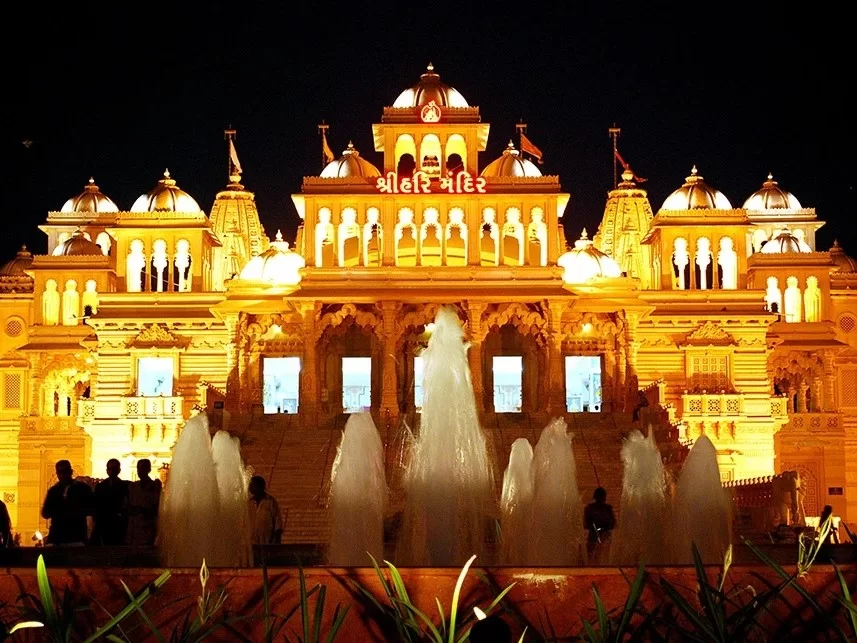
Shree Hari Temple, Porbandar, Gujarat, India

Shree Hari Temple , Porbandar
Tourists visit the temple for its calm worship space, daily prayers, and traditional temple architecture. It is often included in Porbandar sightseeing along with nearby coastal attractions and other religious sites.

Quick Facts About Shree Hari Temple

Quick Facts About Shree Hari Temple

Entry Fee Free
Timings Open daily (usually morning to night; exact darshan timings may vary)
Altitude (m) Varies (depends on the temple’s exact location)
Ideal Visit Duration 30 minutes – 1 hour
Best Time of Day Morning or evening (aarti time)
Crowd Level Moderate (high during weekends and festivals)
Distance from City Centre (km) Varies (depends on which city Shree Hari Temple is located in)
Walking Difficulty Easy (short walk within temple premises)
Parking Available Limited (depends on temple location and local parking availability)
Last Mile Access Auto-rickshaw, taxi, and private vehicle access available
Suitable for Kids Yes
Suitable for Seniors Yes
Wheelchair Friendly Partially (depends on entry steps and temple layout)

Why Visit Shree Hari Temple, Porbandar

Shree Hari Temple in Porbandar is a peaceful religious site visited by devotees and tourists seeking a calm spiritual experience within the city. Visitors come here for darshan, prayer, and to experience the devotional atmosphere associated with Lord Vishnu and Swaminarayan-style worship. It is often included in Porbandar sightseeing because it offers a quiet temple visit away from crowded tourist spots.

Atmosphere

The atmosphere inside the temple is serene and devotional, with a clean, well-maintained setting that encourages peaceful prayer. The surroundings feel calm during normal hours, while morning and evening aarti times bring more devotees and create a more vibrant spiritual energy. Overall, the temple maintains a disciplined and respectful environment suitable for families and elderly visitors.

What Makes it Special

What makes Shree Hari Temple special is its simple yet spiritually strong presence in Porbandar, offering visitors a genuine local temple experience rather than a heavily commercialised religious attraction. The organised worship style, peaceful interiors, and devotional chants make it a comforting stop for travelers. For tourists, it stands out as a quiet place to pause, reflect, and experience Porbandar’s religious culture in a relaxed setting.

History of Shree Hari Temple, Porbandar

Shree Hari Temple in Porbandar is a well-known Hindu temple dedicated to Lord Vishnu (Shree Hari), reflecting the strong Vaishnav devotional tradition of Gujarat’s coastal region. The temple is recognized as an important local religious site, attracting devotees from Porbandar and nearby towns for regular worship and festival celebrations.

The temple is associated with the long-standing spiritual culture of Porbandar, a city historically influenced by Vaishnavism and temple-centered community life. Over time, Shree Hari Temple became a respected place for daily prayers, religious discourses, and devotional gatherings, especially during major Hindu festivals.

Today, Shree Hari Temple continues to hold significance as a prominent spiritual landmark in Porbandar. It remains closely connected to the city’s religious identity, offering visitors a calm temple experience rooted in traditional worship practices of the region.

Best Time to Visit Shree Hari Temple

Shree Hari Temple is best visited during the cooler months when the weather is comfortable for darshan and peaceful time inside the temple premises. Since temple visits often involve walking, standing in queues, and spending time during aarti hours, winter and post-monsoon seasons provide the most pleasant experience.
  • Ideal Months: October to March (best for a comfortable and relaxed temple visit).
  • Weather During Best Season: Pleasant temperatures with cooler mornings and evenings, making it ideal for attending aarti and spending time around the temple complex.
  • Periods to Avoid: April to June due to strong summer heat, which can make daytime temple visits uncomfortable, especially if crowds are present.

How to Reach Shree Hari Temple, Porbandar

  • Nearest Airport: The nearest airport is Porbandar Airport, located around 5–8 km from Shree Hari Temple. The airport has limited flight connectivity, so travellers from major cities may also consider flying to Rajkot International Airport and continuing by road.
  • Nearest Railway Station: The nearest railway station is Porbandar Railway Station, located around 2–4 km from the temple. The station is well-connected with major Gujarat routes and is the most convenient rail entry point for visitors.
  • Road Access & Last-Mile Connectivity: Shree Hari Temple is located within Porbandar city and is easily accessible by road through local city routes. Tourists can reach the temple using auto-rickshaws, taxis, private vehicles, and local transport. The last-mile connectivity is smooth, and the temple is commonly known among local drivers, making navigation easy.
  • Travel Conditions to Note: The temple area can become crowded during evening aarti timings and major festivals. Parking is generally available nearby, but during peak religious days it may be limited, so visiting during morning hours is recommended for a peaceful darshan.

What to Expect When You Visit Shree Hari Temple

  • Traditional Hindu temple environment: Expect a peaceful religious atmosphere with regular prayers, bell sounds, incense fragrance, and devotees visiting for darshan throughout the day.
  • Clean and devotional surroundings: The temple premises are usually maintained with basic cleanliness, and visitors generally follow discipline, removing footwear before entering the main prayer area.
  • Darshan-focused visit: The main experience is centered around darshan and worship. Visitors usually spend time offering prayers, lighting diyas, and doing a short parikrama if space is available.
  • Limited modern facilities: Do not expect tourist-style facilities like food courts, large seating lounges, or guided tours. Amenities are usually limited to basic washrooms, drinking water, and small resting areas.
  • Crowd conditions depend on timings: The temple may feel quiet during mid-day hours but can become crowded during morning and evening aarti, weekends, and religious festivals.
  • Dress and behavior expectations: Modest clothing is expected. Visitors should maintain respectful behavior, avoid loud talking, and follow temple rules regarding photography and mobile phone usage.
  • Accessibility inside the temple: The temple area is usually easy to walk around, but older sections may have steps or narrow entryways which can be slightly difficult for seniors or wheelchair users.
  • Prasad and offerings: Prasad distribution may happen during specific hours or special occasions. Nearby stalls may sell flowers, coconuts, and ???? items for offerings.
  • Photography restrictions: Photography may be restricted inside the main sanctum area. Visitors should check before taking photos, especially near idols and prayer halls.
  • Visit duration: Most visitors spend 20 to 45 minutes, unless attending aarti or special ???? rituals which can extend the visit.

Important Visitor Information for Shree Hari Temple, Madhavpur

  • Crowd & Weather Notes: Shree Hari Temple in Madhavpur is a peaceful religious site, but it receives higher footfall during winter tourist season and during the Madhavpur Mela, when pilgrims and visitors arrive in large numbers. The temple atmosphere is most comfortable from October to February, while summer afternoons can be hot and humid due to the coastal climate.
  • Peak Visiting Hours: The busiest time is usually during morning and evening darshan hours, especially on weekends and festival days. Crowd levels rise significantly during major Vaishnav festivals and temple-related celebrations.
  • Quiet Visiting Hours: Weekday late mornings and early afternoons are usually calm, offering a more peaceful darshan experience with minimal waiting.
  • Dress Code (If Applicable): Modest traditional clothing is strongly preferred. Visitors should avoid shorts, sleeveless outfits, and revealing attire. Footwear must be removed before entering the temple premises.
  • Safety & Practical Cautions: During festival days and mela periods, the temple area can become heavily crowded, so keep personal belongings secure and stay alert with children and senior family members. The temple flooring may become slippery during rainy weather, so walk carefully near entry points. Photography may be restricted in inner prayer areas, so confirm before taking pictures.

Photography and Viewpoints at Shree Hari Temple, Porbandar

  • Best viewpoint for the temple exterior: The most photogenic shot is from the main entrance approach, where the full temple façade and entrance arch can be captured in a clean, symmetrical frame.
  • Most iconic photography spot: The front courtyard area is ideal for wide-angle photos, especially when the temple structure, pillars, and decorative elements are visible together in one composition.
  • Best time of day for lighting: Morning hours (7 AM to 9:30 AM) offer soft natural light and fewer visitors, making it the best time for clear exterior photos and calm temple surroundings.
  • Evening photography advantage: Late afternoon (4:30 PM to 6:30 PM) provides warm light on the temple exterior, and evening prayer hours create a devotional atmosphere suitable for ambience-focused shots.
  • Interior photography restrictions: Photography inside the main sanctum area is usually restricted. Visitors may be allowed to take photos only in outer halls or courtyard spaces, depending on temple management rules.
  • Flash and videography rules: Flash photography is generally discouraged inside prayer halls, and videography during aarti or bhajan sessions may not be permitted to maintain religious discipline.
  • Best photography subjects: The temple’s carved pillars, entrance decorations, religious sculptures, and devotional spaces are the best subjects, especially when captured with natural lighting.
  • Crowd factors affecting photography: The temple gets busier during weekends, festivals, and evening aarti time, which can limit clean shots near the entrance and inner corridors.
  • Best crowd-free photography window: Weekday mornings after opening hours are best for quiet photography and unobstructed frames around the temple premises.
  • Drone and professional shoot rules: Drone photography is generally not allowed around temple premises without official permission, and professional shoots may require prior approval from temple authorities.

Near By Attraction

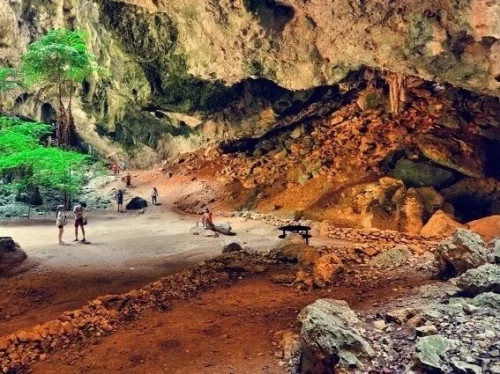
Jambuvan Caves Gujarat, ancient mythological cave linked to Ramayana, historic pilgrimage and tourist attraction in India. Cave

Jambuvan Caves

Jambuvan Caves are ancient rock-cut caves located near Ranavav in Porbandar district, Gujarat.
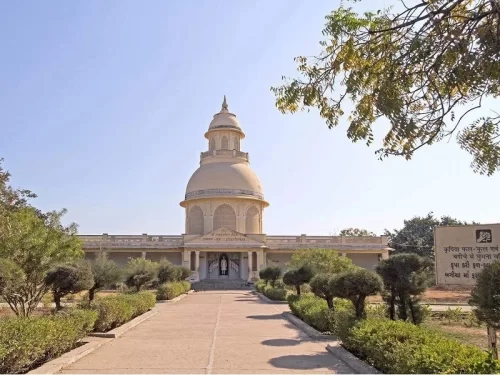
Tara Mandir Planetarium Porbandar, iconic dome-shaped science attraction showcasing astronomy shows, popular educational tourist spot in Gujarat. Observatory

Planetarium - Tara Mandir

Tara Mandir Planetarium is a public planetarium in Porbandar that hosts astronomy shows and educational sky-related presentations.
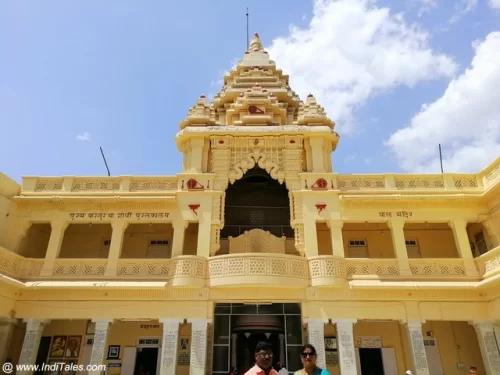
Kirti Mandir Porbandar, birthplace of Mahatma Gandhi, historic memorial temple and prominent heritage attraction in Gujarat. Temple

Kirti Mandir , Porbandar

Kirti Mandir is a memorial temple in Porbandar built at the birthplace of Mahatma Gandhi.

Frequently Asked Questions About Shree Hari Temple

Shree Hari Temple is located in Bhuj city in the Kutch district of Gujarat. It stands along the Bhuj–Mirzapar road and is easily accessible by road.
Shree Hari Temple is a Swaminarayan temple dedicated to Lord Narayan and is known for its large marble structure and spiritual gatherings. It serves as a religious center for devotees in the Kutch region.
Shree Hari Temple is generally open daily from morning to evening with scheduled darshan and prayer breaks. Timings may vary during festivals and special events.
There is no entry fee to visit Shree Hari Temple. Devotees can enter the temple premises without charge.
A visit to Shree Hari Temple typically takes around 45 minutes to 1.5 hours depending on prayer time and time spent exploring the temple complex.
Shree Hari Temple can be reached by auto-rickshaw, taxi, or private vehicle within Bhuj city. Bhuj is connected by rail and has a domestic airport.
Photography inside Shree Hari Temple may be restricted in the main sanctum area. Visitors should follow temple guidelines regarding cameras and mobile phones.
The best time to visit Shree Hari Temple is from October to March when the weather in the Kutch region remains relatively comfortable. Morning and evening visits are preferred.
Aarti timings are conducted multiple times daily at Shree Hari Temple. Devotees can check the temple notice board or official sources for exact schedules.
Facilities at Shree Hari Temple include parking, restrooms, seating areas, and drinking water. Additional amenities are available in Bhuj city.

Loved this place ? Let’s Plan Your Gujarat Trip

Get customized Gujarat tour planning designed around seasonal climate conditions, long-distance road travel flow, festival timing, and realistic pacing across regions. Whether you are visiting for heritage sites, desert experiences, coastal retreats, wild

⚡ Quick Response | 💰 Free consultation | 🕒 24×7 expert support

×

Plan Your Trip