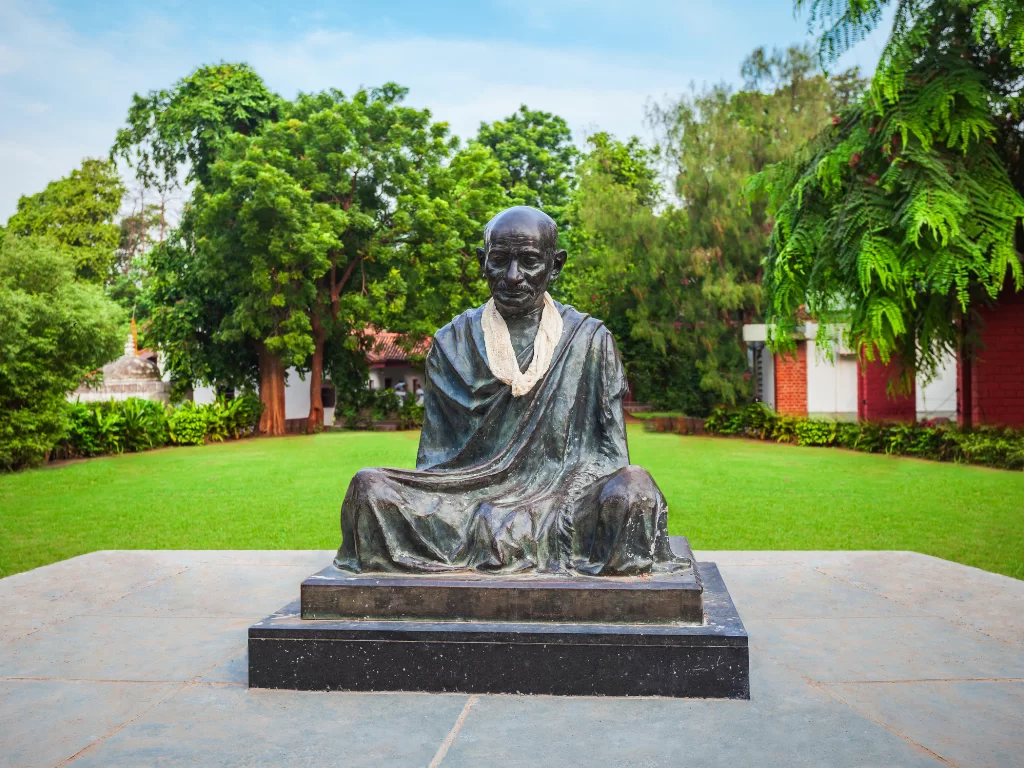
Sabarmati Ashram, Ahmedabad, Gujarat, India

Sabarmati Ashram , Ahmedabad
Tourists visit the ashram to explore the former residence of Mahatma Gandhi, view exhibits on his life and the Indian independence movement, and experience the peaceful surroundings. It is a key heritage and educational site in Ahmedabad.

Quick Facts About Sabarmati Ashram

Quick Facts About Sabarmati Ashram, Ahmedabad

Entry Fee Free
Timings Open daily (usually 8:00 AM – 6:00 PM)
Altitude (m) Approx. 53 m
Ideal Visit Duration 1 – 2 hours
Best Time of Day Morning or late afternoon
Crowd Level Moderate (busier on weekends and public holidays)
Distance from City Centre (km) Located in central Ahmedabad
Walking Difficulty Easy (mostly flat pathways within the ashram)
Parking Available Yes (limited parking near the ashram entrance)
Last Mile Access Auto-rickshaw, taxi, private vehicle, and public transport available
Suitable for Kids Yes (educational and historical experience)
Suitable for Seniors Yes (gentle walking, seating available)
Wheelchair Friendly Partially (main areas accessible; some sections may have steps)

Why Visit Sabarmati Ashram, Ahmedabad

Sabarmati Ashram in Ahmedabad is a historic site attracting visitors interested in India’s independence movement and Mahatma Gandhi’s life. Tourists come here to explore Gandhi’s residence, personal artifacts, and exhibitions showcasing his philosophy and leadership. It is a key stop for history enthusiasts, students, and travelers seeking cultural and educational experiences.

The atmosphere at Sabarmati Ashram is peaceful and reflective, with well-maintained gardens, simple architecture, and informative displays. Visitors can walk through the ashram, observe the living quarters, and spend time contemplating Gandhi’s teachings. The serene environment provides a calm and immersive experience away from the bustling city.

What makes Sabarmati Ashram special is its direct association with Mahatma Gandhi and its role in India’s freedom struggle. The ashram preserves historical artifacts and offers educational insights into Gandhi’s life, work, and philosophy. For travelers, it is both a culturally significant and spiritually inspiring destination in Ahmedabad.

History of Sabarmati Ashram, Ahmedabad

Sabarmati Ashram, also known as Gandhi Ashram, is a historic site located on the banks of the Sabarmati River in Ahmedabad, Gujarat. Established in 1917, it served as the residence and headquarters of Mahatma Gandhi during India’s struggle for independence.

The ashram was a hub for the Indian freedom movement and the launching point of the iconic Dandi March in 1930. It played a key role in promoting Gandhi’s principles of non-violence, self-reliance, and social reform, hosting workshops, educational activities, and community initiatives.

Today, Sabarmati Ashram is a major heritage and cultural landmark in Ahmedabad. Visitors come to explore Gandhi’s living quarters, museum exhibits, and the ashram’s serene surroundings, gaining insight into his life, philosophy, and India’s independence history.

Best Time to Visit Sabarmati Ashram, Ahmedabad

Sabarmati Ashram in Ahmedabad is best visited during the cooler months when the weather is comfortable for exploring the ashram premises, walking along the river, and learning about Mahatma Gandhi’s life and legacy. Pleasant conditions enhance sightseeing, photography, and the overall spiritual and historical experience.
  • Ideal Months: October to February (best for heritage visits, walking tours, and photography).
  • Weather During Best Season: Mild daytime temperatures with low humidity, ideal for walking around the ashram, exploring exhibits, and spending time in the serene surroundings.
  • Periods to Avoid: April to June due to intense summer heat, which can make outdoor exploration tiring, and July to September during monsoon when occasional rains may affect accessibility.

How to Reach Sabarmati Ashram, Ahmedabad

  • Nearest Airport: The nearest airport is Sardar Vallabhbhai Patel International Airport, Ahmedabad, located around 15–16 km from Sabarmati Ashram. From the airport, tourists can hire a taxi or app-based cab via SG Highway and Ashram Road to reach the ashram.
  • Nearest Railway Station: The nearest railway station is Ahmedabad Junction Railway Station, approximately 5–6 km from Sabarmati Ashram. It is well-connected to major cities like Mumbai, Delhi, and Jaipur.
  • Road Access & Last-Mile Connectivity: The ashram is easily accessible via Ashram Road and city streets. Private vehicles, taxis, auto-rickshaws, and city buses provide convenient last-mile connectivity. Parking is available nearby for visitors.
  • Travel Conditions to Note: The ashram area can get crowded during weekends, public holidays, and school trips. Early morning visits are recommended for a peaceful experience and better photography. Roads are generally in good condition, and mobile connectivity is stable in the area.

What to Expect When You Visit Sabarmati Ashram, Ahmedabad

  • Historic and spiritual environment: Expect the former residence of Mahatma Gandhi along the Sabarmati River, featuring simple huts, Gandhi’s living quarters, and a museum showcasing his life and work.
  • Peaceful and contemplative atmosphere: The ashram offers a calm setting for reflection, learning, and photography, with visitors moving quietly through the grounds and exhibits.
  • Walking and exploration: Visitors can stroll along pathways connecting the ashram’s various sections, including the prayer grounds, library, and museum halls. Comfortable footwear is recommended for moderate walking.
  • Educational exhibits: The museum displays photographs, letters, artifacts, and multimedia presentations documenting Gandhi’s life, social movements, and philosophies.
  • Facilities and amenities: Basic amenities include restrooms, seating areas, drinking water, and small informational kiosks. Food stalls or cafés are generally outside the ashram grounds.
  • Photography opportunities: Photography is allowed in most areas, including the ashram grounds and outer museum spaces. Flash or tripod use may be restricted in certain exhibition areas.
  • Accessibility considerations: Most pathways are flat and accessible, though some older sections may include steps. Wheelchair users and seniors can navigate most areas with care.
  • Visitor behavior: Quiet and respectful conduct is expected. Visitors typically spend time exploring huts, reading exhibits, and observing historical displays.
  • Crowd conditions: The ashram is moderately visited, with higher footfall on weekends, holidays, and during educational group visits. Early mornings are generally quieter.
  • Visit duration: Most visitors spend 1 to 2 hours exploring the ashram, museum exhibits, and gardens, depending on interest in Gandhi’s life and historical context.

Important Visitor Information for Sabarmati Ashram, Ahmedabad

  • Crowd & Weather Notes: Sabarmati Ashram is a historic and cultural site in Ahmedabad, attracting tourists, students, and history enthusiasts year-round. Winter months (October to February) are the most comfortable for visiting. Summers can be hot and humid, while monsoon rains may make outdoor courtyards and pathways slippery.
  • Peak Visiting Hours: The ashram is busiest during late morning to early afternoon (10:00 AM to 1:00 PM) and late afternoon (4:00 PM to 6:30 PM), especially on weekends, public holidays, and during guided tours or school visits.
  • Quiet Visiting Hours: Early mornings soon after opening (9:00 AM to 10:30 AM) and weekday afternoons are generally quieter, providing a peaceful environment for exploring exhibits, walking through the ashram grounds, and photography.
  • Dress Code (If Applicable): Modest clothing is recommended out of respect for the historical and spiritual nature of the site. Comfortable casual attire and walking shoes are advisable for navigating the ashram and surrounding gardens.
  • Safety & Practical Cautions: Visitors should stay on designated pathways and avoid touching historical artefacts unless permitted. Supervise children closely. Photography is allowed in most areas, but confirm restrictions in specific galleries. Carry water and sun protection during summer visits and walk carefully on wet surfaces during monsoon.

Photography and Viewpoints at Sabarmati Ashram, Ahmedabad

  • Best viewpoint for wide ashram shots: The main entrance and central courtyard provide a clear, symmetrical view of Sabarmati Ashram, capturing the whitewashed buildings, gardens, and pathways in a wide-angle frame.
  • Most photogenic spot: Elevated side terraces and pathways along the river-facing side allow photographers to frame the ashram with the Sabarmati River in the background, adding depth and context.
  • Best time of day for natural lighting: Early morning (7 AM to 9 AM) offers soft, diffused sunlight, ideal for capturing the ashram’s architecture and gardens without harsh shadows or glare.
  • Golden hour advantage: Late afternoon (4 PM to 6 PM) casts warm light on the buildings and pathways, enhancing textures and creating visually striking exterior shots.
  • Midday lighting conditions: Between 11 AM and 3 PM, harsh sunlight can flatten architectural details and produce glare on whitewashed surfaces, making morning or late afternoon preferable.
  • Best photography subjects: Ashram buildings, Gandhi’s living quarters, exhibition areas, landscaped gardens, pathways, and river views are ideal for wide-angle and detailed shots.
  • Interior photography restrictions: Photography inside the living quarters, exhibitions, and prayer halls may be restricted. Flash is generally prohibited to preserve artifacts and maintain decorum.
  • Crowd factors affecting photography: Weekends, public holidays, and guided tours attract more visitors, limiting unobstructed shots of the courtyard and interiors.
  • Best crowd-free photography window: Weekday mornings are ideal for capturing the ashram and its surroundings without visitors in the frame.
  • Drone and professional shoot rules: Drone photography and commercial filming require prior permission from Ashram authorities to ensure safety, heritage protection, and respect for visitors.

Near By Attraction

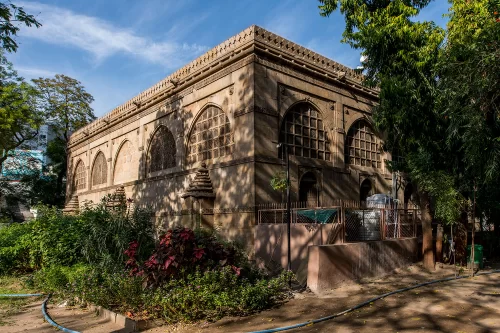
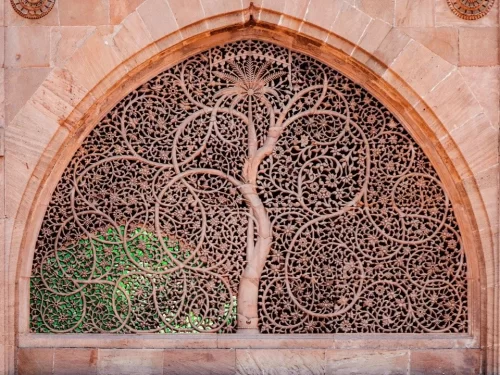
Sidi Saiyyad Masjid, iconic 16th-century mosque in Ahmedabad famous for its intricate stone lattice windows and the legendary Tree of Life carving. Mosque

Sidi Saiyyed Masjid

Sidi Saiyyed Masjid is a historic mosque in Ahmedabad, Gujarat, famous for its intricately carved stone latticework.

Auto World Vintage Car Museum, renowned automobile museum in Ahmedabad showcasing rare vintage cars, classic automobiles, and royal heritage vehicles. Museum

Auto World Vintage Car Museum

Auto World Vintage Car Museum is a museum in Ahmedabad showcasing a collection of vintage and classic automobiles.

Hutheesing Jain Temple at Ahmedabad during evening, featuring ornate shikharas and illuminated facade, perfect cultural Gujarat tour package. Temple

Hutheesing Jain Temple

Hutheesing Jain Temple is a historic Jain temple located in Ahmedabad, Gujarat, dedicated to Lord Dharmnath.

Frequently Asked Questions About Sabarmati Ashram

Sabarmati Ashram Gujarat is located on the banks of the Sabarmati River in Ahmedabad city. The ashram lies in the Sabarmati area and is accessible by road from central Ahmedabad.
There is no entry fee to visit Sabarmati Ashram Gujarat. Visitors can enter the ashram premises free of charge.
Sabarmati Ashram Gujarat is generally open daily from morning to evening. Timings may vary on national holidays.
A visit to Sabarmati Ashram Gujarat typically takes 1.5 to 2 hours depending on time spent in the museum galleries and walking through the grounds.
Sabarmati Ashram Gujarat is known as the former residence of Mahatma Gandhi and for its exhibits on India’s freedom movement.
Sabarmati Ashram Gujarat is approximately 5 to 6 kilometers from Ahmedabad Railway Station. Travel time by car usually ranges between 20 to 30 minutes depending on traffic.
Photography is generally allowed in outdoor areas of Sabarmati Ashram Gujarat. Restrictions may apply inside certain museum sections.
Parking facilities are available near Sabarmati Ashram Gujarat within designated parking areas close to the entrance.
Sabarmati Ashram Gujarat provides museum galleries, landscaped grounds, a bookshop, drinking water facilities, and basic visitor amenities.
Sabarmati Ashram Gujarat is suitable for families interested in history and educational visits. The visit involves light walking across the ashram grounds.

Loved this place ? Let’s Plan Your Gujarat Trip

Get customized Gujarat tour planning designed around seasonal climate conditions, long-distance road travel flow, festival timing, and realistic pacing across regions. Whether you are visiting for heritage sites, desert experiences, coastal retreats, wild

⚡ Quick Response | 💰 Free consultation | 🕒 24×7 expert support

×

Plan Your Trip