Quick Facts About Sidi Saiyyed Masjid
| Entry Fee | Free |
| Timings | 09:00 - 18:00 |
| Altitude (m) | 53 |
| Ideal Visit Duration (hrs) | 1 |
| Best Time of Day | Morning |
| Crowd Level | Moderate |
| Walking Difficulty | Easy |
| Parking Available | No |
| Last Mile Access | Road |
| Suitable for Kids | Yes |
| Suitable for Seniors | Yes |
| Wheelchair Friendly | No |
Why Visit Sidi Saiyyed Masjid, Ahmedabad
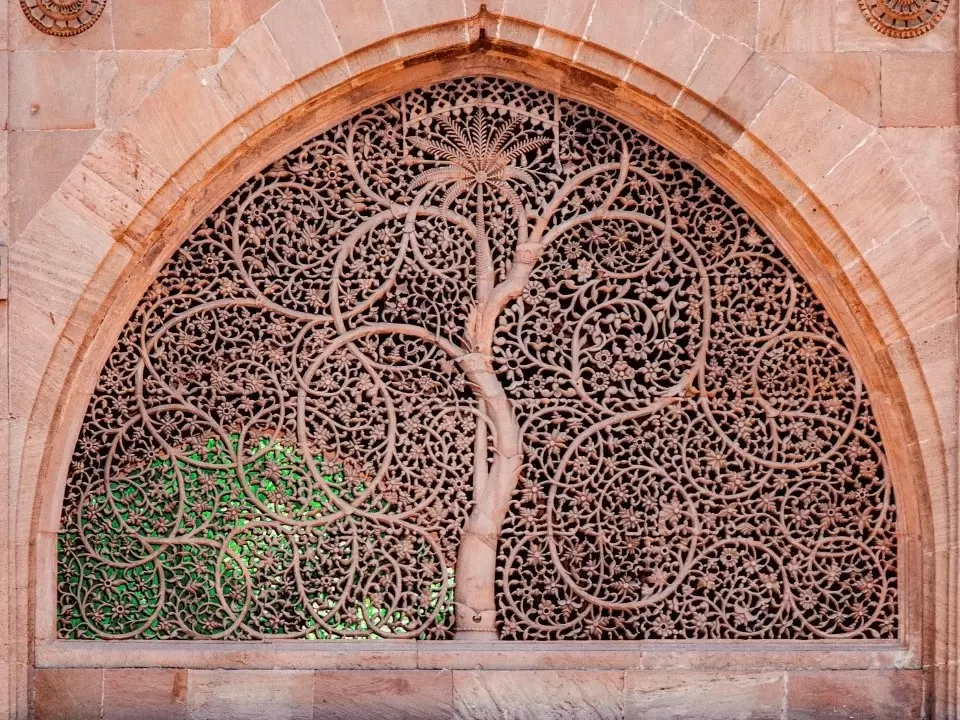
Sidi Saiyyed Masjid in Ahmedabad is a historic mosque attracting visitors for its architectural beauty and cultural significance. Tourists come here to admire the intricately carved stone latticework, especially the famous “Sidi Saiyyed Jali,” and to experience the spiritual ambiance of one of the city’s iconic Islamic monuments. It is a key stop for travelers exploring Ahmedabad’s heritage.
The atmosphere at Sidi Saiyyed Masjid is peaceful and contemplative, with quiet courtyards and the delicate interplay of light through the stone lattice creating a serene environment. Visitors can walk around the mosque, study the detailed carvings, and capture photographs of its unique architectural features. The site remains calm, allowing for reflective exploration.
What makes Sidi Saiyyed Masjid special is its exquisite craftsmanship, historical significance, and iconic jali work that represents Indo-Islamic architectural excellence. The mosque offers travelers a glimpse into the artistry and cultural heritage of Ahmedabad. For visitors, it provides both a visually striking and culturally enriching experience.
History of Sidi Saiyyed Masjid, Ahmedabad
Sidi Saiyyed Masjid in Ahmedabad, Gujarat, is a historic mosque built in 1573 by Sidi Saiyyed, an Abyssinian architect in the court of Sultan Ahmed Shah II. It is renowned for its exquisite stone lattice work, particularly the iconic “Sidi Saiyyed Jali,” which has become a symbol of Ahmedabad.
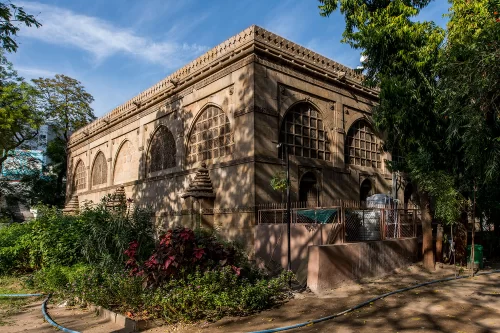
The mosque was constructed during the Gujarat Sultanate period and reflects Indo-Islamic architectural styles with intricate carvings, arched windows, and geometric patterns. Historically, it served as a place of worship and a community center for the city’s Muslim population.
Today, Sidi Saiyyed Masjid is a major heritage and tourist landmark in Ahmedabad. Visitors come to admire its iconic stone lattice work, explore its architectural elegance, and appreciate the historical and cultural significance of this 16th-century monument.
Best Time to Visit Sidi Saiyyed Masjid, Ahmedabad
Sidi Saiyyed Masjid in Ahmedabad is best visited during the cooler months when the weather is comfortable for exploring the mosque, walking around the premises, and appreciating the intricate stone latticework. Pleasant conditions enhance sightseeing, photography, and heritage exploration.
- Ideal Months: October to February (best for heritage visits, walking, and photography).
- Weather During Best Season: Mild daytime temperatures with low humidity, ideal for walking around the mosque, observing the detailed architecture, and capturing photographs comfortably.
- Periods to Avoid: April to June due to intense summer heat, which can make outdoor exploration tiring, and July to September during monsoon when heavy rains may affect accessibility and comfort.
How to Reach Sidi Saiyyed Masjid, Ahmedabad
- Nearest Airport: The nearest airport is Sardar Vallabhbhai Patel International Airport, Ahmedabad, located around 11–12 km from Sidi Saiyyed Masjid. From the airport, tourists can hire a taxi or app-based cab via Ashram Road or Relief Road to reach the mosque.
- Nearest Railway Station: The nearest railway station is Ahmedabad Junction Railway Station, approximately 3–4 km from Sidi Saiyyed Masjid. It is well-connected to major cities like Mumbai, Delhi, Jaipur, and Vadodara.
- Road Access & Last-Mile Connectivity: Sidi Saiyyed Masjid is located in the old city area near Manek Chowk and is accessible via Relief Road and adjoining narrow streets. Private vehicles, taxis, and auto-rickshaws provide convenient last-mile connectivity. Walking from nearby parking areas is required due to narrow lanes.
- Travel Conditions to Note: The mosque area can get crowded during weekends, evenings, and festival seasons. Early morning visits are recommended for a peaceful experience and better photography. Roads in the old city are narrow and busy. Mobile connectivity is generally stable.
What to Expect When You Visit Sidi Saiyyed Masjid, Ahmedabad
- Historic mosque environment: Expect a 16th-century mosque renowned for its intricately carved stone lattice windows (jalis), reflecting Indo-Islamic architecture and craftsmanship.
- Peaceful and contemplative atmosphere: The mosque is generally calm, with visitors quietly admiring the architectural details and taking photographs. Minimal crowding is typical outside prayer times.
- Walking and exploration: Visitors can walk around the small courtyard and interior hall to observe the famous jalis. Comfortable footwear is recommended for navigating stone floors.
- Facilities and amenities: Basic amenities include limited seating and shaded areas. Restrooms and food facilities are generally found outside the mosque complex.
- Photography opportunities: The iconic “Tree of Life” jali and other carved windows provide excellent photography opportunities. Flash may be restricted inside the mosque.
- Accessibility considerations: Narrow corridors and stone steps may pose challenges for seniors, children, or wheelchair users.
- Visitor behavior: Quiet and respectful conduct is expected. Most visitors focus on photography, architectural appreciation, and learning about the mosque’s historical significance.
- Crowd conditions: Weekdays are generally quiet, while weekends and holidays may see moderate footfall of tourists and students.
- Historical and cultural significance: Sidi Saiyyed Masjid is one of Ahmedabad’s most important heritage sites, famed for its exquisite stone latticework and architectural elegance.
- Visit duration: Most visitors spend 20 to 45 minutes observing the mosque, photographing the jalis, and appreciating the craftsmanship and heritage.
Important Visitor Information for Sidi Saiyyed Masjid, Ahmedabad
- Crowd & Weather Notes: Sidi Saiyyed Masjid is a historic mosque famous for its intricate stone latticework, attracting tourists, history enthusiasts, and photographers year-round. Winter months (October to February) are the most comfortable for visiting. Summers can be hot and humid, and monsoon rains may make stone courtyards and surrounding streets slippery.
- Peak Visiting Hours: The mosque is busiest during morning and evening prayer hours (7:00 AM to 10:00 AM and 5:00 PM to 7:00 PM), particularly on Fridays, weekends, and public holidays.
- Quiet Visiting Hours: Mid-mornings on weekdays and early afternoons are generally quieter, ideal for photography and exploring the architectural details without crowds.
- Dress Code (If Applicable): Modest clothing is required. Visitors should cover shoulders and knees. Footwear must be removed before entering the mosque premises. Women may need to cover their heads with a scarf.
- Safety & Practical Cautions: Walk carefully on stone floors and steps, especially during or after rain. Supervise children closely. Photography is allowed, but avoid disrupting worshippers. Carry water and sun protection during summer visits.
Photography and Viewpoints at Sidi Saiyyed Masjid, Ahmedabad
- Best viewpoint for wide mosque shots: The front courtyard provides a clear, symmetrical view of Sidi Saiyyed Masjid, capturing its façade, arches, and iconic lattice windows (jalis) in a wide-angle frame.
- Most photogenic spot: Elevated corners and side pathways allow photographers to frame the intricate stone jalis and mosque façade, highlighting patterns and architectural details with depth and perspective.
- Best time of day for natural lighting: Early morning (7 AM to 9 AM) provides soft, diffused sunlight that illuminates the mosque façade and stone carvings evenly, ideal for exterior photography.
- Golden hour advantage: Late afternoon (4 PM to 6 PM) casts warm light across the mosque, enhancing textures, shadows, and producing visually striking photographs of the lattice work.
- Midday lighting conditions: Between 11 AM and 3 PM, strong sunlight can create harsh shadows on the façade and flatten delicate carvings, making early morning or late afternoon preferable.
- Best photography subjects: Stone jalis, arches, minarets, mosque façade, courtyard areas, and surrounding heritage structures are ideal for wide-angle and detailed close-up shots.
- Interior photography restrictions: Photography inside prayer halls may be restricted, particularly during prayers. Flash is usually prohibited to maintain sanctity and protect the stonework.
- Crowd factors affecting photography: Weekends, public holidays, and guided tours attract more visitors, limiting unobstructed shots around the mosque.
- Best crowd-free photography window: Weekday mornings offer the calmest environment for photographing the mosque exterior and permitted interior spaces without visitors in the frame.
- Drone and professional shoot rules: Drone photography and commercial filming require prior permission from mosque authorities and local administration to ensure safety, heritage protection, and minimal disturbance to visitors and worshippers.