+91 9910402252
admin@chalbanjare.com


| Entry Fee | Entry permit required for White Rann (Kutch Desert Wildlife Sanctuary area); fee varies by visitor type and vehicle |
|---|---|
| Timings | White Rann viewing area is generally open from morning to evening (night access depends on permit rules and Rann Utsav arrangements) |
| Altitude (m) | Approx. 0 to 15 m (low-lying salt marsh region) |
| Ideal Visit Duration | Half-day to full-day (longer if combining nearby villages and Rann Utsav tent stay) |
| Best Time of Day | Sunrise and sunset for the best salt desert visibility and lighting |
| Crowd Level | High during Rann Utsav season (November to February); moderate on weekdays outside peak festival dates |
| Distance from City Centre (km) | Approx. 85–90 km from Bhuj city centre (Dhordo White Rann entry zone) |
| Walking Difficulty | Easy (flat terrain, but walking on salt surface can be tiring in heat) |
| Parking Available | Yes (designated parking near the White Rann entry/viewing zone) |
| Last Mile Access | Access via road up to Dhordo/entry gate; internal movement may depend on official route and permit checkpoints |
| Suitable for Kids | Yes (requires supervision due to open desert exposure and long walking distances) |
| Suitable for Seniors | Yes (best with vehicle-based tour support due to long distances and limited shade) |
| Wheelchair Friendly | Limited (terrain is flat but salt surface is uneven and access depends on vehicle drop-off points) |
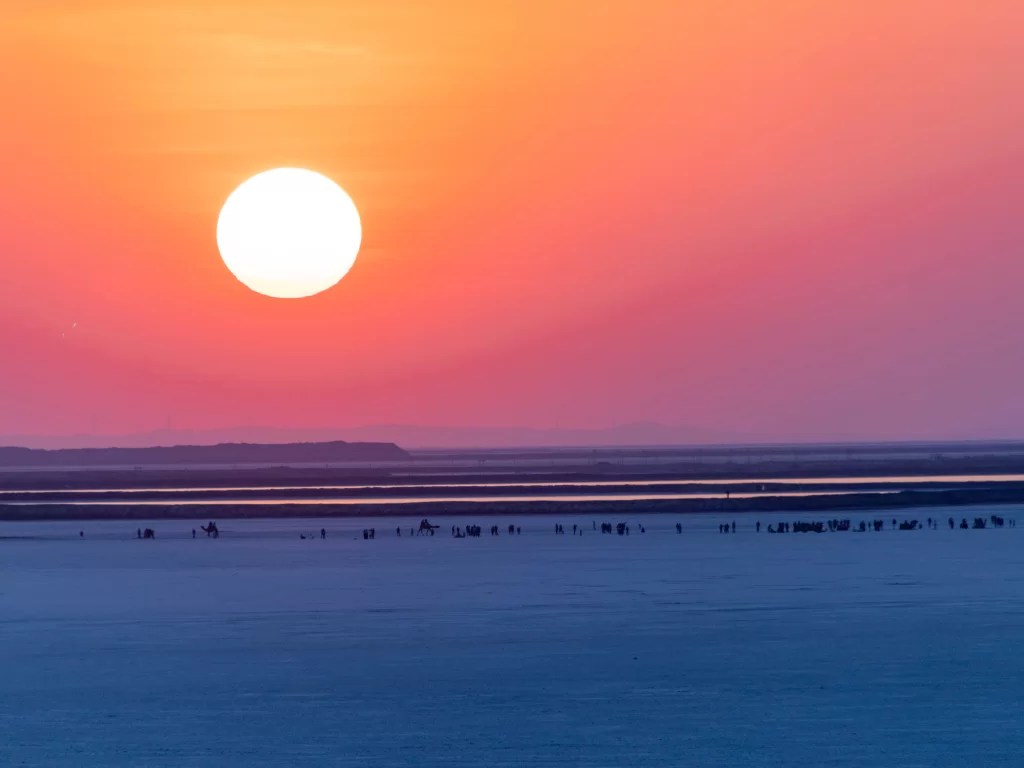
Visitors come to the Rann of Kutch to experience a vast white salt desert landscape that becomes accessible in the dry winter season. The open salt flats, long horizon views, and changing colors during sunrise and sunset make it one of Gujarat’s most distinctive natural travel destinations.
The on-ground atmosphere is wide, quiet, and exposed, with strong wind movement and minimal natural shade. During the peak season near Dhordo, the area becomes active with tourist vehicles, guided entry checkpoints, and cultural travel routes connecting nearby villages and Rann Utsav zones.
What makes the Rann of Kutch distinct is the scale of the salt desert, where the landscape appears almost flat and endless, creating a rare visual experience in India. The combination of seasonal access, desert-like openness, and cultural travel around Kutch villages gives visitors both scenery and regional identity in one trip.
The Rann of Kutch has long been known as a seasonal salt marsh that floods during the monsoon and dries into a wide salt desert in winter. Its unique geography has shaped the travel patterns and settlement life of the Kutch region, where communities traditionally adapted to extreme seasonal conditions.
In recent decades, the White Rann area near Dhordo gained national tourism importance due to organized seasonal access and the development of the Rann Utsav cultural festival, which brought structured visitor facilities and large-scale tourism to this remote landscape.
The Rann of Kutch is best visited during the winter season when the salt desert is dry, accessible, and visually at its clearest. Since the region becomes waterlogged during monsoon, seasonal timing is essential for tourists planning to visit the White Rann viewing zone and surrounding Kutch villages.
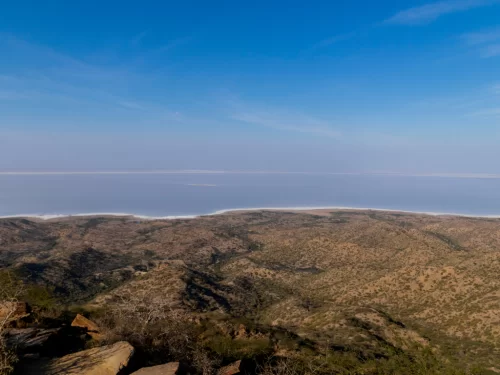 Viewpoint
Kalo Dungar is the highest point in the Kutch region, located near the India–Pakistan border area in Gujarat.
Get customized Gujarat tour planning designed around seasonal climate conditions, long-distance road travel flow, festival timing, and realistic pacing across regions. Whether you are visiting for heritage sites, desert experiences, coastal retreats, wild
⚡ Quick Response | 💰 Free consultation | 🕒 24×7 expert support

