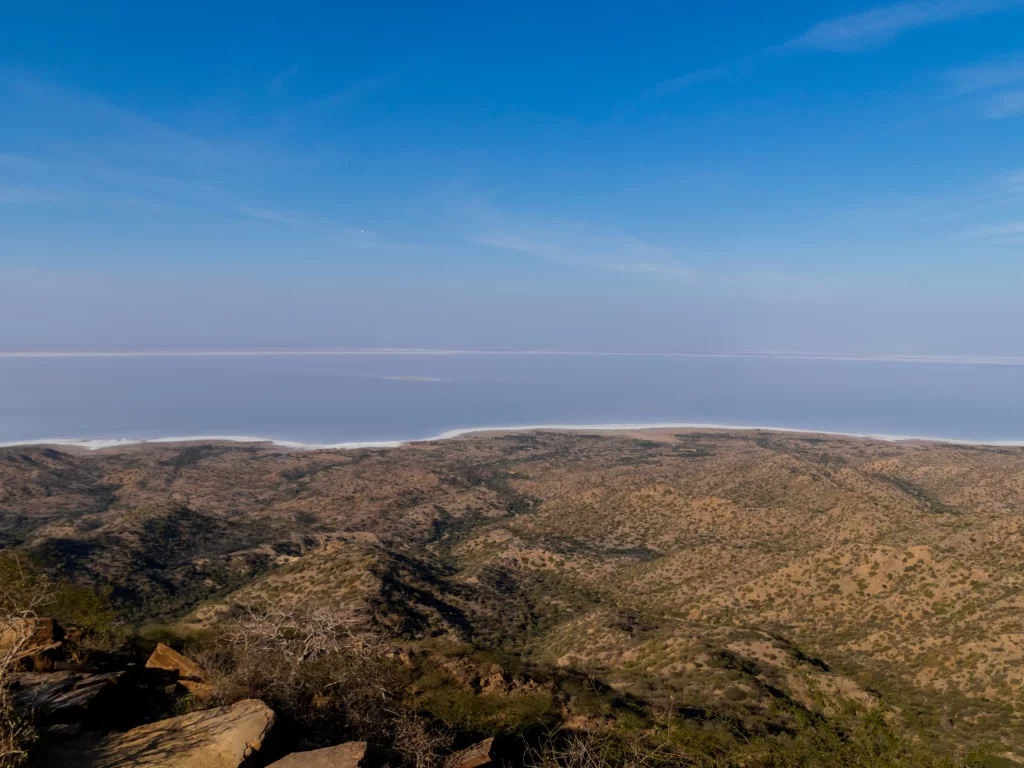
Kalo Dungar (Black Hill), Kutch, Gujarat, India

Kalo Dungar , Kutch
Tourists visit Kalo Dungar for its elevated viewpoints over the Great Rann of Kutch, especially during clear weather when the salt desert stretches visibly into the horizon. The site is known for sunset views, open hilltop landscapes, and the nearby Dattatreya Temple. It is often included in Rann Utsav travel routes.

Quick Facts About Kalo Dungar

Quick Facts About Kalo Dungar (Black Hill)

Entry Fee No entry fee (temple visit is free; local parking charges may apply)
Timings Open daily (daytime visit recommended; exact timings may vary as it is an open hill viewpoint)
Altitude (m) Approx. 458 m
Ideal Visit Duration 1 to 2 hours
Best Time of Day Late afternoon to sunset for clear views over the Great Rann of Kutch
Crowd Level Moderate to high during winter season and Rann Utsav months
Distance from City Centre (km) Approx. 80 km from Bhuj city centre
Walking Difficulty Easy (short walking near viewpoint and temple area)
Parking Available Yes (parking available near the main viewpoint/temple zone)
Last Mile Access Accessible by road up to the top; taxis and private vehicles commonly used
Suitable for Kids Yes (requires supervision near hill edges)
Suitable for Seniors Yes (minimal walking, but wind and uneven ground may be a factor)
Wheelchair Friendly Partially (vehicle access is possible, but terrain near viewpoints is uneven)

Why Visit Kalo Dungar (Black Hill)

Visitors come to Kalo Dungar because it is the highest point in the Kutch region and offers one of the clearest elevated views of the Great Rann of Kutch. The hilltop viewpoint is especially popular during winter trips to the Rann, when visibility is high and the salt desert stretches clearly across the horizon.

The on-ground atmosphere is open and windy, with wide landscapes, rocky terrain, and a steady flow of tourists arriving by car or taxi. The area around the viewpoint and the Dattatreya Temple is active but not crowded like a city attraction, with most visitors spending time at the edge viewpoints and then moving through the small temple zone.

What makes Kalo Dungar distinct is the combination of hilltop altitude and salt desert scenery, which is rare in Gujarat travel routes. Sunset views over the Rann and the dramatic contrast between the dark rocky hill and the white salt flats make it a standout stop for travelers exploring the Kutch circuit.

History of Kalo Dungar (Black Hill)

Kalo Dungar is known mainly as a natural high point of the Kutch region, but it is also closely associated with the Dattatreya Temple located on the hilltop. The temple has made the site a regular pilgrimage stop for local communities and travelers visiting the Rann of Kutch circuit.

The location is culturally significant because it is considered a sacred hill destination in Kutch, with visitors often combining viewpoint travel with temple darshan. Over time, the hill gained wider recognition as a tourist viewpoint due to its panoramic visibility over the Great Rann of Kutch.

Best Time to Visit Kalo Dungar (Black Hill)

Kalo Dungar is best visited during the winter season when the Great Rann of Kutch has clear visibility and the hilltop weather is comfortable for outdoor viewing. Since the site is exposed and windy, season strongly affects the quality of the viewpoint experience, especially around sunset.
  • Ideal months: October to March, especially November to February for the clearest Rann views.
  • Weather during the best season: Cool temperatures with strong hilltop winds, making the viewpoint comfortable during daytime and evenings.
  • Best visiting time in winter: Late afternoon to sunset for the most dramatic panoramic views over the Great Rann of Kutch.
  • Peak tourist period: December to February during Rann Utsav season, when visitor traffic is higher and parking can get crowded.
  • Period to avoid for comfort: April to June afternoons due to high heat, which makes hilltop travel tiring and reduces overall visit comfort.
  • Monsoon limitation: July to September can bring slippery roads, reduced visibility, and unpredictable wind conditions at the viewpoint.

How to Reach Kalo Dungar (Black Hill)

  • Nearest airport: Bhuj Airport (BHJ), approximately 80–90 km away; visitors typically hire taxis or use private vehicles for the hill route.
  • Nearest railway station: Bhuj Railway Station (BHJ), the main rail hub for Kutch and the most common arrival point for tourists visiting Kalo Dungar.
  • Road access: Kalo Dungar is reachable by road from Bhuj via Khavda village, with the route passing through key Rann tourism areas.
  • Last-mile connectivity: Private cars, taxis, and local tourist jeeps can go up to the hilltop parking area, followed by short walking to the viewpoint and temple.
  • Public transport limitation: Direct public buses to the hilltop are limited, so most travelers rely on pre-booked cabs or local tour vehicles from Bhuj.
  • Travel condition note: The final hill road section includes sharp turns and open stretches, and driving after dark is generally avoided due to low lighting and strong winds.

What to Expect When You Visit Kalo Dungar (Black Hill)

  • Environment and surroundings: A rocky hilltop landscape with wide open viewpoints overlooking the Great Rann of Kutch, with strong winds common throughout the day.
  • Main experience: Visitors usually spend time at the viewpoint edge for panoramic desert views and then walk to the nearby Dattatreya Temple area.
  • Accessibility and movement: The site is vehicle-accessible up to the hilltop parking zone, followed by short walking on uneven rocky ground near the viewpoints.
  • Facilities available: Basic amenities are limited; small stalls and local vendors may be present during peak season, but facilities are not comparable to city attractions.
  • Weather conditions on-site: The hilltop is noticeably cooler than surrounding areas in winter, and the wind can be sharp during evenings and sunset hours.
  • Typical visitor behavior: Most visitors come for sunset viewing, photography, and short temple darshan, making late afternoon the busiest period.
  • Time requirement: The visit is usually short and viewpoint-focused, with most travelers spending under two hours unless visiting during peak Rann tourism season.
  • Limitations to expect: Limited shade, uneven terrain near edges, and strong wind conditions can make the spot uncomfortable for long stays, especially for small children.
  • Network and services: Mobile network coverage may be inconsistent in certain stretches of the approach route, especially away from main villages.

Important Visitor Information for Kalo Dungar (Black Hill)

  • Crowd notes: Kalo Dungar sees the highest visitor traffic during the Rann Utsav season, especially on weekends and holidays when tour vehicles arrive in large numbers.
  • Peak visiting hours: Late afternoon to sunset is the busiest period, as most tourists come specifically for the hilltop view over the Great Rann of Kutch.
  • Quiet visiting hours: Morning hours on weekdays are usually less crowded and offer clearer movement around the viewpoint and temple area.
  • Weather conditions: The hilltop is extremely windy, and temperatures can feel colder than Bhuj and surrounding villages, especially after sunset in winter.
  • Monsoon caution: During rainy months, the hill road and rocky walking areas can become slippery, and visibility over the Rann may reduce significantly.
  • Dress expectation: Warm layers are strongly recommended in winter evenings due to sharp wind chill at the viewpoint.
  • Edge safety: Viewpoints are open and elevated, so visitors should avoid standing too close to cliff edges, especially during strong winds.
  • Travel limitation: Food and facility options are limited at the top, so long stays are not practical without planning.
  • Driving caution: The approach road has hill bends and limited lighting; return travel after dark can be difficult during peak tourist traffic.

Photography and Viewpoints at Kalo Dungar (Black Hill)

  • Main viewpoint: The hilltop edge viewpoints provide wide panoramic frames of the Great Rann of Kutch, making it one of the best elevated photography spots in the region.
  • Best photography angle: The open viewing platforms and roadside lookout points near the top allow clear horizon shots where the salt desert appears as a vast white stretch.
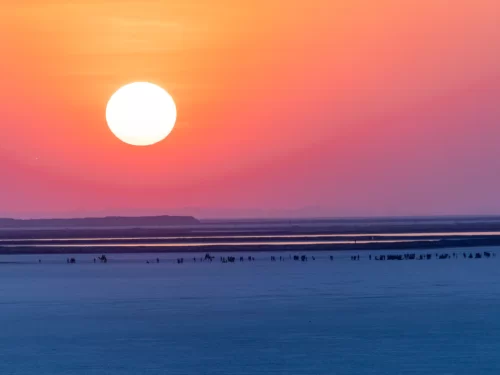
  • Sunset photography: Late afternoon to sunset is the most popular time, as the sun drops behind the Rann and creates strong silhouettes of the hill landscape and temple structures.
  • Morning visibility: Early morning offers cleaner skies and sharper long-distance visibility, which is ideal for wide-angle landscape captures before tourist crowds arrive.
  • Temple area shots: The Dattatreya Temple zone provides close-frame cultural photography, with hilltop background views adding depth to temple compositions.
  • Wind and dust factor: Strong winds are common and can affect camera stability and lens clarity, especially during dry months when dust movement increases.
  • Crowd impact: During Rann Utsav season, viewpoint areas get crowded near sunset, making uninterrupted landscape framing difficult without waiting.
  • Photography restrictions: Outdoor photography is generally allowed at the viewpoint; visitors should follow any local temple-specific guidelines if photographing near the shrine area.

Near By Attraction

Rann of Kutch sunset during golden hour, featuring silhouetted camels and tourists, orange-pink skies and vast white salt desert, perfect adventure experience with Gujarat tour packages. Desert

Rann of Kutch

The Rann of Kutch is a vast seasonal salt marsh located in the Kutch region of Gujarat, forming one of the largest salt deserts in the world.

Frequently Asked Questions About Kalo Dungar

Kalo Dungar in Gujarat is located in the Kutch district near the India–Pakistan border. It is situated about 40 kilometers from Dhordo village and around 90 kilometers from Bhuj.
Kalo Dungar in Gujarat is approximately 90 kilometers from Bhuj. The drive usually takes around 2 to 2.5 hours depending on road conditions.
Kalo Dungar in Gujarat stands at an altitude of about 462 meters above sea level. It is considered the highest point in the Kutch region.
A permit is generally required to visit Kalo Dungar in Gujarat as it falls under a restricted border area. Visitors can obtain the permit from authorized checkpoints or online portals.
The road to Kalo Dungar in Gujarat is mostly paved but includes hilly stretches and sharp turns near the summit. Driving cautiously is advised, especially during peak tourist season.
Kalo Dungar in Gujarat is usually accessible during monsoon, but visibility may be affected due to clouds and rain. Travelers should check weather conditions before planning the trip.
Most visitors spend about 30 to 60 minutes at Kalo Dungar in Gujarat. The stop typically includes enjoying panoramic views and visiting the nearby temple.
Kalo Dungar in Gujarat offers panoramic views of the Great Rann of Kutch. On clear days, the vast white salt desert can be seen stretching across the horizon.
Basic facilities such as limited parking and small refreshment stalls are available near Kalo Dungar in Gujarat. Amenities are minimal due to the remote location.
Visitors can reach Kalo Dungar in Gujarat by private vehicle or taxi from Bhuj or Dhordo. Public transport options are limited, so private transport is generally more convenient.

Loved this place ? Let’s Plan Your Gujarat Trip

Get customized Gujarat tour planning designed around seasonal climate conditions, long-distance road travel flow, festival timing, and realistic pacing across regions. Whether you are visiting for heritage sites, desert experiences, coastal retreats, wild

⚡ Quick Response | 💰 Free consultation | 🕒 24×7 expert support

×

Plan Your Trip