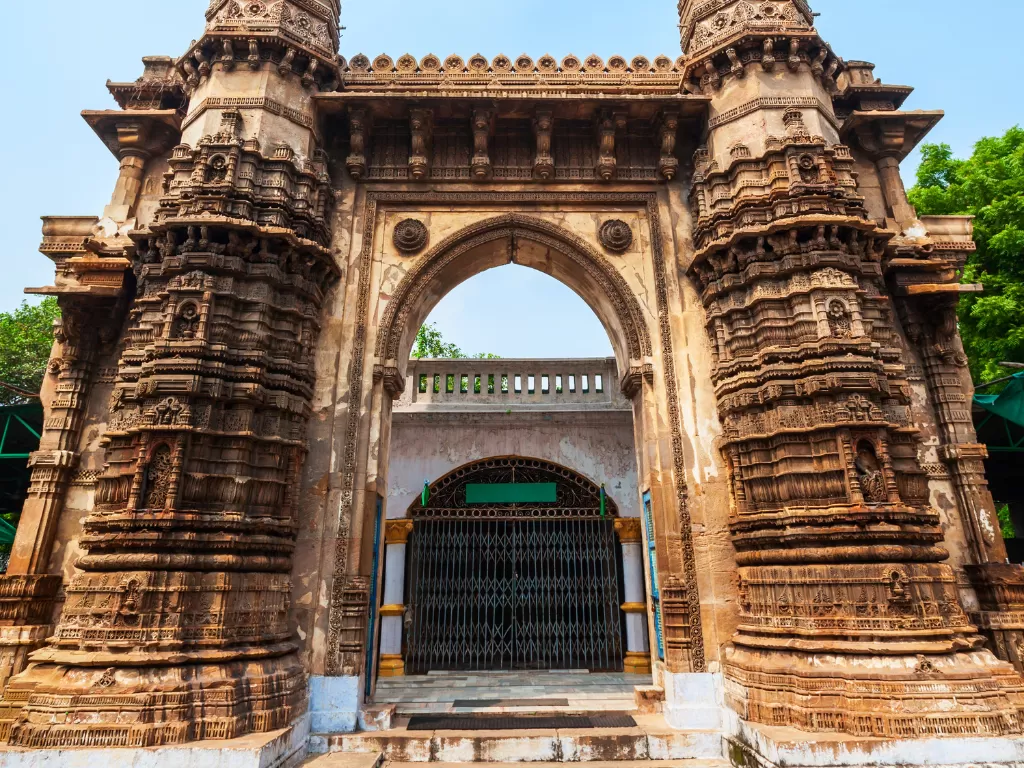
Jhulta Minar, Bibiji Masjid, Ahmedabad, Gujarat, India

Jhulta Minar Bibiji Masjid , Ahmedabad
Tourists visit the minarets to observe their unique architectural feature where the towers vibrate when shaken, as well as the surrounding mosque complex. It is an important heritage site showcasing Indo-Islamic architecture.

Quick Facts About Jhulta Minar Bibiji Masjid

Quick Facts About Jhulta Minar, Bibiji Masjid, Ahmedabad

Entry Fee Free
Timings Open daily (best visited during daylight hours)
Altitude (m) Approx. 53 m
Ideal Visit Duration 15 – 30 minutes
Best Time of Day Morning or late afternoon
Crowd Level Moderate (busier during weekends and local events)
Distance from City Centre (km) Located in central Ahmedabad
Walking Difficulty Easy (short walk around the minarets)
Parking Available Limited parking nearby
Last Mile Access Auto-rickshaw, taxi, or private vehicle recommended
Suitable for Kids Yes (safe for short visits under supervision)
Suitable for Seniors Yes (gentle walking)
Wheelchair Friendly Partially (main area accessible; uneven surfaces around the minaret)

Why Visit Jhulta Minar, Bibiji Masjid, Ahmedabad

Jhulta Minar, part of the Bibiji Masjid complex in Ahmedabad, is a unique architectural landmark attracting visitors for its historical and engineering significance. Tourists come here to see the “shaking minarets,” marvel at their delicate construction, and explore the adjoining mosque’s intricate design. It is a must-visit for travelers interested in medieval Indo-Islamic architecture and cultural heritage.

The atmosphere around Jhulta Minar is calm and intriguing, with the mosque and minarets creating a historic and visually captivating setting. Visitors can walk around the courtyard, observe the minarets’ unusual vibrating feature, and appreciate the detailed stone carvings. The site is generally peaceful, allowing for careful exploration and photography.

What makes Jhulta Minar special is its rare engineering phenomenon where the minarets can oscillate with minimal force, combined with the artistry of the Bibiji Masjid. The structure offers travelers both a visual and experiential marvel that is unlike typical monuments. For visitors, it provides a unique cultural and architectural experience in Ahmedabad.

History of Jhulta Minar, Bibiji Masjid, Ahmedabad

Jhulta Minar, located within the Bibiji Masjid complex in Ahmedabad, Gujarat, is a historic structure built during the 15th century under the rule of Sultan Ahmed Shah. The minarets are renowned for their unique architectural feature of vibration, which allows them to shake slightly when one is moved, giving them the name "Jhulta" or "Shaking Minarets."

The minarets were constructed as part of the mosque complex, showcasing Indo-Islamic architecture with intricate carvings, ornamental motifs, and slender towers. They historically served both religious and aesthetic purposes, highlighting the engineering skills and artistic sensibilities of the period.

Today, Jhulta Minar is a key heritage and tourist landmark in Ahmedabad. Visitors come to observe its unique oscillating feature, admire the detailed architecture, and explore the historical and cultural significance of the Bibiji Masjid complex in the city.

Best Time to Visit Jhulta Minar and Bibiji Masjid, Ahmedabad

Jhulta Minar and Bibiji Masjid are best visited during the cooler months when the weather is comfortable for exploring the monuments, walking around the surroundings, and enjoying the architectural details. Pleasant conditions enhance sightseeing, photography, and heritage exploration.
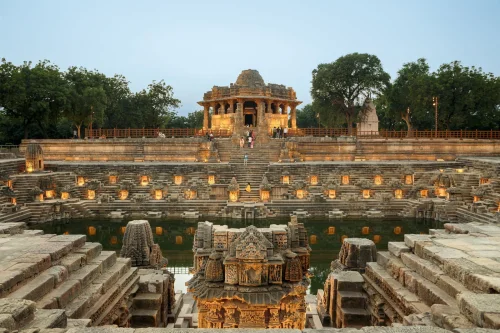
  • Ideal Months: October to February (best for heritage visits, walking, and photography).
  • Weather During Best Season: Mild daytime temperatures with low humidity, ideal for walking around the monuments, exploring the intricate architecture, and capturing photographs comfortably.
  • Periods to Avoid: April to June due to intense summer heat, which can make outdoor exploration tiring, and July to September during monsoon when heavy rains may affect accessibility and safety.

How to Reach Jhulta Minar, Bibiji Masjid, Ahmedabad

  • Nearest Airport: The nearest airport is Sardar Vallabhbhai Patel International Airport, Ahmedabad, located around 10–12 km from Jhulta Minar. From the airport, tourists can hire a taxi or app-based cab via Ashram Road or Relief Road to reach the site.
  • Nearest Railway Station: The nearest railway station is Ahmedabad Junction Railway Station, approximately 4–5 km from Jhulta Minar. It is well-connected to major cities like Mumbai, Delhi, Jaipur, and Vadodara.
  • Road Access & Last-Mile Connectivity: Jhulta Minar is located in the old city area near Manek Chowk and is accessible via Relief Road and surrounding narrow streets. Private vehicles, taxis, and auto-rickshaws provide last-mile connectivity. Walking from nearby parking areas is required due to narrow lanes in the old city.
  • Travel Conditions to Note: The area can get very crowded during weekends, evenings, and festival seasons. Early morning visits are recommended for a peaceful experience and better photography. Roads in the old city are narrow and busy, so careful navigation is advised. Mobile connectivity is generally stable.

What to Expect When You Visit Jhulta Minar and Bibiji Masjid, Ahmedabad

  • Historic architectural site: Expect the iconic Jhulta Minar (Shaking Minarets) near Bibiji Masjid, featuring two leaning minarets known for their oscillating movement when shaken, surrounded by intricately carved mosque architecture.
  • Vibrant heritage atmosphere: The area reflects the charm of old Ahmedabad, with local streets, markets, and cultural activity nearby, while the minarets and mosque maintain historical significance.
  • Walking and exploration: Visitors navigate paved streets and courtyard areas around the mosque and minarets. Comfortable footwear is recommended due to uneven cobblestones and small steps.
  • Photography opportunities: The leaning minarets, carved facades, and surrounding mosque structures provide excellent photography spots, especially during morning or late afternoon for soft lighting.
  • Facilities and amenities: Limited amenities exist near the site. Restrooms and food stalls are generally available in nearby market areas rather than directly at the mosque.
  • Accessibility considerations: Cobblestone streets, small steps, and narrow corridors may pose challenges for seniors, children, or wheelchair users.
  • Visitor behavior: Quiet and respectful conduct is expected, especially within the mosque premises. Visitors typically explore the architecture, take photographs, and observe the minarets’ unique movement.
  • Crowd conditions: Weekdays are generally quieter, while weekends and local holidays may attract more tourists and worshippers.
  • Historical and cultural significance: Jhulta Minar and Bibiji Masjid are important heritage landmarks in Ahmedabad, reflecting Indo-Islamic architectural styles and engineering ingenuity.
  • Visit duration: Most visitors spend 30 minutes to 1 hour exploring the minarets, mosque, and surrounding streets, observing architectural details and photographing the unique structures.

Important Visitor Information for Jhulta Minar, Bibiji Masjid, Ahmedabad

  • Crowd & Weather Notes: Jhulta Minar near Bibiji Masjid is a historic architectural site attracting tourists, history enthusiasts, and photographers. Winter months (October to February) are the most comfortable for visiting. Summers can be hot and humid, while monsoon rains may make surrounding streets and stone surfaces slippery.
  • Peak Visiting Hours: The site is busiest during late morning to early afternoon (10:00 AM to 1:00 PM) and late afternoon (4:00 PM to 6:30 PM), particularly on weekends, public holidays, and during guided heritage walks.
  • Quiet Visiting Hours: Early mornings (7:00 AM to 9:00 AM) and weekday afternoons are generally quieter, ideal for photography, sightseeing, and appreciating the architectural features without crowds.
  • Dress Code (If Applicable): There is no formal dress code. Comfortable casual clothing and walking shoes are recommended for navigating cobbled streets and the minaret area.
  • Safety & Practical Cautions: Watch your step on uneven stone floors and stairs. Supervise children closely. Photography is allowed, but avoid climbing on restricted areas of the minaret or touching delicate carvings. Carry water and sun protection during summer visits, and exercise caution during monsoon when surfaces can be slippery.

Photography and Viewpoints at Jhulta Minar, Bibiji Masjid, Ahmedabad

  • Best viewpoint for wide monument shots: The courtyard in front of Jhulta Minar provides a clear view of the oscillating minarets along with the adjacent Bibiji Masjid, ideal for wide-angle architectural photography.
  • Most photogenic spot: Elevated corners or side pathways allow photographers to frame both minarets in a single composition, highlighting their unique swinging design and intricate stone carvings.
  • Best time of day for natural lighting: Early morning (7 AM to 9 AM) offers soft sunlight, which highlights the detailed stonework and reduces harsh shadows, perfect for capturing architectural details.
  • Golden hour advantage: Late afternoon (4 PM to 6 PM) casts warm light across the minarets and mosque façade, producing rich textures and dramatic shadows for visually striking photographs.
  • Midday lighting conditions: Between 11 AM and 3 PM, bright sunlight can flatten the intricate carvings and create glare on light-colored surfaces, making morning or late afternoon preferable.
  • Best photography subjects: The oscillating minarets, carved stonework, mosque façade, arches, and surrounding courtyard are ideal for both wide-angle and detailed close-up shots.
  • Photography restrictions: Flash photography may be prohibited inside the mosque. Visitors should avoid stepping into restricted areas and maintain respect for worshippers.
  • Crowd factors affecting photography: Weekends, festivals, and prayer times may increase visitor presence, limiting unobstructed views of the minarets and mosque façade.
  • Best crowd-free photography window: Weekday mornings provide the calmest environment for photographing the minarets, mosque, and courtyard without visitors in the frame.
  • Drone and professional shoot rules: Drone photography and commercial filming require prior permission from local authorities to ensure safety, heritage protection, and minimal disturbance to visitors and worshippers.

Near By Attraction

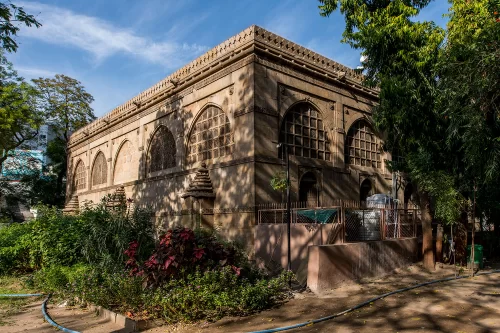
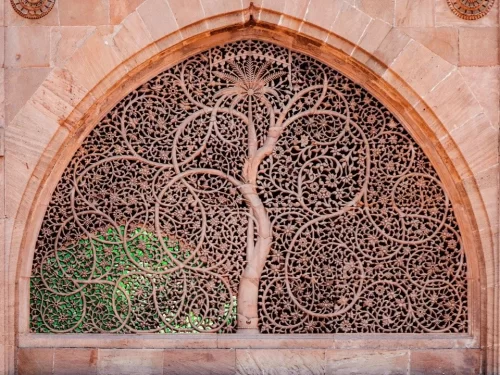
Sidi Saiyyad Masjid, iconic 16th-century mosque in Ahmedabad famous for its intricate stone lattice windows and the legendary Tree of Life carving. Mosque

Sidi Saiyyed Masjid

Sidi Saiyyed Masjid is a historic mosque in Ahmedabad, Gujarat, famous for its intricately carved stone latticework.

Auto World Vintage Car Museum, renowned automobile museum in Ahmedabad showcasing rare vintage cars, classic automobiles, and royal heritage vehicles. Museum

Auto World Vintage Car Museum

Auto World Vintage Car Museum is a museum in Ahmedabad showcasing a collection of vintage and classic automobiles.

Hutheesing Jain Temple at Ahmedabad during evening, featuring ornate shikharas and illuminated facade, perfect cultural Gujarat tour package. Temple

Hutheesing Jain Temple

Hutheesing Jain Temple is a historic Jain temple located in Ahmedabad, Gujarat, dedicated to Lord Dharmnath.

Frequently Asked Questions About Jhulta Minar Bibiji Masjid

Jhulta Minar Bibiji Masjid Gujarat is located in Ahmedabad near Kalupur Railway Station. The mosque complex stands in the old city area and is accessible by road.
There is no entry fee to visit Jhulta Minar Bibiji Masjid Gujarat. Visitors can view the structure from the exterior without charge.
Jhulta Minar Bibiji Masjid Gujarat is known for its shaking minarets, where one minaret vibrates when the other is shaken due to unique architectural construction.
Jhulta Minar Bibiji Masjid Gujarat can generally be viewed during daylight hours. Interior access to the minarets is restricted for safety reasons.
A visit to Jhulta Minar Bibiji Masjid Gujarat typically takes 20 to 40 minutes depending on time spent observing the structure and surroundings.
Jhulta Minar Bibiji Masjid Gujarat is approximately 1 kilometer from Ahmedabad Railway Station. Travel time by car usually takes 5 to 10 minutes.
Photography is generally allowed at Jhulta Minar Bibiji Masjid Gujarat from the exterior. Visitors should follow any posted guidelines.
Limited roadside parking is available near Jhulta Minar Bibiji Masjid Gujarat. Visitors may need to use nearby public parking facilities.
Jhulta Minar Bibiji Masjid Gujarat has minimal tourist facilities. Visitors should not expect restrooms or organized visitor centers on-site.
Jhulta Minar Bibiji Masjid Gujarat is suitable for families interested in historical architecture. Visitors should supervise children due to the surrounding traffic and old structures.

Loved this place ? Let’s Plan Your Gujarat Trip

Get customized Gujarat tour planning designed around seasonal climate conditions, long-distance road travel flow, festival timing, and realistic pacing across regions. Whether you are visiting for heritage sites, desert experiences, coastal retreats, wild

⚡ Quick Response | 💰 Free consultation | 🕒 24×7 expert support

×

Plan Your Trip