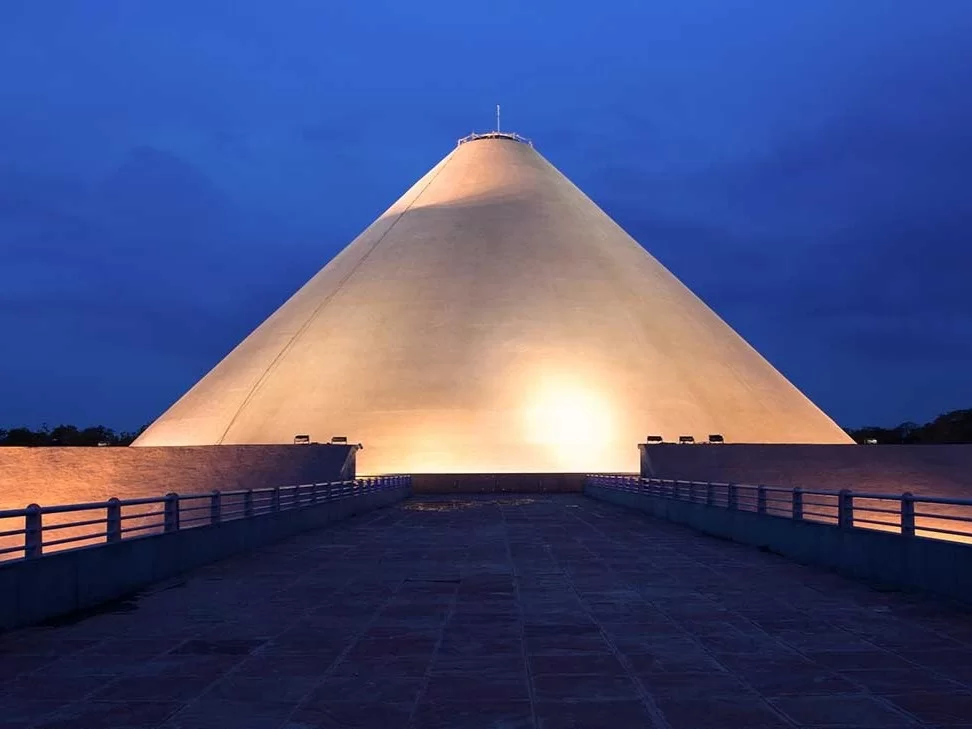
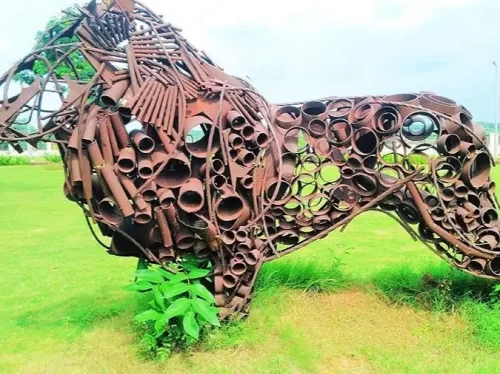
Dandi Kutir (Salt Mount) Museum, Gandhinagar, Gujarat, India

Dandi Kutir (Salt Mount) Museum , Gandhinagar
Tourists visit the museum to explore interactive exhibits, life-size models, and displays depicting Gandhi’s Salt March, freedom struggle events, and historical context. It is an educational attraction highlighting India’s modern history.

Quick Facts About Dandi Kutir (Salt Mount) Museum

Quick Facts About Dandi Kutir (Salt Mount) Museum, Gandhinagar

Entry Fee Paid (ticket charges vary; check at museum entrance)
Timings Open daily (usually 9:30 AM – 6:00 PM; timings may vary during holidays)
Altitude (m) Approx. 98 m
Ideal Visit Duration 1 – 2 hours
Best Time of Day Morning or late afternoon
Crowd Level Moderate (higher on weekends and school holidays)
Distance from City Centre (km) Approx. 5 – 6 km from central Gandhinagar
Walking Difficulty Easy (indoor museum with flat walking paths)
Parking Available Yes (parking available near the museum entrance)
Last Mile Access Auto-rickshaw, taxi, and private vehicle access available
Suitable for Kids Yes (educational and interactive museum exhibits)
Suitable for Seniors Yes (indoor visit with seating areas)
Wheelchair Friendly Yes (main exhibition areas accessible; elevators available)

Why Visit Dandi Kutir (Salt Mount) Museum, Gandhinagar

Dandi Kutir, also known as the Salt Mount Museum, in Gandhinagar is a heritage and cultural museum dedicated to Mahatma Gandhi and the Dandi March. Visitors come here to learn about Gandhi’s life, his philosophy, and the historic Salt March through interactive exhibits, dioramas, and multimedia presentations. It is an educational stop for history enthusiasts, students, and travelers interested in India’s independence movement.

The atmosphere at Dandi Kutir is informative and immersive, with well-designed displays and guided pathways that engage visitors at a comfortable pace. The museum provides a quiet and reflective environment, allowing travelers to absorb historical narratives while enjoying modern exhibit techniques. Weekdays are generally calm, while weekends and school trips bring a livelier crowd.

What makes Dandi Kutir special is its unique focus on the Salt March and Gandhi’s life, combining historical education with interactive storytelling. Unlike conventional museums, it offers an engaging experience that brings history to life for all age groups. For visitors, it provides a meaningful cultural and educational insight into one of India’s most iconic freedom movements.

History of Dandi Kutir (Salt March) Museum, Gandhinagar

Dandi Kutir, also known as the Salt March Museum, in Gandhinagar, Gujarat, is a modern museum dedicated to Mahatma Gandhi’s historic Salt March of 1930. The museum was established to commemorate Gandhi’s role in India’s independence movement and to educate visitors about his life, philosophy, and non-violent struggle against British colonial rule.

The museum features exhibits, dioramas, and interactive displays that recreate key events of the Salt March and Gandhi’s socio-political activities. It was designed to provide an immersive experience for visitors, highlighting the significance of the march in mobilizing Indian citizens and drawing international attention to the independence movement.

Today, Dandi Kutir serves as an important educational and cultural landmark in Gandhinagar. Tourists, students, and history enthusiasts visit to gain insight into Gandhi’s legacy, India’s struggle for freedom, and the symbolic importance of the Salt March in the nation’s history.

Best Time to Visit Dandi Kutir (Salt Mount) Museum, Gandhinagar

Dandi Kutir Museum is best visited during the cooler months when the weather is comfortable for exploring both indoor exhibits and nearby outdoor spaces. Pleasant temperatures make it ideal for walking between museum sections, enjoying guided tours, and combining the visit with other Gandhinagar attractions.
  • Ideal Months: October to February (best for museum visits and sightseeing around Gandhinagar).
  • Weather During Best Season: Mild daytime temperatures with low humidity, providing comfortable conditions for walking, exploring exhibits, and photography.
  • Periods to Avoid: April to June due to high summer heat, which can make travel between attractions tiring, and July to September during monsoon when occasional rains may disrupt outdoor activities.

How to Reach Dandi Kutir (Salt Mount) Museum, Gandhinagar

  • Nearest Airport: The nearest airport is Sardar Vallabhbhai Patel International Airport, Ahmedabad, located around 35–40 km from Dandi Kutir Museum. From the airport, tourists can hire a taxi or private car via NH 147 or local roads to reach Gandhinagar.
  • Nearest Railway Station: The nearest railway station is Gandhinagar Capital Railway Station, approximately 10–12 km from the museum. It is well-connected to Ahmedabad and other major cities in Gujarat.
  • Road Access & Last-Mile Connectivity: Dandi Kutir Museum is accessible via well-maintained city roads and highways. Private vehicles, taxis, and local buses provide convenient last-mile connectivity. The museum is located near central Gandhinagar landmarks, making navigation straightforward.
  • Travel Conditions to Note: The area can get busy during weekends, public holidays, and special exhibitions. Parking is available on-site or nearby, but early morning visits are recommended for a quieter and more comfortable experience. Mobile connectivity is generally stable in this area.

What to Expect When You Visit Dandi Kutir (Salt Mount) Museum, Gandhinagar

  • Thematic museum experience: Expect a modern, well-curated museum dedicated to Mahatma Gandhi and the Dandi March, with exhibits showcasing the history of India’s freedom struggle.
  • Interactive and educational displays: Visitors can explore dioramas, multimedia presentations, models, and historical artifacts that explain Gandhi’s life, principles, and the Salt March in detail.
  • Indoor walking and exploration: The museum involves walking through multiple galleries and halls. Comfortable shoes are recommended, as visitors may spend time observing displays and interactive setups.
  • Quiet and respectful atmosphere: The museum encourages educational visits and reflection. Groups, students, and tourists typically move in an orderly manner to learn about history.
  • Facilities and amenities: Expect clean restrooms, seating areas, drinking water points, and accessible pathways. Cafeterias or snack areas may be available near the entrance or exit.
  • Photography considerations: Photography may be allowed in certain sections, but flash or tripods may be restricted to protect exhibits.
  • Accessibility: Most areas are wheelchair-accessible, with ramps and lifts connecting different sections. Seniors and children can navigate comfortably.
  • Crowd conditions: The museum can get busy during school visits, weekends, and public holidays, while weekdays are generally quieter for a more immersive experience.
  • Visitor behavior: Most visitors spend time reading, interacting with exhibits, and taking photographs. Quiet and respectful conduct is expected throughout the museum.
  • Visit duration: Most tourists spend 1 to 2 hours exploring the exhibits, participating in interactive displays, and learning about the historical context of the Salt March and Gandhi’s life.

Important Visitor Information for Dandi Kutir (Salt Mount) Museum, Gandhinagar

  • Crowd & Weather Notes: Dandi Kutir Museum is a popular educational and cultural attraction in Gandhinagar, drawing tourists, school groups, and history enthusiasts. Winter months (October to February) provide the most comfortable climate for visiting. Summers can be hot, and monsoon rains may affect outdoor exhibits and surrounding walkways.
  • Peak Visiting Hours: The museum experiences the highest footfall during late morning to early afternoon (10:00 AM to 1:00 PM) and early evenings (4:00 PM to 6:00 PM), particularly on weekends, public holidays, and school excursion days.
  • Quiet Visiting Hours: Early mornings after opening (9:00 AM to 10:30 AM) and weekday afternoons are generally quieter, allowing visitors to explore the exhibits and displays without large crowds.
  • Dress Code (If Applicable): There is no formal dress code. Comfortable casual clothing and footwear are recommended for walking through the museum galleries and outdoor areas.
  • Safety & Practical Cautions: Visitors should avoid touching exhibits unless permitted. Photography may be restricted in some galleries, so confirm at the entrance. Supervise children closely, especially around interactive displays. Carry water during hot months and follow museum guidelines for safety and respectful behavior inside the premises.

Photography and Viewpoints at Dandi Kutir (Salt Mount) Museum, Gandhinagar

  • Best viewpoint for exterior shots: The main entrance and plaza provide a clear, symmetrical view of Dandi Kutir, allowing photographers to capture the building’s architecture, signage, and surrounding landscaping in one frame.
  • Most photogenic spot: Slightly angled views from the courtyard or side pathways highlight the thematic design elements inspired by the Salt March, adding context and depth to the composition.
  • Best time of day for natural lighting: Early morning (8 AM to 10 AM) provides soft sunlight, minimizing harsh shadows on walls and signage, ideal for clear exterior shots.
  • Golden hour advantage: Late afternoon (4 PM to 6 PM) casts warm tones on the façade, enhancing textures and making the museum appear more visually striking in photographs.
  • Midday lighting conditions: Between 11 AM and 3 PM, bright sunlight can create harsh glare on pale surfaces and flatten architectural details, making early morning or late afternoon preferable.
  • Best interior photography subjects: Museum exhibits, interactive displays, thematic installations, and historical panels provide interesting compositions where photography is allowed.
  • Interior photography restrictions: Flash may be prohibited to protect displays, and some sections may not allow photography at all. Always follow on-site guidelines and signage.
  • Crowd factors affecting photography: Weekends, school visits, and public holidays can increase visitor presence, which may obstruct clean framing in exhibition areas and entrance zones.
  • Best crowd-free photography window: Weekday mornings are ideal for capturing both exterior and interior spaces without visitors in the frame.
  • Drone and professional shoot rules: Drone photography and commercial filming require prior permission from museum authorities, ensuring safety and protection of exhibits.

Near By Attraction

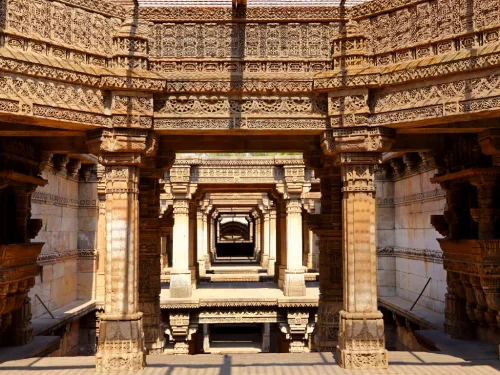
Intricate stepwell at Adalaj Stepwell during daylight, featuring carved pillars and multi-level arches, perfect cultural Gujarat tour package. Stepwell

The Adalaj Stepwell

Adalaj Stepwell is a historic stepwell located in Adalaj, near Ahmedabad, Gujarat.
Sarita Udhyan Gandhinagar, scenic riverside garden and popular tourist park with artistic sculptures and lush greenery in India. Garden

Sarita Udhyan

Sarita Udhyan is a public garden and park located in Gandhinagar, Gujarat.

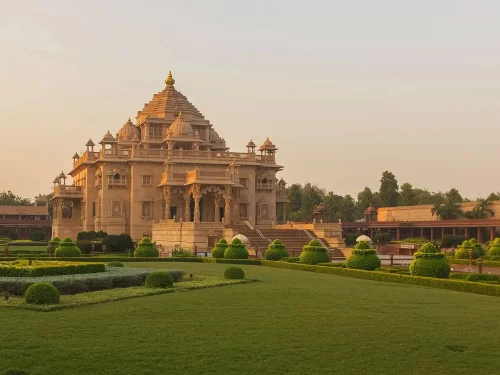
BAPS Shri Swaminarayan Akshardham Gandhinagar, grand Hindu temple complex in Gujarat, spiritual and cultural landmark in India. Temple

BAPS Shri Swaminarayan Akshardham, Gandhinagar

BAPS Shri Swaminarayan Akshardham is a large Hindu temple complex located in Gandhinagar, Gujarat.

Frequently Asked Questions About Dandi Kutir (Salt Mount) Museum

Dandi Kutir Salt Mount Museum is located in Gandhinagar city in Gujarat. It stands near Mahatma Mandir and the state capital complex.
Dandi Kutir Salt Mount Museum is dedicated to the life and legacy of Mahatma Gandhi. The museum presents exhibits related to the Salt March and India’s freedom movement.
Dandi Kutir Salt Mount Museum is generally open from morning to evening except on designated closed days, often Mondays. Timings may vary on public holidays.
An entry fee is charged to visit Dandi Kutir Salt Mount Museum. Ticket rates may differ for adults, children, and student groups.
A visit to Dandi Kutir Salt Mount Museum typically takes 1.5 to 2 hours. The duration depends on time spent exploring interactive exhibits and audio-visual galleries.
Visitors at Dandi Kutir Salt Mount Museum can see multimedia exhibits, life-sized displays, and audio guides that narrate Mahatma Gandhi’s life events. The structure itself is shaped like a mound of salt symbolizing the Dandi March.
Dandi Kutir Salt Mount Museum can be reached by taxi, bus, or private vehicle within Gandhinagar. The city is well connected by road and rail to Ahmedabad and other parts of Gujarat.
Photography inside Dandi Kutir Salt Mount Museum may be restricted in certain exhibit areas. Visitors should follow the guidelines provided at the entrance.
The best time to visit Dandi Kutir Salt Mount Museum is from October to March when the weather in Gandhinagar remains comfortable. Morning hours are suitable for a relaxed visit.
Facilities at Dandi Kutir Salt Mount Museum include ticket counters, audio guide services, parking, and restrooms. Additional amenities are available in Gandhinagar city.

Loved this place ? Let’s Plan Your Gujarat Trip

Get customized Gujarat tour planning designed around seasonal climate conditions, long-distance road travel flow, festival timing, and realistic pacing across regions. Whether you are visiting for heritage sites, desert experiences, coastal retreats, wild

⚡ Quick Response | 💰 Free consultation | 🕒 24×7 expert support

×

Plan Your Trip